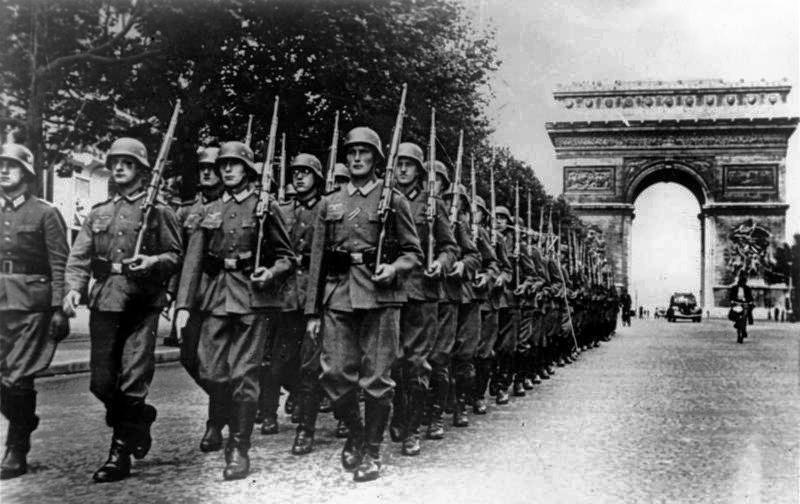
President Emmanuel Macron of France has persistently called for Europe to act decisively to defend itself and its own interests in a world where Russia is on the march, China is economically aggressive and the United States is turning away.
Mr. Macron first talked of the need for European strategic “autonomy” in 2017. In the last year, with trans-Atlantic relations spinning downward, Europeans seem to have heard the message: They need to do more and spend more in their own defense.
But there is a built-in political problem. Germany is already spending much more money than its European partners, according to military spending trackers, like that of the Atlantic Council, a Washington-based research organization. After years of aversion to war because of its history and a hope that the collapse of the Soviet Union would bring about a more peaceful world, the German military had shrunk badly.

 … The month prior, Aini had attended a hospital in Queens with injuries to the side of her face. There, hospital staff “appeared to have had concerns” about whether Aini’s injuries were inflicted by Mohammad. With the help of an interpreter, Aini denied that her husband had harmed her when asked by staff. He later claimed she had “tripped on a broom”


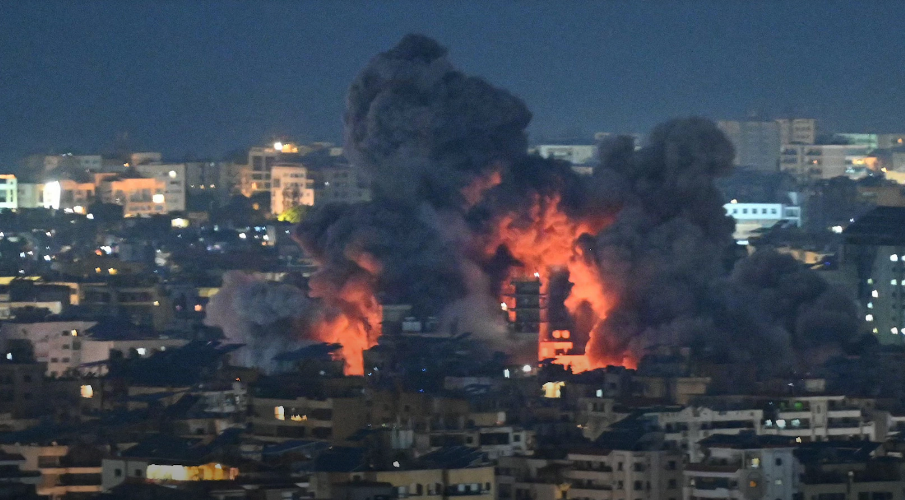
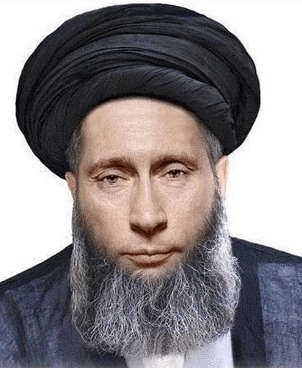 As the Middle East lurches toward wider war, Vladimir Putin finds himself confronted by the terrifying reality of the world he has always demanded. For a quarter of a century, the Russian president has been demanding a “multipolar world order”, one that would overturn the hypocritical liberal consensus. Now, that order might have arrived, but the system taking shape is not creating a stronger Russia. Instead, it reveals an increasingly isolated and weakened state — one that, if the history of Putin’s rule is anything to go by, might see the Kremlin turn toward even further domestic repression and foreign