
The role assigned to ‘trusted flaggers’ under the EU’s Digital Services Act (DSA) has been a target for criticism from Republican lawmakers in Washington, who have argued that the legislation risks making Europeans and, more specifically, European governments the arbiters of what even Americans can and cannot say online. The DSA requires online platforms, like Facebook or X or TikTok, to maintain “notice and action” mechanisms that allow “individuals and entities” in the EU to flag content for suppression, and it empowers EU member state governments to appoint organizations whose notices the platforms are required to give priority treatment. These are the ‘trusted flaggers.’

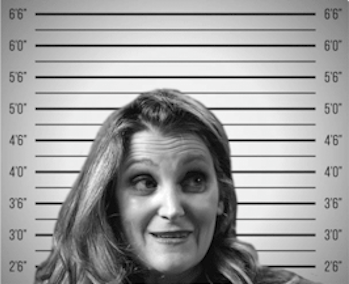
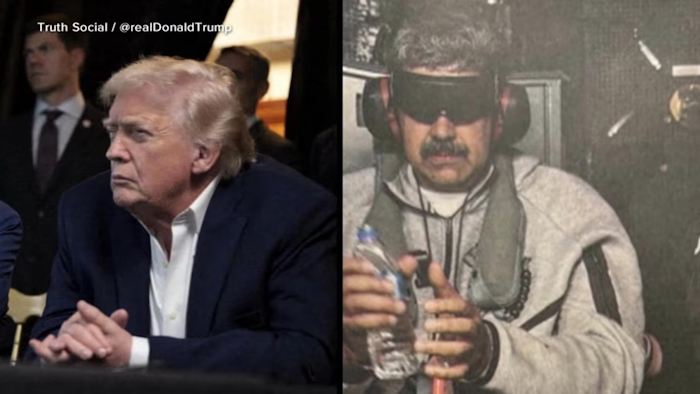
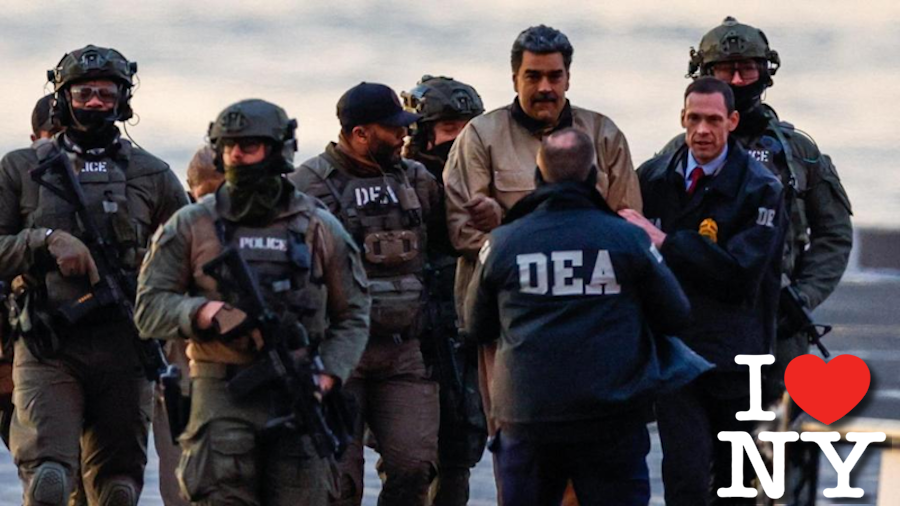
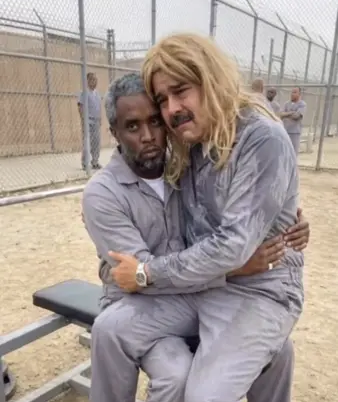 Within hours of President Trump’s announcement of the dramatic weekend capture of Nicolás Maduro, social media was flooded with AI-generated deepfakes showing the captured Venezuelan dictator in handcuffs and even sitting alongside Sean “Diddy” Combs, who was previously locked up in the same jail where Maduro now is in