Carney’s ‘Build, Baby, Build’ Faces Pushback From Indigenous Groups

“Build, baby, build.”

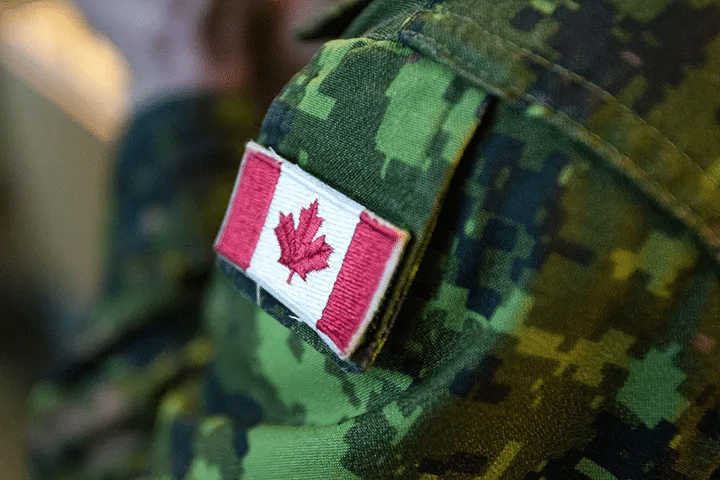
Canada’s spin on the mantra has been a nationalist rallying cry of Prime Minister Mark Carney: Build “Canada strong.” Build a Canada less dependent on the United States. Build an “energy superpower.”

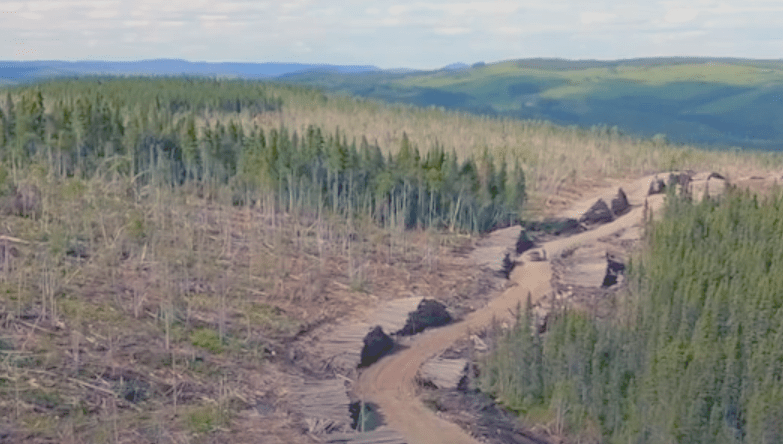
That means to build, and quickly, projects of national interest that could include oil pipelines, nuclear facilities, mines, power grids, ports, roads and railways — all of it to create a stronger domestic economy and increase trade with countries other than the United States.

Share

Emigration up, immigration down: Trends contributing to slower population growth, says StatCan

The number of people leaving the country has been slowly increasing in recent years, according to recent data from Statistics Canada. Meanwhile, immigration levels are down in the wake of federal reductions. Both these trends are contributing to a larger picture of significantly slowing population growth, according to StatCan analysis.

StatCan includes Canadian citizens and permanent residents when it refers to emigration or emigrants — folks who leave Canada to reestablish their permanent residence in another country.

Share

Federal deficit projected to soar to $92B this year: ‘Unfair to pass these burdens on,’ C.D. Howe Institute says

OTTAWA — The Carney government is poised to post a massive deficit of more than $92 billion during this fiscal year, a new report from a well-respected financial think tank projects, almost double what was forecast just a few months ago by a non-partisan arm of the government.

Share

Canada’s immigration system must put national security ahead of applicants: Expert

OTTAWA — Canada’s immigration framework needs to put national security ahead of the interests of applicants.

That’s among many issues experts say need to change as Canada wrestles with what they say is decades of ineffective and damaging immigration policy, as the country deals with increased global security threats from bad actors.

h/t Auntie Polly

Share

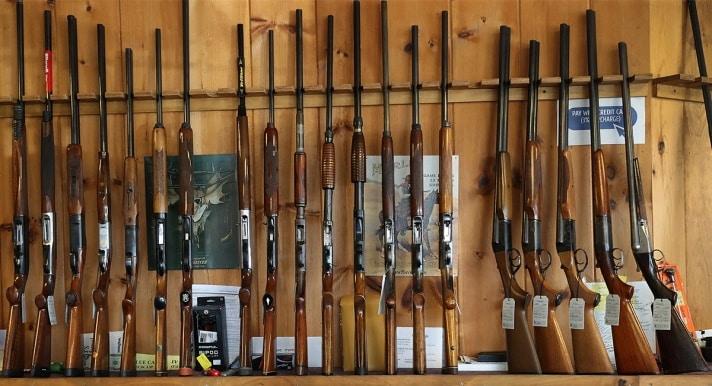
Mark Carney should add the gun buyback program to his kill list

Prime Minister Mark Carney wasted no time in axing a signature Justin Trudeau policy the moment he took on the job. It wasn’t that the carbon tax was bad policy, per se, or focused on the wrong target or poorly administered or needlessly bureaucratic. Indeed, Mr. Carney was broadly supportive of carbon pricing as a mechanism to curb greenhouse gas emissions right up until the moment he got the words “Right Honourable” added to his stationery.

The problem with the carbon tax, as we all know, was that it was deeply unpopular in Canada, so the new Prime Minister had no choice but to kill it if he wanted to keep his job.

Share

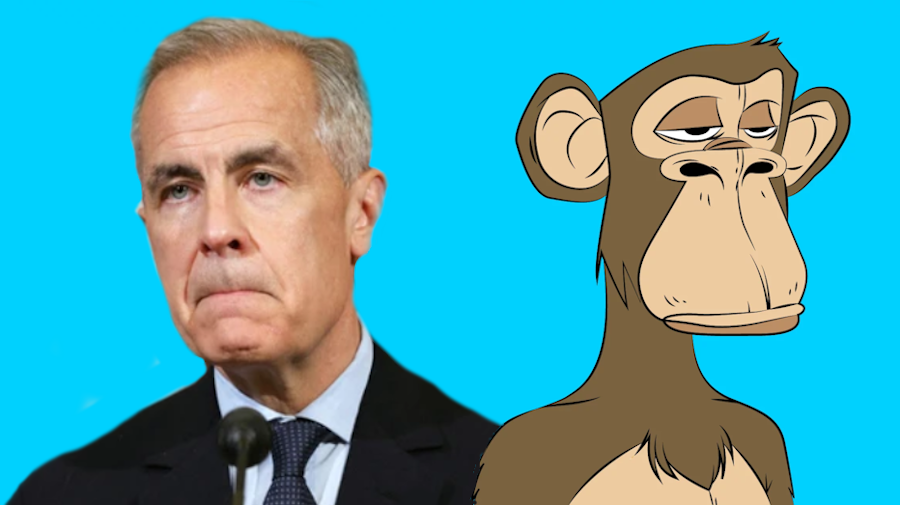
GIESBRECHT: Does Carney know what he is doing?

How will Canadians remember the long reign of Justin Trudeau? Good hair, cool socks, and the ability to recite Liberal talking points with theatrical flair?

Certainly not for his grasp of any of the more complex subjects normally expected to be in the arsenal of a person who believes he should lead a nation. Remember Trudeau saying that budgets balance themselves?

Share

To up defence spending, Canada must cut deeper, tax harder and borrow more – all at once

No sooner had Canada committed to immediately meeting NATO’s long-standing target of spending 2 per cent of GDP on defence – an increase of $9.3-billion annually – than the goalposts shifted. Dramatically.

At last week’s NATO meetings, a new benchmark emerged: 5 per cent of GDP. While 1.5 per cent of that could include spending on cybersecurity, infrastructure and defence-related technology, the overall target is a staggering $50-billion increase.

Share

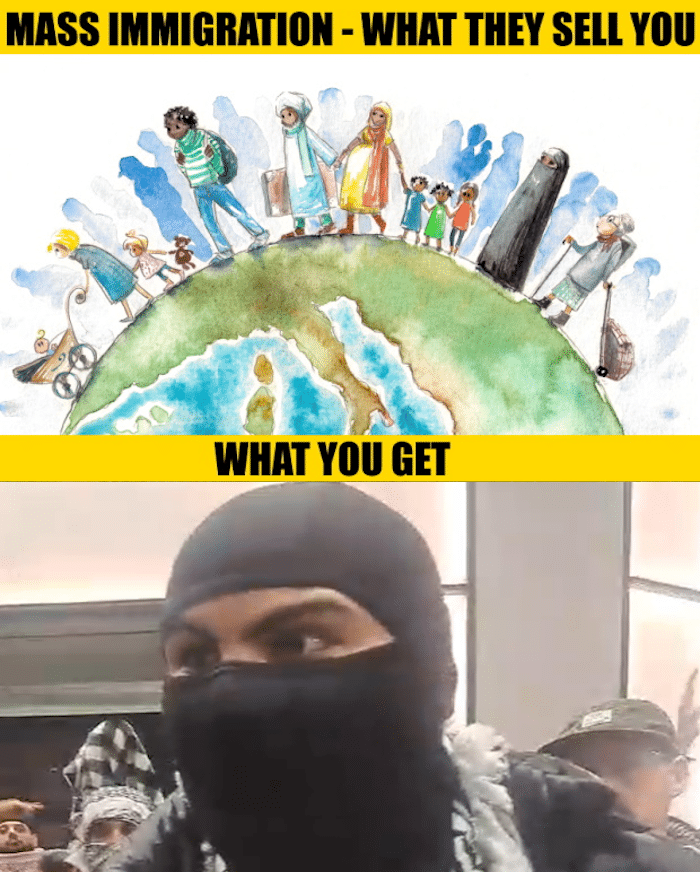
GOLDSTEIN: Questioning Canada’s immigration policies is not racist

The Mark Carney government will be performing a public service to Canadians if it abandons the reflex position of the Justin Trudeau government that any questioning of federal immigration policies is racist.

A report by The Globe and Mail that said 17,600 foreigners had their criminal convictions forgiven by the Immigration Department over 11 years, up to and including 2024 — thus removing a ban on them coming to Canada — is a case in point.

Share

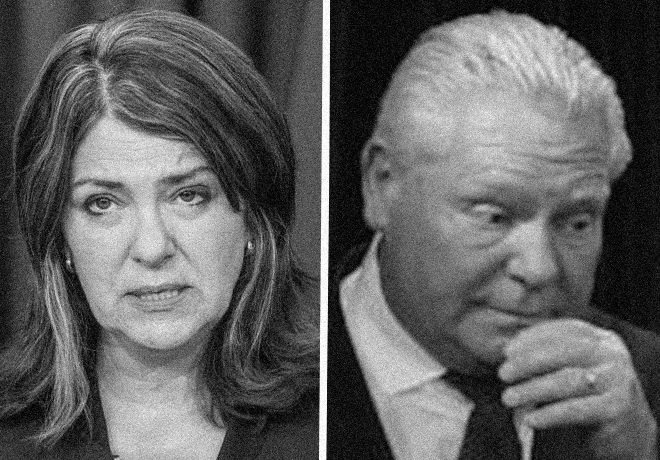
Alberta and Ontario call for repeal of Trudeau-era climate policies

OTTAWA — The environment ministers of two of Canada’s biggest provinces are calling on the Liberal government to scrap a host of Trudeau-era environmental and climate policies, saying the policies are holding the country back from meeting its economic potential.

Alberta Environment Minister Rebecca Schulz and Ontario Environment Minister Todd McCarthy said in a letter to federal counterpart Julie Dabrusin that the new, Mark Carney-led Liberal government will need to ditch Justin Trudeau’s net-zero agenda if it hopes to meet its promise to make Canada an energy superpower.

Share

Samidoun exposes failures in Canada’s anti-terror efforts

On Oct. 15, 2024, Canada finally added Samidoun to its list of terrorist entities under the Criminal Code. Many observers had long called for this important step, given the group’s well-documented ties to the Popular Front for the Liberation of Palestine (PFLP), a terrorist organization listed in Canada since 2003. The designation came only after mounting public pressure and disturbing events, including a Vancouver rally in which Samidoun-affiliated demonstrators chanted “Death to Canada” and burned our national flag.

WHY? Because most of the LPC caucus approves.

Share

‘Nothing was ready’: Inside Canada’s Vaccine Injury Support Program

A$50-million program the federal government created to help Canadians seriously injured by COVID-19 vaccines is in disarray, current and former staffers say.

The Vaccine Injury Support Program (VISP), created during the pandemic, was designed to compensate people who have been seriously and permanently injured by any Health Canada-authorized vaccine administered in Canada on or after Dec. 8, 2020.

Share

Who really built this country?

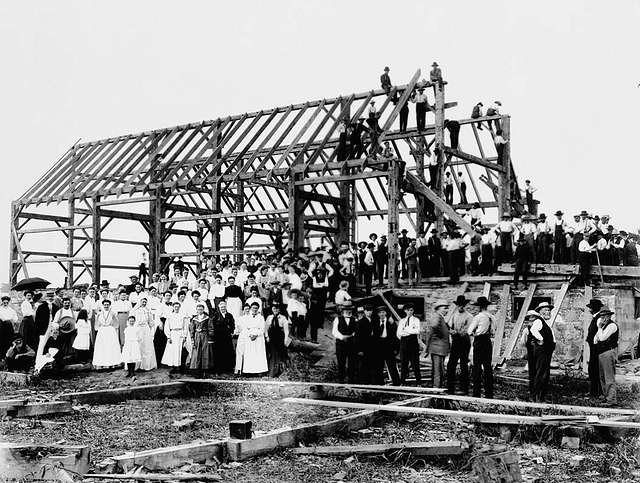
Barn raising in Lansing, Toronto, Ontario, Canada

Anyone who has visited Canada or Australia in recent years might have noticed an interesting new tradition. This is the trend for issuing a ‘land acknowledgement’ at the start of any public event. Before discussion gets under way, some bureaucrat or other will get up and note that we are all fortunate enough to be on the land of X, and then garble the name of some not-especially-ancient tribe. The moment gives everyone a feeling of deep meaning and naturally achieves nothing.

Even our King indulged in some of this in May when he opened the latest session of the Canadian parliament. Before getting down to the meat of his speech, Charles said: ‘I would like to acknowledge that we are gathered on the unceded territory of the Algonquin Anishinaabeg people.’ You would have thought that by dint of his being King and addressing a parliament the land had been very much ceded.

Share

Joel Kotkin: The West’s immigration reckoning is here

The recent riots in Los Angeles, sparked by President Trump’s crackdown on undocumented immigrants, could be a harbinger to a new era of ethnic conflict not only in the U.S. but throughout the West, including Canada.

Many leading countries for immigrants, notably in the Middle East, may have higher percentages of international migrants, but many are only there temporarily. But in Canada, Australia, and the U.S. — where the foreign born represent between 15 and 30 per cent of the total population — most come to stay, with sometimes problematic results.

Share

New supply management law ties the hands of our trade negotiators

After climbing down on the digital services tax, Canada is back at the table with the U.S. to negotiate the two countries’ trade relationship. Unfortunately, Canadian negotiators have a fresh problem to deal with: the recent passage of a bill through Parliament that protects supply management.

Share

John Robson: Government Must Make Major Cuts to Fund $150B Defence Plan

So now we have a number. After sliding along for years pretending we meant to hit NATO’s 2 percent of GDP defence target, or quietly admitting we didn’t, we suddenly promised to. Then the target was raised to 5 percent and the prime minister didn’t blink even though it will cost $150 billion a year, a lot of money even in Ottawa. Which mercifully and horribly brings us to the practical question: Where are we going to get it?

Of course, there are people who don’t want us to try. Some socialists would rather spend the money on social programs or not at all, and some libertarians would rather not spend it at all, meaning the latter do need to find it anyway but the former don’t. As for those who think saying we’ll spend it amounts to having spent it, it buys us precious little time today.

Share