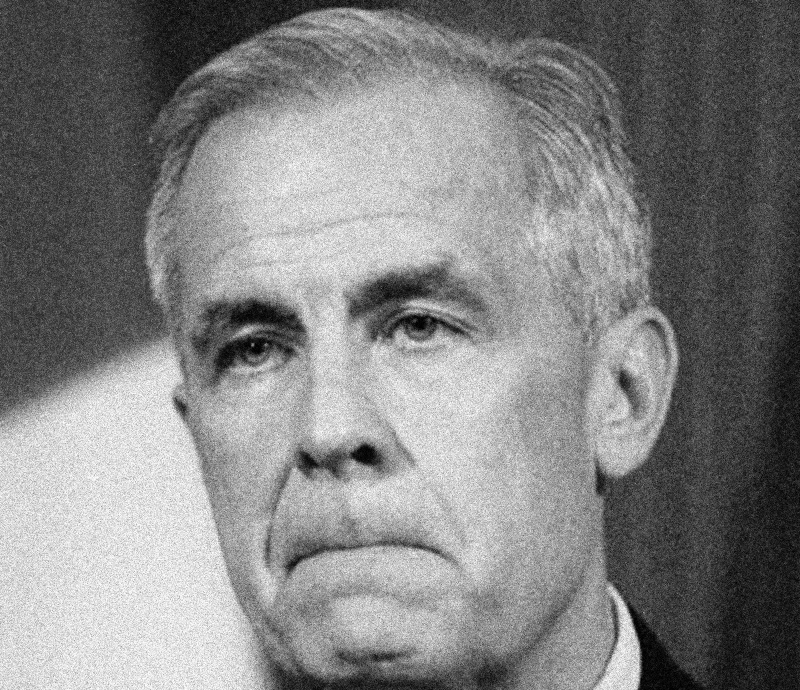
Mark Carney, Canada’s ‘finance daddy,’ is having problems delivering

Hiring a new manager to fix a broken business model and mollify your biggest, angriest customer carries a grace period – that time when the new hire can make promises, assemble a team, send the right signals to stakeholders and take decisions that might otherwise spark animated resistance.

Mr. Carney has made the most of his grace period. Recent polls suggest 52.7 per cent of Canadians prefer him as prime minister versus 22.9 per cent for Conservative Leader Pierre Poilievre – a margin of 29 percentage points.

Share

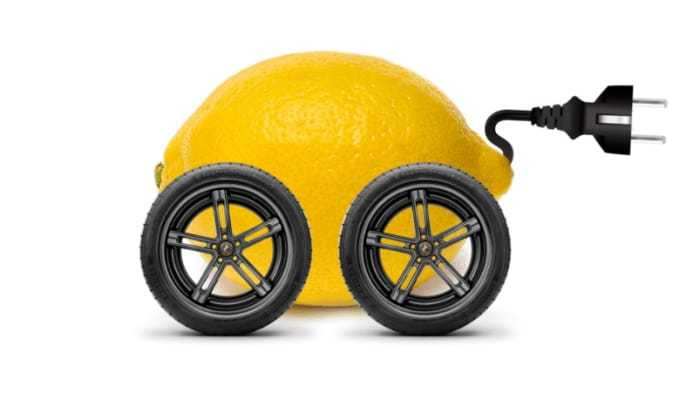
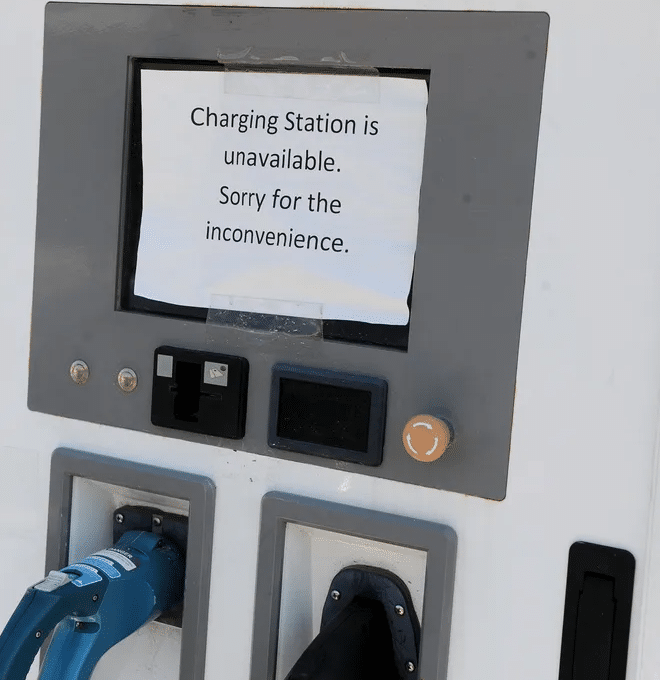
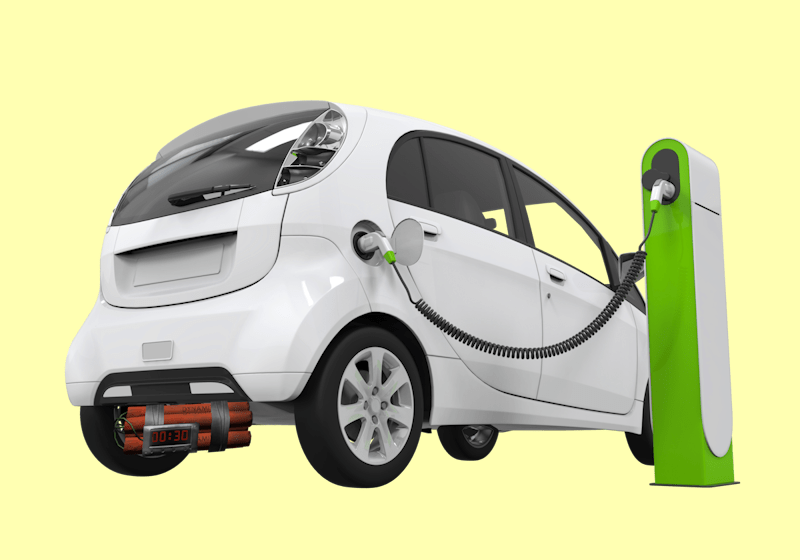
Fanatics that don’t want you to drive anything lobby Carney to keep Stalinesque EV Mandate

Environment group warns against repealing federal EV mandate

An environmental think tank is warning the federal government against repealing its electric vehicle mandate, instead suggesting that politicians should be helping to put more EVs on the road.

In a statement published Friday, Clean Energy Canada gave three recommendations to the federal government to help deliver affordable EVs to Canadians for less than $40,000.
The group, based out of Simon Fraser University in British Columbia, said Ottawa should retool its EV mandate by revisiting its near-term targets to help the auto sector “weather this temporary storm” of slumping EV sales.

Share

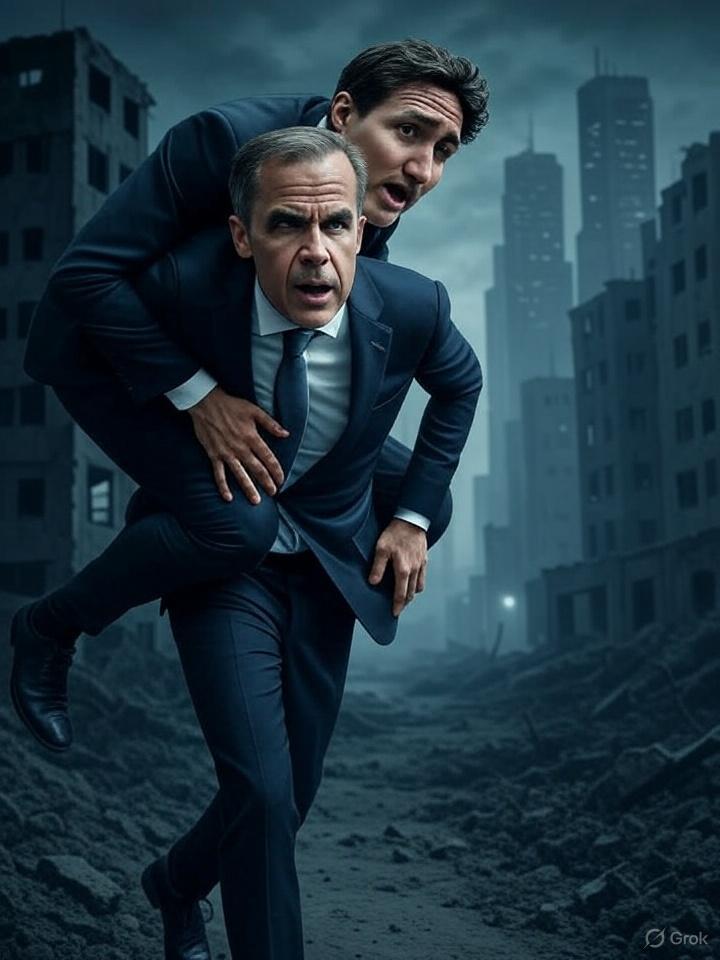
Why Mark Carney’s biggest brand asset is the Justin Trudeau contrast

In marketing, a brand’s positioning is defined by the choices consumers have. Politics operates the same way: a leader’s identity is shaped by how they differ from their rivals and the options they represent.

Right now, Prime Minister Mark Carney finds himself in a unique position. With Conservative Leader Pierre Poilievre out of Parliament since losing his seat in the last federal election, Carney’s main rival has been largely absent from the spotlight, regrouping and preparing for a return in a safe Conservative riding. This has left Carney without a direct, visible opponent in the House of Commons or in the media, giving him a clear runway and allowing his brand to flourish unopposed.

I don’t see much difference.

Share

Kelly McParland: EV mandate another fanciful Trudeau plan Carney forced to reckon with

It’s not always the unexpected that gets governments in trouble — often enough it’s their own bad judgement, poor timing or general clumsiness that gets in the way. But the unanticipated does happen a lot.

Parties and politicians put time and effort into concocting a set of policies aimed at winning votes by proposing remedies to problems identified as occupying top rungs of current voter concern. If they’re lucky they get elected, presumably intending to put those policies into effect at the earliest opportunity. Then the world shifts and pulls the rug from under them.

Share

‘Early days’ to grade Carney’s climate policies, say advocates who point to ‘welcome’ campaign pledges

Prime Minister Mark Carney’s tight-lipped approach to climate change is causing some environmental groups to question his leadership, while others say it’s too early to judge the new PM whom they say has room to live up to election pledges addressing Canada’s greenhouse gas emissions.

Since entering the Prime Minister’s Office, Carney (Nepean, Ont.) has rarely spoken about the climate. Instead, the former banker has continued to focus on economic development, sticking to what secured his ticket to office as voters flocked behind the new Liberal leader’s message of securing Canada’s future and diversifying trade relationships in response to American tariff threats. But Carney’s silence on the subject isn’t alarming to all environmental advocates—some say Carney’s record on climate prior to taking public office, coupled with “welcome” campaign commitments, suggest strong policies could be advanced when the House returns this fall.


Fellow Eco-Nutz seem happy enough with Carney so far. Not a good sign for the real world.

Share

Peter Menzies: Justin Trudeau’s legislative legacy is still haunting the Liberals

Prime Minister Mark Carney’s born-again Liberals may have thought they’d erased Justin Trudeau from their history, but, in what is likely a preview of more to come, his ghost still haunts and humiliates them.

The chains the Liberals forged during Trudeau’s life at the nation’s helm were rattled on Friday when U.S. President Donald Trump called a halt to trade negotiations, saying he had “just been informed” about his northern neighbour imposing an “egregious” digital services tax (DST).

Share

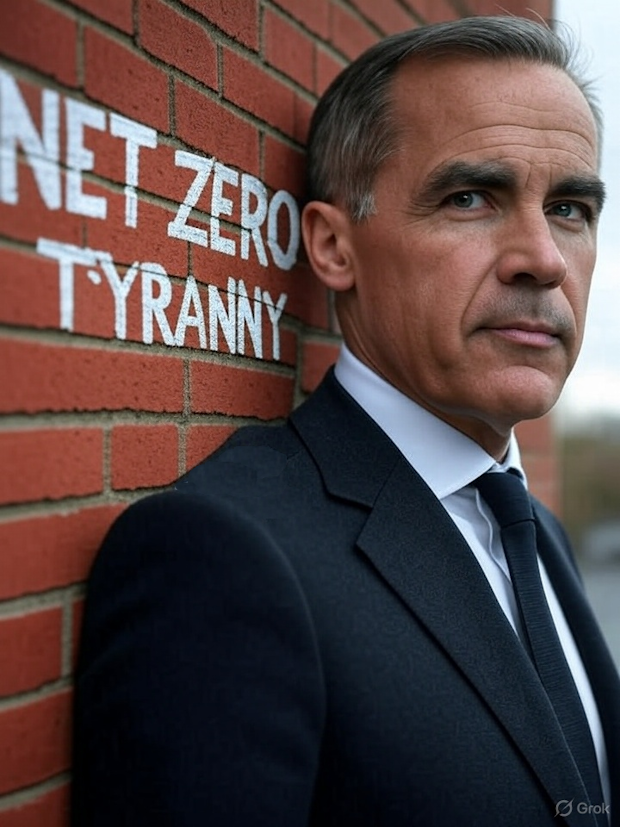
Alberta and Carney: conflict and collision — Can Alberta survive Carney’s net-zero agenda?

It should be evident to Albertans that the province is on a collision course with the federal Liberal government, driven by a fundamental disagreement: will Alberta and Western Canada be allowed to fully develop its hydrocarbon endowment, or will that economic value be lost in pursuit of the climate policy known as “net zero”?

This collision is inevitable and imminent. Net zero is difficult to reconcile with growing, or even sustaining, existing hydrocarbon production in Canada.

Sometimes you get the impression the Liberals want Alberta gone.

Share

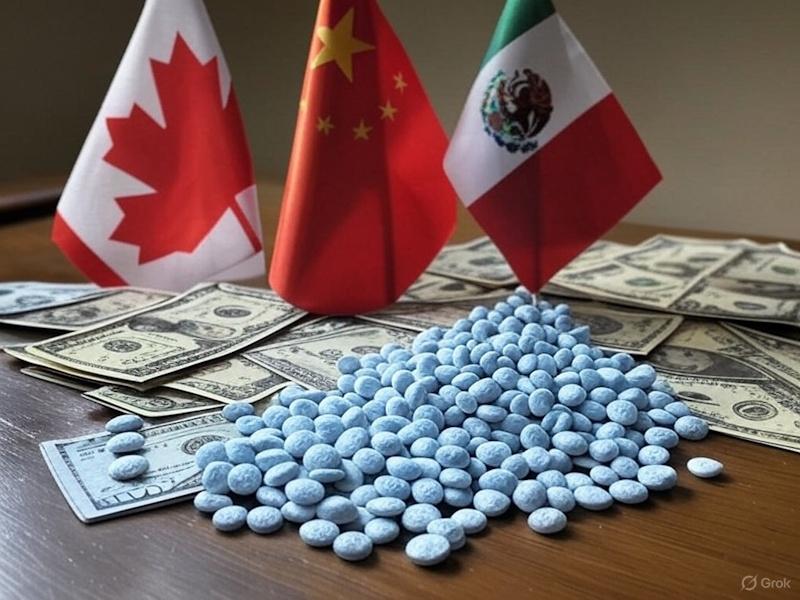
The Quiet Invasion: A Podcast Investigation into Canada’s Criminal Capture

OTTAWA/LOS ANGELES — Chris Meyer of Widefountain returns to question The Bureau on findings from The Quiet Invasion—a landmark timeline investigation into how Vancouver became a beachhead for transnational organized crime and Chinese hybrid warfare. What began in the late 1980s as low-profile infiltration by Chinese Triads has evolved into a full-spectrum crisis involving encrypted telecoms, fentanyl superlabs, and political access reaching Canada’s highest offices. In this episode, Meyer and Sam Cooper discuss the range of findings, including Canadian vulnerabilities now believed to be of deep concern to the U.S. government.

Share

Amid tariffs and falling sales, is Canada’s EV mandate doomed?

With U.S. tariffs on steel, aluminum and light-duty vehicles continuing to batter the Canadian automobile industry, the CEOs of Canada’s big three automakers are asking for a break.

They met with Prime Minister Mark Carney this week to lobby for the elimination of the Liberal government’s zero-emission vehicle (ZEV) mandate. Maintaining it, they say, will cripple their companies and put thousands of jobs at risk.

Share

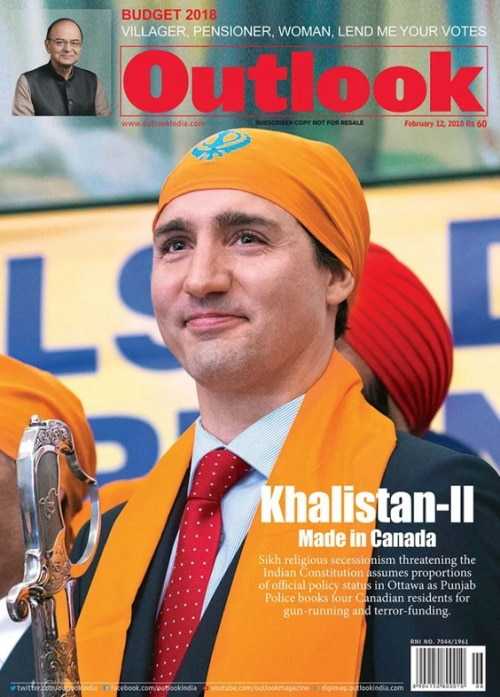
Inside the alleged Indian intelligence plot to kill Sikhs in Canada and the U.S.

Two officers with a U.S. task force, one of them a special agent with the Drug Enforcement Administration and the other a detective with the New York City Police Department, had flown to the Czech Republic for the anticipated takedown of a man wanted in an extraordinary, politically sensitive murder-for-hire case.

The U.S. officers knew exactly when their target was to arrive in Prague on a flight from India and had given all the details to Czech authorities. International paperwork requesting the arrest and extradition to New York had already been sent for their wanted suspect: Nikhil Gupta, 53, known as Nick.


Do drugs fuel Khalistan independence?

Share

Carney’s ‘Build, Baby, Build’ Faces Pushback From Indigenous Groups

“Build, baby, build.”

Canada’s spin on the mantra has been a nationalist rallying cry of Prime Minister Mark Carney: Build “Canada strong.” Build a Canada less dependent on the United States. Build an “energy superpower.”

That means to build, and quickly, projects of national interest that could include oil pipelines, nuclear facilities, mines, power grids, ports, roads and railways — all of it to create a stronger domestic economy and increase trade with countries other than the United States.

Share

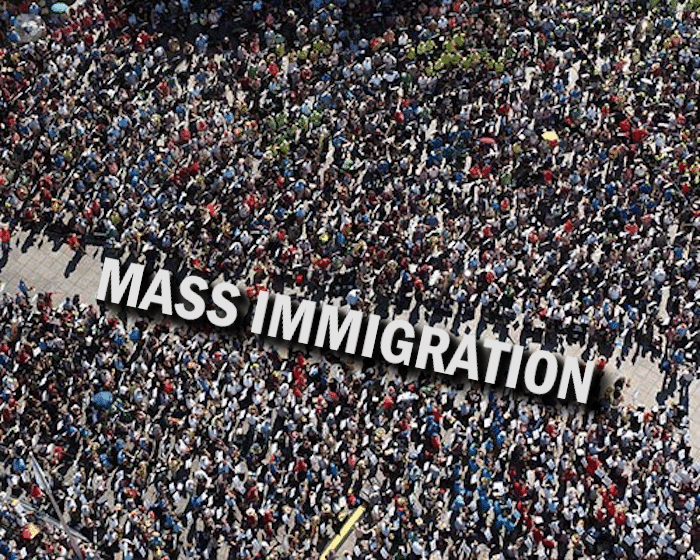
Emigration up, immigration down: Trends contributing to slower population growth, says StatCan

The number of people leaving the country has been slowly increasing in recent years, according to recent data from Statistics Canada. Meanwhile, immigration levels are down in the wake of federal reductions. Both these trends are contributing to a larger picture of significantly slowing population growth, according to StatCan analysis.

StatCan includes Canadian citizens and permanent residents when it refers to emigration or emigrants — folks who leave Canada to reestablish their permanent residence in another country.

Share

Federal deficit projected to soar to $92B this year: ‘Unfair to pass these burdens on,’ C.D. Howe Institute says

OTTAWA — The Carney government is poised to post a massive deficit of more than $92 billion during this fiscal year, a new report from a well-respected financial think tank projects, almost double what was forecast just a few months ago by a non-partisan arm of the government.

Share

Canada’s immigration system must put national security ahead of applicants: Expert

OTTAWA — Canada’s immigration framework needs to put national security ahead of the interests of applicants.

That’s among many issues experts say need to change as Canada wrestles with what they say is decades of ineffective and damaging immigration policy, as the country deals with increased global security threats from bad actors.

h/t Auntie Polly

Share