
Even plastic cows aren't safe. pic.twitter.com/dM3vWd9EY5
— RadioGenoa (@RadioGenoa) November 22, 2025
Even plastic cows aren't safe. pic.twitter.com/dM3vWd9EY5
— RadioGenoa (@RadioGenoa) November 22, 2025
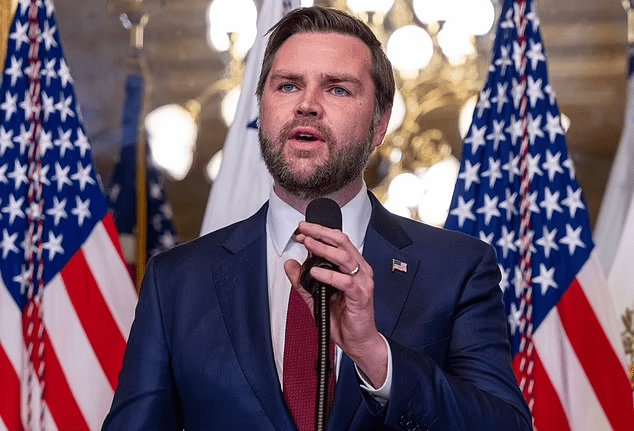
When a US Vice-President decides to wade into Canadian politics, most of our politicians reach for the smelling salts.
JD Vance did more than that this week.
An Iman in South Florida breaks down in TEARS, because people were eating bacon while he was praying..
“After the prayer ended we looked up to see them taunting us in our faces with bacon..” pic.twitter.com/KyQ1OvjWez
— American AF (@iAnonPatriot) November 22, 2025
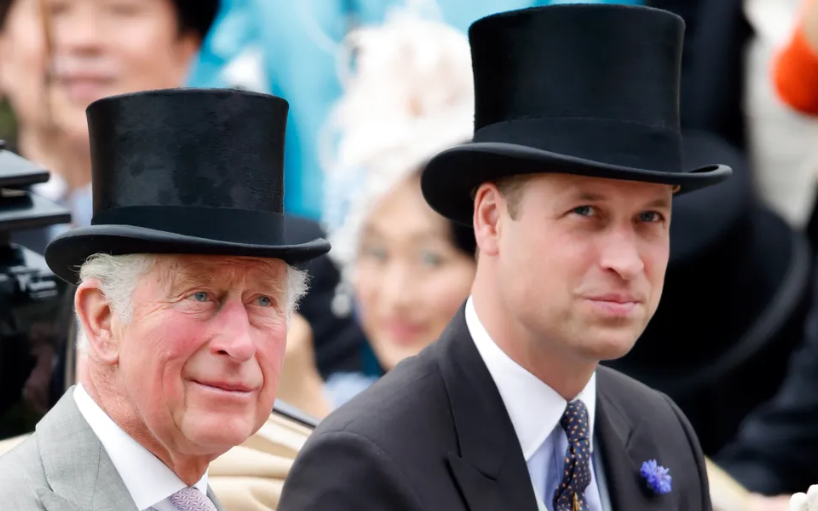
In 1760, the British monarchy was effectively bankrupt. Up to that year, when George III inherited the throne, the monarch had been responsible for meeting the increasing costs of a wide range of public services, including the army and the civil service.
So a deal was reached whereby responsibility for most of these matters was transferred to parliament and, to fund these services, the revenues from royal landholdings in what is now known as the Crown Estate were surrendered to parliament, so in effect to the public.
Henceforth, a civil list would provide an annual income to the monarch from the public purse to enable royal duties to be carried out. In 1760, this was set at the generous level of £800,000 a year.
In Ireland a migrant tries to steal the tools of a skilled worker who stops him in his underpants.
My God he certainly gets a hiding. pic.twitter.com/F4rb770qGi
— Benonwine (@benonwine) November 22, 2025
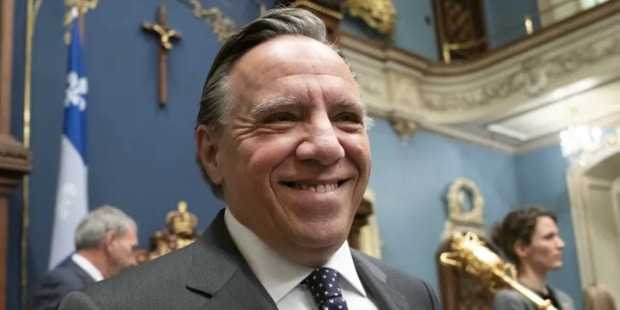
Quebec Premier François Legault took many by surprise when, last month, his government introduced a proposed constitution for the province aiming to reflect its “distinct national character.”
The constitution, he said, would protect the common values of the province, including the French language, secularism, the right to an abortion and equality between men and women.
But in the weeks since, the legislation has been the subject of growing consternation among legal experts and civil liberties groups, who warn it would centralize power, weaken judicial oversight and infringe on individual freedoms.

Seven bodyguards have been arrested over their alleged involvement in the murder of a popular Mexican mayor, authorities have said.
Carlos Manzo, the mayor of Uruapan and an outspoken critic of cartel violence, was shot dead on 1 November at a public event marking the Day of the Dead.
The office of the attorney general of Michoacán state said in a brief statement that the public servants had been detained “for their probable participation in the crime of aggravated homicide, in commission by omission” in relation to Manzo’s killing.
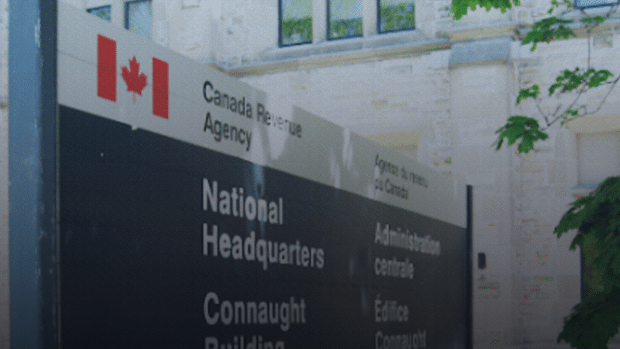
First-year university students don’t expect to pass when they get 17% on their final exam.
Yet, Prime Minister Mark Carney is rewarding the Canada Revenue Agency’s poor performance with more power over taxpayers.
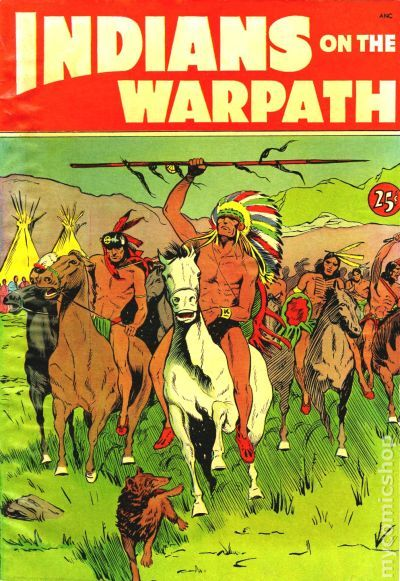
This is from a story about the scalping of British settlers and militia by Mi’kmaq warriors in what became known as the “Dartmouth Massacre” on May 13, 1751, from John Wilson’s eyewitness account: “These Indians chain the unfortunate prisoner to a large thick tree, and bind his hands and his feet, then beginning from the middle of the craneum, they cut quite round towards the neck; this being done, they then tear off the skin, leaving the skull bare; an inflammation quickly follows, the patient fevers, and dies in the most exquisite tortures.”
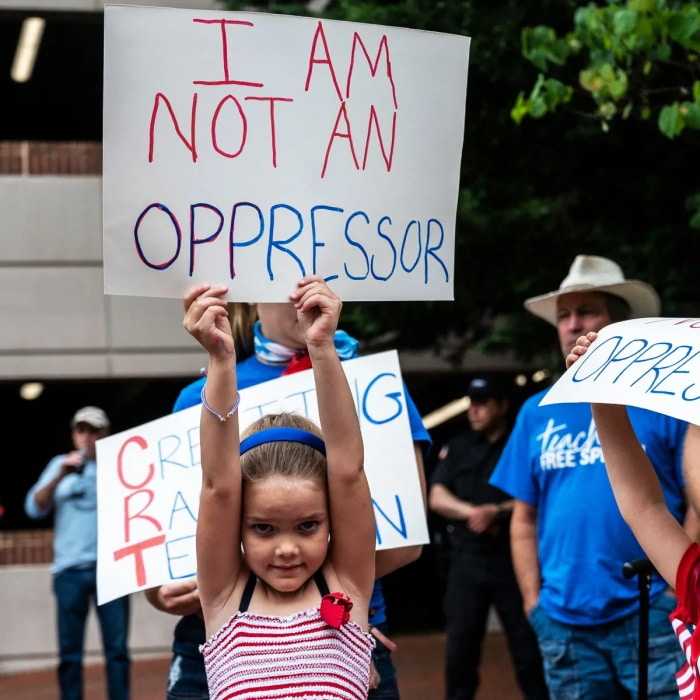
According to the Critical Race Theory, one sole race is targeted as “oppressor,” while another is “oppressed.” It falsely and negligently paints good and evil as relating only to black and white races. It slanderously and racistly describes the entire white race as “oppressors” and the entire black race as “oppressed.” Such fabrications and mendacities deserve to be labeled “hate speech.” There has been pushback on this theory, but not enough nor as publicly as it deserves.
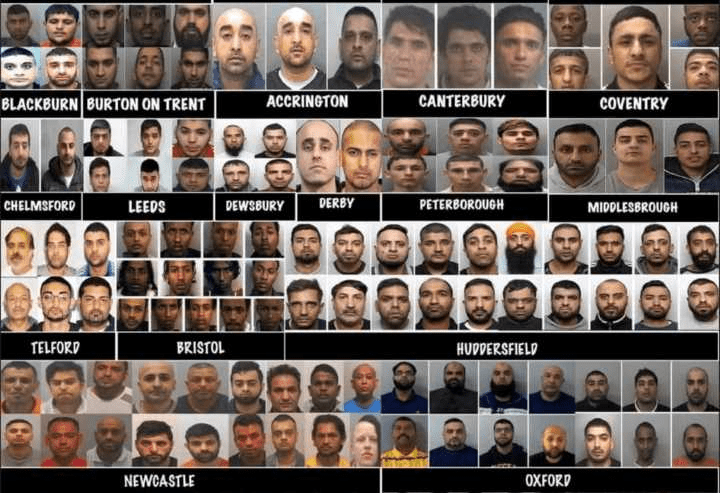
The many prosecutions of grooming gangs have shocked the UK public. There is the sheer scale of the abuse, in which thousands of abusers have raped, intimidated, controlled, tortured and sexually exploited thousands of underage girls. Also shocking are the repeated failures of both the criminal justice system and numerous reviews to bring about lasting change.
The expression ‘grooming gangs’ has been challenged, as it could be taken to imply some kind of consent. Although ‘rape gangs’ is not inaccurate, ‘grooming gang’ does capture the element of psychological control over victims, many of whom have been subjected to repeated rapes over an extended period of time.
Two First Nations are suing the Manitoba and federal government, claiming land and mineral rights to the southwest corner of the province, where the annual value of oil and gas produced exceeds $1.3 billion.
Canupawakpa Dakota First Nation and Dakota Tipi First Nation filed a statement of claim in Court of King’s Bench on Thursday, asking for a declaration of title and subsurface rights over the entirety of the Williston Basin in Manitoba, including oil rights “and the right to economically participate in the extraction, development, and production of subsurface minerals.”
The lawsuit says the area is unceded ancestral land, and the Dakota were “deliberately and strategically excluded from the numbered treaties,” meaning their inherent rights, including title, have never been relinquished.
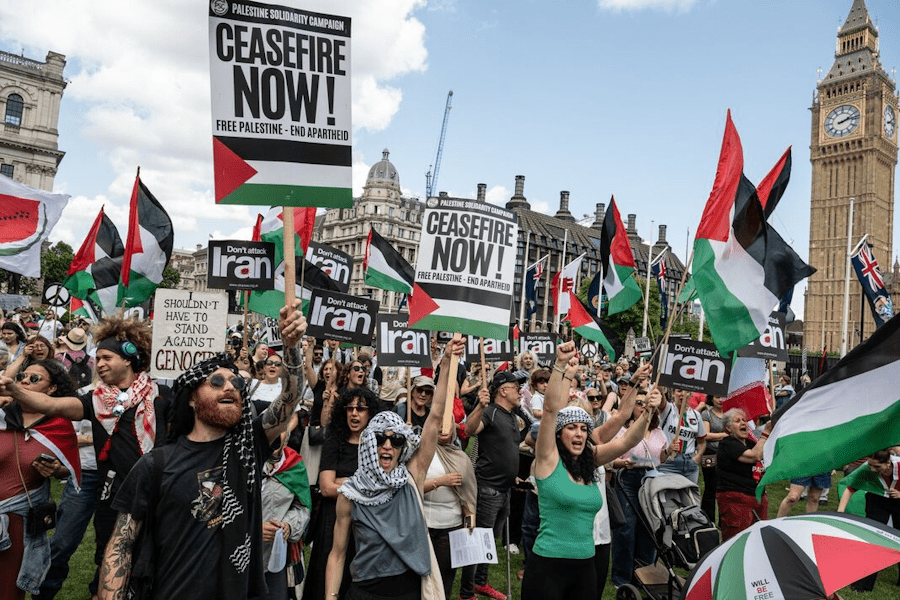
Anti-Semitic conspiracy theories have infested British universities.
An easy definition of anti-Semitism is treating Jews as though they are different to other people, whether that is holding them to different standards or discriminating against them. The same is true of the way Israel is treated. If you hold the one Jewish country in the world to different standards than other countries, or if you deny the Jewish people the right of self-determination, then you are anti-Semitic.
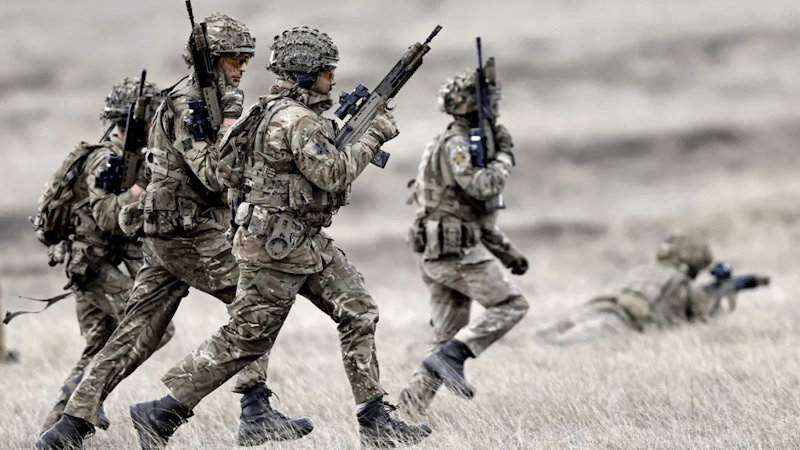
BRITAIN is not ready to defend itself from attack, says the Commons Defence Committee. Their report details the lack of missile defence, a Royal Navy depleted of ships and available submarines, an Army shrunk to its smallest since the Napoleonic Wars with only slightly more than 70,000 fully trained soldiers, not enough even to protect some of the UK’s most sensitive military bases.
The question that needs answering is why? Why has the armed forces ability to defend our country crumbled? Why are more personnel leaving than joining, and why do those left behind over-represent the lowest-capacity personnel?

Museums are Canada’s greatest stewards of public history. But in the past decade, increasingly overbearing cultural policies have rewritten their mandates. Once dedicated to simply telling the truth, they now have an agenda to push.
It’s subtle, but a lot of museums are open about it nevertheless. The federal Canadian Museum of History’s diversity, equity and inclusion plan states that it will “allocate resources strategically to bridge gaps” to “ensure better representation of equity-deserving groups.” Calgary’s Glenbow Museum announced its new land acknowledgement in September: “Blackfoot land, your territory.”
