

Canada’s pace of vaccine roll-out is improving, but data reporting on excess deaths – perhaps the most important pandemic performance metric – is months behind almost every other country in our COVID Misery Index.
Canada’s pace of vaccine roll-out is improving, but data reporting on excess deaths – perhaps the most important pandemic performance metric – is months behind almost every other country in our COVID Misery Index.
JUST IN – Ontario Premier Doug Ford chokes up as he apologizes for draconian lockdown measures: "I'm sorry, and I apologize to each and every one of you," he said Thursday morning. pic.twitter.com/Xp8e6dDQgw
— Disclose.tv 🚨 (@disclosetv) April 22, 2021

The race to move patients and open beds within reach of Ontario’s most taxed ICUs has become a complicated web and a snapshot of a province’s health-care system on the verge of breaking amid the third wave of the pandemic.
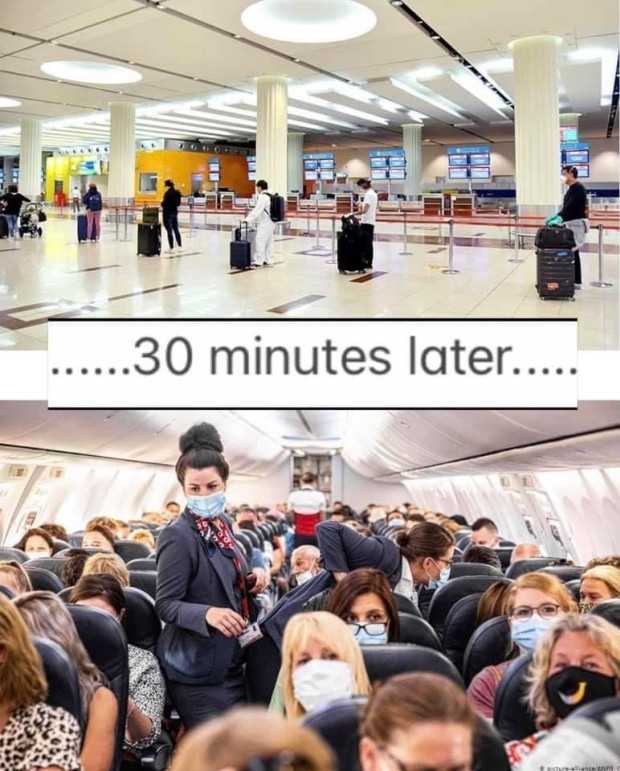
“We know that, with viruses, it’s practically impossible to prevent new variants from arriving here in Canada,” said deputy chief public health officer Dr. Howard Njoo, speaking in French during a COVID-19 update on April 21.
Especially when you don’t even try.
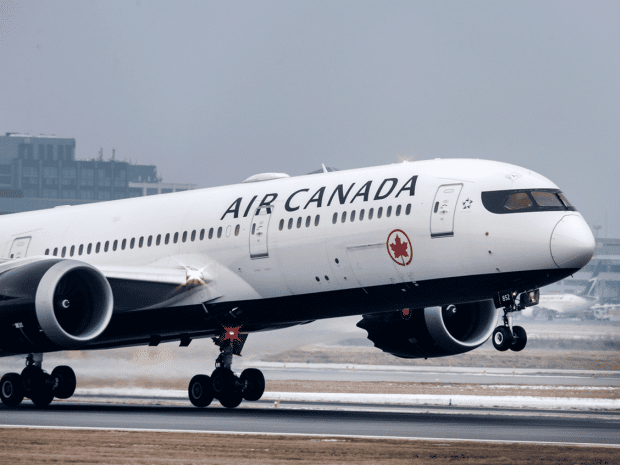
The aggressive P1 variant is every parent’s worst nightmare, but there are no efforts being made to corral it west of the Rockies.
A day after a software error wiped out wireless services for thousands of Rogers customers across Canada, consumers, telecom executives and critical public services still have questions as to what exactly happened and how it can be avoided in the future.

Every single Ontario municipal police force told the provincial government they would not be conducting random stops of citizens to enforce the province’s stay-at-home order, forcing the province to walk back its directive to police. Yet even so, the government didn’t apologize for throwing civil liberties out the window, True North’s Andrew Lawton says.

Between April 1-17, 40 COVID-positive flights from Delhi landed in Canada — mostly in Toronto, but also many in Vancouver. This is on top of 26 flights from the U.S., 14 from the UAE, 11 from France, nine fromTurkey, and seven each from Germany, Qatar, and the Netherlands.

Ottawa’s mayor says he doesn’t think police border checkpoints on the interprovincial crossings between Gatineau and Ottawa will last the week, slamming them as “impractical and unnecessary.”

Entry of the deadly Indian ‘double mutant’ COVID-19 variant into this country could prove catastrophic.

According to sources close to O’Toole, very few people within the party knew about the new climate plan until it was reported by the media.

Surely there must have been people in cabinet, in caucus, who could have told Ford he was yet again courting disaster. Instead he blundered straight into it.

Where the hell do I even begin?
That’s not really a rhetorical question. The past 72 hours in Ontario have been, with no exaggeration, the most bizarre three days I’ve ever covered — or even witnessed. There are four or five different columns I could write about it, and all would cover some entirely distinct, eye-popping angle. There’s the “dozens of police forces refuse premier’s offer of power to arbitrarily stop and interrogate any citizen without limit” column. There’s an entire column about what the new police powers — even the lesser, revised versions — mean. There’s a border-closure column. There’s a column about the insanity of closing playgrounds. There’s a column about the volcanic eruption of public anger after the new emergency measures were announced on Friday. You could do an entirely separate one just on the astonishing outpouring of on-background-only and off-the-record wailing and horror by Progressive Conservatives themselves, the likes of which I have never seen.

Hospitals are shifting critically ill patients around, looking for any empty bed. Nurses and doctors are putting in exhaustion-defying amounts of overtime. Some provinces are opening new intensive care unit capacity.
But it may not be enough to stave off a point no one wants to reach in the pandemic — when only a handful of ICU beds remain but a greater number of patients need those spots.

Canada has signed away its future. A country that once had a great deal going for it—abundant natural resources; a vibrant energy sector; a viable debt-to-GDP ratio; a tradition of civic decorum maintained even during a brief period of Quebec-secessionist discord; an aversion to foreign adventures; and a commendable standard of living, among the highest in the world—has squandered its many advantages and blessings in an excess of poor electoral decisions and civic indifference to its national welfare.
Of course, like any country, Canada has had its share of problems—language issues between French and English, a much-abused, asymmetrical equalization or fund-transferring formula between provinces, the Native victimhood industry—but it had managed to deal with them without protracted or endemic violence such as one sees in many other nations.
But there is no doubt that the country is dying.
h/t Marvin
