Why do governments exist? There must be a better reason than simply providing well-paid jobs for people who enjoy bossing others around.
Philosopher John Locke offered one of the clearest answers when he wrote in 1690 that the “great and chief end” of government is “the preservation of … property.”
Last week, the Irish government released a St. Brigid’s Day video that mocks the Catholic saint while celebrating abortion and gay marriage. The video shows a cloaked figure—a pagan witch—carrying fire from one feminist milestone to the next, boasting images from when Ireland redefined marriage and created a constitutional right to abortion. The Irish government elite confused (or conflated) the Catholic saint with an old Gaelic goddess of the same name. This was not merely a mistake. It is the latest example of the elite’s contempt for Ireland’s Catholic heritage.
Canada is not in crisis because it is under siege from hostile foreign powers. Nor is it a victim of some unavoidable global conspiracy or historical inevitability. Canada’s predicament is far more unsettling as it is largely self‑inflicted. The country is struggling because too many of its leaders — and too many citizens — are trapped in an acute and dangerous form of denialism about the nation’s vulnerabilities, its declining institutional capacity, and the cumulative consequences of decades of misguided political, economic, and social decisions.
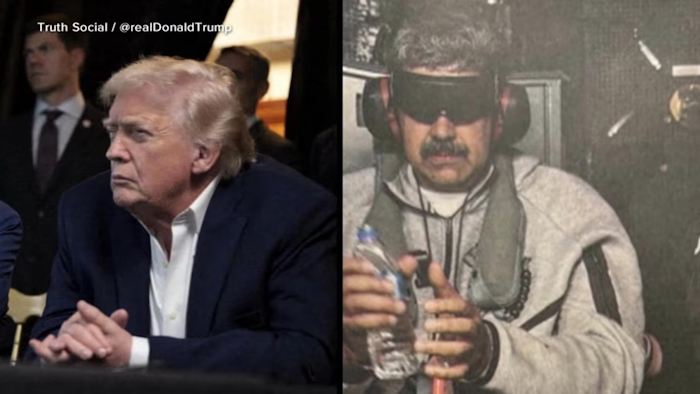
From the very start, there was something weird about Operation Absolute Resolve. The official story went something like this: after a whirlwind air attack, which included the use of suicide drones for the first time, special operators from the US Army’s renowned but shadowy SFOD-D unit (“Delta Force”) were helicoptered into the Fuerte Tiuna military complex in the south of Caracas, the capital of Venezuela. They defeated the local garrison, used “massive blowtorches” to breach heavy metal doors in a fortress-like residential site within the base, captured the President of Venezuela, Nicolás Maduro, and his wife, then spirited them back to the helicopters and flew them out to face charges in the United States. Donald Trump said it had been “an assault like people have not seen since World War Two.”
Here’s the truth about the housing crisis in Canada: it is no longer just a policy problem. It is becoming a political identity problem.
A new national survey conducted by Abacus Data in partnership with the Canadian Home Builders’ Association (CHBA) finds that Canadians have not given up on the dream of homeownership. In fact, it remains deeply rooted. Seven in ten non-homeowners (70%) still say they want to own a home someday, including nearly nine in ten young adults aged 18 to 29 (89%) and 80% of those aged 30 to 44.
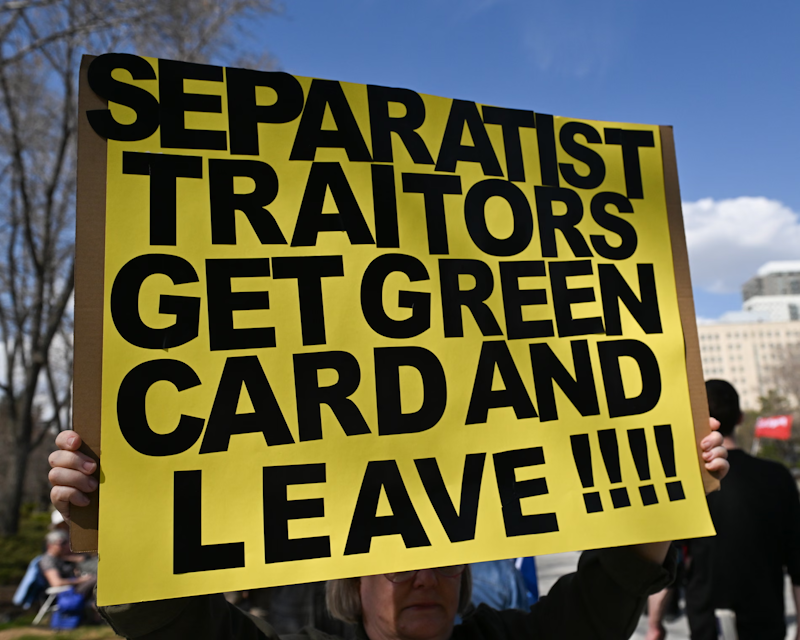
While Quebec parties have long sought independence, the secret meetings by unelected Albertans with US officials have been branded treasonous by some
A separatist push for a referendum on independence from Canada. Meetings with foreign officials perceived to be sympathetic to their cause. Accusations of treason and sedition.
Ahead of a 1995 referendum, leaders of Quebec’s independence movement made a string of provocative overtures to foreign governments, including a trip by the province’s premier to France. In a move that outraged anglophone Canada, the mayor of Paris gave Quebec’s Jacques Parizeau a welcome befitting a national leader.
In New Jersey, USA, it's usually best to drive 80 mph in white-out conditions. It gives you great content for all the trashy shows that come from the hell-hole.
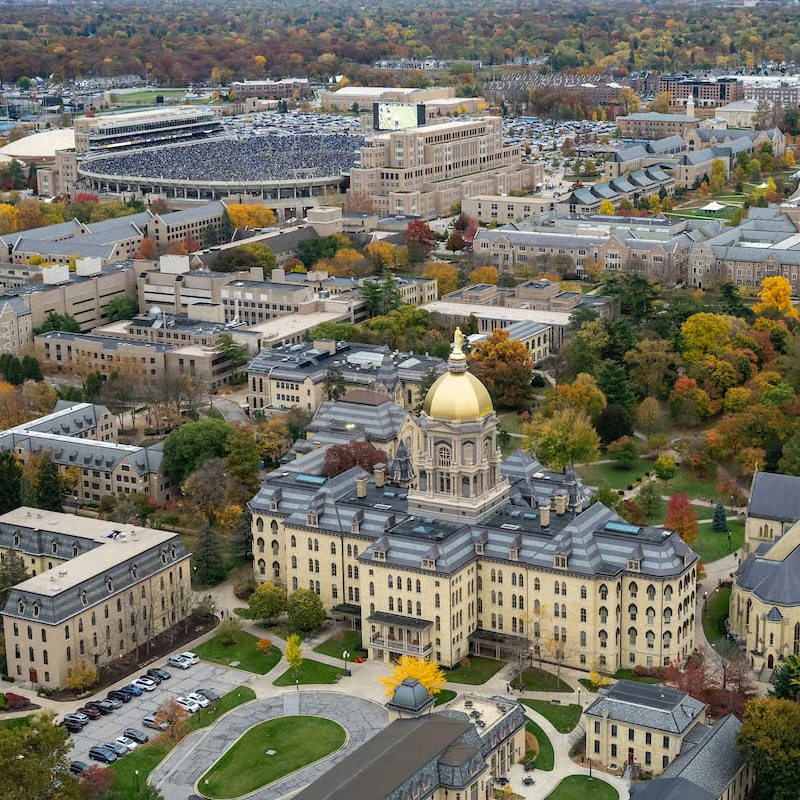
A Catholic university forgets what it is and loses its soul.
One of the nation’s premier Catholic universities has disgraced its legacy and heritage by appointing a controversial pro-abortion professor to a prestigious role. Now, Catholic students are speaking out.
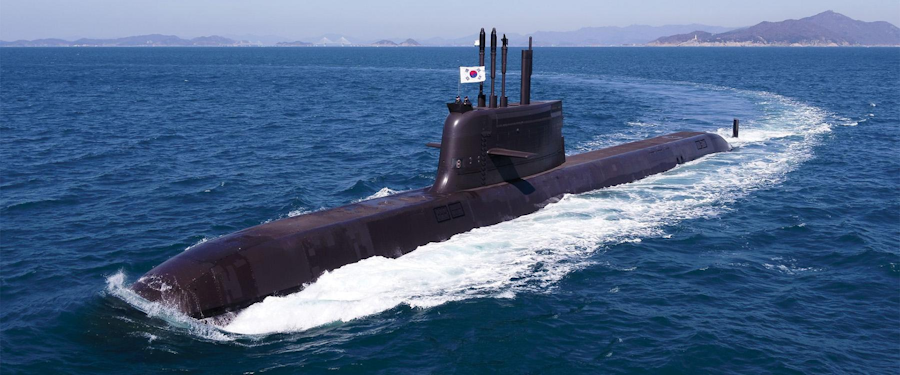
SEOUL, South Korea – On a packed bullet train heading towards Seoul, the face of Stephen Fuhr, Canada’s secretary of state for defence procurement, suddenly appeared on monitors in each of the 18 train cars.
In a four-minute news story, Fuhr was shown touring Hanwha’s shipyard in Geoje, along with more than 20 Canadian CEOs along for a trade mission.
Over two days, the delegation visited multiple industrial sites and the Republic of Korea’s (ROK) submarine command base. The event was widely covered by South Korean media, and is an indicator of the importance the Republic has placed on winning the massive contract to build Canada’s next generation of submarines.
US President Donald J. Trump’s Gulf Arab allies, according to the New York Times, oppose an American strike on Iran primarily out of fear of regional instability and the possible damage to economies, tourism, and domestic security.
While this explanation may sound credible on the surface, a deeper and far more uncomfortable reality is that for several of these regimes, the real danger is not Iran’s collapse, but an ideological exposure that could follow decisive American action, as well as concern about Israel becoming more prominent in the region.
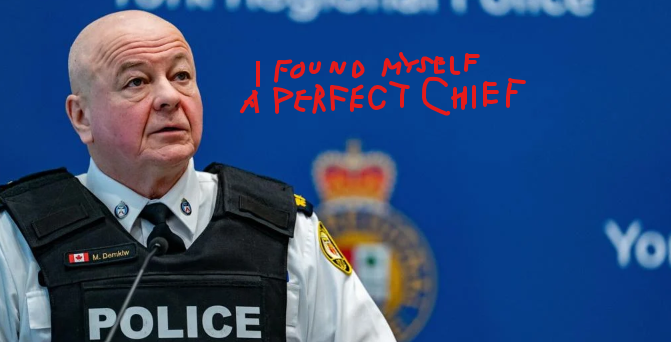
Give him this much. When he appeared before the media Thursday, Myron Demkiw sounded shook. And who can blame him? The Toronto police chief wasn’t announcing just any scandal, along with his colleagues from York Region. No, the rot Demkiw laid out — alleged corruption, organized crime, drug dealing, links to attempted murder — is the kind of stuff that can stain a department for generations.
“This is a painful and unsettling moment,” Demkiw said, his always gravelly voice nearly breaking. “It needs to be addressed openly and it needs to be addressed honestly.” Demkiw said that last word — honestly — staring straight down at his notes. It crackled as it came out of his mouth: honestly. He barely got it out.