Iran Acquires 2.5 Million Acres of Venezuela

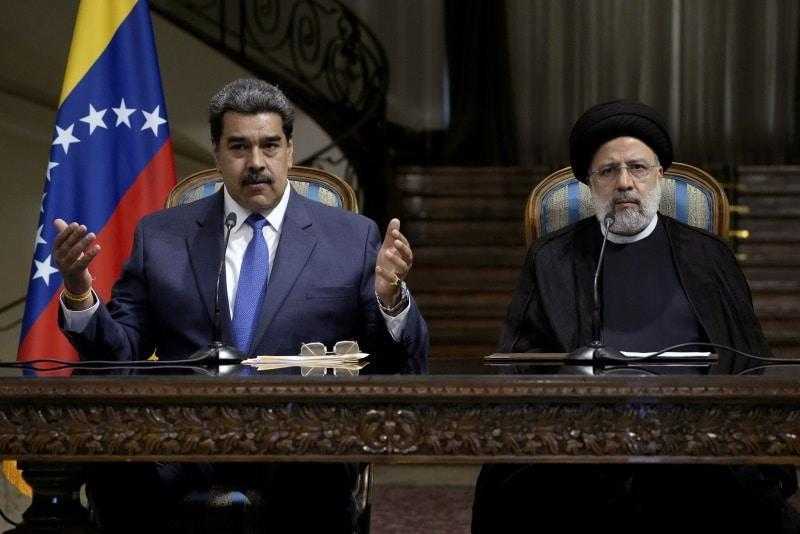
Venezuelan President Nicolás Maduro this June during a visit to Iran signed a multidimensional, 20-year cooperation treaty. The pact includes agreements on science and technology as well as deals on agriculture, communications, culture and tourism. The Maduro regime’s startling provision of one million hectares (roughly 2.5 million acres; nearly 4,000 square miles) of farmland to Iran was kept under wraps until Iranian agrarian economist Ali Revanizadeh disclosed it to the Venezuelan media.

Share

Venezuela Is Becoming a Chinese and Russian Cyber Hub on America’s Doorstep

In the last decade, Venezuela has quickly become a hub for Russian and Chinese cyber technologies in the Western hemisphere. In an effort to expand its grip on power, the Maduro regime in Caracas has allowed the country to become a laboratory for digital surveillance and authoritarian social control. Moscow and Beijing are thus able to project their global ambitions into the Western hemisphere by sending their cybersecurity know-how and infrastructure to Venezuela. In other words, it’s a win-win exchange for both sides as they carve out an anti-American cyber partnership in Latin America.

Share

Former New York Times Reporter Denies in New Book That Hugo Chávez Was a Socialist

A new book vividly portrays human beings coping with daily existence in a disintegrating society but offers an incoherent analysis of what went wrong.

The Bolivarian Cable Train was an elevated railroad planned for a poor neighborhood in Caracas, Venezuela. It ended up running for only three-fifths of a mile and connecting to nothing.

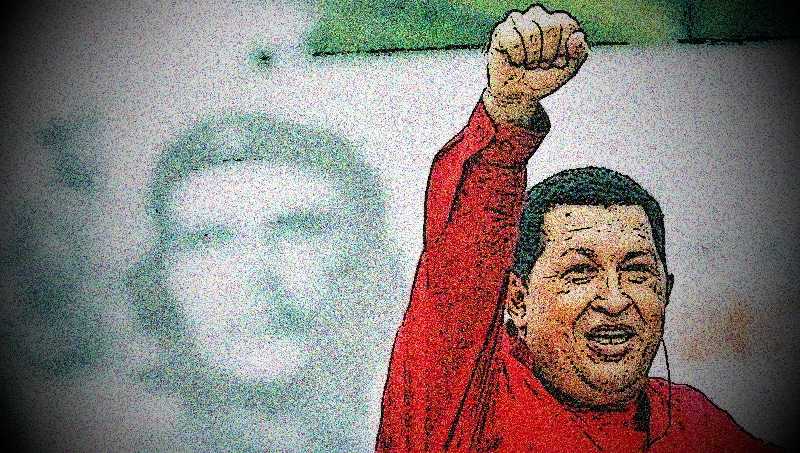
By 2012, four years into the project, the government had spent about $440 million on it and the project was only partly finished. But the country’s socialist leader, Hugo Chávez, decided that he wanted to take a ride on live television. The contractors told his handlers the train wasn’t ready yet; the cable, motors, and machinery had not even been installed.

Share

Rick Scott: Biden Is Making Iran, Venezuela Our Partners ‘To Save our Economy’

On Monday’s broadcast of CNBC’s “Squawk Box,” Sen. Rick Scott (R-FL) criticized the Biden administration for reportedly looking to boost energy production in Iran and Venezuela and stated that doing so would make the authoritarian Maduro regime and Iran’s dangerous regime partners “to save our economy” and argued that every day America waits to boost domestic energy production, “continues to put us in an awkward position.”

Share

Venezuelan Socialists Hate American Culture So Much They Can’t Stop Ripping It Off

CARACAS — For years, the socialist regime of Venezuela has attempted to wage an ideological war against the United States and its “imperialist and capitalist anti-values” that, according to them, are the root of all of Venezuela’s cultural and societal problems.

For the past two decades, superheroes such as Superman, Batman, or Captain America have not been exempt from the Revolution’s criticism — yet, like the U.S. dollar that’s holding the country together, the socialist regime sure loves to embrace these icons of American media … by plagiarizing them.

Share

A glimmer of hope in Venezuela

The news in our country and abroad has been relentlessly bad ever since we entered the calamitous Biden Era just months ago, but there are a few hopeful signs out there still.

One of the best is a story receiving almost no coverage in the larger press: the Venezuela elections this November. The democratic opposition has agreed to participate after years of boycotting the Maduro regime’s rigged voting. The EU will send a large team of election monitors and Maduro has already been releasing some political prisoners in a bid to end sanctions. Some are even predicting Maduro would be willing to retire from office at the end of his current term in 2024.

Get back to me when Maduro is toppled.

Share

‘I didn’t eat for days’: hunger stalks Venezuelan refugees

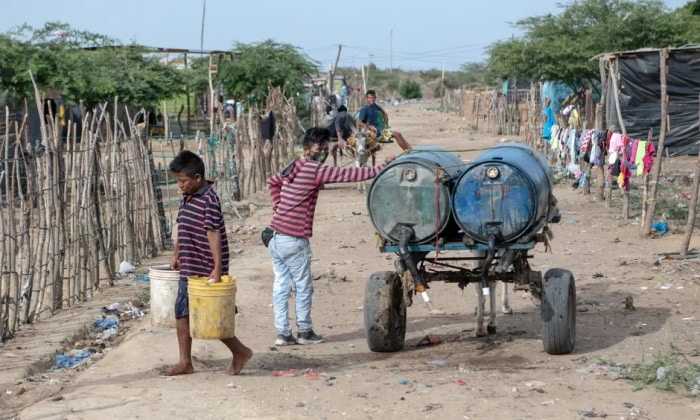
A seemingly endless lake of cardboard and tin shacks surrounds the perimeter of a former airport runway in Colombia’s desert-like city of Maicao. Known locally as La Pista, the area is home to more than 2,000 families, and is one of 44 informal settlements to have emerged around the city in the past two years.

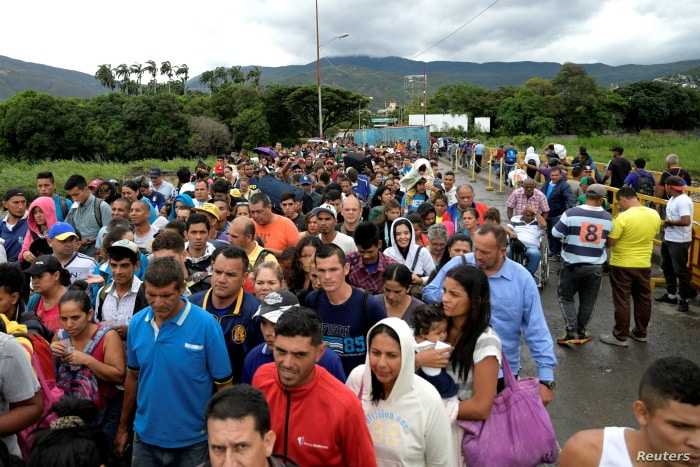
The old airport has become a landing strip for desperate migrants and bi-national indigenous Wayuu people fleeing the economic and political crisis in Venezuela, where the basic essentials of life are hard to come by.

Share

‘Latin America will never be the same’: Venezuela exodus reaches record levels

The continuing exodus of millions of Venezuelans is reaching “a tipping point” as the response to the crisis remains critically underfunded.

More than 5.6 million have left the country since 2015, when it had a population of 30 million, escaping political, economic and social hardships. It has become the largest external displacement crisis in the region’s history, and the most underfunded.

Share

Iranian Warship Thought to be Headed to Venezuela Left Port with 7 High-Speed Missile Boats Aboard

The seven missile craft aboard Makran are each approximately 57 feet (17.5 meters) long and match the Peykaap family of medium-sized fast attack craft operated by Iran. There are several variations of these craft in Iranian service, although all are generally similar. The latest Peykaap-II type (also known as the Bavar class) is 57 feet long and can carry two anti-ship missiles and two 12.75 inch torpedoes. The missiles could be of the Kowsar or Nasr types, which are derived from Chinese models with a quite modest range of around 18 nautical miles.

Share

Venezuela: Police raid last anti-Maduro newspaper

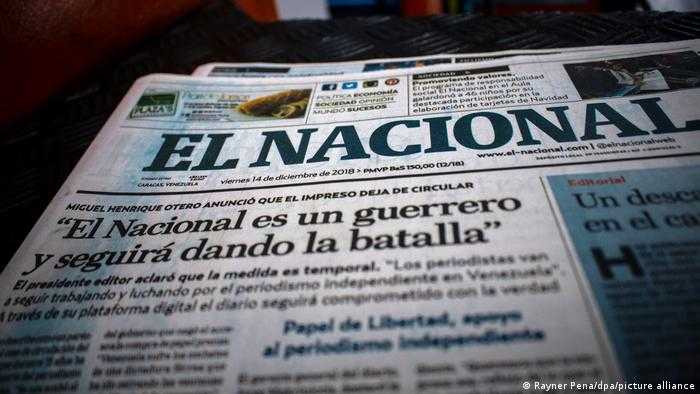
Venezuelan authorities seized the main offices of the anti-government El Nacional newspaper on Friday after the media organization failed to pay a $13 million (€10.7 million) fine related to a defamation ruling.

Venezuela’s Supreme Tribunal of Justice (TSJ) ordered the paper to pay the fine last month, ruling on a 2015 lawsuit against the outlet filed by Diosdado Cabello, a lawmaker and member of the ruling United Socialist Party of Venezuela.

Share

Swiss banker to Venezuelan kleptocrats becomes star witness

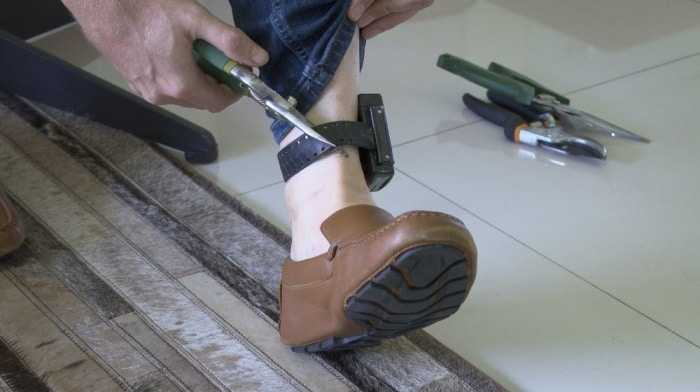
MIAMI (AP) — Matthias Krull pulls up his pant leg and slides a gardening shear on the ankle monitor that for two years has been a constant reminder of his crimes.

…Krull’s troubles stem from his time as a banker in Venezuela, a nation that has been plagued by epic corruption in two decades of socialist rule, first under the populist President Hugo Chávez, then his handpicked successor, Nicolás Maduro. During that time, Krull, who worked for the Julius Baer Group, played a singular role as the go-to private banker for the so-called Bolichicos — the privileged offspring of Venezuela’s Bolivarian revolution — as they looked to shuttle their overnight fortunes offshore. Among his would-be clients: Maduro’s stepsons.

Share