Xi and Putin urge NATO to rule out expansion as Ukraine tensions rise

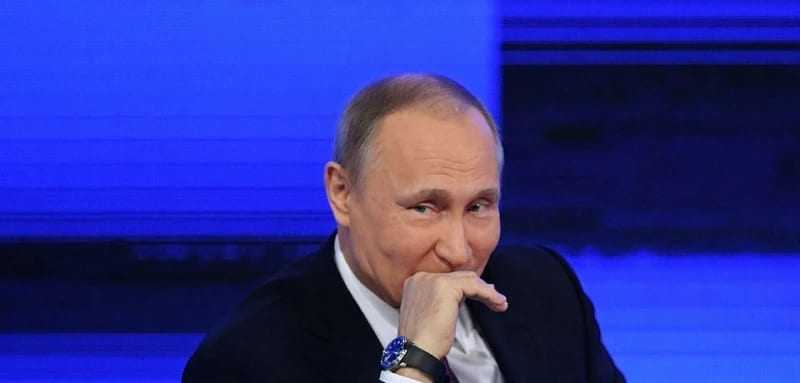
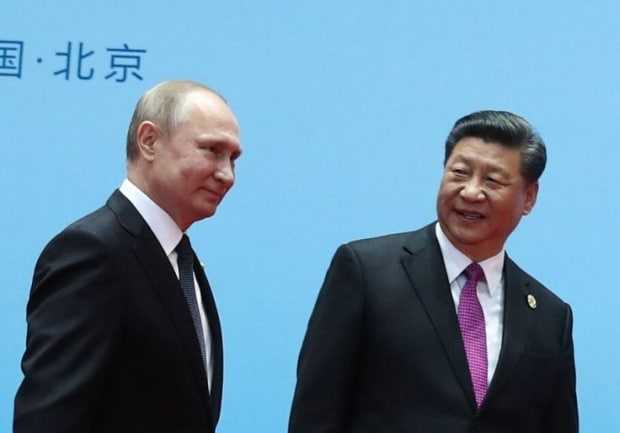
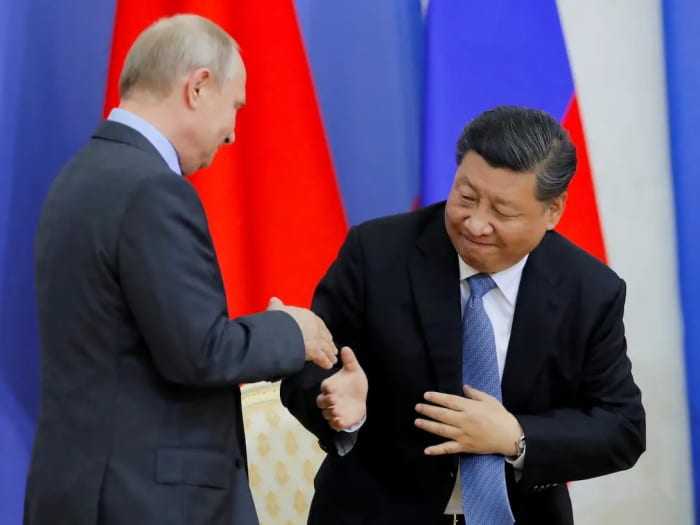
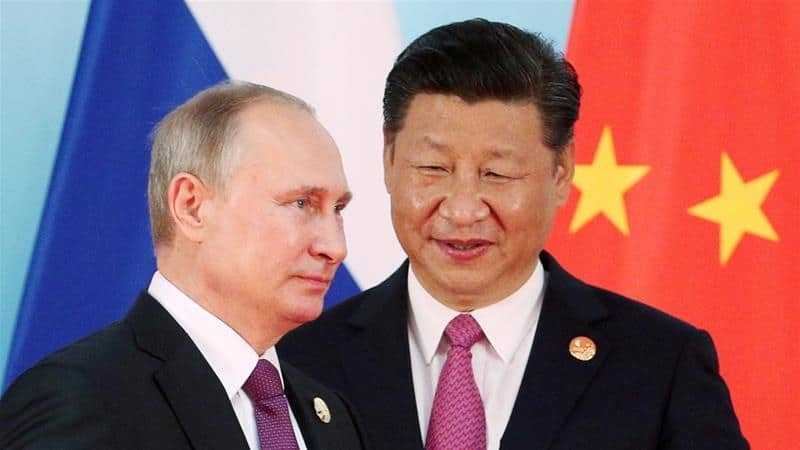
China’s Xi Jinping and Vladimir Putin of Russia have signed a joint statement calling on the west to “abandon the ideologised approaches of the cold war”, as the two leaders showcased their warming relationship amid a tense standoff with the west before the Beijing Winter Olympics.

In the joint statement released by the Kremlin, Putin and Xi called on Nato to rule out expansion in eastern Europe, denounced the formation of security blocs in the Asia Pacific region, and criticised the Aukus trilateral security pact between the US, UK and Australia.

The two leaders met for the 38th time since 2013. The two countries also pledged to step up cooperation to thwart “colour revolutions” and external interference, and vowed to further deepen “back-to-back” strategic coordination.

Share

China: What does it want from the Ukraine crisis with Russia?

As the war of words between the US and Russia grows louder over Ukraine, one major player on the international stage has spoken up firmly as well: China.

In recent days, Beijing has called for calm on both sides and the end of a Cold War mentality, while also making it clear it supports Moscow’s concerns.

It would seem obvious that China would side with its longtime ally and former Communist comrade Russia. But how and why it is doing this goes deeper than their history.

Share

U.S. says new intel shows Russia plotting false flag attack

WASHINGTON (AP) — The U.S. accused the Kremlin on Thursday of an elaborate plot to fabricate an attack by Ukrainian forces that Russia could use as a pretext to take military action against its neighbor.

Pentagon spokesman John Kirby said the scheme included production of a graphic propaganda video that would show staged explosions and use corpses and actors depicting grieving mourners.

The plan for the fake attack on Russian territory or Russian-speaking people was revealed in declassified intelligence shared with Ukrainian officials and European allies in recent days. It is the latest allegation by the U.S. and Britain that Russia is plotting to use a false pretext to go to war against Ukraine.

Share

Putin’s spies were watching us

MARVIN KALB, WHO LATER WORKED FOR CBS AND NBC, tells a story about being tailed when he first arrived in Moscow in 1956, to work at the US Embassy.

He decided to take a walk around Red Square on his first full day in the Russian capital. He soon noticed that he was being followed by a man in a black overcoat—undoubtedly a KGB agent.

The two ended up in the department store GUM, just off Red Square. As Kalb explained in his memoir The Year I Was Peter the Great, he bought two ice cream cones there. He held one out behind him, without looking. The agent took it without a word, and the two went on, one following the other.

Share

Europe: the little kid’s table at the Ukraine talks

It’s past time for the continent to step up and take charge of its own defense

While American and Russian officials are yelling at one another in the UN Security Council chamber, another international actor has found itself at the little kid’s table: Europe.

It’s possible the phrase “little kid’s table” is too harsh. To be fair, French President Emmanuel Macron is at least in direct communication with Russian President Vladimir Putin and urging his European colleagues to formulate a joint European negotiating position on the Ukraine question. France is also a chief mediator of the Normandy Format, which seeks to resolve the eight-year conflict in Ukraine’s Donbas region.

Share

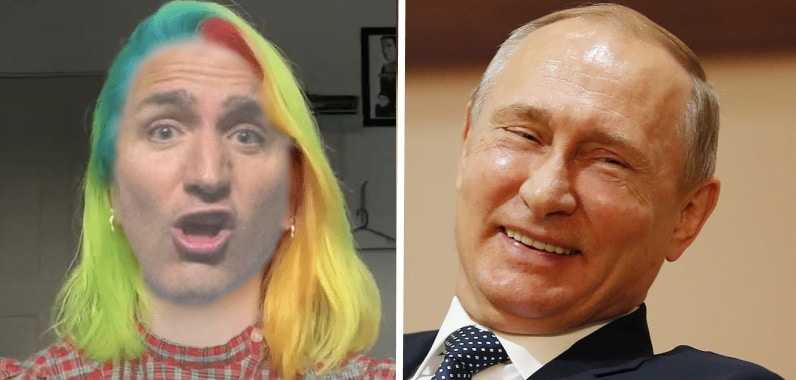
Trudeau warns Moscow of ‘serious consequences’ over Ukraine – Threatens to scold on proper pronoun usage!

Members of Parliament exchanged their concerns and ideas about how to support Ukraine during a special debate at the House Commons that ran for more than two hours Monday evening.

The discussion was part of a “take note” debate about the situation in Ukraine, a format that allows MPs to address national issues in a more wide-ranging, detailed fashion when compared to typical debates on specific legislation.

Share

How Russia could invade Ukraine

A shock and awe campaign could overwhelm Eastern Europe

A couple of weeks ago, in a biting sleet wind, I visited the graveyard of the tiny village of Bohoniki in Poland’s far north east, home to Poland’s minuscule Tatar Muslim minority, descendents of the Mongol Golden Horde. On the graveyard hillock beneath the swaying pine trees, below gilded crescent moons and Arabic calligraphy, the names on the headstones — Miroslawa Safarewicz, Ali Bogdanowicz, Aleksander Sulkiewicz — spoke of centuries of Tatar assimilation since their arrival on horseback in Poland in the Middle Ages.

Share

Russia and Ukraine: The Sword and the Shield

By the time you read this article, Russian troops may have entered Ukraine or even captured its capital Kiev in a blitzkrieg that would have made Field Marshal von Paulus green with envy. Or, maybe you would witness nothing but more sabre rattling by Russian President Vladimir Putin.

The two contrasting possibilities, even if one is closer to a probability, illustrate the fact that no one knows what Putin, the consummate poker player keeping his cards close to his chest, has in mind.

At the risk of ending up with egg on my face, I belong to the group who think there would be no full-scale invasion. To back that assertion one could cite three reasons.

Share

Putin splits NATO and cuts out Biden: Russian president agrees to hold talks with Germany, France and Ukraine

Russian President Vladimir Putin has agreed to hold talks with Germany, France and Ukraine as NATO fails to take action on the rising conflict in Easter Europe and President Joe Biden’s announcement on Friday that he would deploy troops ‘in the near term’ without backing from NATO.

The blow to NATO and exclusion of America in negotiation talks on the Russian-Ukraine crisis came after Putin accused the U.S. and NATO of ignoring the Kremlin’s ‘fundamental concerns’ over NATO’s growth during a call with French President Emmanuel Macron on Friday.

Was splitting NATO the goal all along?

Share

Kelly McParland: The West’s clean energy push empowered Russia and China

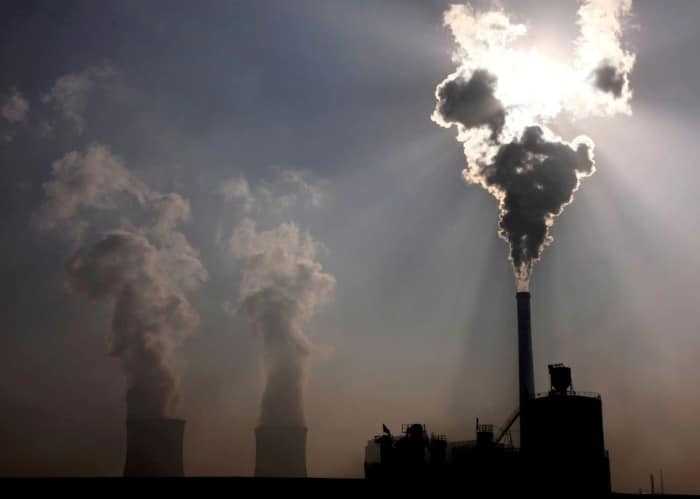
The gospel on climate change has been that, first and foremost, fossil fuels must go.

Coal, oil, gas (liquefied or otherwise)… out, out out. Close the oilsands, cancel the pipelines, end the fracking, get rid of the nuclear plants while you’re at it. The imperative is all about ridding the world of supply, getting us off our existing addictions, whether or not there was an alternative available to take its place. It was taken for granted … or on blind faith … that the alternatives would be there. Technology would advance, innovation would flourish. Just get rid of the bad stuff and we’ll worry about supplying the good stuff later. It’ll work, I promise you. We can do this! No more coal! No more coal!

Share

Did Xi ask Putin not to steal China’s Olympic thunder by invading Ukraine?

Online reports citing an anonymous Beijing diplomat have speculated that Chinese president Xi Jinping, during a recent phone call, may have asked Russian president Vladimir Putin not to invade Ukraine during the upcoming Beijing Olympic Games.  A Russian attack incursion would steal Xi’s thunder and take the spotlight off of his glorious nation’s peerless hosting ability, thereby depriving him of the opportunity to showcase the superiority of the Chinese Communist Party.  If Putin were to sack Ukraine during the Olympics, it would create a highly negative backdrop for the Olympic Games.  In other words, it would be a bummer for Xi.

Share

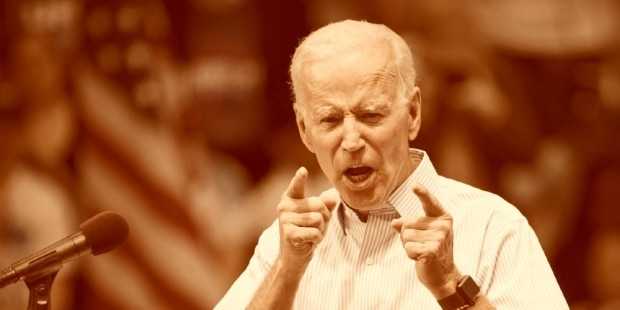
Will America have to go it alone? Biden fears NATO won’t let him deploy troops to protect Ukraine

Joe Biden fears that his plan to deploy as many as 8,500 troops to Eastern Europe might be blocked by NATO countries that do not want to enrage Vladimir Putin.

The U.S. president wants to deploy the US forces to countries neighboring Ukraine as part of a NATO force to deter further aggression by Putin.

But he is concerned that the move might be blocked by member countries that fear hosting the troops and enraging Putin, or by countries such as Germany that rely on Russia for 50 per cent of their gas.

Share

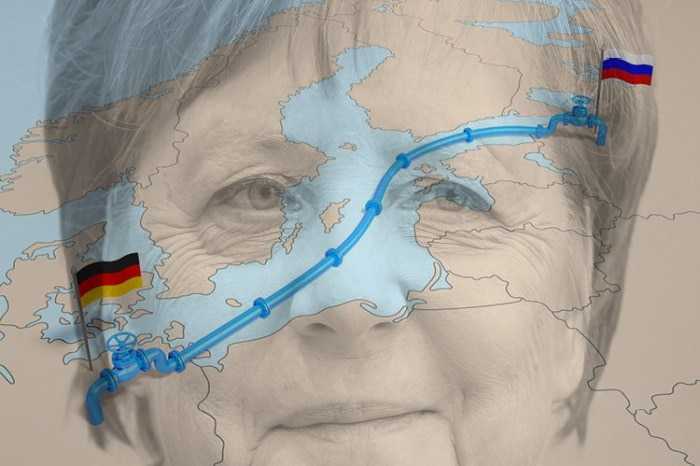
How Russia’s pipeline politics could split the alliance around Ukraine

Germany’s upcoming decision on whether to certify the controversial Russian-owned Nord Stream 2 pipeline is rapidly emerging as a key element in high-stakes diplomatic efforts to dissuade Moscow from invading Ukraine.

Delaying or cancelling the $11 billion project would have a significant impact on the Russian economy, depriving it of $3 billion US in annual revenue.

It also could serve to divide Ukraine’s allies as Russia continues to increase the pressure on the former Soviet bloc state.

Share

The Worst Ally

Germany, the laggard of NATO with a deep conflict of interest regarding Russia, is the weak link.

President Joe Biden’s press conference last week was atrocious, but one of his worst missteps amounted to telling the truth about Germany, if not by name.

Biden said there’d be divisions within NATO over a “minor incursion” by Russia into Ukraine. This is true enough, and the chief cause would be a Germany that is staking a strong claim to being our worst European ally.


Well well well. NATO member will withdraw troops in event of war with Russia – president

Croatian President Zoran Milanovic blamed the US for escalating the crisis and said his country would stay out of a conflict

Putin is winning by not invading. What a guy.

Share

Ukraine urges calm, saying Russian invasion not imminent

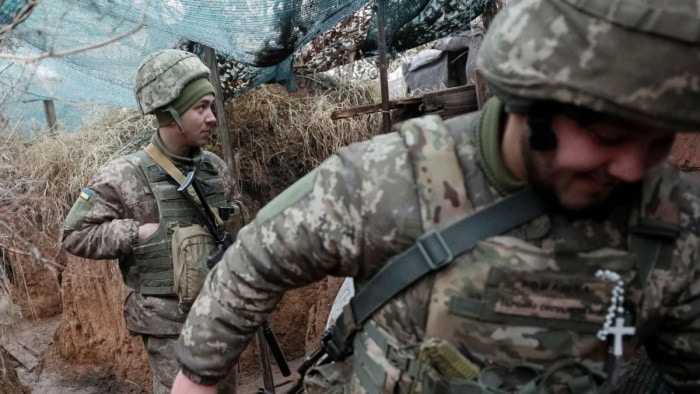
KYIV, Ukraine (AP) — Ukraine’s leaders sought to reassure the nation that a feared invasion from neighboring Russia was not imminent, even as they acknowledged the threat is real and prepared to accept a shipment of American military equipment Tuesday to shore up their defenses.

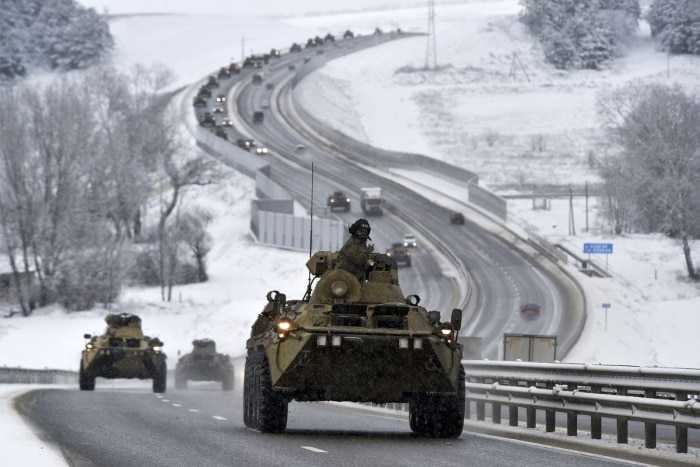
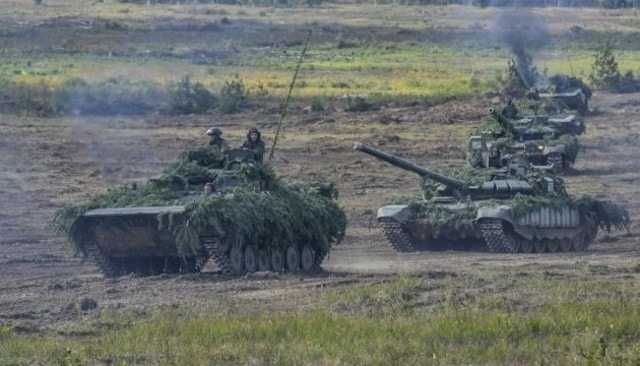
Russia has denied it is planning an assault, but it has massed an estimated 100,000 troops near Ukraine in recent weeks, leading the United States and its NATO allies to rush to prepare for a possible war.


Canada orders diplomats’ families to leave Ukraine

The Canadian government has ordered family members of diplomatic staff in Ukraine to leave the country, CTV News has confirmed.

Late Monday night Canada updated its travel advisory suggesting any non-essential Canadians should leave Ukraine.

Share