Putin announces military operation in Ukraine

Putin announces military operation in Ukraine

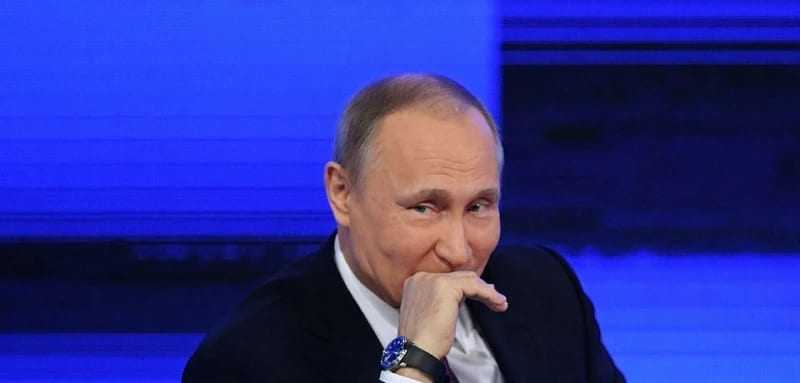
Russia’s Putin announces military operation in Ukraine

From RT – Putin announces ‘special operation’ in Donbass

The special military operation will be aimed at “the defense of” the newly-recognized republics of Donetsk and Lugansk

Russian President Vladimir Putin has announced he ordered his country’s military to conduct a special operation in the Donbass region after the leaders of the breakaway republics asked Moscow for military assistance in response to what they claim is an increase in “Ukrainian aggression.”

Assuming that remains the goal then nothing has really changed.

Share

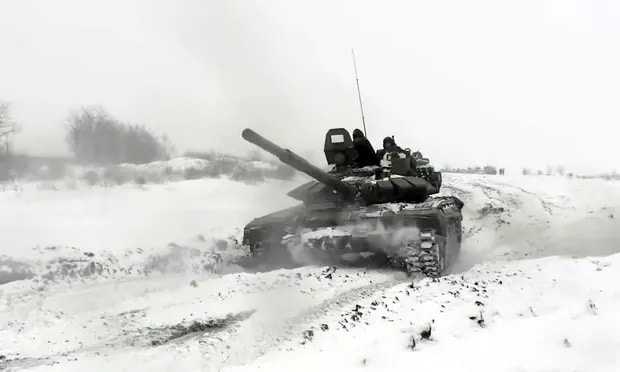
Harsh conditions mean Russian troops near Ukraine will need to be moved soon

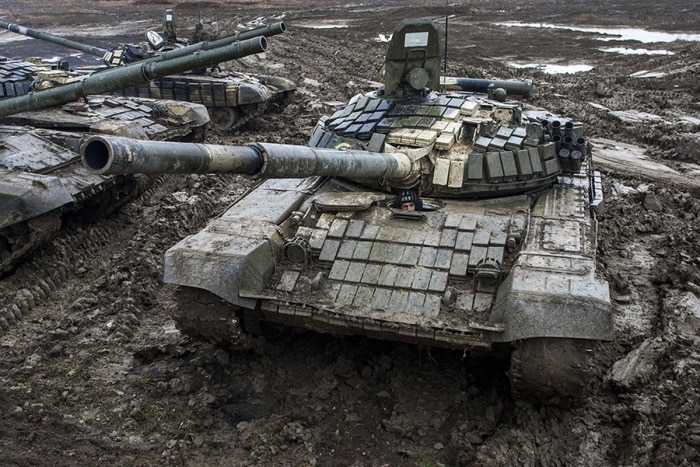
Russian forces massing near Ukraine’s borders can only remain in position for a few days before they have to be sent back to nearby bases or risk their capability being significantly degraded, western officials and experts believe.

That means that President Vladimir Putin will come under increasing pressure to use them in a full invasion of Ukraine – or send them back to staging areas, still in Russia’s south or west, but tens or even hundreds of kilometres back.

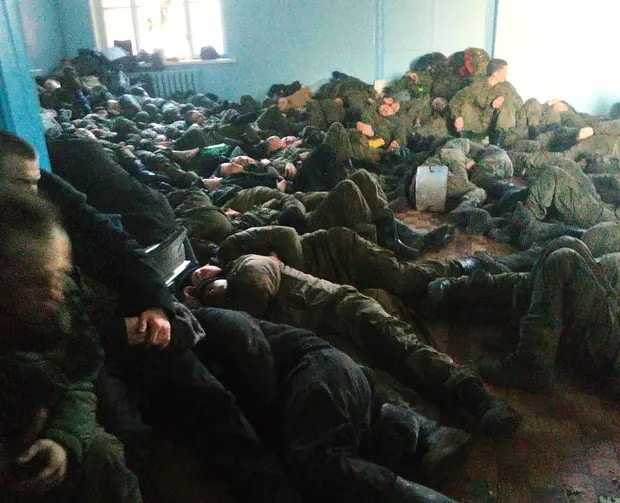
Such advance positions, often with poor protection from the cold, can be held only for a short period – and there is some evidence on social media of the poor conditions endured by soldiers near the border.

Share

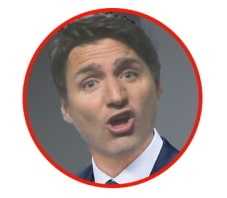
Canada announces new sanctions on Russia amid Ukraine tensions – Oh. Does that mean we’re gonna stop buying Putin’s Oil?

“… Trudeau said the first round of economic sanctions will ban Canadians from all financial dealings with the breakaway regions Putin recognized, Donetsk and Luhansk. The sanctions will also target members of the Russian Parliament who voted for the decision to recognize the separatist regions, as well as ban Canadians from engaging in purchases of Russian sovereign debt, Trudeau said.”

WTF? We Buy Putin’s Oil?

Share

Ukraine crisis: Five reasons why Putin might not invade

The optics look dreadful.

Russia has deployed more than two-thirds of its military combat capability to within striking distance of Ukraine’s borders.

Its 30,000 troops that were supposed to withdraw from neighbouring Belarus at the weekend are still there. So are pontoon bridges and other logistic equipment needed for an invasion.

Violence is flaring in the two Russian-backed breakaway republics in Eastern Ukraine. Russia’s demands from Nato remain unmet and diplomacy has so far failed to bring about any significant withdrawal of Russian forces.

Share

Do Russian Troops In Belarus Mean War Is Inevitable?

On Saturday, in a novel way to appeal for support, Ukrainian president Volodymyr Zelensky denounced world leaders for not aligning themselves more forcefully with his country. At the annual security conference in Munich, where Russian president Vladimir Putin in 2007 had originally decried what he depicted as America’s hubristic quest for global hegemony, Zelensky upbraided various governments for “arrogance” and “appeasement.” Even as Zelensky issued his complaints, however, Putin continued to up the pressure on Ukraine, conducting nuclear drills and taking in civilians into Russia from Donetsk.

Share

Clinton tears into GOP, Fox News at NY Democratic convention

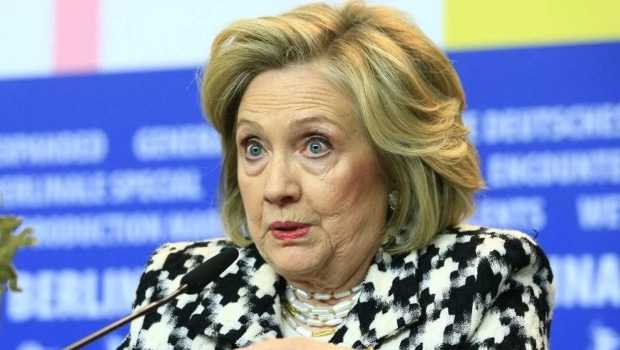
Hillary Clinton slammed former President Trump, the GOP and Fox News while speaking at New York Democratic Convention on Thursday.

“We can’t get distracted. Whether it’s by the latest culture war nonsense or some new right-wing lie on Fox or Facebook,” Clinton told the crowd in New York City.

The former secretary of State and presidential nominee went on to allude to Fox News’s coverage of Special Counsel John Durham’s investigation into Russia’s interference in the 2016 election.

Share

Coalition of the unwilling: Western elites prefer not to fight authoritarianism

In 1982, President Ronald Reagan addressed the British Parliament, expressing optimism about the “global campaign for democracy now gathering force.” Less than a decade later, the Soviet Union collapsed. After that, it was widely believed that authoritarianism was in decline and that the community of free nations was bound to grow and prosper.

That belief was incorrect. These days we monitor what political scientist Larry Diamond dubbed the “democratic recession.”

Share

Ukraine’s Great Famine memories fuel resentment of Kremlin

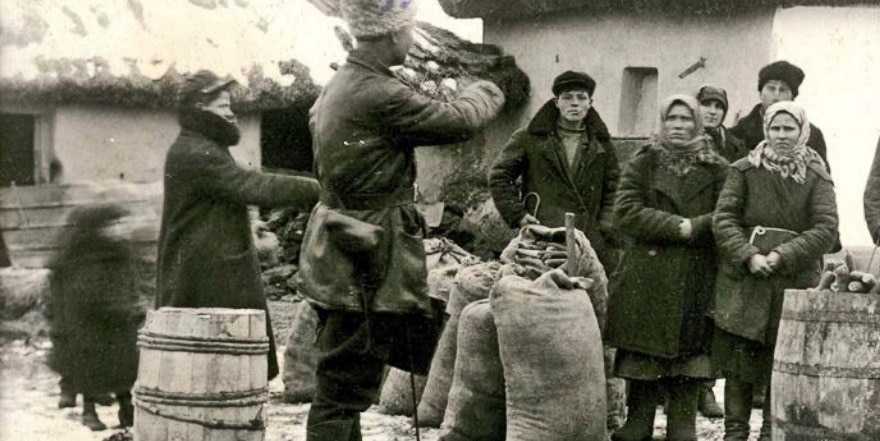
They rushed to bolt the door and lock the windows of the little wooden house. It trembled from the battering of the men outside. Petro Mohalat, now aged 95, remembers the first food raids in the winter of 1932.

He was five years old when the communist “brigade” arrived in the village. His grandmother told the children to hide anywhere they could.

“It was very scary. The brigade had pitchforks and they came to every house searching for bread,” he recalls. “They used crowbars to come inside. Then they went to all the barns trying to find any buried bread.”

Share

Putin’s Game between Friend and Foe

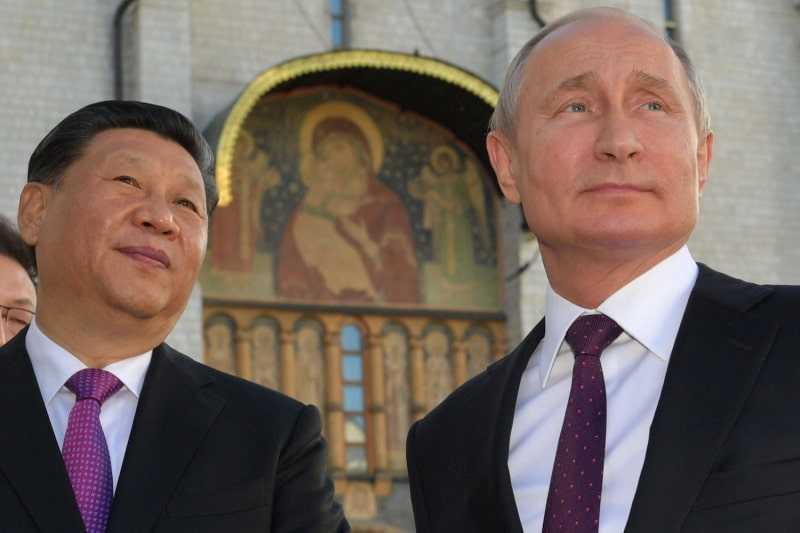
In his lightning trip to Beijing on February 4, Russian President Vladimir Putin signed a “Strategic Partnership” treaty with his Chinese counterpart Xi Jinping. The event coincided with the 20th anniversary of another “Strategic Partnership” deal that he had signed in 2002, with then US President George W Bush.

So, did the Beijing signature represent a reversal of course in Russian foreign policy that, since Russia’s admission into the G7 club (later G8), had been focused on forging closer ties with the United States?

Share

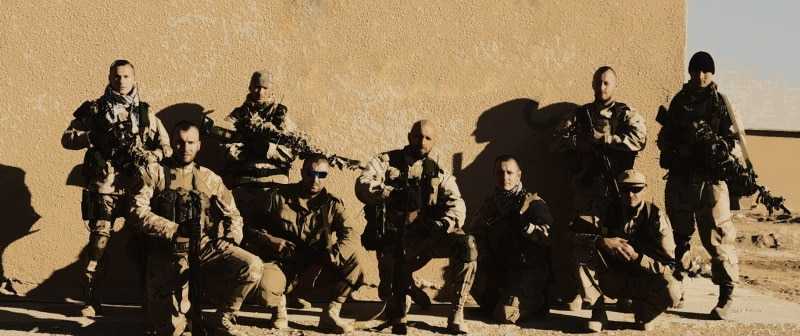
‘Mercenaries have skills armies lack’: former Wagner operative opens up

Sitting in a cafe in an upmarket Moscow suburb, the former mercenary Marat Gabidullin looked a long way from the battlefields of Syria where he fought half a decade ago.

Gripping his recently finished memoir, In the Same River Twice, the first published account of fighting for the secretive Russian mercenary outfit Wagner, Gabidullin said: “I wrote this because I realised it’s time for our country to face the truth: mercenaries exist.”

At 55, he’s an imposing figure, with his face and muscular arms covered in scars. “We, in Russia, prefer not to discuss our mercenaries,” he added. “It doesn’t fit the official narrative.”

Share

Invading Ukraine Will Not Meet Russia’s Expectations


Has the Cold War returned with a vengeance? Some expert commentators seem to think so. Russia’s mobilization of over 100,000 troops near Ukraine’s borders this winter has led the United States and some allied NATO countries to threaten economic and political sanctions, including those specifically against the Kremlin’s leadership. Russia’s annexation of Crimea in 2014 and destabilization of eastern Ukraine since then has created uncertainty as to how far President Vladimir Putin might be willing to go, either in the way of scaled-up political pressure backed by military power, or in the worst extreme, an actual large-scale invasion with ambitious objectives, including possible regime change in Kiev. Several prognosticators and some Russian officials also assume that, should Russia decide to initiate a major military operation against Ukraine, the result would be a veritable walkover, with Ukrainian forces unable to offer more than a feeble and temporary resistance against overwhelming Russian combined ground, air, and naval forces.

Share

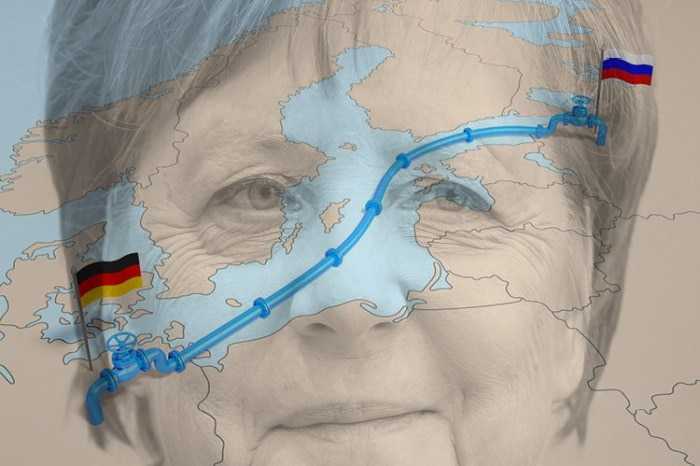
Do Not Open Nord Stream 2

This week, Dutch Prime Minister Mark Rutte and Foreign Minister Wobke Hoekstra (no relation) met with Ukrainian leaders in Kiev. The visit was intended to signal Dutch support to the government of Ukraine in the face of Russian build-up provocations on its border. As with other European national security moves, the meeting may be too little too late.

It was a positive step, strongly supported by the Biden Administration as a sign of NATO unity. The visit, however, recalled efforts — such as the one below — by U.S. and European ambassadors to stop Nord Stream 2, the pipeline from Russia to Germany that then connects to much of the rest of Europe. The Russian threat outlined by the Trump administration was very clear — that Russia would then be able to shut off its gas to Europe in the middle of winter, if it chose to, as a form of blackmail, at which point the US might then be expected to save Europe from its own deal — and the long-term policy and security consequences of completing the pipeline were communicated. Put very simply, building closer economic ties with Russia and Putin is an extremely bad and dangerous idea.

Germany will get its Russian gas. NATO is a paper tiger. Time the US ended Europe’s free ride but Biden won’t do it.

Share

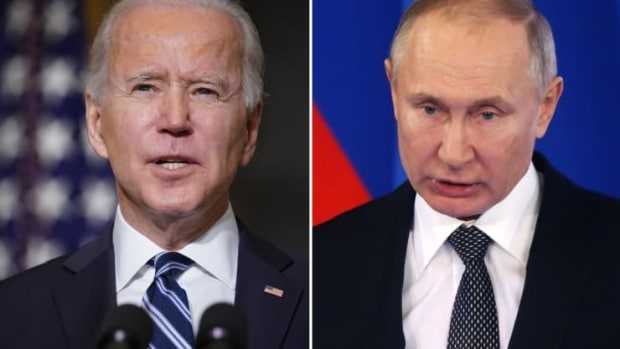
The Truth About Biden’s Fake War With Russia

The “war” with Russia is as real as Russiagate.

Biden tried to be FDR and failed at that. Now he’s settling for playing a senile elderly JFK.

If you watch 5 minutes of CNN or any cable news network, you might believe that we’re on the verge of war with Russia. That’s what the same people who claimed that President Trump was working for Putin want you to believe. Their new war with Russia is as real as Russiagate.

Share