Russia planning attack on Poland to test Nato resolve, US warns

Russia planning attack on Poland to test Nato resolve, US warns

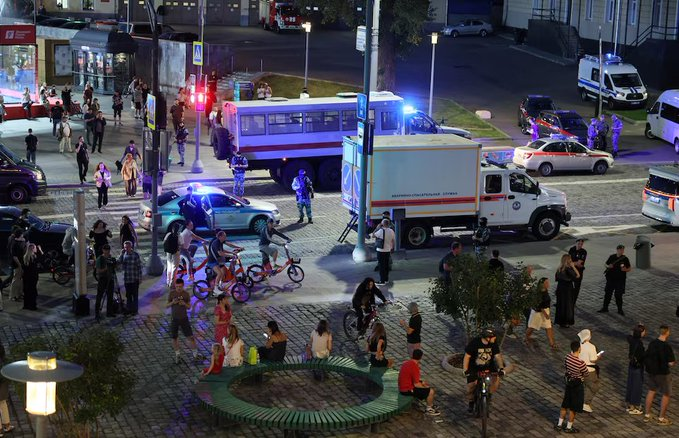
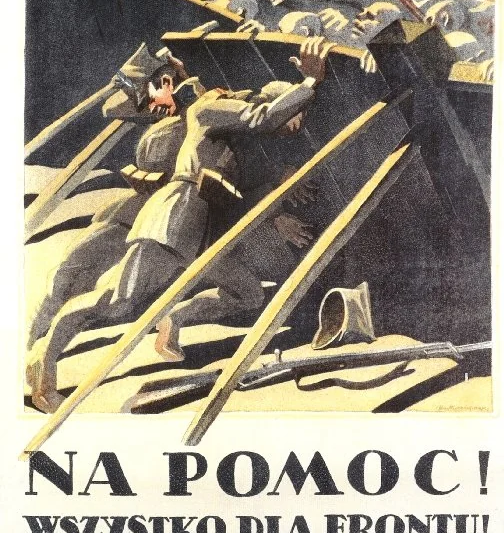
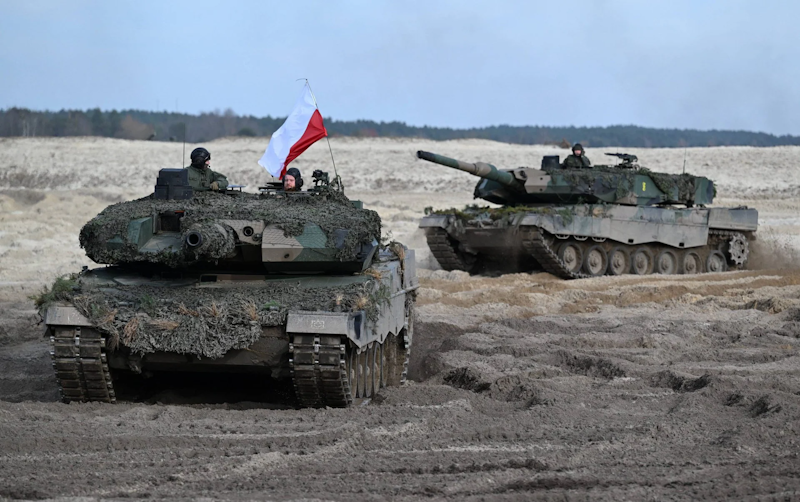
Russia is planning an armed “provocation” on Polish soil to test Nato’s resolve, the United States has warned.

Polish critical infrastructure could be targeted by missiles and drones or Russian soldiers could cross the border into Nato territory.

Washington has issued several warnings to Warsaw about the plot, sources close to Karol Nawrocki, the Polish president, told Onet, the Polish news outlet, which, along with The Telegraph, is owned by Axel Springer and is part of its Global Reporters Network.

Share

Senior Defence Official’s Firing Claim Casts a Newspaper Report on Her Op-Ed as a Flashpoint in Her Ouster

Senior Defence Official’s Firing Claim Casts a Newspaper Report on Her Op-Ed as a Flashpoint in Her Ouster

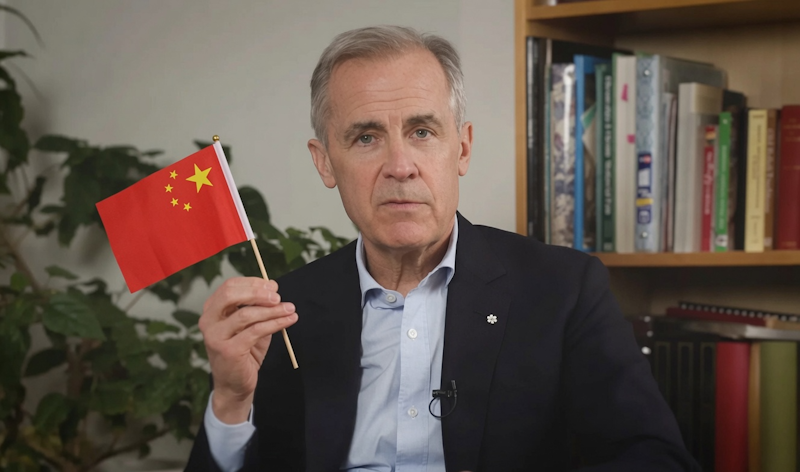
OTTAWA — An explosive wrongful-dismissal lawsuit that claims a senior defence official was fired after warning that Ottawa’s anti-American rhetoric was handing a gift to Canada’s real adversaries, China and Russia, casts an article by a veteran Ottawa newspaper reporter as a turning point in the government’s posture toward her — a characterization the reporter firmly rejects.

Share

Russian frigate fires warning shots at British yacht in Channel – reports

Russian frigate fires warning shots at British yacht in Channel – reports

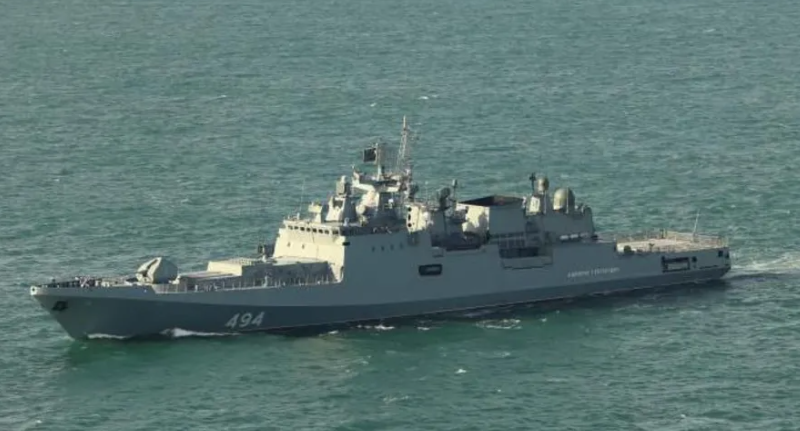
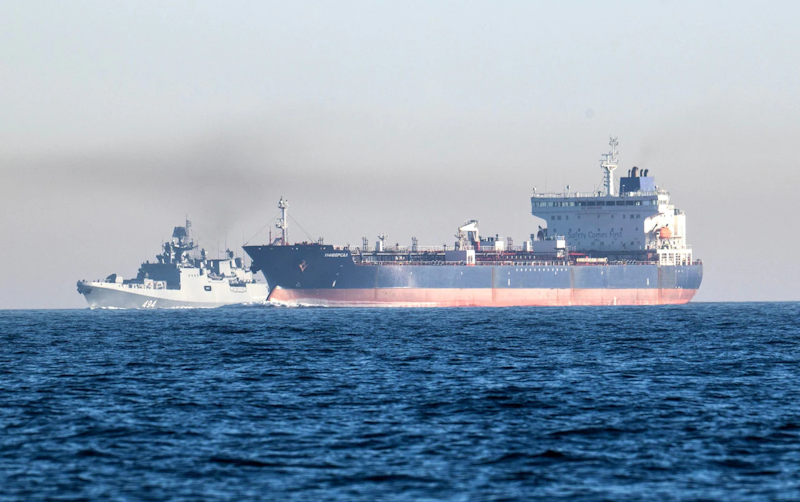
The Ministry of Defence is investigating reports that a Russian frigate, the Admiral Grigorovich, fired warning shots on Tuesday morning within 500 metres of a British yacht sailing a little over 20 miles south of the Isle of Wight.

No injuries or damage have been reported by the yacht, a pleasure boat, which continued its journey. A boat from HMS Tyne, a patrol vessel, has visited the yacht to gather details and check the crew are safe.

The incident came just days after the UK seized a Russia-linked oil tanker, the Smyrtos, off the coast of the Isle of Wight, the first time British forces have led the seizure of a sanctioned vessel since the start of the war against Ukraine.

Share

NATO says it stands ready to defend ‘every inch’ of allied territory after Russian drone hits Romania

NATO has said it stands ready to defend “every inch” of allied territory and condemned the “recklessness” of Russia, after a Russian drone struck an apartment block in eastern Romania overnight.

NATO Secretary General Mark Rutte telephoned Romanian President Nicușor Dan to convey the alliance’s “absolute solidarity” and his thoughts for those injured in the strike, the former Dutch prime minister said in a post on social media.

Share

Russia is already waging war against us, Polish general says

Russia is already waging war against us, Polish general says

Russia is already waging war on Poland, and Nato must respond more forcefully to its next attack, a senior Polish general has said.

Poland shot down Russian drones deep inside its airspace last autumn, while Moscow-linked hackers have attacked government infrastructure and ministries of thousands of times — including a cyber-assault that sought to cripple the power grid in midwinter.

Share

Europeans Dream of Throwing Themselves into the Jaws of the Russian Bear

Europeans Dream of Throwing Themselves into the Jaws of the Russian Bear

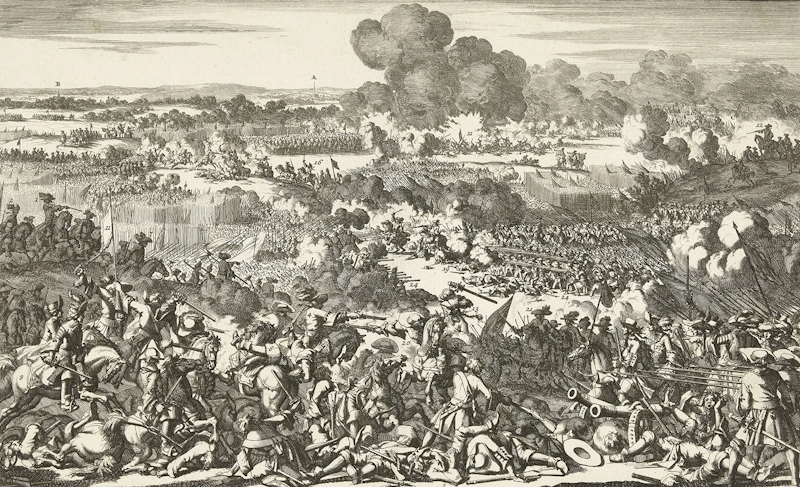
Some ideas refuse to die. One of these is the notion of a European “reversal of alliances” into the arms of Russia. The phrase refers to the unexpected decoupling from former allies, accompanied by an unexpected alliance with former enemies. In 1756, Austria, which had always been an ally of Great Britain, instead allied with its longtime foe, France. Meanwhile, Great Britain and its old enemy, Prussia, became allies — resulting in the Seven Years’ War.

You hear it in Europe from the “new right” and the far left — at conferences where people swoon over “multipolarity” and in the corridors of Germany’s Bundestag, where desperate industrialists plead for Russia’s Gazprom to reopen its taps.

If this reversal of alliances was possible in 1756, why not in 2026?


I’m sure Carney has bought in.

Share

Putin mocks Starmer with warship in Channel

Putin mocks Starmer with warship in Channel

Vladimir Putin has openly defied Sir Keir Starmer’s threat to seize sanctioned Russian vessels by sending a warship to escort them through the Channel.

The Admiral Grigorovich, a Black Sea fleet frigate, accompanied a pair of shadow fleet ships on Wednesday while a British naval vessel followed behind.

Positioned on the Royal Charlotte, a boat almost 10 miles from Dover, The Telegraph observed Putin’s flotilla cruising past the south coast while RFA Tideforce, a Royal Fleet Auxiliary tanker, trailed in their wake.

Share

Trump doesn’t need to leave Nato. The threat itself boosts Russia

Before invading all of Ukraine in 2022, President Putin demanded the withdrawal of Nato forces from member states that were once part of the Kremlin’s sphere of influence.

Such a move would have left countries such as Estonia, Latvia, Lithuania and Poland more vulnerable to a Russian attack. Nato itself would also have been weakened, perhaps fatally. Unsurprisingly, the military alliance rejected Putin’s ultimatum.

Four years on, President Trump has given Putin hope that his demands might, at least partially, be met. Furious that Nato members in Europe will not assist the US attack on Iran, Trump said on Wednesday that he was “absolutely” considering withdrawing from the alliance.

Share

Nineteen Muslims jailed over deadly Moscow concert attack

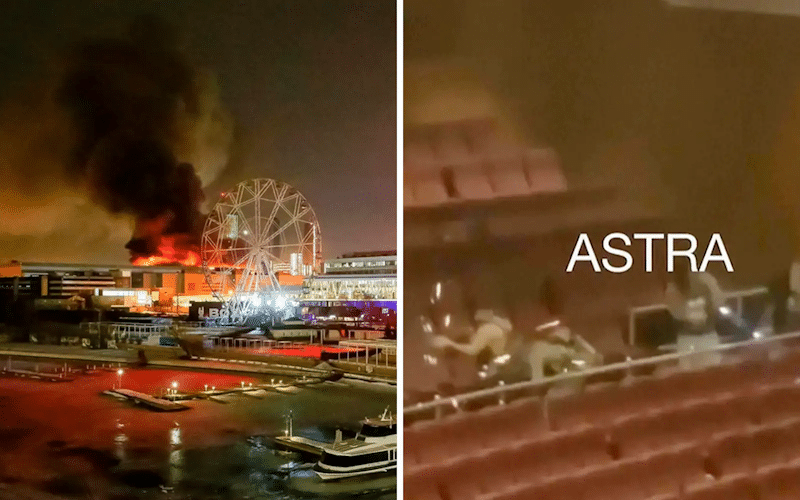
Nineteen people have been jailed over an attack at a concert hall near Moscow that killed 149 people and left more than 500 injured, the deadliest mass shooting in Russia in two decades.

A Russian military court handed life sentences to four gunmen and 11 accomplices. Four other defendants were given between 19 and 22 years, state media reported.

Gunmen opened fire at Crocus City Concert Hall on the outskirts of Russia’s capital on 22 March 2024 and set fire to the venue.

An Islamic State group affiliate admitted it had carried out the attack and posted video evidence. Moscow has repeatedly alleged Ukrainian involvement, which Kyiv has strenuously denied.

Share

Iran war: Why is Russia not coming to Tehran’s aid?

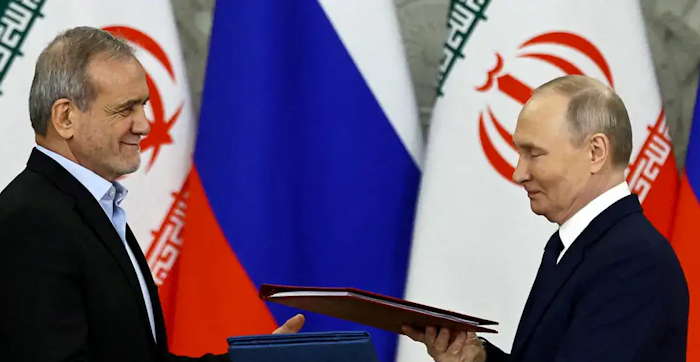
The beleaguered Iranian regime, with very few international allies, has been counting on Moscow’s support amid the ongoing US-Israeli strikes, but so far it has been left deeply disappointed.

Just hours after Israeli and US bombs started hitting Tehran on Saturday, Russia came out with a blunt statement, with the country’s permanent representative to the UN, Vassily Nebenzia, calling it an “unprovoked act of armed aggression against a sovereign and independent UN member state.”

Moscow is one of Tehran’s few but staunchest allies, and a possible collapse of the Iranian regime could be a blow for its geopolitical and economic interests. Then why has it not come to Tehran’s rescue?

Share

What Iran means for Putin

Multipolarity is a disaster for Russia

As the Middle East lurches toward wider war, Vladimir Putin finds himself confronted by the terrifying reality of the world he has always demanded. For a quarter of a century, the Russian president has been demanding a “multipolar world order”, one that would overturn the hypocritical liberal consensus. Now, that order might have arrived, but the system taking shape is not creating a stronger Russia. Instead, it reveals an increasingly isolated and weakened state — one that, if the history of Putin’s rule is anything to go by, might see the Kremlin turn toward even further domestic repression and foreign confrontation.

Share

What Khamenei’s death means for Russia and China

It took only a minute to change the world.

Within the first 60 seconds of Operation Epic Fury, Israeli officials claimed, Iran’s supreme leader and his principal henchmen were dead.

But the precision-guided missiles that struck central Tehran in the opening salvo of the war did not merely kill Ayatollah Ali Khamenei and upend half a century of Iranian history. They also underscored a more basic reality – where true power still lies in the world.

Share

The Northwest Passage Will Be Decided by Capability, Not Law

Recent attention has focused on Greenland as a focal point of Arctic strategy, a reminder that geography once treated as peripheral now sits squarely within the logic of continental defense. A similar shift is unfolding elsewhere in the Arctic, though with far less public notice. The Northwest Passage—the network of sea routes threading Canada’s Arctic Archipelago between the Atlantic and Pacific Oceans—has moved from a seasonal curiosity to a corridor of growing strategic consequence. As activity increases, questions long treated as theoretical, including the legal status of those waters, are being pushed toward practical resolution.

Share

Europe No Longer Believes Russia Will Wait Until 2029

For years, officials in Brussels and across Europe operated on a shared assumption: that Russia would not be in a position to directly challenge NATO before 2029. That date became a strategic comfort zone—time to rearm, coordinate, and reassure domestic publics. That certainty is now eroding rapidly.

According to The Wall Street Journal, a growing number of European political and military leaders now believe Moscow could test NATO—and the European Union—much sooner than previously expected. Such a move would not necessarily take the form of a full-scale invasion, but a limited, rapid, and carefully calibrated incursion designed to exploit Europe’s hesitation and internal divisions.

Share

A Wargame Shows Just How Vulnerable Europe Is to a Russian Attack

MARIJAMPOLE, Lithuania—European governments are preparing for war with Russia. A newly released wargame suggests they aren’t ready.

A Russian incursion, or outright invasion, into countries of the North Atlantic Treaty Organization and the European Union has become more likely because of Europe’s tensions with President Trump over Greenland, Ukraine, trade and other matters, many European security and political leaders say.

They point out that Russia has switched to a war economy, focusing national resources on a rearmament program and military recruitment that goes well beyond the needs of the campaign in Ukraine.

Share