
The head of the Iranian national soccer team coming to Vancouver next month for a controversial exhibition game recently attended a party with a man wanted by the FBI in relation to a plot to kidnap international targets, including three people in Canada.
The April 8 birthday party in Tehran was captured on camera and photographs were posted online. At the time, a warrant had been out for the arrest of the alleged Iranian intelligence informant for almost a year.
Team manager Hamid Estili appears in the photos with Mahmoud Khazein. Khazein is facing criminal charges in the U.S. which include conspiracy to kidnap, conspiracy to commit bank and wire fraud and conspiracy to commit money laundering.
Why is he coming to Canada? Why won’t Trudeau simply bar entry to the Iranian team?
Political football: How the Iranian government intervenes in sports
… The motives of the IRGC are not purely financial. The Guards see sports as a form of social control to be exploited in pursuit of domestic policy objectives. The country’s two most popular sports, wrestling and football, attract a young male demographic, often from poor socio-economic backgrounds, that needs to be managed and directed. Furthermore, sports have a symbolic value, as policies applied to the athletic domain project ideals for society at large. Gender discrimination, for example, is reinforced through the ban against women attending football stadiums and limiting women sports.


 A Nova Scotia court ruled it cannot intervene in the child protection case of a teenage Syrian refugee whose father allegedly beat her, breaking her nose, when he learned she had been texting
  … Thursday, the London Council of Imams issued a statement looking to calm any conflict, saying they are “saddened” by the “increasing polarization in our society.”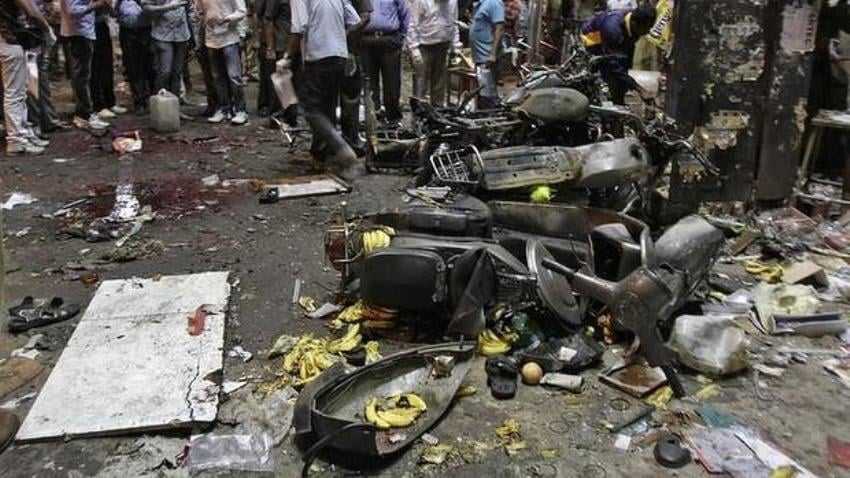

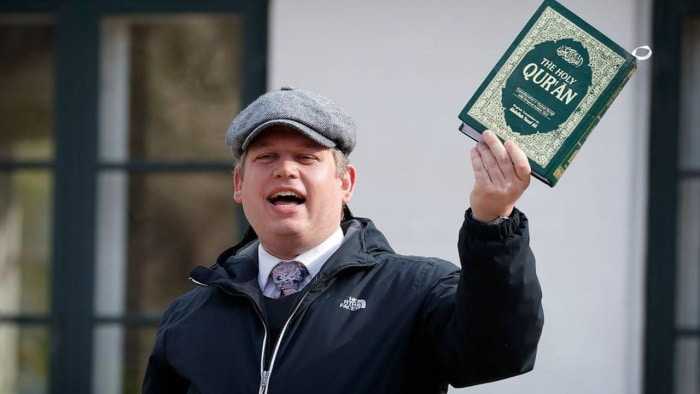


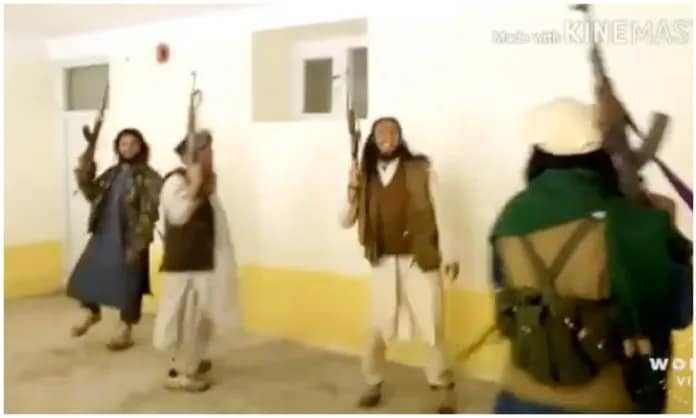
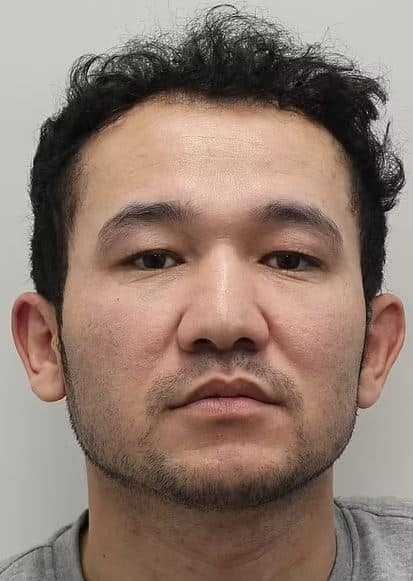 An Afghan asylum seeker who attacked three women with a hammer after police did not find him a home has been jailed for 18 years.
 Shireen Abu Akleh, a reporter for Al Jazeera, was killed by a bullet Wednesday as the Israeli Defense Forces (IDF) hunted for jihad terrorists in Jenin. That much is certain. But who actually fired the bullet is a matter of significant dispute. The Palestinians claim that the IDF shot Abu Akleh in cold blood; however, Palestinians were firing guns in the area at the time as well. Palestinian leaders have rebuffed Israeli requests for a joint investigation and even refused to allow Israeli officials to examine the bullet that killed Abu Akleh, despite the fact that such an examination would likely definitively establish who is responsible for