In February last year, Antoine Kassis checked into the Windsor Golf Hotel & Country Club, a Victorian-style resort an hour north of Nairobi. Wearing an ill-fitting hooded sweatshirt, with gray stubbles and baggy eyes, he didn’t look like a typical upscale tourist.
The disheveled 58-year-old, who went by Tony, was a cousin of the recently deposed Syrian President Bashar al-Assad. He had traveled to Kenya planning to meet a supposed arms inspector from a Colombian rebel group and complete a $14 million deal to import 500 kilos of cocaine to Syria in return for military-grade weapons supplied by Iran and Russia.
Kassis didn’t know the U.S. Drug Enforcement Agency had been watching him for two years. As he waited in a cafe, U.S. agents accompanied by Kenyan police approached him. Two months later he was extradited to the U.S., ending a lengthy sting operation.

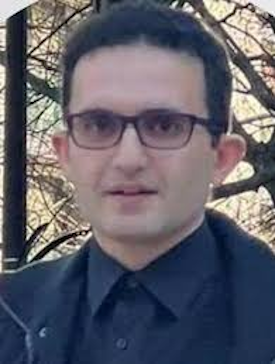 VANCOUVER — The killing of Iranian-Canadian activist and mathematician Masood Masjoody has triggered alarm across Canada’s Iranian diaspora, with prominent community voices warning that the case raises broader concerns about intimidation and possible transnational repression linked to Iran’s regime.