
‘Trust us’ isn’t enough to win confidence in Emergencies Act inquiry: law’s author

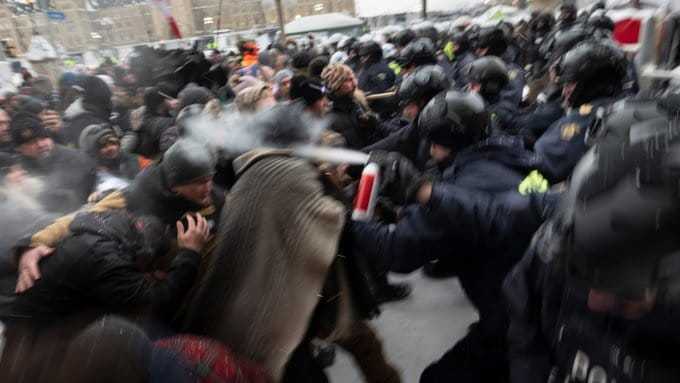
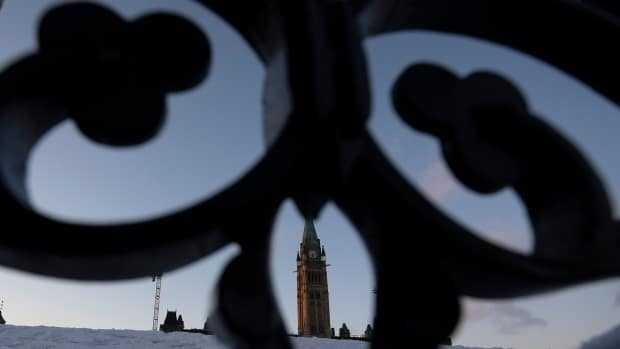
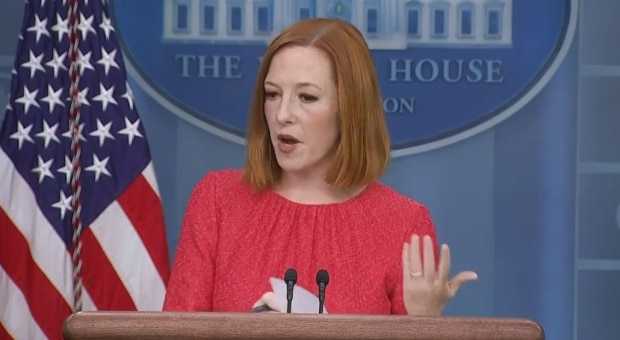
Prime Minister Justin Trudeau invoked the never-before-used Emergencies Act on Feb. 14 in an effort to quash blockades that had taken over the streets of the capital and major border crossings in protest against COVID-19 restrictions and the Liberal government.

Share

Groups surprised at government ‘secrecy’ over online harm bill consultation

Some advocacy groups and individuals who submitted feedback to the federal government about its proposed online harms legislation say they were surprised the government didn’t make their consultation documents public, which would have ensured concerns about a “disturbing” and “extremely problematic” plan were heard widely.

Share

Federal government must do more to fight spread of disinformation, polarization on social media: CSIS director

The spread of disinformation and polarization via social media is one of the biggest threats to social cohesion in Canada and the federal government needs to do more to fight it, says the head of Canada’s spy agency.

Share

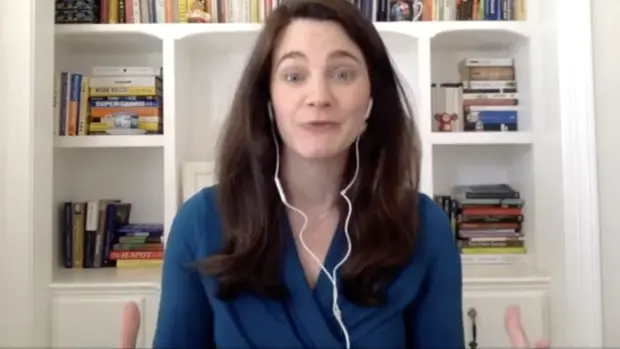
The White House can’t imagine why Americans would fear their dystopian disinformation board led by a far-left Mary Poppins’ impersonator

Biden branded his political rivals and millions of Americans, who opposed his radical plans to gut Senate tradition and pass partisan election reform, as enemies of the state.

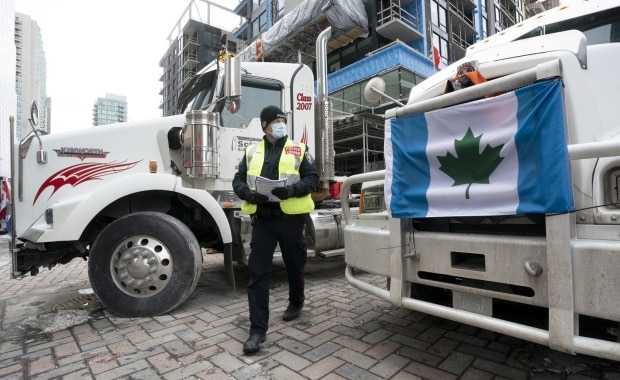
Democrats colluded with the National School Boards Association to threaten to send federal law enforcement after parents who committed the ‘crime’ of challenging the Democrats’ destructive far-left school indoctrination.

Two weeks ago, former President Barack Obama warned that unregulated social media threatens to inflame ‘humanity’s worst impulses.’

Now – lo and behold – we have the establishment of the Department of Homeland Security Disinformation Governance Board, announced seemingly out-of-the-blue during a Senate hearing by Homeland Security Secretary Alejandro Mayorkas.

Share

The Battle for Control of Your Mind

In his classic dystopian novel 1984, George Orwell famously wrote, “If you want a picture of the future, imagine a boot stamping on a human face—for ever.” This striking image served as a potent symbol for totalitarianism in the 20th Century. But as Caylan Ford recently observed, with the advent of digital health passports in the emerging biomedical security state, the new symbol of totalitarian repression is “not a boot, but an algorithm in the cloud: emotionless, impervious to appeal, silently shaping the biomass.” The new forms of repression will be no less real for being virtual rather than physical.

These new digital surveillance and control mechanisms will be no less oppressive for being virtual rather than physical. Contact tracing apps, for example, have proliferated with at least 120 different apps in used in 71 different states, and 60 other digital contact-tracing measures have been used across 38 countries. There is currently no evidence that contact tracing apps or other methods of digital surveillance have helped to slow the spread of COVID; but as with so many of our pandemic policies, this does not seem to have deterred their use.

Share

How Republican Senators Can Defund Biden’s Dystopic ‘Disinformation Board’

In an apparent homage to George Orwell’s dystopian novel “1984” — one the rest of us realize is a pointed political allegory but the Biden administration apparently views as a handbook — the Biden White House is establishing a Disinformation Governance Board.

Yes, you read that correctly. The government is going to decide what’s true and what’s false, and punish disseminators accordingly. The bureaucrats who run the Department of Homeland security, where this board will be housed, are going to be parsing fact from fiction, obviously to keep us all safe from the scourge of independent judgment and thought.

Share

Justice minister invokes cabinet secrecy around use of Emergencies Act

Justice Minister David Lametti repeatedly invoked cabinet confidentiality in his appearance before a special committee tasked with investigating the government’s use of the Emergencies Act.

Lametti was asked pointed questions Tuesday evening about federal consultations with provinces and others before declaring an emergency, and when the government received advice to revoke the declaration. On multiple occasions, he responded that he “would not betray cabinet confidence.”

Share

Ottawa convoy deemed national security threat a week before Emergencies Act: police

Ontario police deemed the so-called “Freedom Convoy” a threat to national security one week before the federal government invoked the Emergencies Act.

Police have described the unprecedented invocation of the legislation as “critical” to their efforts to end the demonstrations, which saw participants encamped in downtown residential streets for three weeks.

Yet it is unclear at this point why it took seven days before the federal government invoked the Emergencies Act, or why it took police an additional week beyond that to begin clearing out the convoy.

Share

COVID-19 restrictions are lifting, but unvaccinated Canadians still can’t board planes or trains

Canada’s vaccine mandate — which took effect in November 2021 to boost vaccination rates — prevents unvaccinated Canadians from boarding a commercial plane or train in Canada to both domestic and international destinations. Now that COVID-19 restrictions are fast disappearing, some unvaccinated Canadians question why the federal government still maintains the mandate.

Share