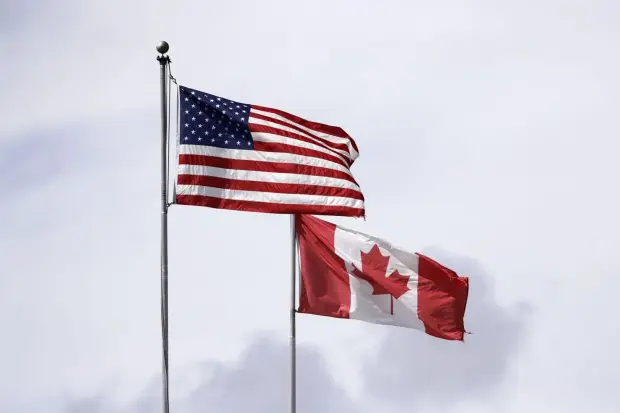
Nearly two thirds of Canadian survey respondents say they are concerned about the U.S. being a potential threat to Canada’s sovereignty, according to new data from Nanos Research.
According to the survey, 64 per cent of respondents say they feel concerned, while 19 per cent say they are not concerned, and 17 per cent say they are neutral, about the U.S. being a threat to Canadian sovereignty.
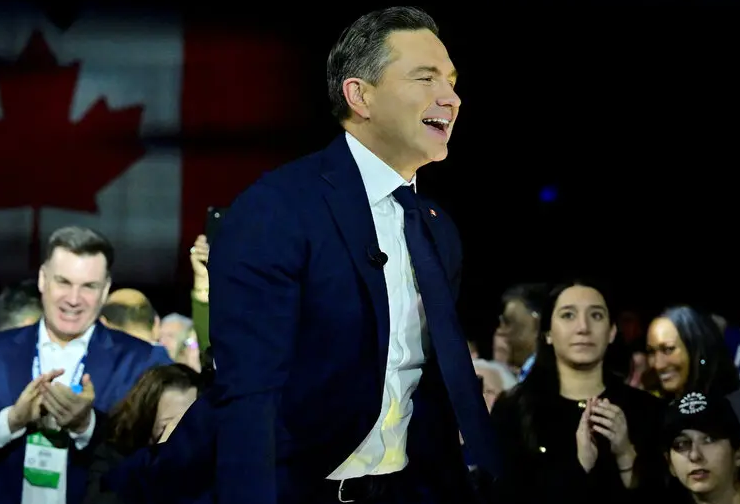
And this is, effectively, where Pierre Poilievre now finds himself on the issue of U.S. President Donald Trump.
Among some Conservative party faithful, there has been a quiet hope, wishful thinking actually, that this issue would cease to be the dominant one. That crime and affordability would re-emerge as ballot-box drivers. That the Trump circus would recede to the periphery.
As discussion around Alberta separation continues, a new survey suggests many Canadians believe the United States would back the province if it chose to leave Confederation.
A Nanos Research survey commissioned by CTV News found four in five Canadians believe the U.S. would support Alberta separating from Canada. Respondents in the Prairie provinces reported the highest levels of that belief at 58.2 per cent, whereas less than 30 per cent of Quebec residents believe that it is likely that the U.S. would support Alberta separating.
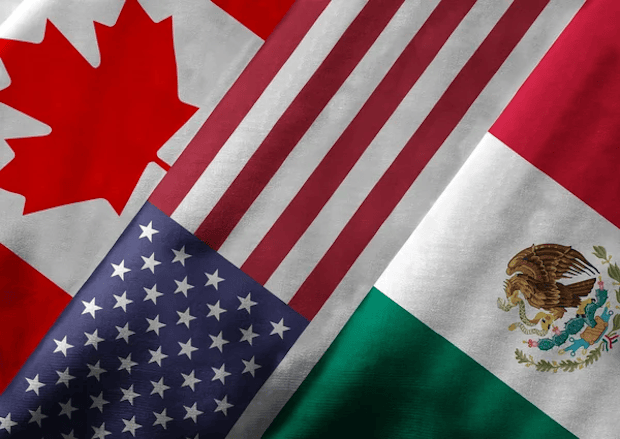
WASHINGTON – United States lawmakers expressed support for the Canada-U.S.-Mexico Agreement on trade during a Thursday committee hearing after President Donald Trump floated the idea of ending the critical continental trade pact.
Republican Sen. Mike Crapo, from Idaho, told the Senate finance committee that the trade agreement, better known in Canada as CUSMA, has protected American jobs, strengthened manufacturing and helped to expand the economy.
For all the fear over the U.S. trade war and President Donald Trump’s threats to Canadian sovereignty, this country’s biggest pension funds remain heavily invested in the U.S.
The Canada Pension Plan (CPP), the largest pension fund in the country, announced this week that it has grown to a record $780.7 billion in assets, with 47 per cent invested in the U.S., compared to only 13 per cent in Canada.
That level of U.S. ownership hasn’t budged in the year since Trump retook office, according to third-quarter results released on Friday.
I wrote the following in my book Under Assault: Interference and Espionage in China’s Secret War Against Canada:
“An economic slump in the U.S. was going to affect Canada’s financial health, and so trade diversification again became a driving consideration. But instead of diversifying trade with like-minded democracies, Canada went begging at the doorstep of the Communist state that had been engaged in foreign interference and espionage against Canada and the U.S. for the past 30 years.”
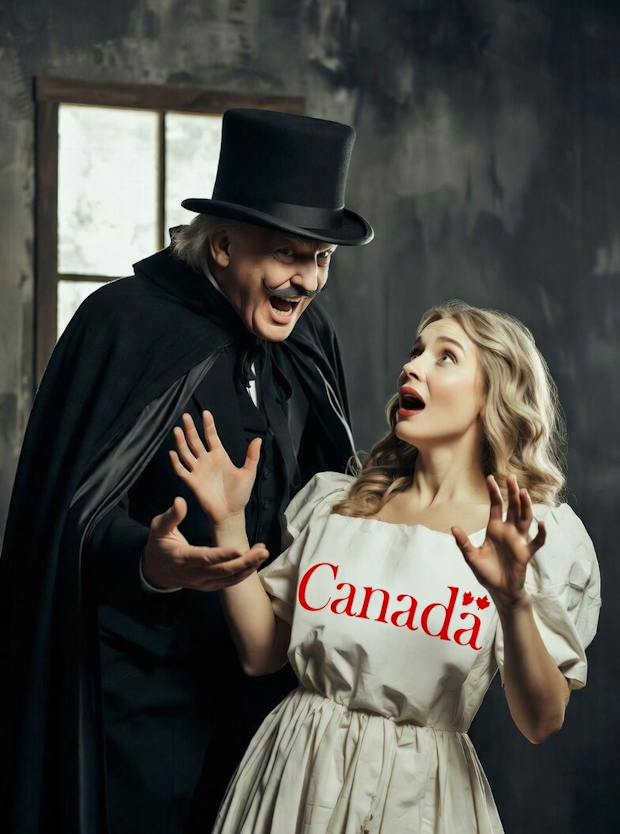
Under law Miss Canada should be a gay Muslima person of colour but I’m a rebel
U.S. President Donald Trump’s second term has threatened Canada with annexation and economic ruin and destabilized much of the international order that has governed the world since the Second World War, leaving many Canadians feeling anxious and concerned.
The barrage includes comments about Canada becoming the 51st state, warnings not to challenge Trump, job insecurity because of the existing trade war and threats of increased tariffs.
“Any talk of assaulting my country in any way, whether it’s economic or territorially … I mean, I could cry right now,” said Lili Wexu, a French Canadian originally from Montreal who’s living and working in Los Angeles as a bilingual voice actress.
Mark Carney’s deal to allow Chinese electric vehicles to enter Canada with a low tariff rate will make trade talks with the U.S. tougher, the Canadian Vehicle Manufacturers’ Association says.
Brian Kingston, the organization’s chief executive officer representing Canadian auto plants of the Detroit-based General Motors, Stellantis and Ford, said the Prime Minister’s decision last month to remove the 100% tariff on EVs and replace it with a 6.1% most-favoured-nation rate “further complicates” trade talks later this year.
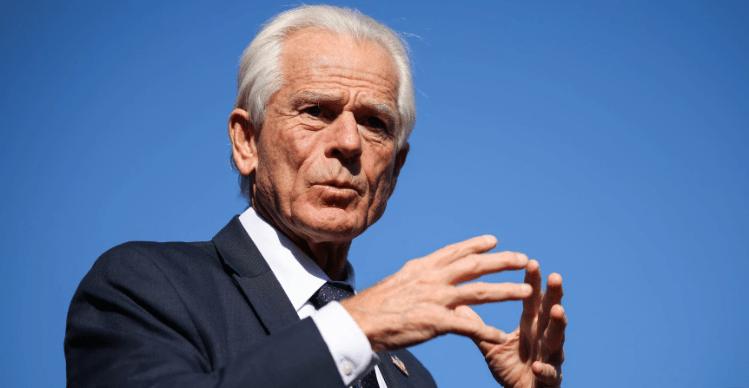
White House trade adviser Peter Navarro says there are “significant issues” with the United States-Mexico-Canada Agreement (USMCA), but he stopped short of suggesting U.S. President Donald Trump wants to scrap the deal.
“I can tell you this, that USMCA has some significant flaws in it, and it’s going to be reevaluated in July,” Navarro said during a Feb. 12 interview with Bloomberg Radio.
Navarro was asked about media reports citing anonymous sources that said Trump had inquired of his aides about fully withdrawing from the USMCA, the trade deal he negotiated during his first term to replace the North American Free Trade Agreement (NAFTA). Navarro did not answer the question directly, but replied that “nothing ever happens” in the White House without the input of Trump, particularly when it comes to trade.
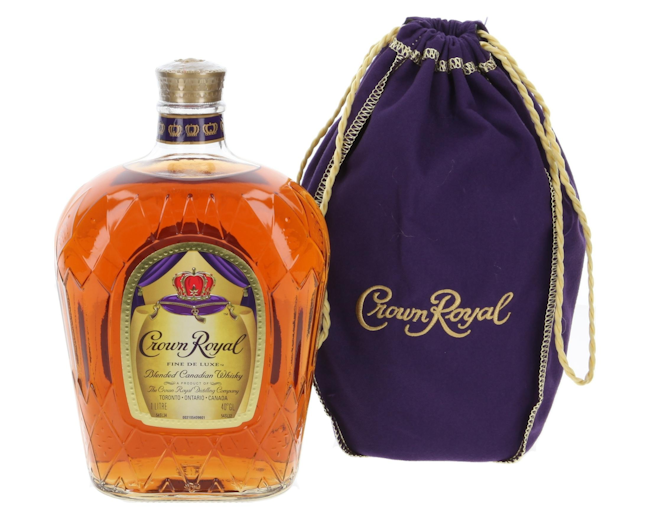
Ontario Premier Doug Ford says Crown Royal will remain on liquor store shelves in the province after its parent company agreed to $23-million in spending in Ontario.
Ford has been threatening for months to pull the product after Diageo announced it is closing a Windsor-area Crown Royal bottling plant.
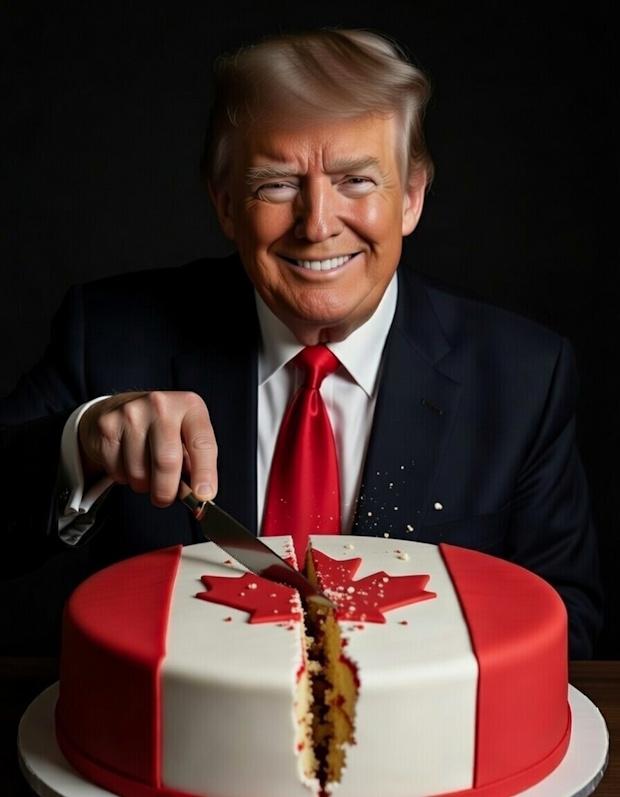
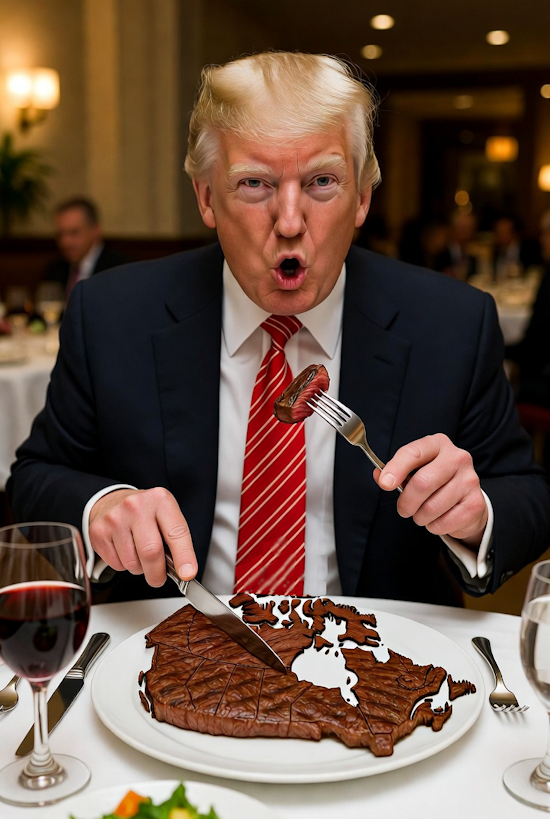
The President of the United States is low-key obsessed with Canada, and it’s getting, like, a little embarrassing.
Back in 2017, Mr. Trump called then-prime minister Justin Trudeau “a man who has become a friend of mine” and said the two leaders had “a very good relationship.” The sentiment didn’t last long, perhaps because the Canadian leader represented, at the time, a lot of what Mr. Trump was not: young, popular, competent. Or perhaps Mr. Trump was salty that he couldn’t replicate former president Barack Obama’s bromance with Mr. Trudeau. Whatever the cause, after leaving early from the G7 Summit in Quebec in June, 2018, Mr. Trump tweeted that Mr. Trudeau “acted so meek and mild during our @G7 meetings,” before calling him “very dishonest & weak.”
It is illustrative of the decline in Canada’s credibility as a durable and successful country that the essay section of the influential American political media aggregator RealClearPolitics recently ran a column by John Dominguez, an investment banker in Virginia, laying out a strategy for the American absorption of Canada. His opening gambit reads: ”While Canadian Prime Minister Mark Carney shops his country to China and Qatar, Americans should revisit an idea the Founding Fathers first proposed: welcoming Canada into the Union.”
Conservative MP Jamil Jivani says Mexico is further ahead of Canada when it comes to negotiations on the United States-Mexico-Canada Agreement (USMCA).
“Mexico—the third partner in our trilateral trade agreement with the U.S.—is further ahead in its engagement with the U.S. than Canada is,” Jivani said in a Feb. 8 op-ed in The National Post.
Jivani, who recently returned from a trip to Washington to meet with officials in the Trump administration, noted that Mexico and the United States began formal talks on the USMCA on Jan. 28.A week later, the two countries announced a joint action plan on critical minerals.
President Donald Trump is privately musing about exiting the North American trade pact, people familiar with the matter said, injecting further uncertainty about the deal’s future into pivotal renegotiations involving the US, Canada and Mexico.
The president has asked aides why he shouldn’t withdraw from the agreement, which he signed during his first term, though he has stopped short of flatly signaling that he will do so, according to the people who spoke on condition of anonymity to describe internal discussions.
The U.S. House of Representatives passed a resolution against President Donald Trump’s tariffs on Canadian goods, delivering a stinging rebuke to the administration for launching a trade war on its northern neighbour.
The House voted 219-211 in favour of a resolution seeking to terminate the national emergency that Trump invoked in February 2025 to empower his tariffs on a range of imports from Canada.
Six Republicans defied the White House and joined the Democrats in voting for the measure.
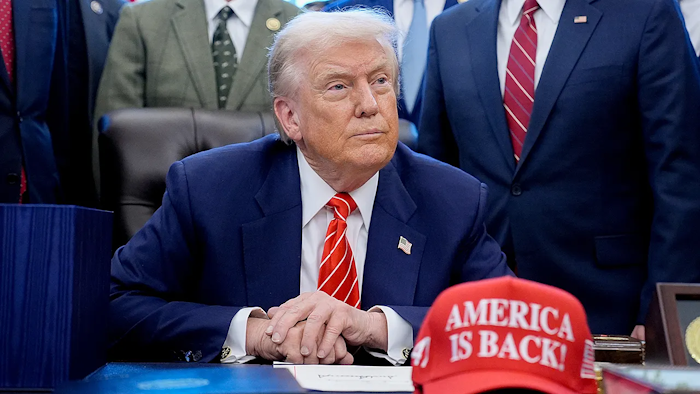
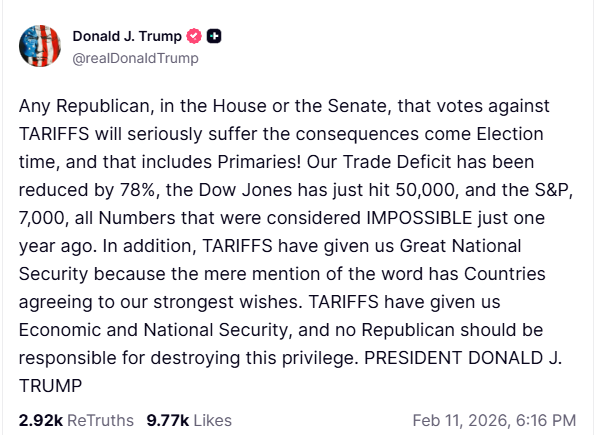
Trump warns GOP lawmakers they will ‘suffer’ serious consequences if they vote to end Canada tariffs
The warning occurred shortly before six House Republicans voted with Democrats to end the tariffs in a 219-211 split, but the vote is largely considered symbolic because Trump is expected to veto it, which would then require a two-thirds majority in both chambers to overturn.