
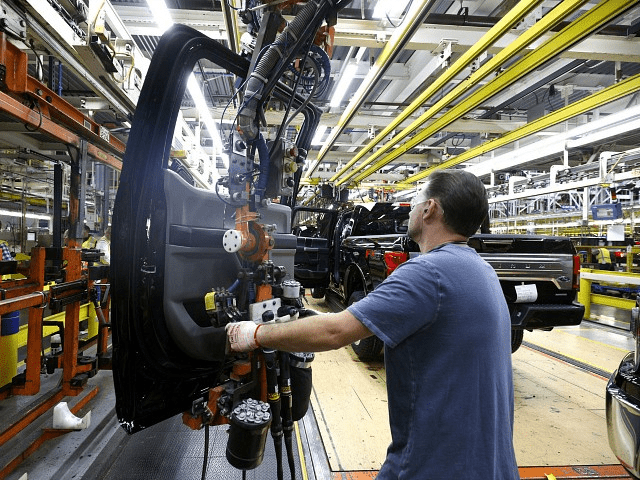
United Auto Workers (UAW) President Shawn Fain engaged in an 11-minute verbal battle with MSNBC hosts Alicia Menendez, Symone Sanders-Townsend and Michael Steele on Sunday over tariffs imposed by President Donald Trump.
United Auto Workers (UAW) President Shawn Fain engaged in an 11-minute verbal battle with MSNBC hosts Alicia Menendez, Symone Sanders-Townsend and Michael Steele on Sunday over tariffs imposed by President Donald Trump.
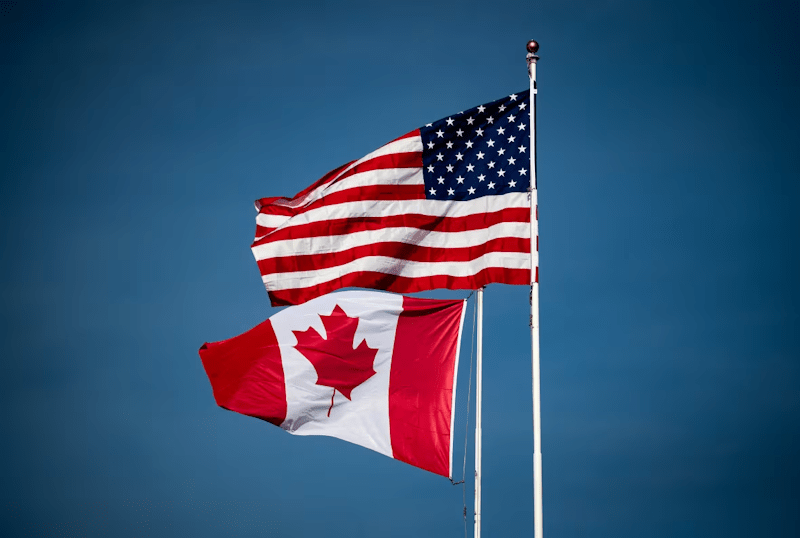
You’d have to squint till your eyeballs ache, but there is a foreseeable scenario where Canada and the U.S. build a closer relationship out of this ugly moment.
This outcome is far from certain — hence the squinting.
But one influential figure in Washington professes to see it. Donald Trump’s first-term trade czar predicted the optimistic scenario last week in Ottawa, speaking behind closed doors.
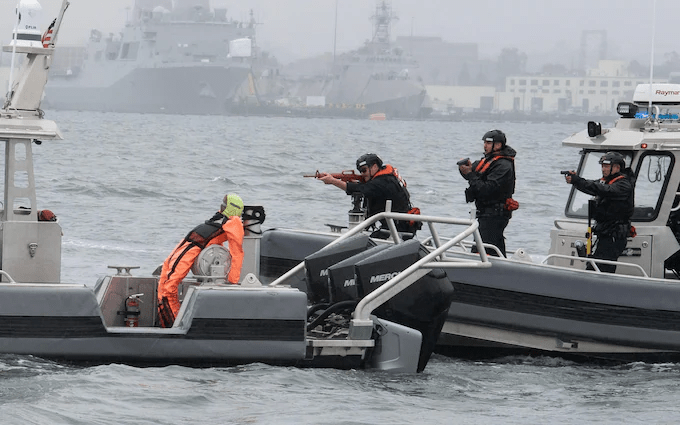
The small boat whipped up spray as it swerved to avoid the pursuing US coastguard vessel.
Crashing over the choppy waters of the San Diego bay, it raced up the harbour, weaving and feinting, columns of smoke bursting upwards on its starboard side when a concussion grenade was hurled on board.
The ending, when it came, was sudden.
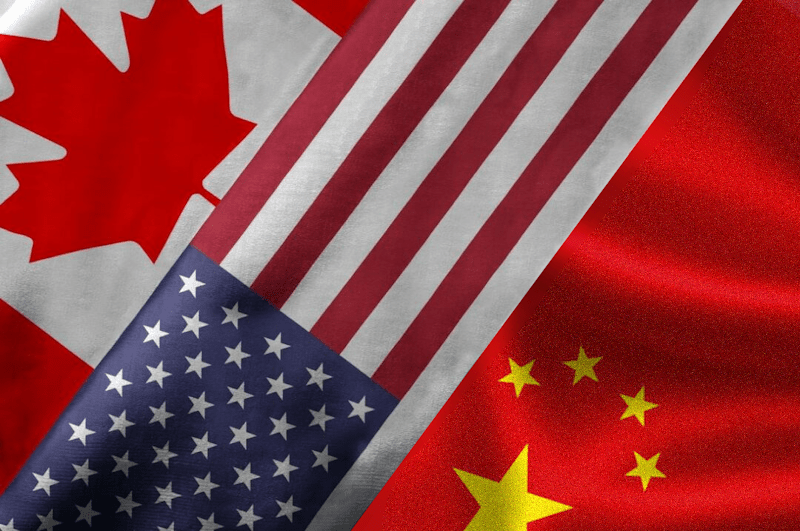 In this federal election, it’s important for Canadians to remember that geography is destiny. Like it or not, Canada is tethered to the United States, and the next prime minister will have to sit down and cut a deal with the protectionist and erratic U.S. President Donald Trump.
Unfortunately, Liberal Leader Mark Carney fails to fully grasp the situation. Despite agreeing to negotiate with Trump after the election, he pronounced the old U.S.-Canada relationship “over,” and made state visits to London and Paris in the apparent belief that the 27 squabbling members of the European Union can replace America as Canada’s economic partner.
China is the enemy the US hopes to defeat.
Given that Carney, the LPC and the China class have chosen to side with the ChiComs I doubt that Trump will offer favourable terms.
h/t Linda1000

We have heard it time and again: America is a nation of immigrants. We pride ourselves on the fact that millions of people from all over the world have seen America, as Ronald Reagan said, as the “shining city on a hill,” the place where they could find a better life for themselves and their families. But something is happening. The immigrants of the last century came to America because they wanted to assimilate into American culture. They wanted to become Americans. Now, there is no such intention. And in one case, isolation, not assimilation, appears to be the goal.
UPDATE: Honda not considering moving auto production out of Canada says Ford, feds (I’m not believing this)
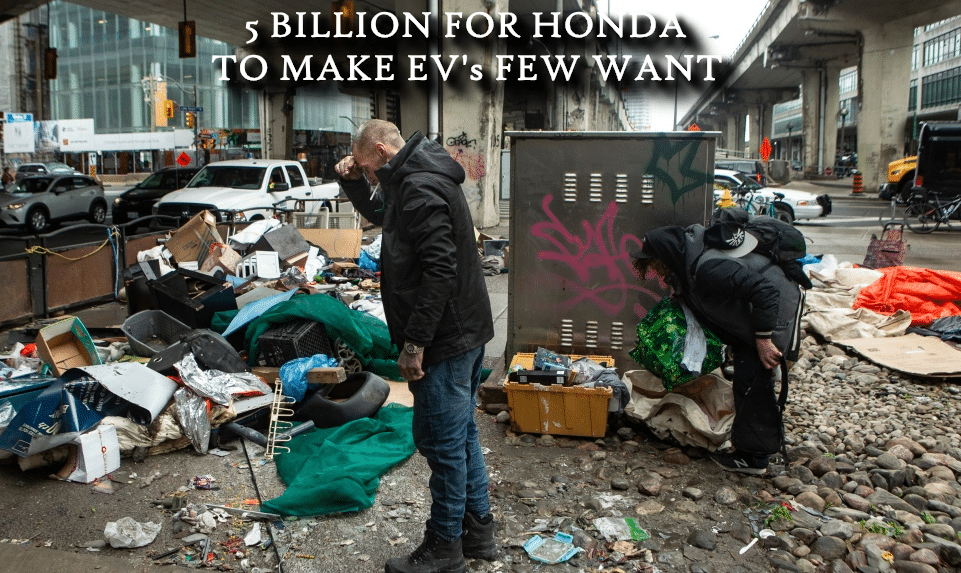
Honda is considering shifting some Canadian automotive production to the U.S. in response to new tariffs, according to a report by Japan’s Nikkei financial newspaper.
The company is looking to shift enough Canadian CR-V and Civic production to the U.S. so that it can meet 90 per cent of U.S. sales with vehicles produced there, up from its current level of about 70 per cent, the report said.
The U.S. imposed 25 per cent tariffs on all imported vehicles in early April, including ones produced in Canada despite the free trade deal, significantly raising costs for all importers.
Are Carney’s and the Liberal Party’s ties to China going to kibosh any hope of good deal?
The Canadian border agency says it has contingency plans in place to respond to a potential new wave of refugee claimants from the U.S., after a recent spike of migrants seeking asylum at an official land port of entry in Quebec.
While it’s too early to say if the number will keep growing, the Canadian Border Services Agency said Canada is prepared as the Trump administration ramps up removal of temporary migrants from the U.S.
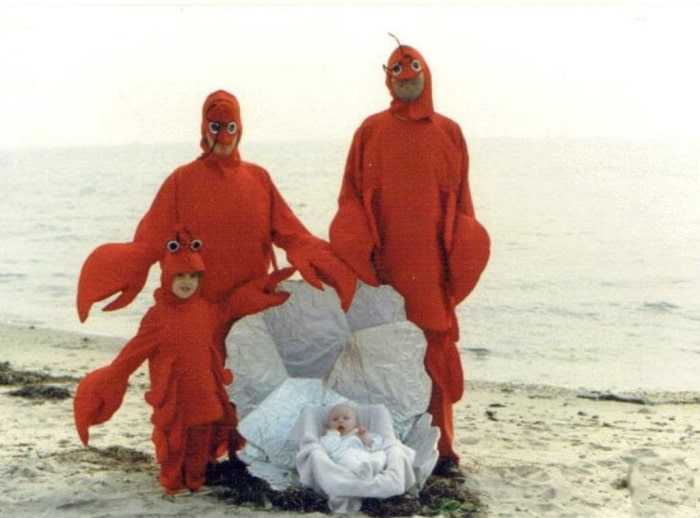
Machias Seal Island is a tiny dot on maps of North America. But the uninhabited, fogbound rock is significant for its location in an area known as the “Grey Zone” – the site of a rare international dispute between Canada and the United States.
The two neighbours and long-time allies have each long laid claim to the island and surrounding water, where the US state of Maine meets Canada’s New Brunswick province – and with that claim, the right to catch and sell the prized local lobsters.
John Drouin, a US lobsterman who has fished in the Grey Zone for 30 years, tells of the mad dash by Canadian and American fishermen to place lobster traps at the start of the summer catching season each year.
As the U.S. goes head-to-head with China in an unforeseen trade battle that will raise the cost of almost everything south of the border, many Canadians are wondering what it means for their wallets.
While experts worry about the Canadian economy slowing down, and many predict global costs are headed up due to Donald Trump’s tariffs, some argue Canadian prices on electronics, clothing, food, appliances and other consumer products will not immediately skyrocket as a result.
In fact, RBC is currently predicting that inflation at the end of 2025 will remain close to the Bank of Canada’s target of two per cent.
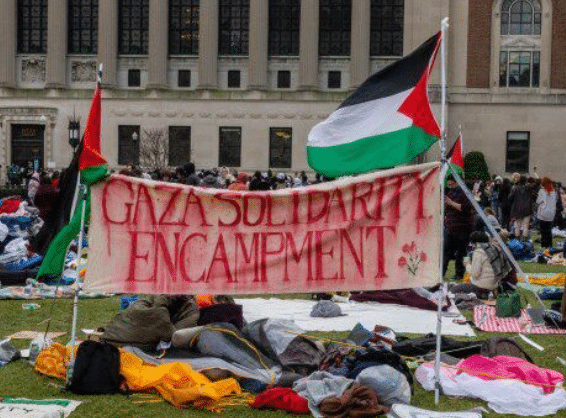
On March 27, Secretary of State Marco Rubio announced that the State Department had revoked the visas of at least 300 students for participating in violent anti-Israel protests. One of the first to face deportation was Mahmoud Khalil, a former master’s student at Columbia University. Given his background, Khalil quickly became the face of the Trump administration’s crackdown on non-citizen terror supporters. But last month, a new face emerged: Yunseo Chung, a junior at Columbia.
Recently declassified FBI documents have exposed a troubling revelation about one of the Washington Post’s Pulitzer Prize-winning stories on Russian collusion. The documents show that FBI officials were aware the story contained false information, yet the newspaper was still awarded journalism’s highest honor.
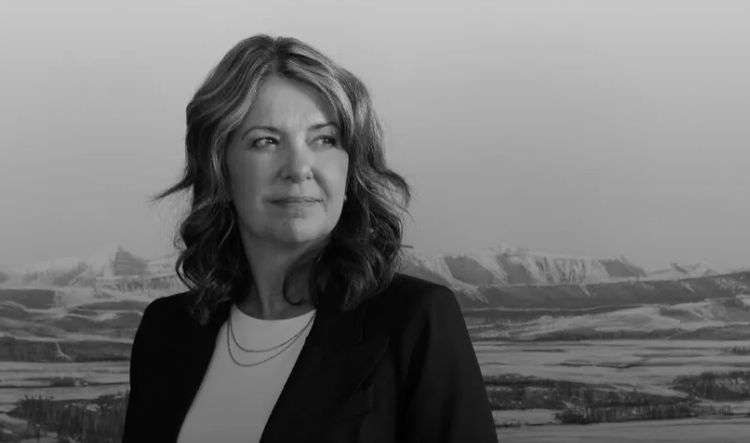
As Canada barrels through one of the stormiest periods in its history toward an April 28 federal election, there’s a name that’s not on the ballot but is on people’s minds: Danielle Smith.
Ms. Smith, the premier of Alberta, the Western province often called the Texas of Canada because of its oil, ranches and conservative politics, is referred to as “divisive” by supporters and critics alike: People love her, people hate her, people love to hate her.
An unapologetic MAGA-aligned conservative, she has riled Canadians across the country by speaking admiringly of President Trump and focusing on her province’s fortunes, particularly its oil exports, even as the U.S. administration menaces Canada.
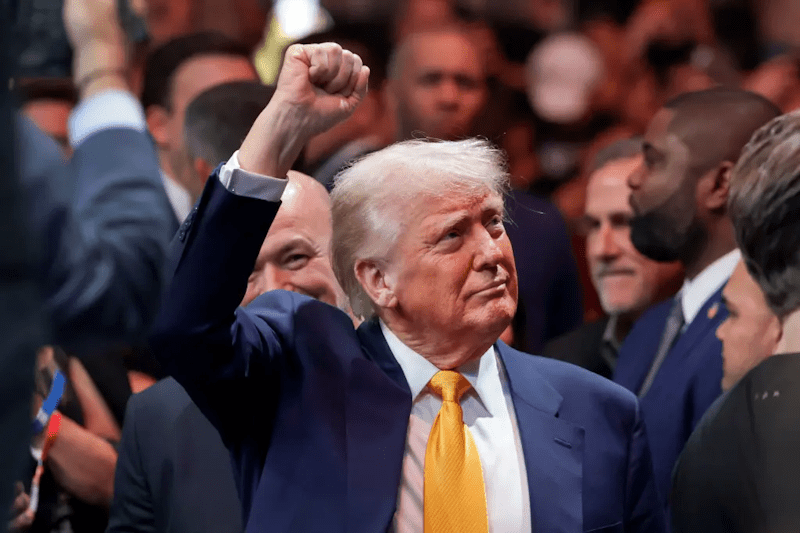
Ten tariff questions aren’t being asked — but should be.
1) President Trump’s so-called “trade war.”
Many call the American effort to obtain either tariff parity or a reduction in the roughly $1 trillion trade deficit and 50 years of consecutive trade deficits a “trade war.”
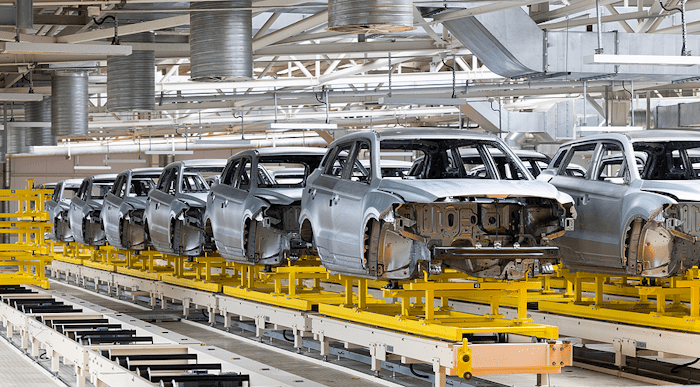
A Lawton has worked in Canada’s auto sector for more than a century.
Their children are “fifth generation Ford workers”, Kathryn Lawton said, and she and her husband both work for the carmaker in Windsor, the heart of Canada’s automobile sector, just a bridge away from the US state of Michigan.
So when US President Donald Trump suggested that Canada stole the American auto industry, Chad Lawton calls it “ludicrous”.
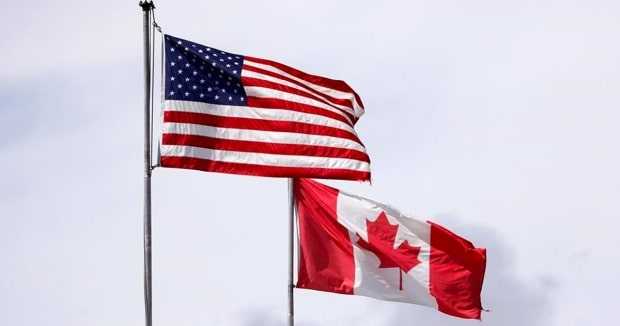
Donald Trump’s tariff crusade has frequently made Lewis Carroll’s Mad Hatter look like a paragon of sanity. While is it is tempting to mock and deride the United States at the moment, Canadians need to remember where our economic bread is buttered. Despite anything politicians or leaders may say, and like it or not, Canada’s economic future and success is tied to the United States for the foreseeable future.
