Canada and the European Union Are in Love. Where Can It Lead?

Canada and the European Union Are in Love. Where Can It Lead?

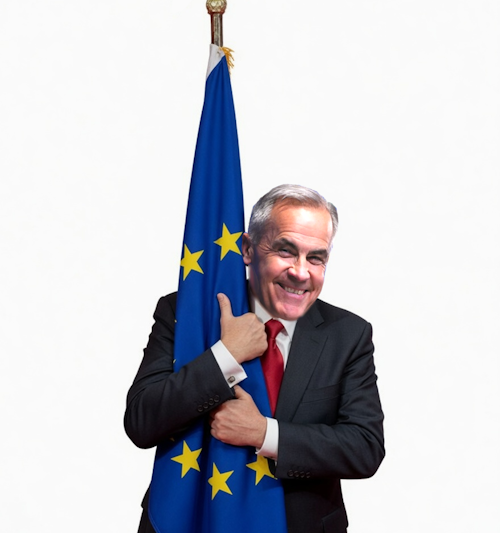
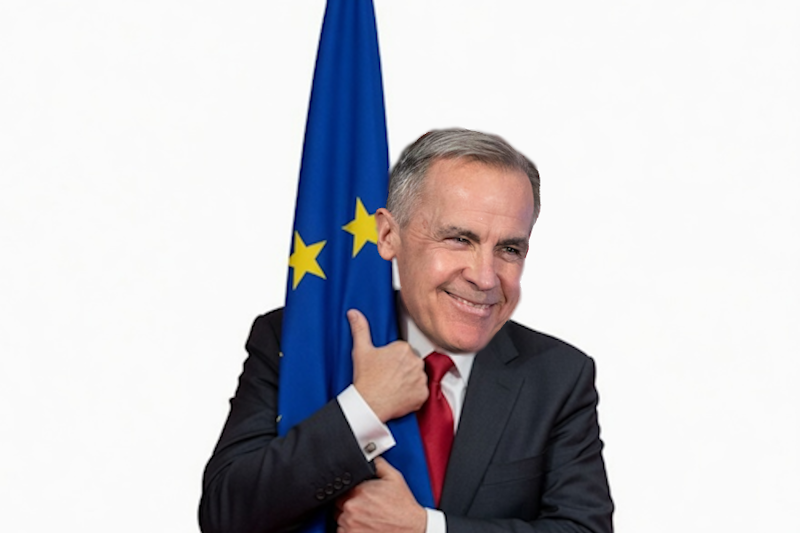
I spent last weekend crossing half the globe with Prime Minister Mark Carney, to spend a few hours with European leaders in Yerevan, the stunning Armenian capital, before crossing all the way back to Ottawa.

Mr. Carney was the first non-European leader to be invited to a meeting of the European Political Community, a grouping that brings together the 27 European Union member states with allies and neighbors, including Britain and Turkey, as well as aspiring members such as Ukraine and Albania.

Share

Europe sermonizes, U.S. pays the price

Europe sermonizes, U.S. pays the price

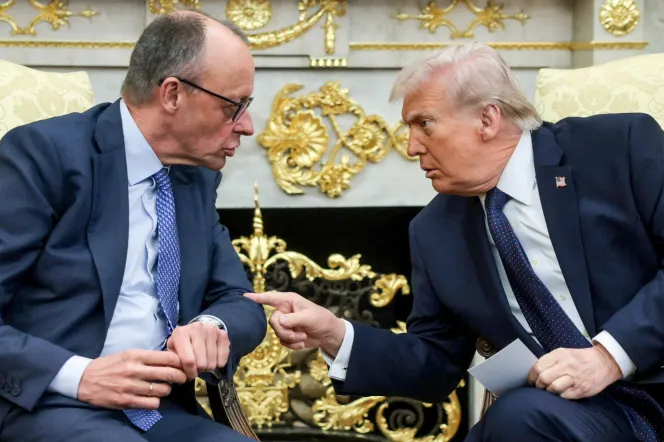
German Chancellor Friedrich Merz has demanded that Iran return to the negotiating table, stop playing for time, stop holding the region and the world hostage, permanently end its military nuclear program, and refrain from any attack against Israel and the West’s regional partners.

On the surface, none of this sounds especially controversial. The Islamic Republic has long used negotiations to buy time, threatened Middle East stability, and exploited tensions with the West as a tool for survival and leverage.

But the real issue in Merz’s remarks is not merely Iran.

Share

The Masks Are Off: How Europe Betrayed the Trump Administration

The Masks Are Off: How Europe Betrayed the Trump Administration

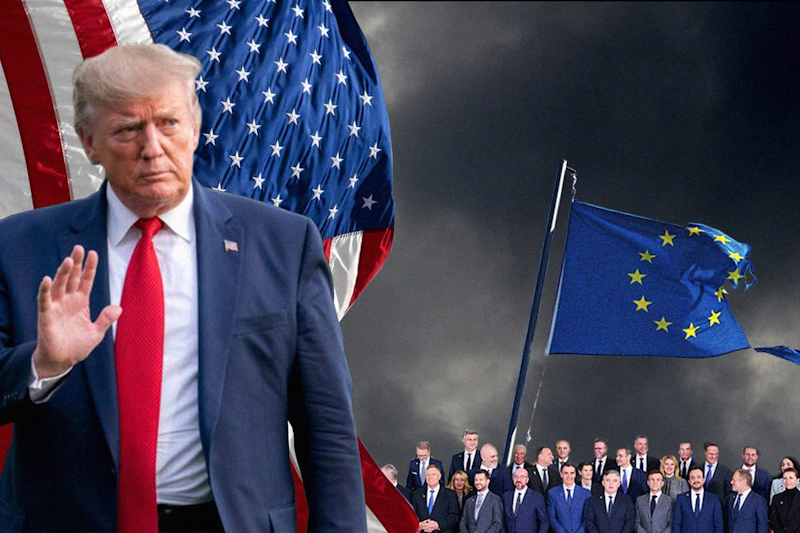
Europe has betrayed President Trump. For years, EU leaders and key national governments have undermined the White House’s agenda quietly, working to remove pro-Washington figures from power. We recently witnessed this in Romania, where Cătălin Georgescu — a clear frontrunner who favored closer ties with the U.S. — was effectively sidelined in the presidential race. In Hungary, there was a concerted effort to defeat Viktor Orbán and his Fidesz party in April. Now, anti-Trump Europe has stepped out of the shadows and is openly distancing itself from the administration, leaving it to face its challenges in Iran alone.

Share

US says migration has made Europe an ‘incubator’ for terrorism in new counter-terrorism strategy

US says migration has made Europe an ‘incubator’ for terrorism in new counter-terrorism strategy

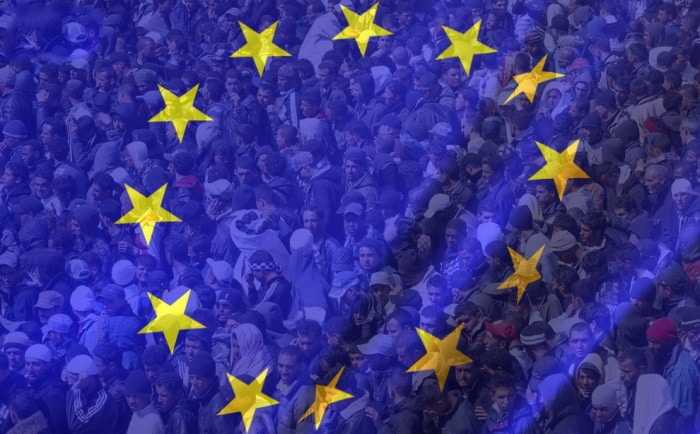
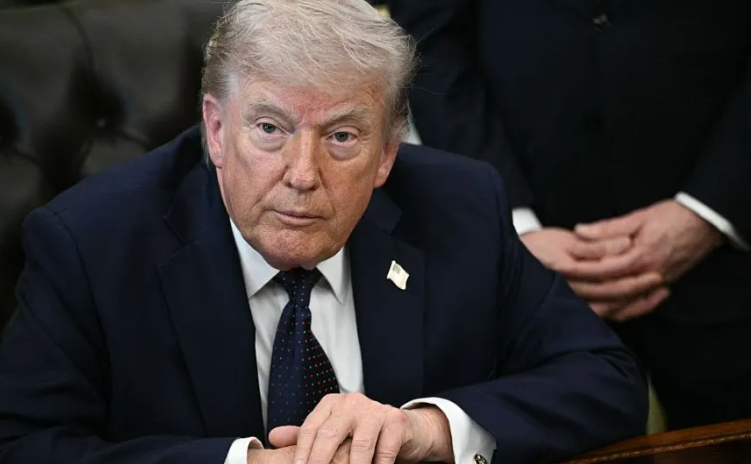
The Trump administration has accused Europe of being an “incubator” for terrorism fuelled by mass migration, in a new counter-terrorism strategy unveiled on Wednesday.

The strategy also focuses on rooting out “violent left-wing extremists” including “radically pro-transgender” groups, as Trump’s conservative administration steps up its political attacks on opponents.

It also further places drug cartels in the Americas at the centre of counter-terrorism efforts.

Share

What to know about the US military presence in Europe as Trump seeks drawdown of thousands of troops

What to know about the US military presence in Europe as Trump seeks drawdown of thousands of troops

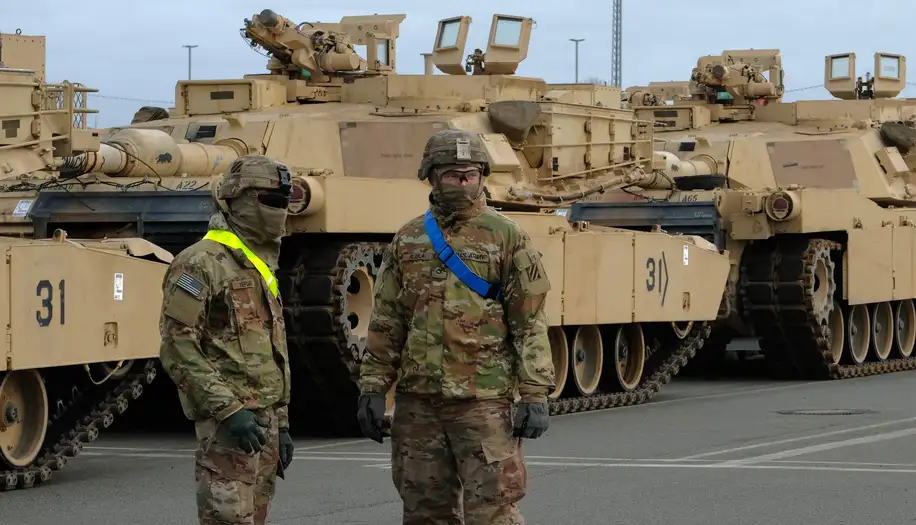
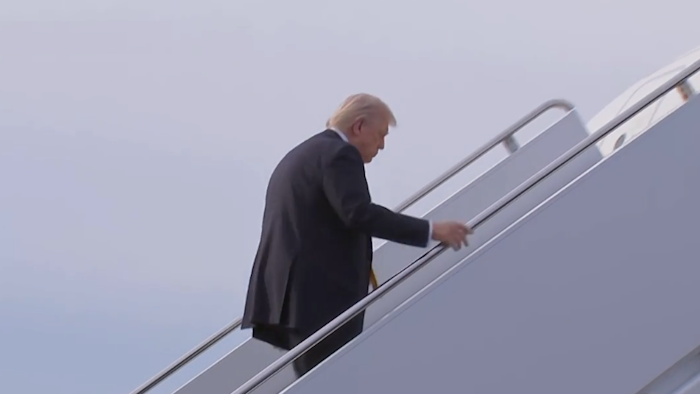
WASHINGTON (AP) — President Donald Trump’s vow to shrink America’s military deployment in Germany has put a new spotlight on the U.S. role in Europe.

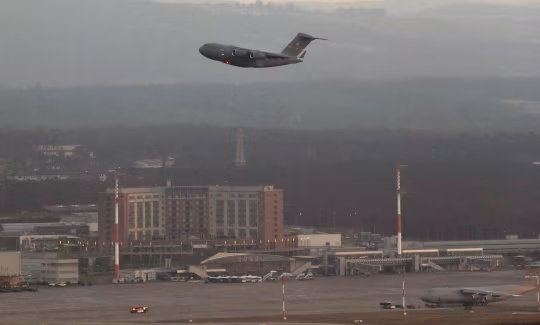
There are usually 80,000 to 100,000 troops on the continent, with more than 36,000 in Germany. The Pentagon announced Friday that it would remove 5,000 troops from Germany, and Trump said the next day that he would go “a lot further” than that.

The U.S. military presence is a legacy of World War II, when Americans helped stabilize and rebuild Europe, and the Cold War, when the troops served as a bulwark against Soviet expansion. More recently, the deployment has played a key role supporting operations in the Arctic, Africa and the Middle East including the current conflict with Iran.

Share

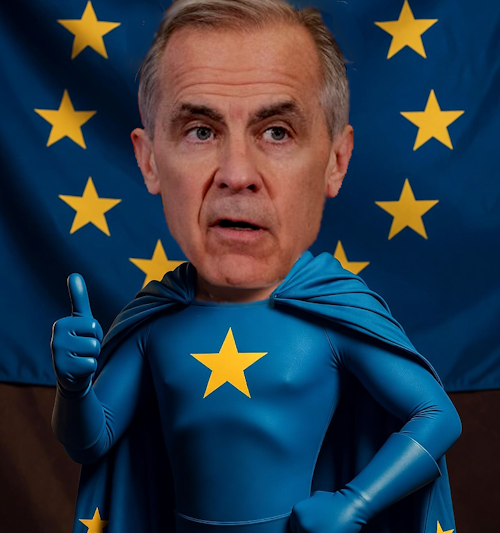
Alarm bells for Trump as Mark Carney joins European summit

Alarm bells for Trump as Mark Carney joins European summit

Officials in Brussels often joke about Canada joining the EU.

Some European leaders, including Alexander Stubb, the Finnish president, have even started to entertain the idea.

It remains a pipe dream for now – but Mark Carney will at least get to play the part of a European leader in Yerevan on Monday.

The Canadian prime minister will become the first leader of a non-European state to join a summit of the European Political Community.

(more…)

Share

Is German troop withdrawal start of US uncoupling from Europe?

Is German troop withdrawal start of US uncoupling from Europe?

Chancellor Friedrich Merz’s assertion that the US is being “humiliated” in its war against Iran has triggered a new confrontation between Europe and President Trump. Four days after the comments were made, the Pentagon announced plans to withdraw 5,000 troops from its bases in Germany.

Many experts see it as a waypoint in the American military’s continuing uncoupling from the Continent. There are more than 38,000 active US troops in the Federal Republic and on Saturday the defence minister, Boris Pistorius, implied the move was expected, saying: “We Europeans must take on more responsibility for our own security.”


Payback to the base for the Iran conflict?

Share

U.S Troop Withdrawal Expands Yawning Rift Between U.S. and Europe

U.S Troop Withdrawal Expands Yawning Rift Between U.S. and Europe

BERLIN—German officials shrugged off President Trump’s decision to withdraw 5,000 U.S. troops from the country as symbolic, but analysts warned the broader trans-Atlantic rift risks leaving Europe’s economy and security dangerously exposed.

Trump’s latest increase in tariffs on European cars, his apparent U-turn on plans to station long-range missiles in Germany and the economic and military fallout from the war in Iran will have a bigger impact on the region, they warned.

“All of these are a bigger deal than a symbolic 5K-troop reduction,” said Thorsten Benner, director of the Global Public Policy Institute, a Berlin security think tank. “So is the rapid depletion of U.S. arsenals due to wasting enormous amounts of precious assets in the Iran war.”

Share

Trump threatens to withdraw troops from Italy and Spain

Trump threatens to withdraw troops from Italy and Spain

Donald Trump has threatened to withdraw US troops from Italy and Spain a day after saying he was looking at reducing the number deployed in Germany.

The US president’s threat to Germany came after the country’s chancellor, Friedrich Merz, said America was being “humiliated” by Iran.

Trump has severely criticised Nato allies for not sending their navies to help to open the strait of Hormuz, a crucial commercial shipping corridor.

Share

Sex Crime Rises Across Europe as Western Nations Top the List

Sex Crime Rises Across Europe as Western Nations Top the List

New figures from Eurostat show that sexual violence offences across Europe continued to rise in 2024, with sharp differences between Western and Eastern countries likely to intensify debate over the link between crime and migration.

Police recorded 256,302 sexual violence offences in 2024, including 98,190 cases of rape. This represents a 5% increase in sexual violence overall and a 7% rise in rape compared with 2023.

Share

Europeans Dream of Throwing Themselves into the Jaws of the Russian Bear

Europeans Dream of Throwing Themselves into the Jaws of the Russian Bear

Some ideas refuse to die. One of these is the notion of a European “reversal of alliances” into the arms of Russia. The phrase refers to the unexpected decoupling from former allies, accompanied by an unexpected alliance with former enemies. In 1756, Austria, which had always been an ally of Great Britain, instead allied with its longtime foe, France. Meanwhile, Great Britain and its old enemy, Prussia, became allies — resulting in the Seven Years’ War.

You hear it in Europe from the “new right” and the far left — at conferences where people swoon over “multipolarity” and in the corridors of Germany’s Bundestag, where desperate industrialists plead for Russia’s Gazprom to reopen its taps.

If this reversal of alliances was possible in 1756, why not in 2026?


I’m sure Carney has bought in.

Share

How Europe is wargaming an invasion

How Europe is wargaming an invasion

The four frogmen in black wetsuits emerged almost noiselessly from the murky depths. No tell-tale stream of bubbles betrayed their approach.

Assault rifles at the ready, they surfaced in enemy-held territory, using “rebreather” scuba gear developed for special forces that recycles each exhaled breath.

Minutes earlier, they had checked the lake for mines; now they began probing the surrounding woodland for snipers. Their water-resistant weapons were ready to fire.

Share

Joel Kotkin: Canadians must stop romanticizing a failing Europe

Joel Kotkin: Canadians must stop romanticizing a failing Europe

Canadians have long looked away from their often gruesome southern neighbor, tempted instead to embrace a chicer European identity. They could point to a more civil public culture, greater bilingualism and a more generous welfare state, compared to the dog-eat-dog reality of the United States. Prime Minister Mark Carney has called Canada “the most European of non-European countries,” and some policy wonks now advocate joining the EU.

Share

Demographic Decline and Europe’s Political Deadlock

Demographic Decline and Europe’s Political Deadlock

It is well known that socialism is an ideology that ignores the individual and focuses all its attention on the collective. Marx, the preeminent socialist economic theoretician, divided individuals into classes based on the function they have in producing economic value; Lenin, Mao, and others have iterated their own versions of Marxist class theory.

Wherever socialists have carried their ideology to its completion, the result has been the same in terms of the people: in Mao’s China and Stalin’s Soviet, tens of millions of people were starved to death or otherwise killed by the regime; in Pol Pot’s Cambodia, one-quarter of the country’s 8 million people were annihilated in the name of the state’s ideology.

Share