Ontario looks to build first full-scale nuclear power plant in decades

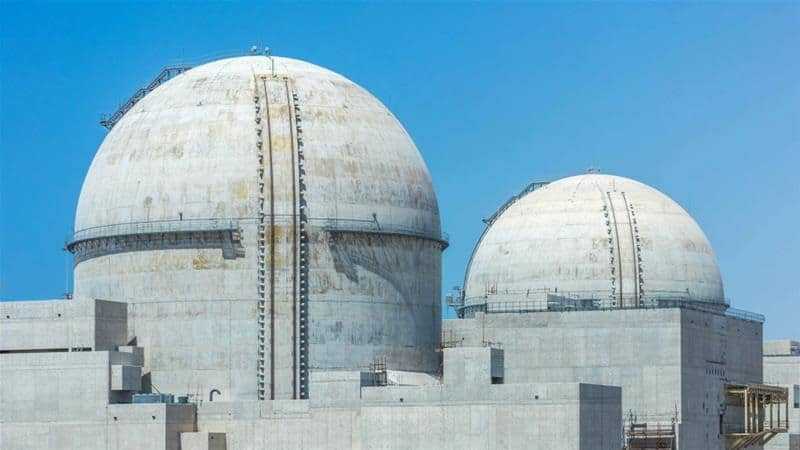
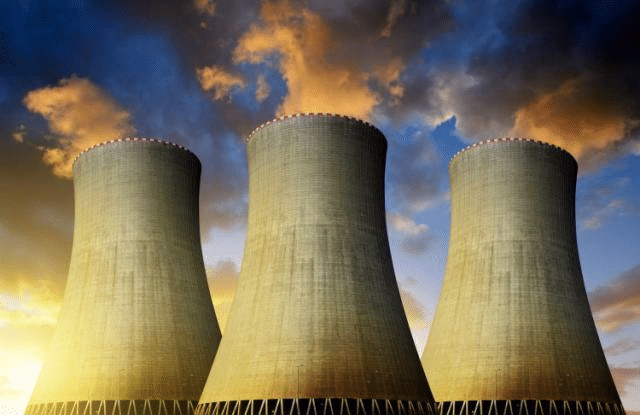
Ontario could be getting its first new, full-scale nuclear plant in three decades, the province’s Energy Minister said Wednesday, unveiling plans to work with privately-owned Bruce Power to conduct an environmental study of a potential additional facility at the company’s massive existing site on the shores of Lake Huron.

… Any new nuclear facility in Ontario would require at least a decade for an extensive federal impact assessment and public consultations – including with local Indigenous groups – as well as final approvals by the federal Canadian Nuclear Safety Commission. It would also cost many billions of dollars. When the Liberal government of Dalton McGuinty scrapped plans for a new full-scale facility near Ontario Power Generation’s Darlington site in Clarington, east of Toronto, more than a decade ago, the projected price tag was expected to be more than $25-billion. The government provided no cost estimate on Wednesday.

That’s a sick joke and I suspect much of the process is just a scam for well connected hacks to line their pockets.

Share

The Myth of End of Oil and Regime Change

“Let’s not politicize oil!” How many times have you heard that admonition?

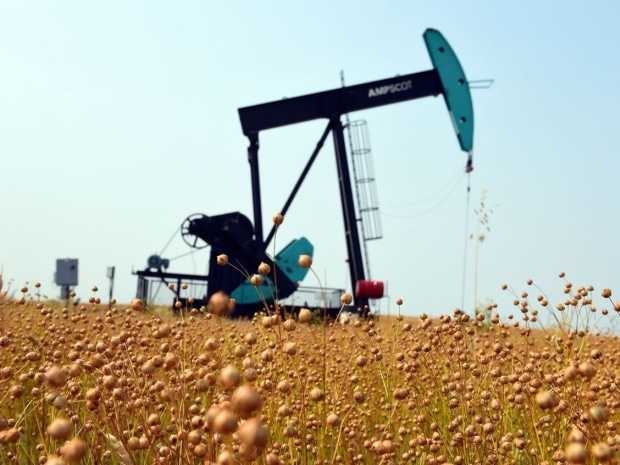
It was first coined in the late 19th century, when oil was beginning to emerge as the key lubricant of a modern industrial society. Having started as a new venture by private entrepreneurs, what took shape as the oil industry soon attracted the attention of all major industrial nations. By the early 20th century most of them had set up their national, that is to say state-owned, oil companies, thus making oil political while insisting that it shouldn’t be politicized. (The US alone didn’t and still doesn’t have a state-owned oil company.) From the start, the biography of oil has included another theme: fear of the world running out of oil. In the 1930s a report prepared for the British admiralty warned that oil may become “a scarce resource” within a couple of decades.

Share

Germany: We Need Nuclear Power From France

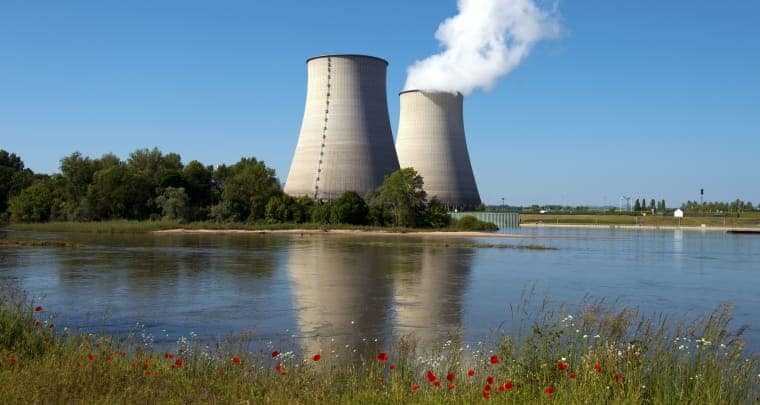
European countries are still feeling the pinch of being cut off from Russian gas as the German Federal Network Agency, the Bundesnetzagentur, has revealed that the country will be dependent on purchasing electricity this winter from neighbouring France, relying on French nuclear power.

The current German leftist coalition of the left-wing Social Democrats (SPD), the Greens, and the pro-free market Free Democrats (FDP) have confirmed the findings of the “needs analysis” conducted by the agency, which regulates electricity, gas, and other utilities, according to a report from the German tabloid Bild.

Share

Britain fires up coal plant as weather becomes too hot for solar panels to work efficiently

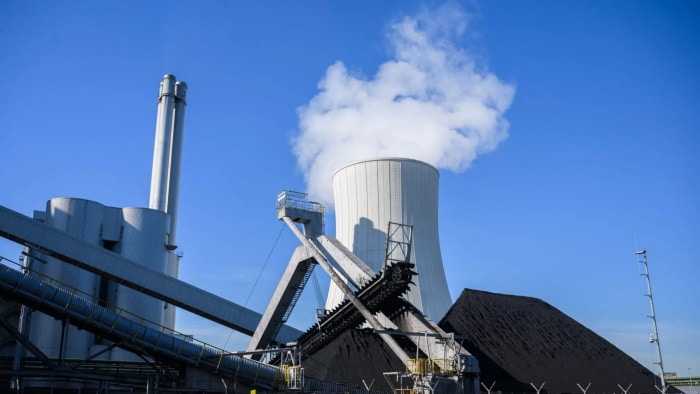
Britain has started burning coal to generate electricity for the first time in a month and a half, after the heatwave made solar panels too hot to work efficiently.

One unit at Uniper’s Ratcliffe-on-Soar coal power plant in Nottinghamshire started producing electricity for the first time in weeks on Monday morning, while another coal-powered plant was warmed up in case it was needed by the early afternoon.

Share

The energy transition Ontario really needs is to nuclear

If Ontario wants to keep its lights on and its economy stable, it needs to abandon the fantasy that wind and solar power can make a meaningful contribution to its energy needs. In the absence of untapped hydroelectric sites, the provincial government’s determination to outlaw fossil fuels in pursuit of an all-electric society means Ontario has no choice but to go nuclear.

Share

Voters flock to the AfD in search of energy realism

Germany’s mainstream parties are stuck in an old ideology

During a press conference in March, German Chancellor Olaf Scholz promised that the green transition will lead to growth rates last seen during the economic miracle of the 1950s. During that decade, the West German economy grew by 8% per annum, outperforming all of Europe and most of the world. As we now know, at the time of Scholz’s speech the economy was already in recession, and based on current forecasts Germany could well be the only G7 nation with a contracting economy this year.

Share

Jerome Gessaroli: Liberals’ war on cars harms low-income Canadians

A growing number of Canadians are finding it increasingly challenging to maintain their standard of living, with more and more people struggling just to afford basic necessities.

Even though a range of contributing factors — such as rising commodity prices, or supply disruptions due to the war in Ukraine — are beyond our government’s control, Canadians nonetheless hold the belief and expectation that any actions or interventions taken by the government will lessen the burdens we face. Unfortunately, too often government policies often have the opposite effect and financially burden Canadians further.

It’s a war designed to impoverish us.

Share

If the hot weather keeps up, Ontario is ‘at risk’ of power shortages this summer, report finds

Ontario is singled out in an electricity regulator’s report warning two-thirds of North America is “at risk of energy shortfalls this summer” should temperatures spike.

With the province in the grip of an early June heat wave in the last few days, the Atlanta-based North American Electric Reliability Corporation says extended refurbishments at nuclear power plants could result in a power pinch if the coming months prove hotter than usual, causing “extreme demand.”

More Nukes Now.

Share

Solar panels – an eco-disaster waiting to happen?

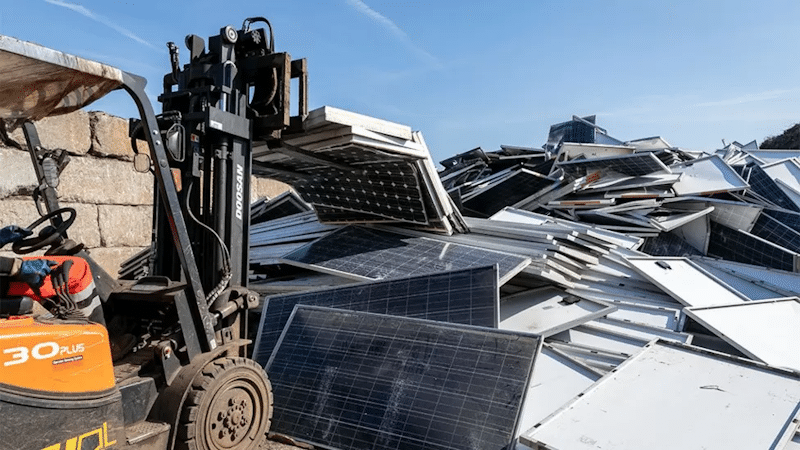
While they are being promoted around the world as a crucial weapon in reducing carbon emissions, solar panels only have a lifespan of up to 25 years.

Experts say billions of panels will eventually all need to be disposed of and replaced.

“The world has installed more than one terawatt of solar capacity. Ordinary solar panels have a capacity of about 400W, so if you count both rooftops and solar farms, there could be as many as 2.5 billion solar panels.,” says Dr Rong Deng, an expert in solar panel recycling at the University of New South Wales in Australia.

Share

Silly woman sincerely believes her electric car is saving the environment, develops priggish attitude toward poor people and those who don’t buy into her fantasy

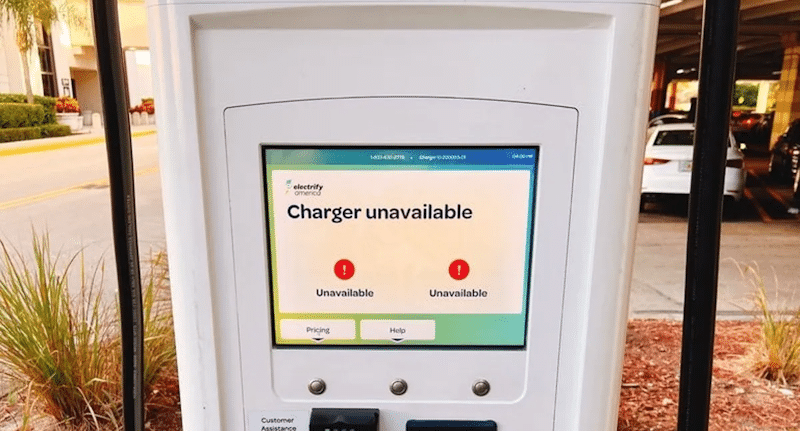
Not again. All the electric vehicle charging stations were taken, and I knew I was in for at least a 30- to 40-minute wait. And yet, the app on my phone showed two chargers had been available five minutes ago. I had driven in this pouring rain for nothing, but what choice did I have? My EV needed charging for the next day’s commute, and this was the closest station to my home.

When my old Hyundai Elantra received a death sentence at the repair shop in 2019, I decided that my new vehicle was going to be electric. Up until then, I had cared for the Earth by doing small things, such as using reusable grocery bags and recycling plastic and paper products. I wanted to do more. The demise of my gas-powered vehicle presented a perfect opportunity. I looked forward to driving a car that did not emit pollution or run on fossil fuel.


A callous prig in the making: Pay for my luxury poor people, I’m saving the world! She is unaware of what she has revealed about herself in this very CBC screed. The comments indicate people are waking up to THE BIG EV LIE.

Lo and Behold …

I received a survey from the Condo board today. They wanted to know our thoughts on installing EV Charging stations.

Unfortunately our building cannot accomodate a charger for every parking spot.

Their proposed solution is to convert some visitor parking to Pay as you go EV charging spots.

Oh fab, I get to pay so someone else has a charger handy.

An ROI wasn’t even mentioned. I doubt this limited conversion would boost resale value by an amount that could justify the investment.

Share

Renewables and rare earths: the virtuous ravaging of South Africa

South Africa Beats Climate Goal as Blackouts Slash Emissions. It’s one of those headlines you read and assume the Babylon Bee is to blame. In this case, it came from a Bloomberg article, gushing about South Africa’s falling emissions putting it on track to meet its 2025 climate goals. They were even bold enough to note: ‘Power plant breakdowns are reducing industrial activity.’

Sure, collapsing into the Stone Age is probably going to lower your CO2 emissions – for a while – but pretty soon everyone is going to be chopping down the nearest forest like it’s 5000 BC.

Share

Cory Morgan: Canada Must Establish a Robust East/West Energy Corridor to Avert the Catastrophe of a Line 5 Shutdown

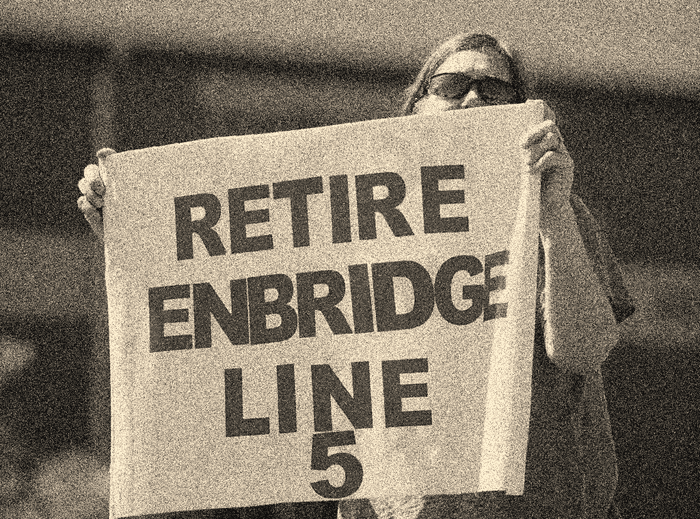
The battle over the operation of the multi-national Enbridge Line 5 pipeline appears to have no end. American anti-energy activists—invigorated by their victory in shutting down the Keystone XL pipeline from Canada—have set their sights on Line 5 and won’t quit until the line is shut down one way or another. Cross-border pipelines could soon be a thing of the past, and Canada’s energy security is vulnerable due to this.

Share

The Tragedy of Indian Point

Bowing to anti-nuclear fears, New York chose to shut down a reliable and safe source of energy—and now burns more fossil fuels than before.

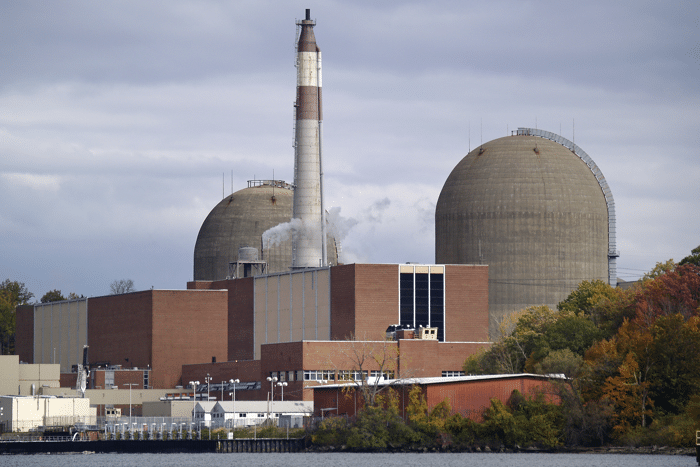
Two years ago, on April 30, 2021, the final reactor at New York’s Indian Point nuclear power plant ceased operation. This final closure (the plant’s first reactor was shuttered in 1974, the second in 2020) brought to an end a decades-long saga over the 2,000-megawatt behemoth on the Hudson River. New York’s then-governor, Andrew Cuomo, touted the shutdown as a major victory for state residents, “ending the threat the plant has long-posed to an area that is vitally important to our state, the nation, and the world.”

Share

Canada ‘extremely concerned’ about fate of Line 5 pipeline in Wisconsin says embassy

WASHINGTON – Canada’s embassy in Washington says it is “extremely concerned” about the fate of the Line 5 cross-border pipeline.

A court hearing Thursday in Wisconsin could determine whether the pipeline, owned and operated by Enbridge Inc., is allowed to continue operating.

“The energy security of both Canada and the United States would be directly impacted by a Line 5 closure,” the embassy said in a statement.

Why am I starting to believe this may really happen?

Share

The overbudget Trans Mountain pipeline project is carrying $23B in debt — and needs to borrow more

The overbudget Trans Mountain expansion project owes its lenders at least $23 billion and is looking to take on more private debt as the federal government shuts its wallet and construction costs skyrocket.

CBC News has reviewed newly released documents from Trans Mountain and another federal government entity. They show the expansion project is burning through cash and needs to borrow billions of dollars more to finish the work, which the company says was almost 80 per cent complete as of March.

“The business is significantly leveraged with debt,” Trans Mountain’s updated corporate plan says.

Share