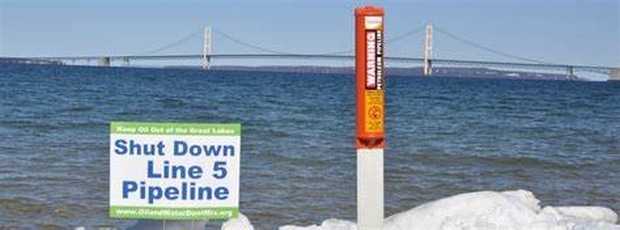
Pipeline plot twist: where Line 5 threatens nature, now nature is a threat to Line 5

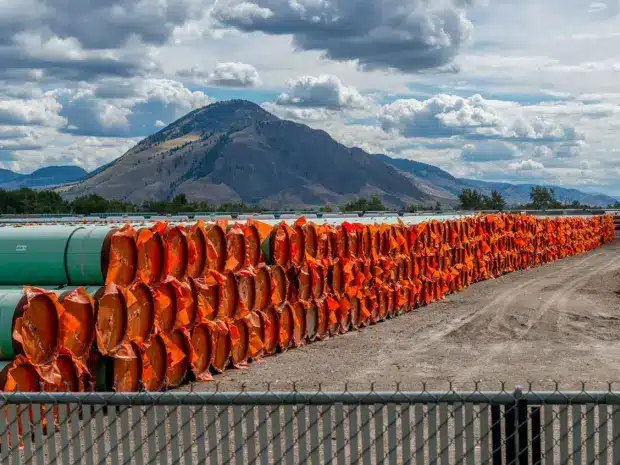
The controversial Canada-U.S. oil and gas conduit known as Line 5 could be facing its toughest challenger yet: the very watershed the pipeline’s detractors are trying to protect.

Spring flooding has washed away significant portions of the riverbank where Line 5 intersects Wisconsin’s Bad River, a meandering, 120-kilometre course through Indigenous territory that feeds Lake Superior and a complex network of ecologically delicate wetlands.

This could prove disastrous.

Share

Why I Don’t Worry About Nuclear Waste

On a visit to the site of the Fukushima nuclear plant meltdown in Japan in February, Representative Alexandria Ocasio-Cortez of New York did something refreshing: She discussed radiation exposure and nuclear waste without fanning fear. The radiation she got from her visit — about two chest X-rays’ worth — was worth the education she received on the tour, she told her 8.6 million Instagram followers. She then spoke admiringly of France, which, “recycles their waste, increasing the efficiency of their system and reducing the overall amount of radioactive waste to deal with.”

Share

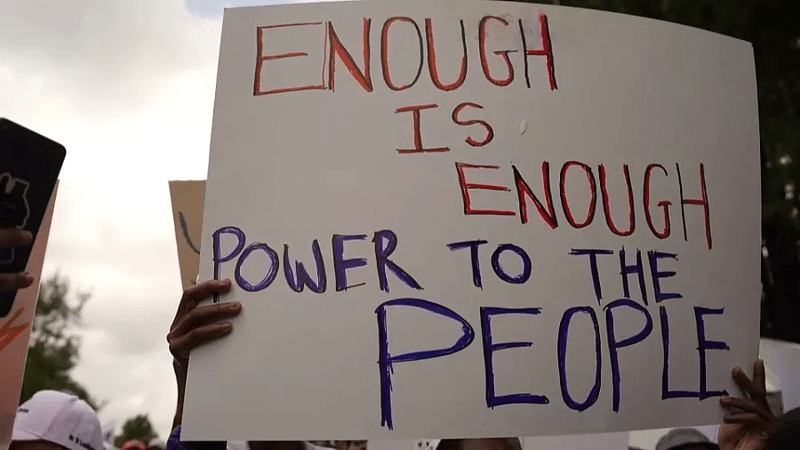
Derek H. Burney: Enough is enough of energy absurdity

A line must be drawn between obtuse environmental orthodoxy and the rational need for responsible energy development

Led by Saudi Arabia and Russia, the Organization of the Petroleum Exporting Countries (OPEC) recently announced a million-barrel-per-day reduction in oil production, action only cartels can take to limit supply in order to raise prices — the cost to the global economy be damned. It will inevitably lead to higher North American gasoline prices as refineries gear up for peak-driving summer months. Even more damning is that it exposes the inherent fallacy of the anti-energy policies of Canada and the United States, which have two of the largest oil and gas reserves on the planet. Their determination to squelch oil and gas development in the name of climate change gives Saudi Arabia, Russia and other OPEC members the whip hand on prices for key energy supplies and stimulates already high inflation rates. Canada and the U.S. together unwittingly surrender leverage about the price of a resource vital to our economy. Does this make any sense?

Share

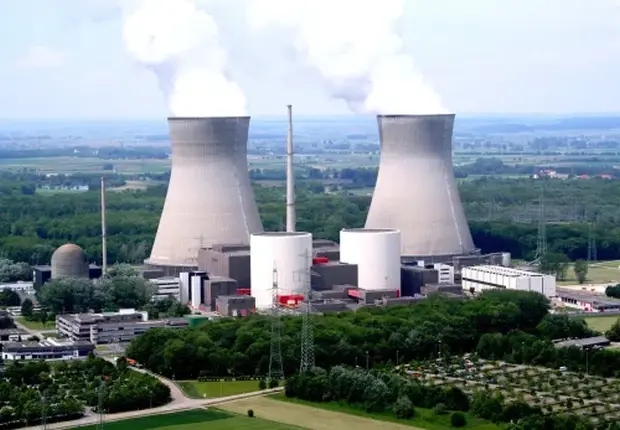
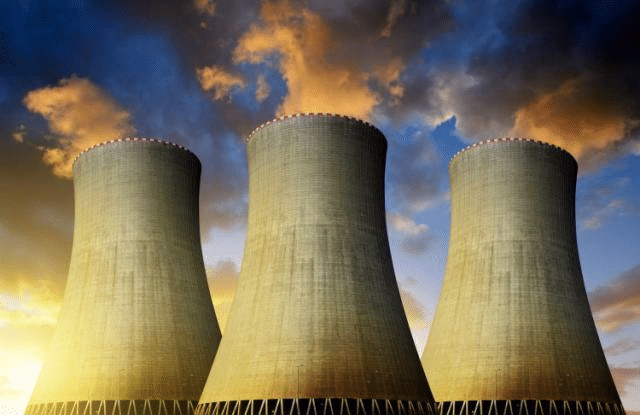
Bavaria mulls reopening nuclear plant under state control

Bavarian Premier Markus Söder on Sunday proposed that his southern German state could assume control of the Isar 2 nuclear power plant, which was permanently taken off the grid, along with two other remaining power stations shortly before midnight.

Söder, who has been a staunch critic of Germany’s decision to transition away from nuclear energy, told the Bild am Sonntag newspaper that the move would require an amendment to the Atomic Energy Act to hand control of nuclear power from the federal to the state level.

It was a monumentally stupid decision to shut down the reactors.

Share

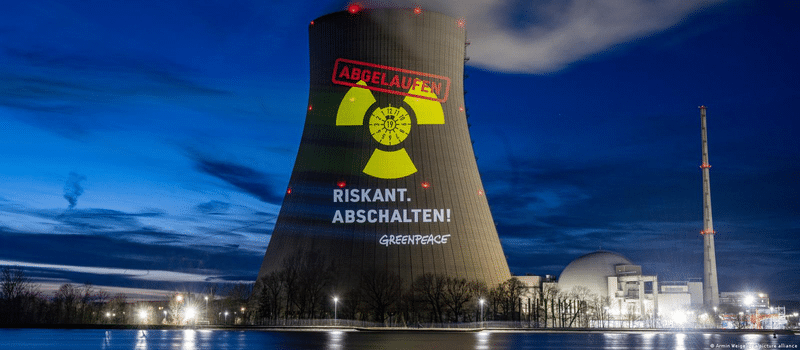
Germans split as last three nuclear power stations go off grid

On the other side of the Gate, there were protests, as demonstrators marched against the closure of Germany’s three remaining nuclear power stations.

By midnight on Saturday, Isar 2, Emsland and Neckarwestheim 2 had all gone offline.

At the Brandenburg Gate, where the Wall once divided Cold War Berlin, nuclear energy is an ideological fault-line that splits the country. It is an issue that is emotionally charged like few others. And particularly now as war in Europe again looms large.

Share

Case for Nuclear Strengthens as First New Reactor in Decades Goes Online

America and the world are experiencing heightened energy insecurity. Nuclear power provides a reliable and clean source of energy — if the government lets it.

Something big has happened in the realm of nuclear power, strengthening the case for the energy source. Vogtle Unit 3 began supplying its first electricity to the grid on April 1. It’s the first truly new reactor in the U.S. since 1996, 27 years ago.

Unit 3 is scheduled to enter commercial operations by the middle of this year, with the nearby Unit 4 projected to be complete later this year. Together, the new units will provide electricity to half a million homes and businesses in Georgia.

Share

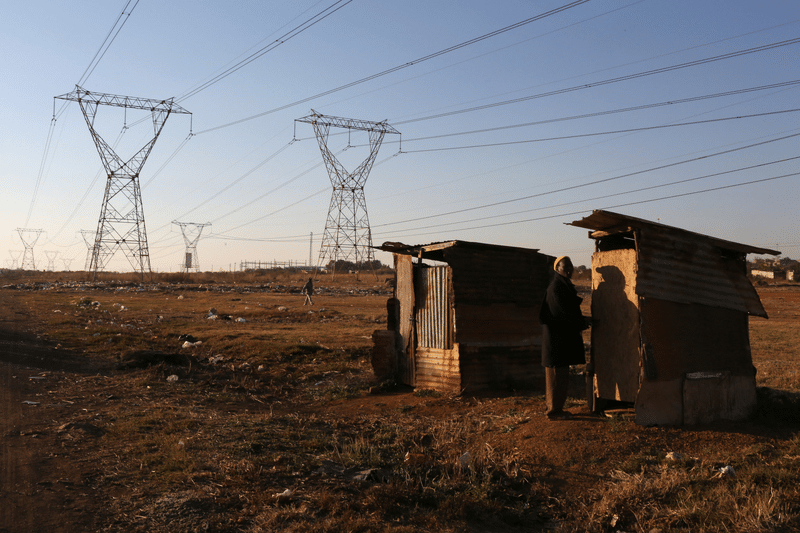
Ruinous blackouts threaten to end ANC rule in South Africa

When the power started going out daily in South Africa, the lights also went out on Lungie Klaas’s coffee shop. He and his wife had poured in £14,700 of savings to get their business off the ground, and their hard work had been rewarded with a decent trade among the morning commuters in their Cape Town suburb.

That was until relentless rolling blackouts started hitting each day at their busiest time. At a stroke, coffee machines could not work during their peak business hours and they lost three-fifths of their custom. Running a generator was too expensive, so they had to close. “That put four guys out of a job,” he recalls.

Share

Jamie Sarkonak: Liberals defer to secret spiritual beliefs to approve energy projects

The phrase “evidence-based decision-making” was used a lot during the pandemic by government officials. “Following the science” was another common one.

It’s strange, then, that a government claiming to believe so deeply in rational thought has placed unverifiable spiritual belief at the core of how it judges the environmental impact of energy and other natural resources and infrastructure projects — and has shielded those beliefs from Canada’s transparency laws.

Share

The African power grid collapse is spreading

“Last summer, we looked at the collapse of the power grid in South Africa. The country which previously had the most economically stable and prosperous government in sub-Saharan Africa suffered waves of unemployment and looting as its economy buckled under the strain. They’ve managed to put together some foreign aid to apply patchwork fixes since then, but there are still rolling blackouts taking place on a regular basis. This winter, however, the power grid problems are spreading in one of the more underreported stories of the year.”


Oh great… 

Kamala Harris Africa trip: Can US charm offensive woo continent from China?

Share

Vegetable shortages in UK could be ‘tip of iceberg’, says farming union

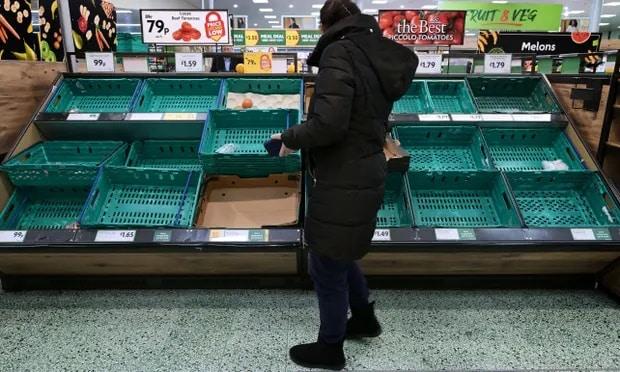
Shortages of some fresh fruit and vegetables such as tomatoes and cucumbers could be the “tip of the iceberg”, the National Farmers’ Union (NFU) has said.

Certain products are hard to come by in UK supermarkets due to poor weather reducing the harvest in Europe and north Africa, Brexit rules and lower supplies from UK and Dutch producers hit by the jump in energy bills to heat glasshouses.

The NFU’s deputy president, Tom Bradshaw, said a reliance on imports had left the UK particularly exposed to “shock weather events”.

Share

Joe Biden puts America First on electric vehicles

Joe Biden – He ain’t in charge of anything except Window Licking

The president’s green protectionism is freezing out his allies

A trade war is brewing between the United States and its closest allies. When Thierry Breton, the EU’s internal markets commissioner, pulled out of a summit with US officials just before Christmas, he complained that the agenda ‘no longer gives sufficient space to issues of concern to many European industry ministers and businesses’. A few days before, Emmanuel Macron cornered senator Joe Manchin in Washington DC. ‘You’re hurting my country’, the French president told Manchin. The senator was given a similarly frosty reception at the World Economic Forum in Davos, where Germany’s Olaf Scholz and Luxembourg’s Xavier Bettel accosted him caustically.

The Europeans are upset about Joe Biden’s Inflation Reduction Act (IRA), written by Manchin’s office, which commits $370 billion (£300 billion) to clean energy projects based in North America.

Share

The States Power Down

Ambitious renewables mandates by local governments are eroding the electric grid’s reliability, with alarming consequences.

Vermont is one of the nation’s most environmentally friendly states. But two years ago, the backers of a local wind-energy farm shelved the project after intense public opposition. An initiative supporter noted how the controversy reflected rising hostility to wind power. Whereas a decade ago, ambitious developers had planned a dozen renewable-energy projects in Vermont, by 2020, most had either folded or failed to win regulatory approval. “This is truly a sad state of affairs for Vermont,” the CEO of a green-energy firm said, while pointing out that the state has mandated that 75 percent of its power should come from renewable energy within a decade.

Share

Electrification Is Based on Manufactured Necessity

Civilization cannot stand unless civilized people stand up to hysterics.

It’s always a sound idea to start at the beginning rather than in the middle — so let’s do that.

The whole push for “electrification” is based on a manufactured “necessity” — that of preventing what is styled “climate change.” The assertion itself is so vague as to be without substantive meaning. That’s a good beginning. How are we supposed to have any kind of intelligent debate when the baseline of the debate is so shiftily amorphous? It is certainly not — as the saying has it — “scientific.” That latter being defined by specificity — in order that the specifics can be examined, challenged, proved — or not.

Share

‘EV Mania May Be Over’ as Car Production Estimates and Executive Enthusiasm Wane: Institute for Energy Research

Electric vehicle (EV) “mania” might be at an end, or, at a minimum, easing down, according to research, as concerns about supply chains, lithium sourcing, inflation, and more affect production capacities while customer demand decelerates globally, as evidenced by industry leader Tesla cutting prices in order to increase sales.

In Europe, EV car manufacturers are slowing production due to uncertainties around lithium supply for batteries as well as electric vehicles proving to be expensive for the middle class, according to a Jan. 18 Institute for Energy Research (IER) post. This year, Europe is expected to output 12 million cars, which is a million less than earlier estimates.

“The total number of road motor vehicles registered in Canada increased to 26.2 million in 2021, up 1.9% over 2020″

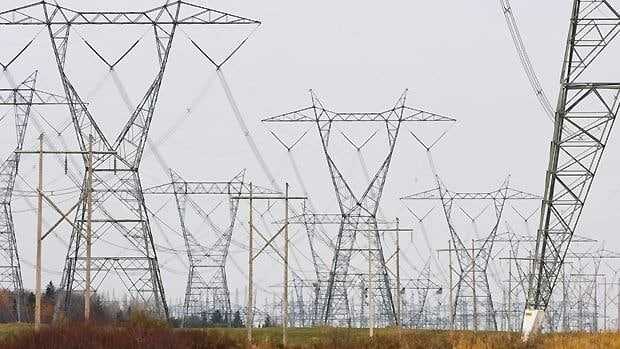
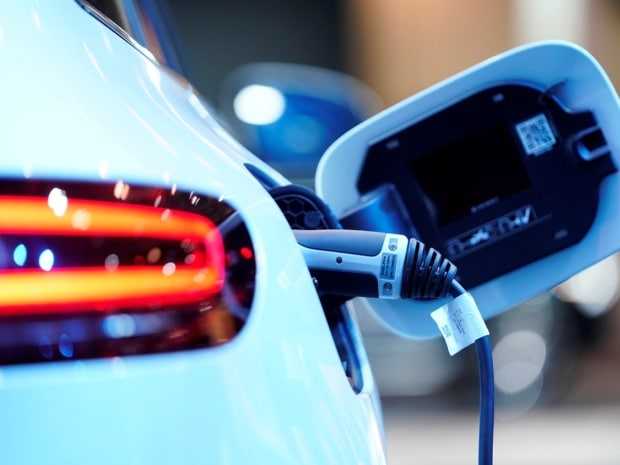
Now imagine everyone plugs in their “Strength Through Justin” Trudeau Wagen all at once. Guess what happens to the power grid.

Share