Emerald Haze: How a Health Canada-Licensed Cannabis Firm Linked Politicians, Lawyers, and Convicted Narcos to US Fraud Prosecutions

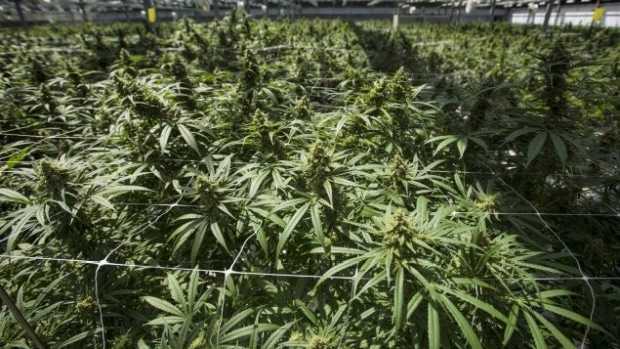
In October 2020, British Columbia police raided three agricultural properties, targeting Health Canada–regulated marijuana grow operations in Richmond—a once blue-collar farming community that, since the 1990s, has rapidly transformed into a hotbed of transnational narcotics trafficking and money laundering linked to China, Latin America, and the Middle East.

Thousands of U.S. and Canadian records reviewed by The Bureau reveal that Delta Police’s “Big Smoke” raids barely scratched the surface of a corporate structure unfurling from a façade of Hells Angels paraphernalia and Health Canada weed licenses. The investigation suggests an unsettling reality: in modern-day Canada, the boundary between legitimate commerce and organized crime is perilously hazy—especially when political and legal elites, alongside a national regulator, appear complicit.

Everything got worse under Trudeau.

Share

Toronto’s supervised injection sites are a failed experiment

In her professional capacity, Khalila Mohammed was a community harm-reduction health worker. But in her personal life, she was an agent of profound harm and an accessory to manslaughter.

One foolish decision on top of another, one not-so-impetuous act of aiding and abetting on top of another. One lie on top of another, spinning a web of deceit.

Share

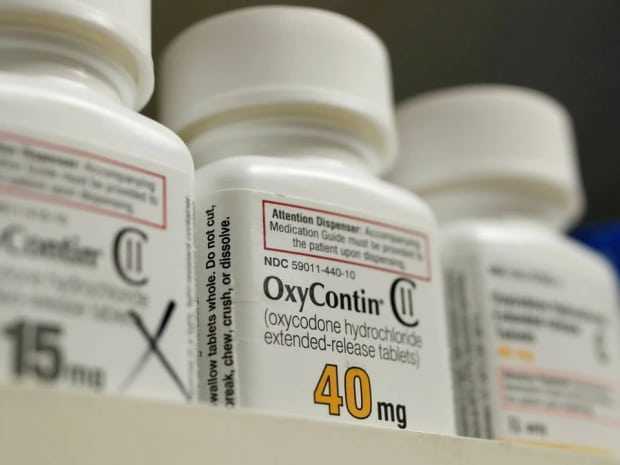
The OxyContin Story

‘Painkiller’ does an impressive job of telling a dark and gripping story about a tragic chapter of modern American history.

The prescription painkiller OxyContin was released by Purdue Pharma in 1995; the six-part TV series Painkiller, created by Micah Fitzerman-Blue and Noah Harpster and directed by Peter Berg, was released by Netflix in 2023. During the intervening 28 years, Purdue’s flagship product brought even greater riches to the company’s already rich president, Richard Sackler; brought relief to a good many patients suffering from severe pain that was otherwise untreatable; and brought tragedy to countless families as legitimate patients became addicts and then death statistics and as perfectly healthy people, many of them very young, began using the drug recreationally and, caught in the grip of its addictive power, ended up in morgues all over America.

I watched this flick. It was good. What amazes me is that while the Sacklers have been publicly shunned not one of them has been jailed.

Share

Prominent western gangs have worldwide drug networks, pose security threat in Canada, report finds

Four criminal organizations based in Western Canada are considered high-level threats to the security of the country, according to a new report by Criminal Intelligence Service Canada.

The federal agency, which is responsible for collecting information from police across the country, said that “organized crime remains a preeminent threat to Canada’s security, contributing to thousands of deaths annually from overdoses due to illicit drugs, as well as firearms and gang violence.”

Share

Trump’s fentanyl ultimatum puts Canada’s ‘super labs’ under microscope

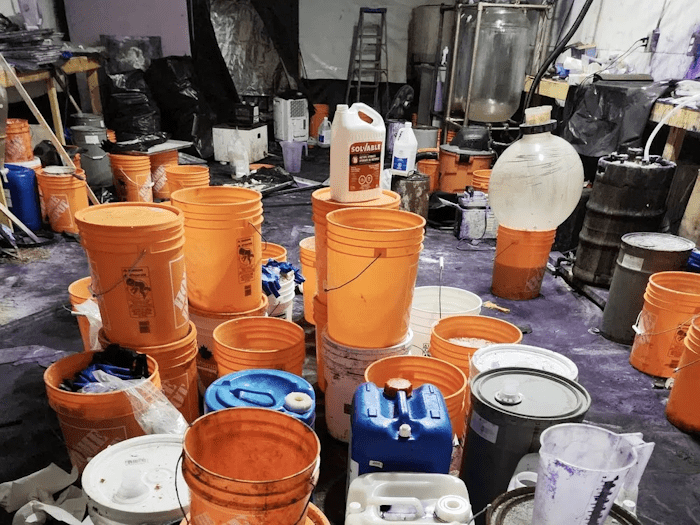
The growth of illegal Canadian fentanyl production came into focus over the weekend after U.S. President-elect Donald Trump reportedly gave Canadian government leaders a clear impression that the runaway drug problem is his top priority, even in Canada-U.S. relations.

Canada’s China class must be concerned.

Share

Adam Zivo: New study shows a quarter of safer supply patients diverting opioids

A new Vancouver-based study suggests that many “safer supply” patients are diverting their taxpayer-funded opioids to the black market and are possibly being dishonest to researchers about defrauding the system . Worse yet, it appears that safer supply may not be as effective at separating addicts from street drugs as advocates claim, even though the entire point of the program, as described by Health Canada , is to provide “a safer alternative to the toxic illegal drug supply”

Share

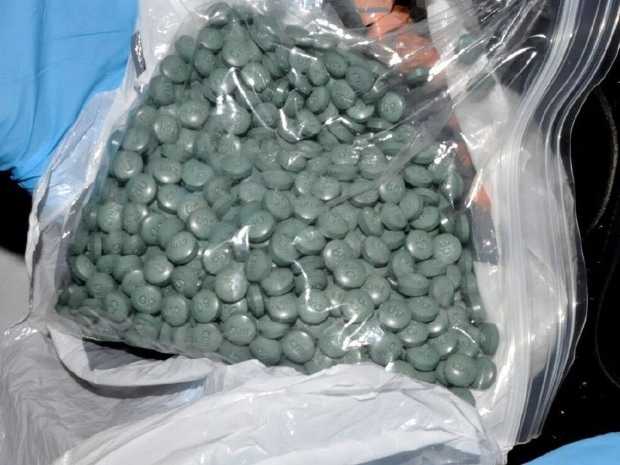
At least 350 gangs in Canada are trafficking fentanyl

Canada has become a significant producer and exporter of fentanyl, with more than 350 organized crime groups involved in its illegal production and distribution, according to a confidential federal memo.

Blacklock’s Reporter says the document, prepared for Prime Minister Justin Trudeau ahead of a January meeting with British Columbia Premier David Eby, highlights the alarming growth of domestic fentanyl production using precursor chemicals primarily sourced from China.

Share

Involuntary treatment for severe addiction is better than doing nothing

Involuntary treatment (IT) for people with severe substance use disorder (addiction) is a hotly debated topic. There is skepticism that political expediency is suddenly driving elected officials to support IT when faced with a general public that has had enough of public disorder. But family caregivers have been advocating for a right to intervene for decades, and until now, their pleas have been ignored.

Share

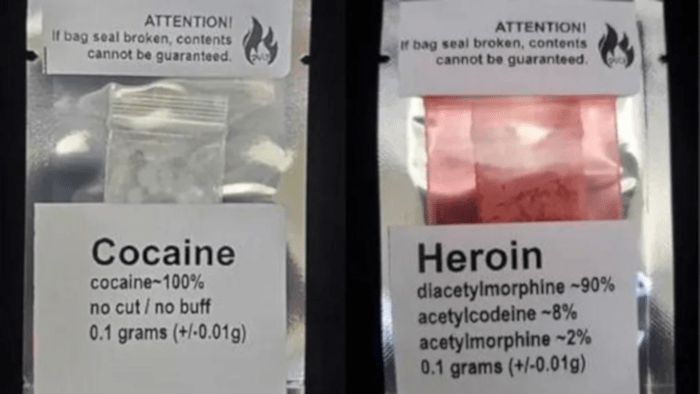
Canadians who sold purer drugs in bid to stop overdoses challenge charges

Two Canadians activists who illegally sold untainted hard drugs in an effort to reduce fatal overdoses have launched a legal challenge to federal drug laws.

Jeremy Kalicum and Eris Nyx, co-founders of the Drug User Liberation Front (DULF), were charged in June with drug trafficking-related offences by police in Vancouver.

They had made headlines two years ago for offering pure cocaine, meth and heroin to drug users, saying they wanted to prevent deaths from a supply tainted with other substances.

Share

Erika Naomi Gertz: From the rise of fentanyl to disastrous ‘safe supply’ policies: The long, sad story of how Canada’s drug crisis spiralled into an epidemic

This August, Ontario’s Health Minister, Sylvia Jones, announced that the Ford government would close drug consumption sites within 200 metres of schools and childcare centres. In making the announcement, Jones explained, “Continuing to enable people to use drugs is not a pathway to treatment.”

Share

On the Moral Status of Addicts

They have become a potent American metaphor.

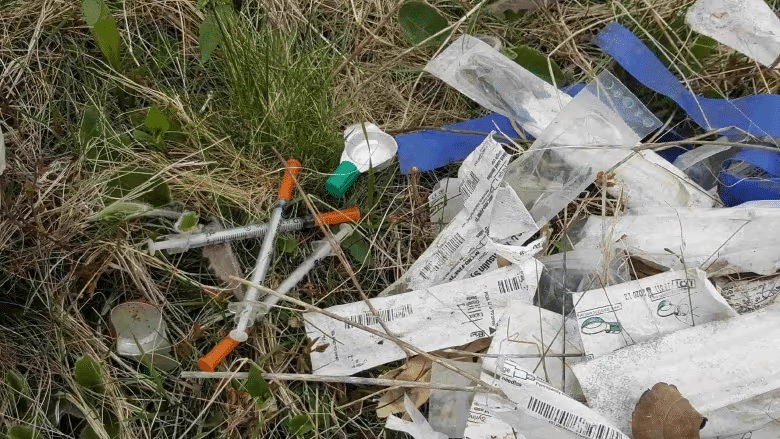
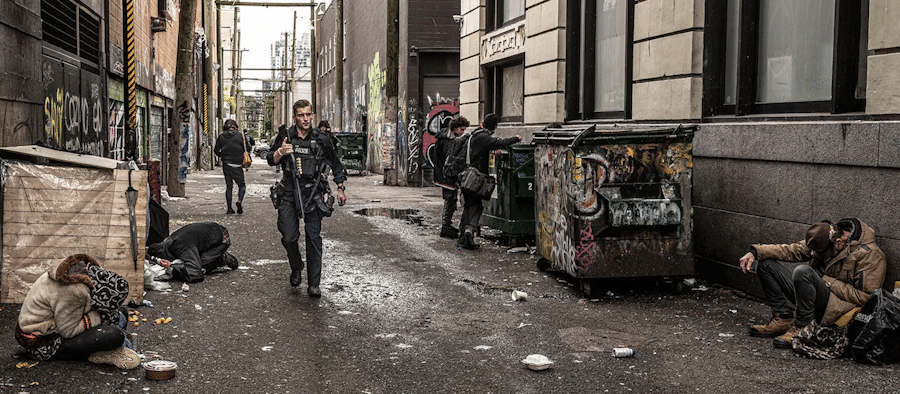
Anyone raising children in an American city these days has had to confront the following disconcerting scene: a person unconscious or semiconscious, in filthy clothes, stoned at midday, a nuisance if not a menace. As you lead your child gingerly around an adult prone on the sidewalk, the questions come: Why is that person lying there? Are they okay? Why do they take drugs if they know it could kill them? We tie ourselves in syntactic knots trying to formulate credible answers. We want to emphasize personal responsibility: that person made choices, but you can make different ones. We also don’t want our children to think us hard-hearted: that person is still a human being; somebody loves them. This conversation is even more difficult for the millions of Americans who have addicts in their own families.

Share

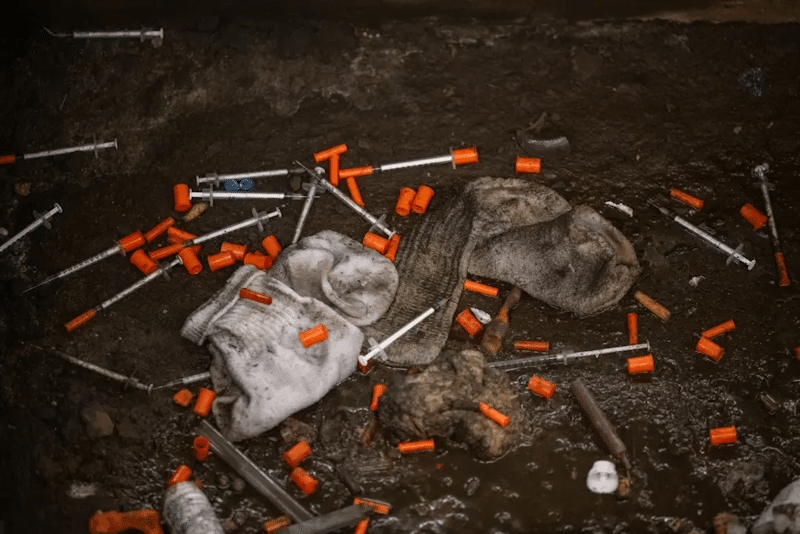
Derek Finkle: What drug injection sites aren’t telling you

Now that more than a month has passed since Ontario’s Conservative government announced the province would be closing 10 of its 17 supervised injection sites, there is some very interesting manoeuvring going on in harm reduction circles.

The injection site that I live across the street from, in the South Riverdale Community Health Centre, just east of downtown Toronto, has a particularly pressing conundrum. The province has given South Riverdale and the other nine sites being closed for being within 200 metres of schools and daycares until March 31, 2025, to wind down their operations.

Share

BC Not the First to Consider Mandatory Treatment for Severe Addictions

Although British Columbia has been in the spotlight this week for mulling mandatory care, it’s an approach that has also gained traction in New Brunswick, Alberta, and Ontario.

Mandatory care has been used historically in Canada, but was abandoned in recent decades when the idea took hold that the method infringes on personal liberties. Since the 1990s, the approach to addiction in Canada has moved from abstinence-based models to harm reduction–a method aimed at reducing the negative impacts of drug use rather than a focus on eliminating the use itself.

Share