Next on hackers’ target list: your February home heating

Next on hackers’ target list: your February home heating

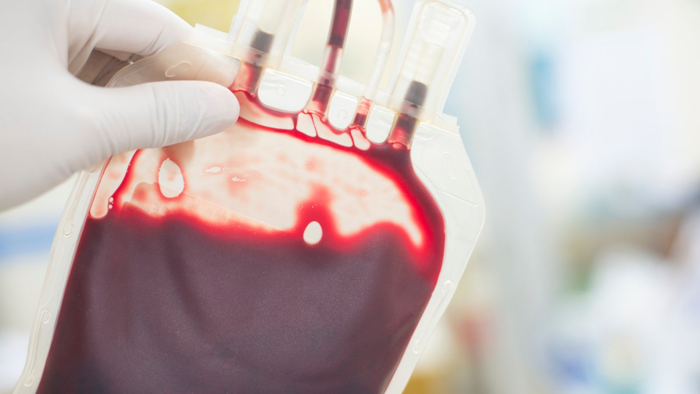
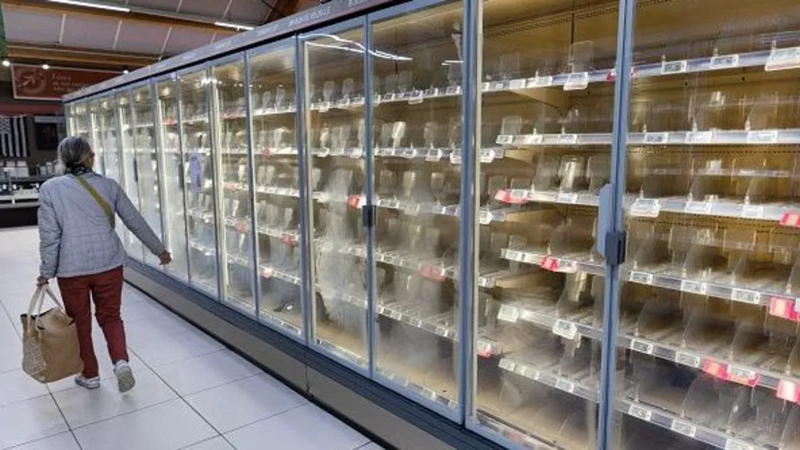
Hackers recently reprogrammed freezers that store blood samples for France’s national blood service, with units normally kept at -30 C manipulated to reach 110 C. Blood literally boiled. It was France’s second such attack in a month. On Oct. 11, hackers took over refrigeration controls at roughly 700 supermarkets and pushed temperatures to 50 C for about six hours, spoiling thousands of pounds of food.

A freezer doesn’t need the internet to stay cold. Someone decided it would be convenient to manage freezers remotely, and that undoubted convenience became hackers’ way in. The same logic applies to our electricity grid, and a grid failure in Canada in February is far more dangerous than a warm freezer.


Share

York University warns of personal data theft in cybersecurity incident

York University warns of personal data theft in cybersecurity incident

York University says it discovered last month it was subject to a cybersecurity incident that resulted in the theft of personal information, including personal contact details and student identification numbers.

“An unauthorized actor” gained access to online forms used by the university’s departments ranging from 2007 to October this year, the Toronto institution said in a news release on its website. The forms were used in a “wide variety of university business,” including residence applications and general surveys, it said.


Nothing is ever safe on-line.

Share

Two Canadians charged in alleged hacking scheme targeting universities, including one in WNY

Two Canadians charged in alleged hacking scheme targeting universities, including one in WNY

BUFFALO, N.Y. — A federal grand jury has indicted two Canadian men for allegedly hacking into computers at U.S. universities, including a college in Western New York, to steal login information and mine cryptocurrency.

U.S. Attorney Michael DiGiacomo announced Tuesday that Ryan James Roach, 35, of Saskatchewan, and Mathiew James Stubbings, 41, of Ontario, were charged with conspiracy to obtain information from a protected computer and to cause damage to a protected computer, obtaining information from a protected computer, and intentional damage to a protected computer.

Share

CHARLEBOIS: Hackers turned up the heat on Europe’s grocers. Is Canada ready?

CHARLEBOIS: Hackers turned up the heat on Europe’s grocers. Is Canada ready?

A second wave of suspected cyberattacks on European supermarkets has exposed a vulnerability that Canada’s food industry should take seriously. Grocery stores in at least nine countries reported refrigeration failures. One Swedish supermarket said its refrigeration systems had been remotely set to 50°C. Across the affected stores, tonnes of food had to be thrown out. An earlier wave had already hit stores in France, Belgium and the Netherlands.

Share

Cyber attack threatens French blood banks

Cyber attack threatens French blood banks

Blood bank sites in France are the latest to be hit by cyber attackers.

The attack, which affected three regional blood banks, sought to raise temperatures to extremely high levels but was thwarted before it could do any damage, authorities have said.

The incident comes after cyber attacks on Tuesday affected the UK meat processing industry and supermarkets in European countries reported their fridges and freezers warmed up after they were remotely taken over – resulting in spoiled food costing millions of dollars.

h/t Patti Jo

Share

If hackers can take control of a supermarket freezer, how vulnerable is other tech?

If hackers can take control of a supermarket freezer, how vulnerable is other tech?

Supermarkets across Europe have been hit by a suspected cyber-attack affecting their fridges and freezers, and raising concern about the vulnerabilities of internet-connected hardware from industrial machinery to humble domestic appliances.

Smart devices which are connected to the internet can include fridges, central heating, and even washing machines.

And while that makes them easier to control remotely, in theory, any device which goes online can potentially be exploited by malicious actors.

Share

Work details of more than 41,000 DHS staff hacked, published online

Work details of more than 41,000 DHS staff hacked, published online

Oct. 29 (UPI) — More than 41,000 Department of Homeland Security employees had their personnel records hacked and the information posted online.

Wednesday’s leak contained the work addresses, phone numbers and job descriptions of staff working at the agency, mostly agents at Customs and Border Protection and Immigration and Customs Enforcement, the largest and third largest DHS agencies.

Share

AI Hacks Are Coming Thick and Fast and Overwhelming the Internet

AI Hacks Are Coming Thick and Fast and Overwhelming the Internet

The AI-powered hackers began stealing from Colin Parsons at 11 p.m. on a recent Friday night.

The next morning, the startup founder woke up to about 50 email messages, each one saying he had been charged a few more dollars for Anthropic and OpenAI’s services. The bills ran to $449.

Parsons is just one of the latest victims in a wave of artificial-intelligence-powered attacks that has flooded the internet in recent weeks, as hackers increasingly turn to agents and AI hacking tools that make intrusions faster and harder to track than ever before.

Share

Cybersecurity agency prepares alert for Canadian organizations on programming vulnerability

Cybersecurity agency prepares alert for Canadian organizations on programming vulnerability

The Canadian Centre for Cybersecurity says it is preparing an alert for organizations regarding vulnerabilities in a programming language powering many of the world’s websites.

The developers of PHP, an open-source programming language used to run websites, disclosed Wednesday that they have identified two “critical vulnerabilities,” urging all PHP users to “update immediately.”

Share

When even our fridges are ‘online’, a meltdown is inevitable

When even our fridges are ‘online’, a meltdown is inevitable

High schools aren’t the only things on fire in France right now. This week, fridges and freezers in hundreds of supermarkets were targeted by unknown hackers in a cyberattack. Internal thermostats were cranked up as high as 50 degrees Celsius, sparking fires and melting countless glaces and bâtonnets de poisson. Tonnes of products have had to be dumped, causing tens of millions of euros’ worth of damage. Supermarket chains – including Intermarché and Monoprix – were among those impacted.

Share

Canadian cybersecurity executive arrested by FBI in hacking case

Canadian cybersecurity executive arrested by FBI in hacking case

A Canadian cybersecurity executive whose career has focused on helping clients negotiate with ransomware attackers has been arrested in the United States in connection with a hacking group that the FBI says stole a huge trove of sensitive data about the bureau’s own employees, according to court records and Reuters.

Share

Cyber-attack defrosts hundreds of refrigerators in two French supermarket chains

Cyber-attack defrosts hundreds of refrigerators in two French supermarket chains

French supermarket chains Intermarché and Cooperative U have been hit by an “unprecedented” cyber-attack that caused their refrigerators to defrost, the two retailers have said.

An estimated 150-200 Intermarché shops were targeted, along with almost 100 Cooperative U outlets, in the attack, they said on Monday.

Paris prosecutors confirmed the attack, which reportedly also hit other major chains, and said it had prompted outbreaks of fire.

h/t Mauser

Share

RCMP ‘monitoring’ reports of massive North American drivers’ licence hack

RCMP ‘monitoring’ reports of massive North American drivers’ licence hack

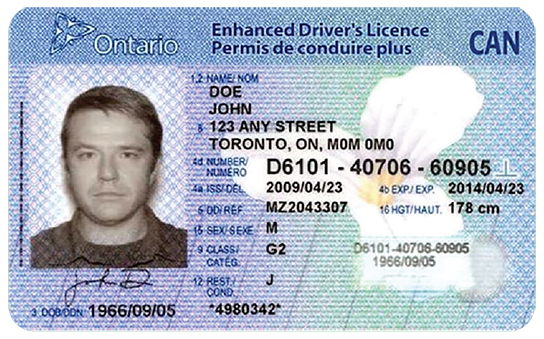
The Royal Canadian Mounted Police says it is “aware” of an ongoing FBI investigation into a report that hackers gained access to tens of millions of government-issued identity records across North America— including Canadians’ driver’s licences.

Canadians are now being warned to stay vigilant for bad actors that can exploit people’s personal data.

Share

ID Verification Breach Exposes Millions of Sensitive Identity Documents

ID Verification Breach Exposes Millions of Sensitive Identity Documents

If you ever needed more proof that governments pressuring companies to collect ID data from customers or users is a bad idea, you only have to look at what happened this week. A dark-web service advertised on August 31 has been offering over 153 million scans of driver’s licenses, more than 10 million other identity cards, over 3 million travel documents and/or international IDs, and at least 579,000 medical cards.

The data apparently stems from a company hired to verify people’s identities. The service, called Nexus, was advertised on the Russian-language cybercrime forum Exploit.


“… searching for just Canadian drivers licenses returns approximately 1.1 million results, with the largest concentration from Ontario (473,673 records).”

Share