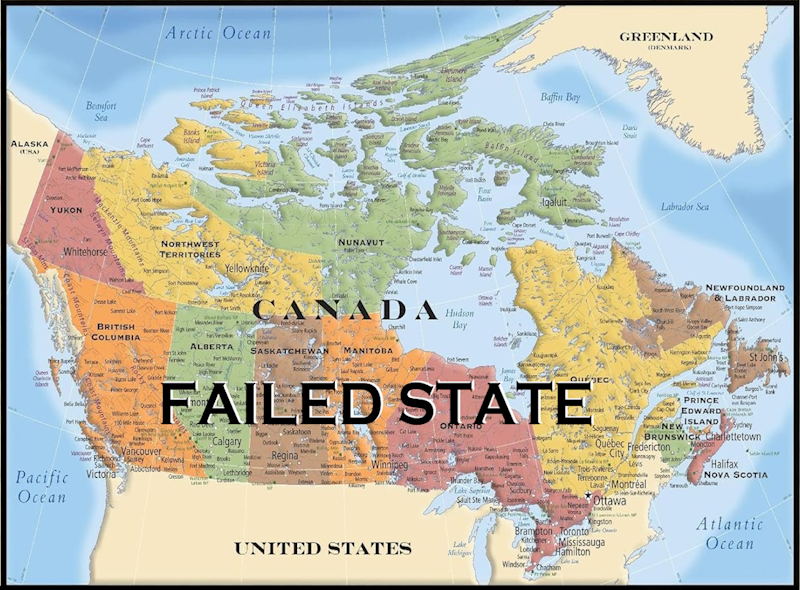
BARCLAY: Ten years of Liberal rule turned Canada into a failing state — the data proves it

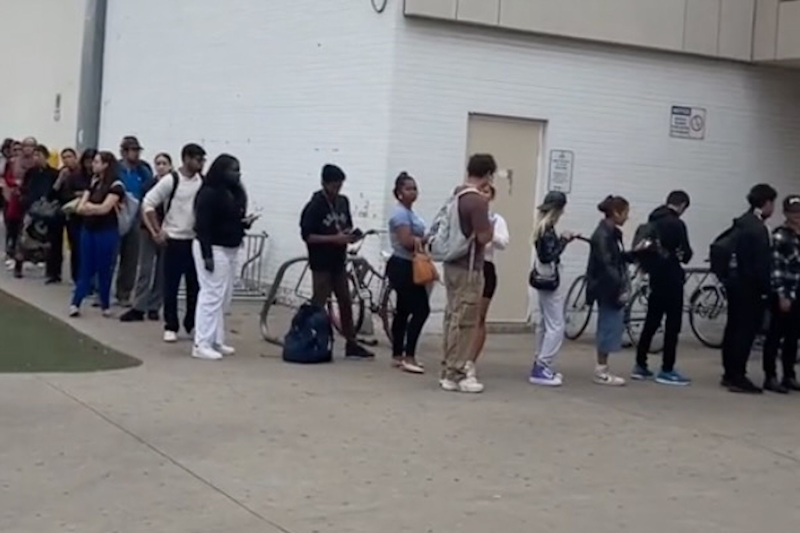
On March 16, the renowned Study of the Canadian Consumer revealed that “Nearly half of Canadians are living paycheque to paycheque” and that “a growing number of Canadians say they’re barely staying afloat.”

Unfortunately, even though job markets and ‘life-chances’ have unequivocally collapsed and evaporated throughout all of Canada, it is evident that the degenerate state of the Canadian nation has expanded well beyond the looming outbreak of abject poverty.

Share

Terry Glavin: Democracy is in retreat, and that works fine for Carney

We’re now in the 20th consecutive year of freedom’s retreat around the world, says the venerable American institution Freedom House, and the current backsliding has lasted longer than the descent into fascism during the 1930s. Established in 1941 to persuade Americans to join the fight against the Nazis, Freedom House has been closely tracking democracy’s ebbs and flows since 1973. Among the findings in its latest annual report …
Share

How accommodation hollowed out Canadian nationalism

Should Canada put the national interest first? The Canadian answer has usually been: Sort of. Maybe. Kinda. It depends.

Even claiming that Canada has a single national interest has often triggered a cascade of questions. Who is a part of it and who is not? Does it conflict with the special claims of Quebecers? What about Aboriginal rights? Can we even speak of a single Canadian culture? Shouldn’t we instead celebrate diversity as our culture?

Mark Carney’s government is living through a modern version of these struggles as it tries to identify projects of national significance.

Share

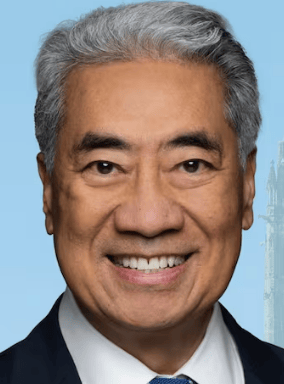
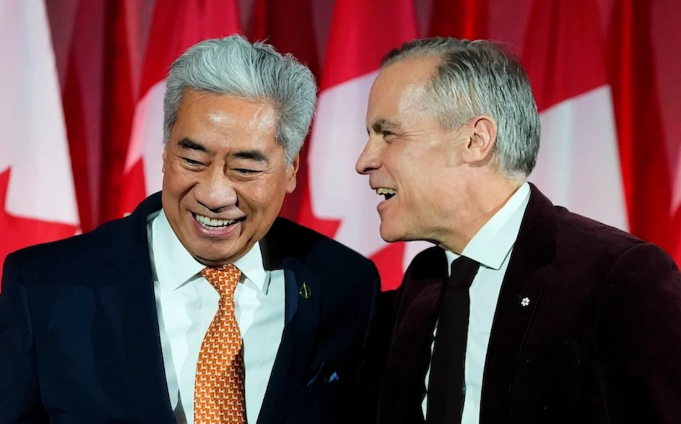
Floor-crossing ChiCom 5th Columnist Liberal MP Michael Ma casts doubt on reports of forced labour in China

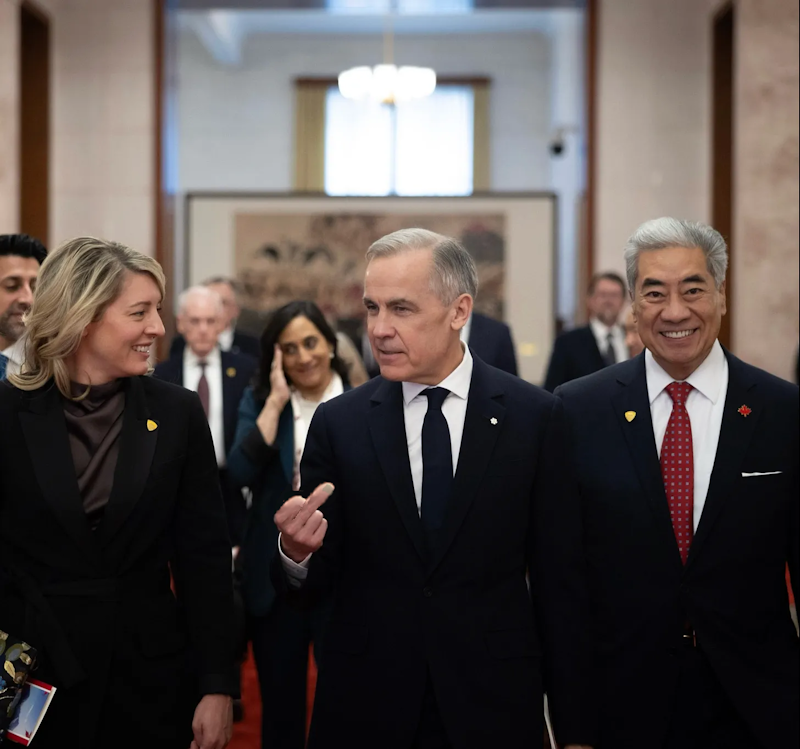
ChiCom assets: Carney tells Ma he came highly recommended by Xi Jinping

Floor-crossing Liberal MP Michael Ma casts doubt on reports of forced labour in China

OTTAWA – An MP who left the Conservatives to join the Liberals is casting doubt on reports of human rights abuses in China’s Xinjiang region.
MP Michael Ma asked an expert during a parliamentary committee hearing Thursday whether she’d seen forced labour with her own eyes.

“Have you witnessed forced labour in Xinjiang? Have you witnessed forced labour? Just a short answer — have you witnessed forced labour in Xinjiang, yes or no?” Ma said while questioning Margaret McCuaig-Johnston, a senior fellow at the University of Ottawa.


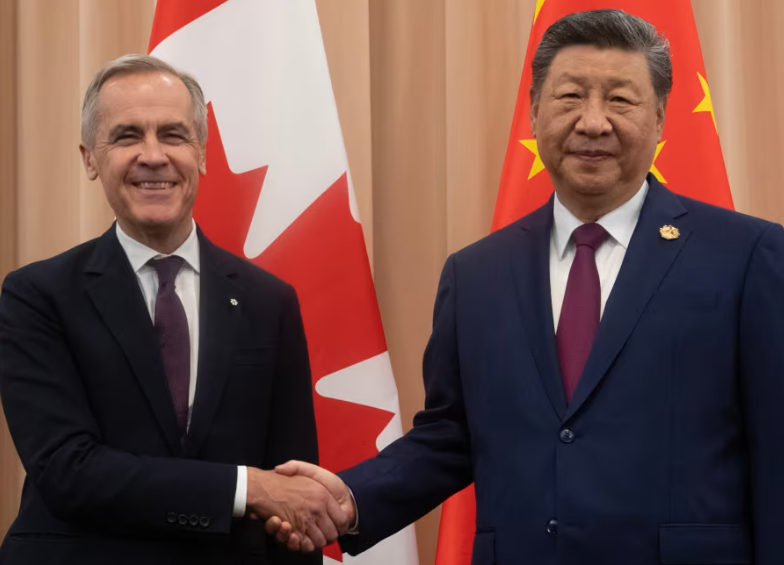
Carney blows Xi.

Update: Michael Ma says his comments came across as ‘dismissive of the serious issue of forced labour’

Share

Beijing’s “Two-State” Strategy Targets Indigenous Land Claims and Resources to Undermine Canada’s National Sovereignty, and Mark Carney’s PRC Pivot Makes It More Dangerous

VANCOUVER — At a moment when Canada is reassessing its economic sovereignty and Prime Minister Mark Carney is charting what he describes as a deeper strategic partnership with China, a long-running but poorly understood vulnerability is quietly advancing — one that cuts across the most sensitive fault lines in Canadian public life: Indigenous land rights, natural resource development, and Beijing’s patient, methodical campaign to secure the commodities it needs without ever having to negotiate with Ottawa.

The strategy, as intelligence documents obtained exclusively by The Bureau reveal, is not new. It is simply becoming more consequential.

Share

CHARLEBOIS: How Canadians are coping with food costs should be concerning

We are seeing a gradual erosion of quality, choice and dietary diversity. A quieter form of food insecurity, unfolding in real time.

Surveys after surveys tell the same story: Canadians are struggling at the grocery store. And yet, despite the mounting evidence, the situation is not improving.

Our lab has been tracking consumer sentiment on food affordability for years. The latest results, based on a national survey of more than 3,000 Canadians conducted earlier this month, in partnership with Caddle, confirm what many already feel at the checkout: The pressure is not easing.

Share

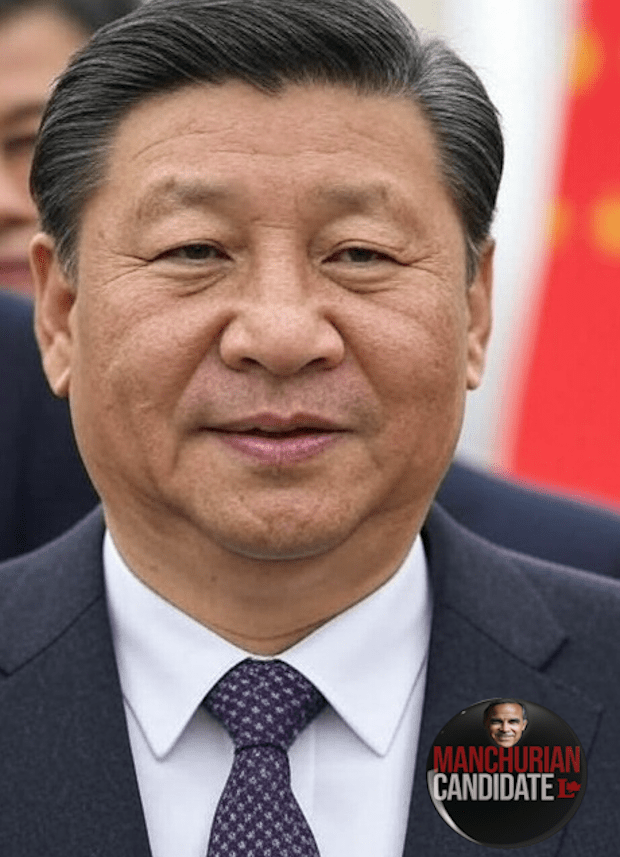
How Mark Carney sold Canada to China

As Can Force One moved toward Chinese airspace, the delegation’s electronic devices were powered down and secured in signal-blocking bags. Burner phones were passed out: the only machines the public servants, staff and journalists would be allowed to use for the duration of their stay. The Canadian Prime Minister’s security team was taking no risks.

But Mark Carney himself was on his way to do something many back home would consider very risky indeed: signing agreements with Chinese President Xi Jinping on trade, global governance, energy, media access and law enforcement. The country Carney had called, only one year ago, Canada’s “biggest security threat,” was about to accomplish a magical transformation from frog to prince, from interfering foreign power to “strategic partner” in the “new world order.”

Share

A milestone recession is stealing young Canadians’ future

For most of Canada’s history there was an understood bargain at the heart of our social contract. If you worked hard, got an education, stayed out of trouble, and did your part, you would get a happy life in return. You could move out, find decent work, buy a home, raise a family if you wanted one, and feel that your life was progressing roughly according to plan. The promise was never that everything would be easy, or even equal. It was that effort would compound into stability, and stability into a future.

For many young Canadians today, that sequence of success has become delayed, distorted, and broken. The country still asks for all the same things it once did: discipline, education, thrift, patience, flexibility, and resilience. But now the rewards arrive later, at a higher price, and with far less certainty.


The Liberal Party gave it away to Time Horton’s

Share

In Carney’s Canada, data suggests we’re using our tax returns just to live

Don’t get too many plans for your tax refund, if you’re getting one. According to new data, Canadians are using it just to keep food on the table.

The cash crunch is forcing Canadians to rely on their tax returns to cover their day-to-day expenses. According to data, 40% of Canadians depend on their tax refund to help address cost-of-living expenses, and 28% are going to use it to pay for everyday essentials.

Share

In Canada’s Frozen North, With Canada’s Frozen Soldiers

Canadian soldiers transported M777 howitzers to the High Arctic to show their ability to fight in an increasingly contested part of the world. It did not go as planned.

Canada’s military ambitions in the Arctic hinged on a frozen door that wouldn’t open.

Hundreds of troops landing on an island in the High Arctic last month were confronted with wind chill temperatures of minus 80 degrees Fahrenheit, frigid even by the area’s standards. The cold kept the locals in the Victoria Island hamlet of Cambridge Bay indoors, suffused the air with tiny ice crystals called diamond dust, and sealed a 30-foot-tall door at an airport hangar.

“It’s frozen,” said an air force detachment commander, “frozen shut.”

Share

As Arctic Threats Rise, Canada May Need to Lean on the United States

For the past seven decades, Canada has been the junior partner in a military agreement with the United States to protect the Canadian Arctic.

The Canadian and American flags could be seen billowing at a distance in the all-white Arctic landscape — the Maple Leaf visibly lower than the Stars and Stripes.

The asymmetry had a simple explanation. Flags across Canada, including this one in the hamlet of Cambridge Bay in the Canadian High Arctic, were flying at half-staff to mourn the recent mass killing at a school in Tumbler Ridge, British Columbia.

But its symbolism, however unintended, was a reminder of Canada’s increasingly uncomfortable situation in its Arctic region: Unable to defend it by itself, Canada remains dependent on the United States, whose president has repeatedly threatened to annex it, and who has also set his eyes on Canada’s Arctic neighbor, Greenland.

Share

Canada’s wait-and-see economy is in a very fragile state

In the past few weeks, news on the Canadian economic front has tilted negative overall.

Statistics Canada came out with a February jobs report that showed employment declined by a net 84,000, which came on top of a loss of 25,000 jobs in January. The cumulative decline makes it the worst start to a year employment-wise since 2009.

GDP figures released late last month showed that Canada’s economy contracted in the final quarter of 2025, capping the weakest year for growth since the pandemic.

Share

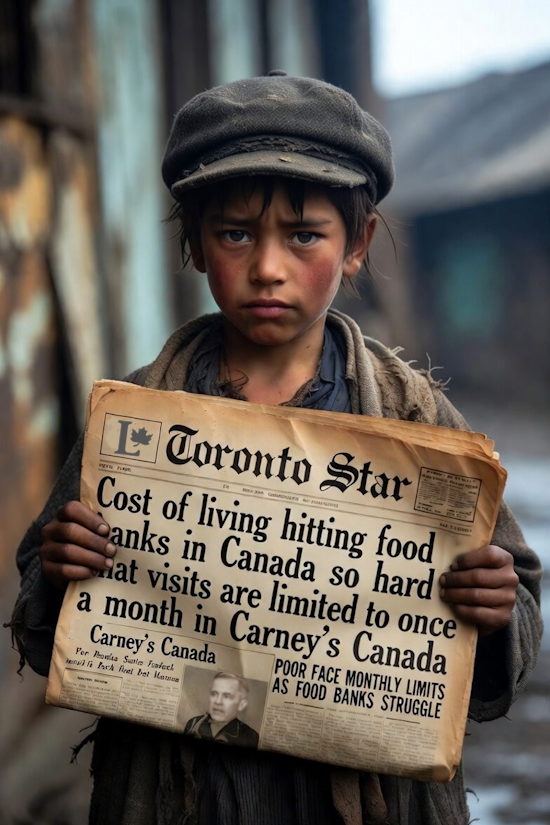
Children make up 33% of food bank visits in Canada.

Despite community efforts to feed the city’s youngest residents, the percentage of children using the Saskatoon Food Bank hasn’t declined in the last 18 years that Laurie O’Connor has worked there.

About 40 per cent of the food bank’s requests for hampers are made on behalf of children, according to O’Connor, the food bank’s executive director.

“That number really hasn’t fluctuated much in those two decades. So whether or not we can respond to the need hasn’t made that big of an impact on child poverty,” she told CTV News.

Share

Toronto considers micro-shelter communities to tackle homelessness

Micro-shelter communities are being floated as one way to provide emergency housing for people experiencing homelessness in Toronto.

However, some challenges have emerged, as 44 city-owned properties identified for potential sites have all been deemed unsuitable.

Nonetheless, the City of Toronto is moving forward with a two-year pilot, with the caveat that interested non-profits must come up with private land options.

Share