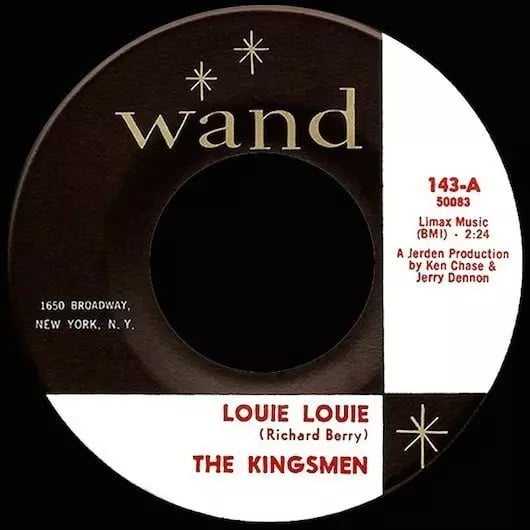
In the mid-1950s, rock ‘n’ roll music was widely condemned as a public nuisance and threat to public safety, and the junk science of the day claimed that teens were “addicted” to the music. Police officials across the country—in Connecticut, New Jersey, Maryland, Pennsylvania, Rhode Island and other states—blamed juvenile delinquency and general unrest on rock ‘n’ roll. Minneapolis in 1959 banned a show hosted by Dick Clark “for the peace and well-being of the city” because the police chief was convinced that it would spark violence. It was not an isolated overreaction. Other cities that banned rock ‘n’ roll shows based on public safety concerns included Boston, Massachusetts; Bridgeport and New Haven, Connecticut; Asbury Park, New Jersey; Santa Cruz, California; and Birmingham, Alabama.

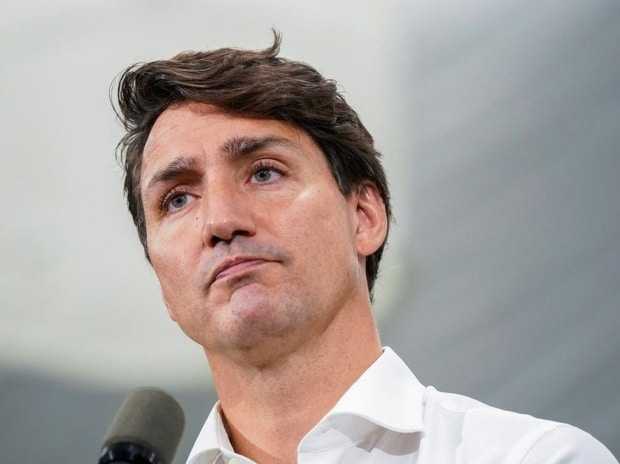



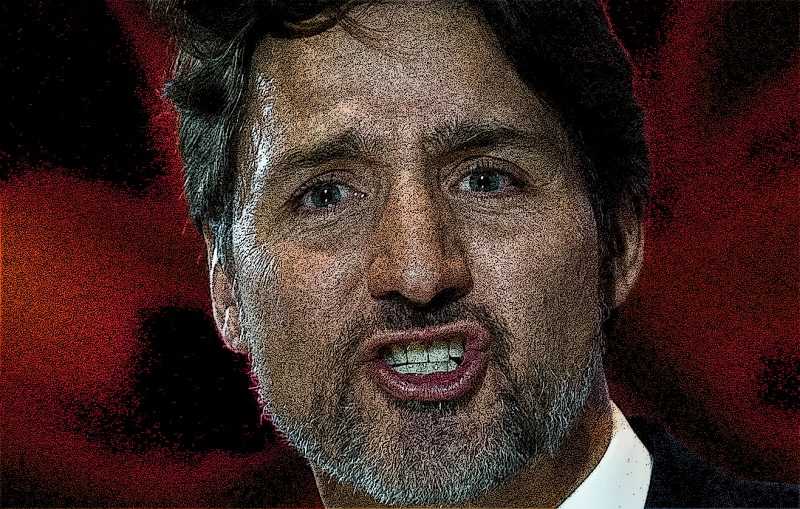
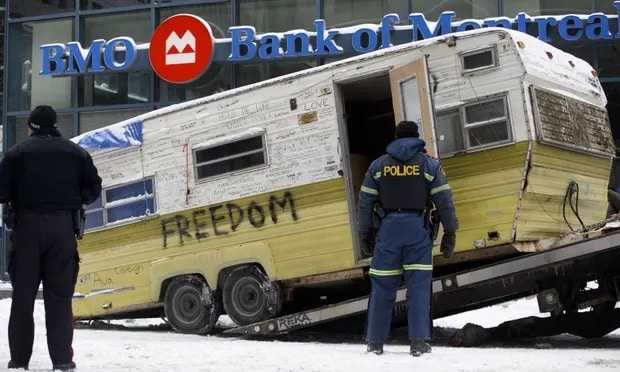
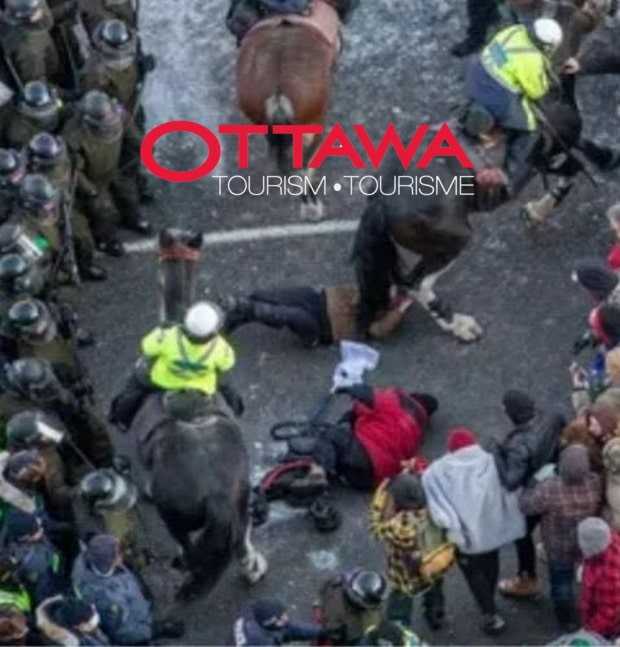
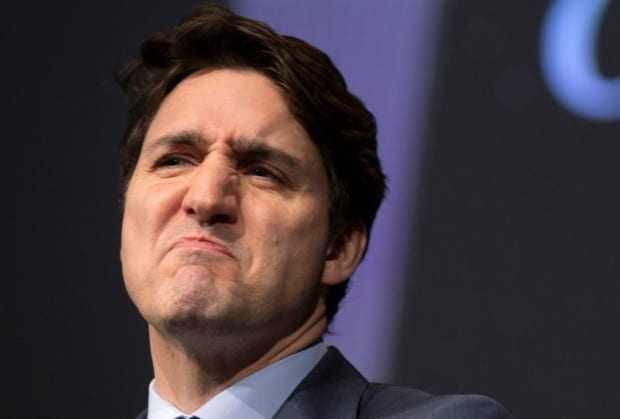 A motion affirming the Liberal government’s decision to invoke the Emergencies Act passed a crucial House of Commons vote Monday, ensuring the expansive powers contained in the Act remain in use by authorities thanks to parliamentary support from the New Democrats.