
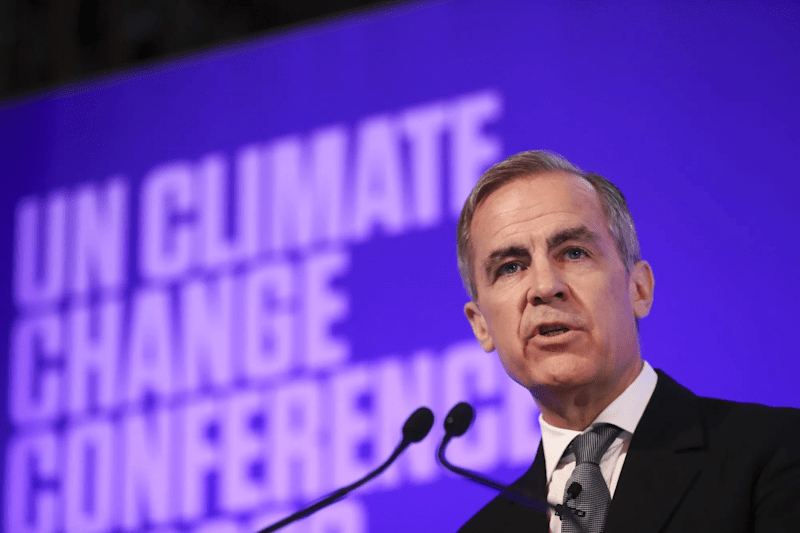
Liberal leadership frontrunner Mark Carney recently announced his carbon tax plan and here are some key points.
It’s expensive for Canadians.
It’s even more expensive for farmers.
He ‘s on board with the WEF and the UN. Carney is a carpetbagger.
Liberal leadership frontrunner Mark Carney recently announced his carbon tax plan and here are some key points.
It’s expensive for Canadians.
It’s even more expensive for farmers.
He ‘s on board with the WEF and the UN. Carney is a carpetbagger.

OTTAWA — As Liberal Party members mull over their choices to pick their leader, a poll suggests Canadians want somebody willing to axe the tax.
Released this week, the new Leger poll commissioned by the Canadian Taxpayers Federation found 60% of respondents want the next leader of the Liberal Party to take a stance against the carbon tax.
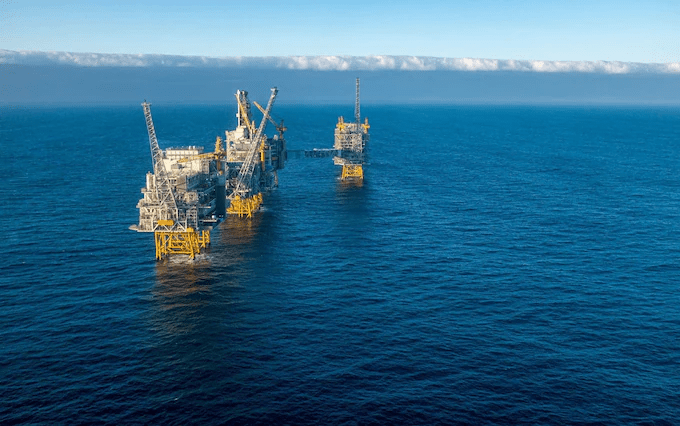
Norway’s government, whose coalition ended this week, is not the first to collapse over bad energy policies linked to mad climate politics. That title incontestably goes to Northern Ireland in 2017, where poor implementation of the UK’s renewable heat scheme led to widespread suspected fraud (heating empty sheds to claim subsidies) and the end of the power sharing agreement between Sinn Fein and the DUP. It may, however, be even more consequential for the UK.
The politics of the collapse are quite dull, but echo growing global alarm over high prices linked to the high cost of a low-carbon transition.
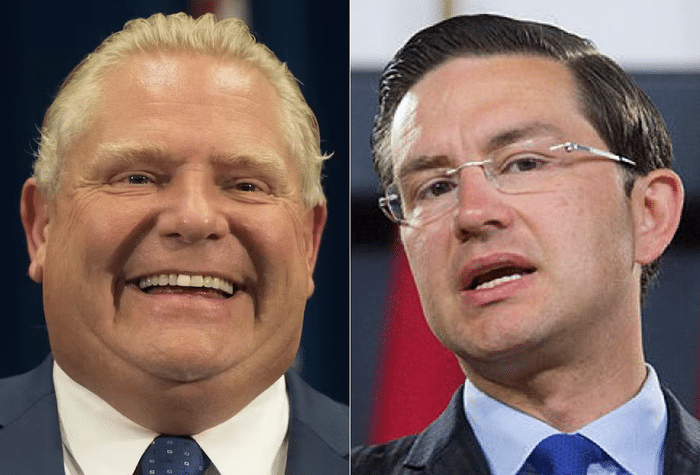
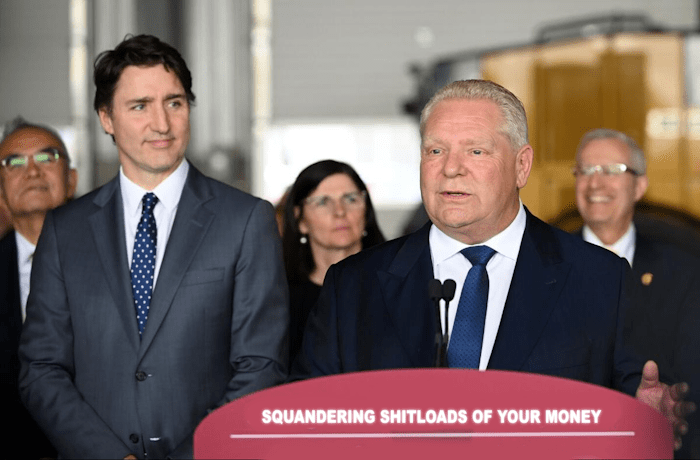
LONDON, Ont.—Doug Ford is taking a veiled shot at federal Conservative Leader Pierre Poilievre, saying whoever is the next prime minister must continue Canada’s supports for the auto industry — particularly in electric vehicles.
On the second day of Ontario’s Feb. 27 election campaign, the Progressive Conservative leader, who is seeking a third term in office, said Ontario would maintain its share of funding for EV battery production subsidies to automakers even if U.S. President Donald Trump tears up the Inflation Reduction Act.
That silent scream is Ford realizing the massive amounts of tax dollars poured into the EV industry will never be a viable investment.
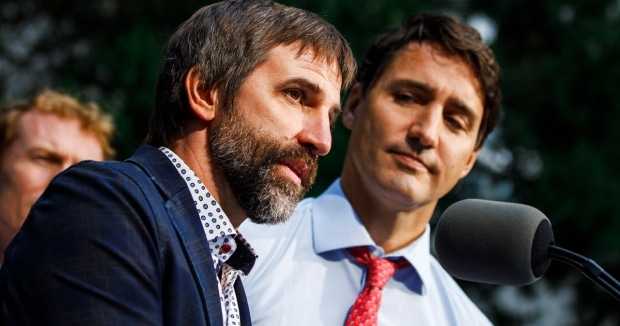
People who don’t understand lame-duck Prime Minister Justin Trudeau’s climate policies — apparently including most Liberal politicians and their spin doctors — think it’s going to be easy to dismantle them.
That all they have to do is get rid of the consumer fuel tax that raises the cost of gasoline, natural gas and 20 other forms of fossil-fuel energy every year and all will be well.

OTTAWA — People who have voted Liberal in the past strongly prefer leadership contender Mark Carney, according to a new Postmedia-Leger poll, but Canadians at large remain unconvinced that any new leader will dump the Liberals’ unpopular carbon tax.
 After years of acrimony over the obvious, the Liberals and the NDP are finally embracing natural resources as a key prong of Canada’s economic future. BC Premier David Eby now unabashedly lauds LNG as crucial, while Liberal leadership contender Chrystia Freeland mentions natural resources as essential to strengthening the economy.
This was overdue, but one major roadblock stands in the way of a renaissance in the resource sector; Bill C-69, also known as the Impact Assessment Act (IAA).
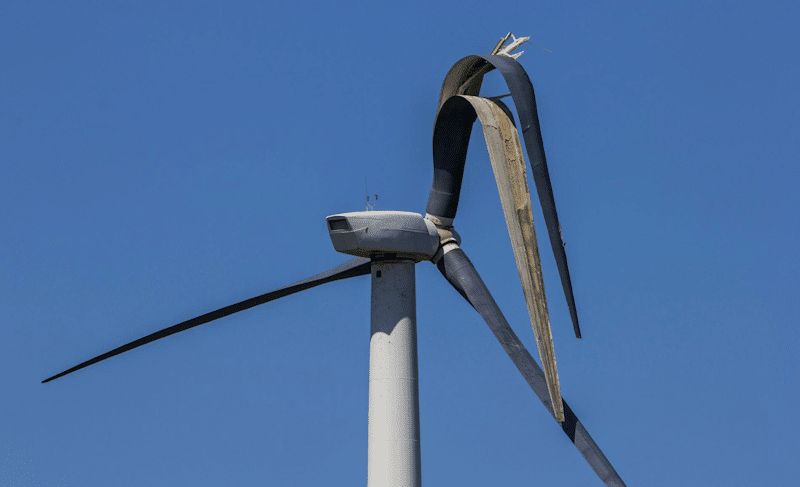
On a frigid January morning, the fruit of the U.K.’s overreliance on wind energy was reaped when its contribution to the national grid plummeted to a pitiful zero. Solar output, meanwhile, was a paltry 1% of power generation.
This wasn’t just a fluke, but rather a stark illustration of the dangers of building an energy system around inherently unreliable sources like wind and solar. The British government’s gamble on wind energy to meet aggressive and unattainable net-zero targets is leading toward an energy crisis of unprecedented proportions.

The mayor of a council trying to cut car use by increasing residents’ parking charges has bragged about being driven in a taxpayer-funded limousine.
John-Paul Ennis, the mayor of Lambeth, boasted about his chauffeur during an interview on TikTok.
Describing the benefits of his role to DJ AG, an online influencer, the 27-year-old Labour councillor said he gets to wear a chain, “so that is pretty nice”. Smiling, he added: “You get a nice car as well, you get driven around … it’s sick.”
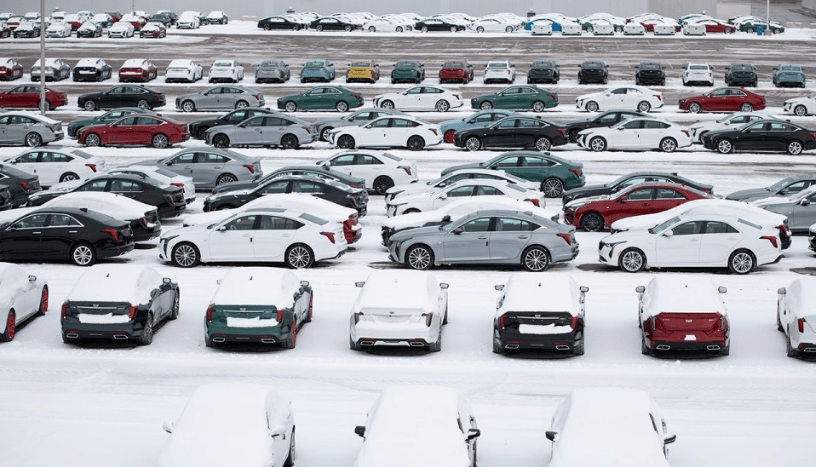
On a freezing afternoon in Detroit, the doors of a giant car plant swung open and workers in hoods and hats began to step out into the falling snow. They were tired and cold after a shift that began at dawn. Many now faced a long drive home.
But at least some took a moment to consider the attention being lavished on them by their new president. On the campaign trail, Donald Trump singled them out as heroes of the US workforce. “These truly great Americans do not get the credit they deserve,” he declared in a speech in Michigan. “I’m pinpointing you for greatness,” he said in another.
Canadians are opening their home heating bills with a sense of dread this month, thanks to the carbon tax.
Every politician haunting the warm halls of power should read the painful experiences of Canadians who are fighting to afford the basics.
Those politicians should ask themselves why any Canadian should be forced to pay the carbon tax for one more minute on an essential like home heating.
@fancypants_s https://t.co/7Yhp9Mx9wq
— Patti Jo (@TheSupeHero) January 22, 2025
❄️ CARBON TAX PUNISHMENT
We asked you to send your home heating bills showing the carbon tax cost
We got 1000+
Some folks can’t afford any home heating, while others fight to keep the pipes from freezing
Carbon Tax is routinely costing more than the natural gas you used
️⬇️ pic.twitter.com/V11CHNwv5W
— Kris Sims (@kris_sims) January 24, 2025
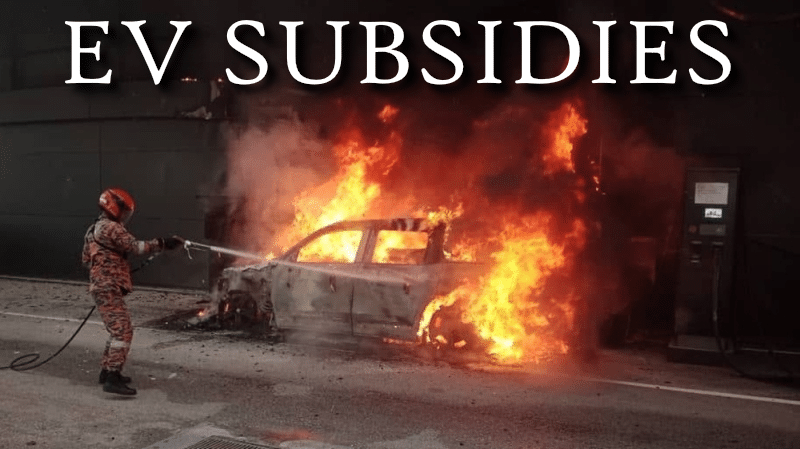
OTTAWA — With tides turning south of the border and electric vehicle sales not meeting expectations, Canada’s big bet on EV manufacturing may have been all for naught.
Since 2020, the federal government entered into deals with 13 manufacturers that, according to a June report by the Parliamentary Budget Officer (PBO), now represent $52.5 billion in various government investments and subsidies across the EV supply chain.
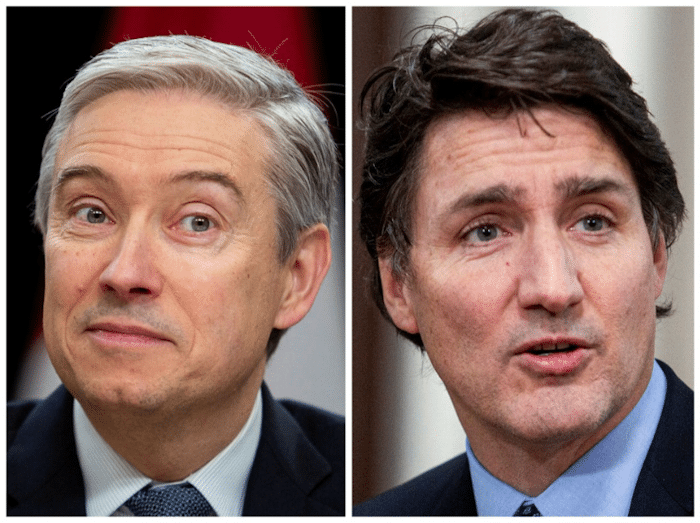
Industry Minister François-Philippe Champagne didn’t hesitate when asked which policies he worries could be reversed by the next government.
He often recounts stories about his role in helping to attract around $100 billion in public and private investment for a dozen or so projects that could form the backbone of a domestic electric vehicle (EV) supply chain.
A looming disaster?
U.S. President Donald Trump hasn’t imposed any tariffs on Canada yet, but he’s already dealt a potentially devastating blow to Ontario Premier Doug Ford’s signature industrial policy.
Ford has heavily touted his plan to make the province a major player in the electric-vehicle industry, especially in the production of batteries. Ontario has promised billions of dollars in government support to make it happen. With the stroke of a pen this week, Trump undermined that plan, perhaps fatally.
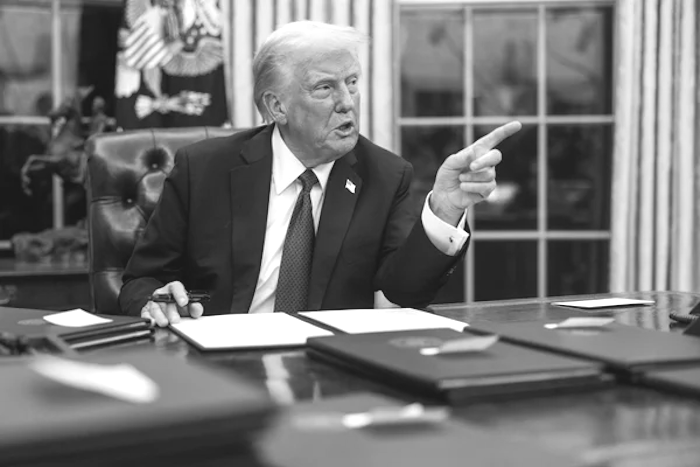
Donald Trump has pulled America out of the 2015 Paris Climate Agreement for the second time. The new US president signed an executive order following his inauguration yesterday, reversing the decision of his predecessor, Joe Biden, to drag the US back into the agreement in 2021. Bizarrely, like some dodgy insurance scam, the rules of the climatocracy say it takes a year to withdraw from the deal, so not until next winter will America be free of its obligations to reduce its emissions.
