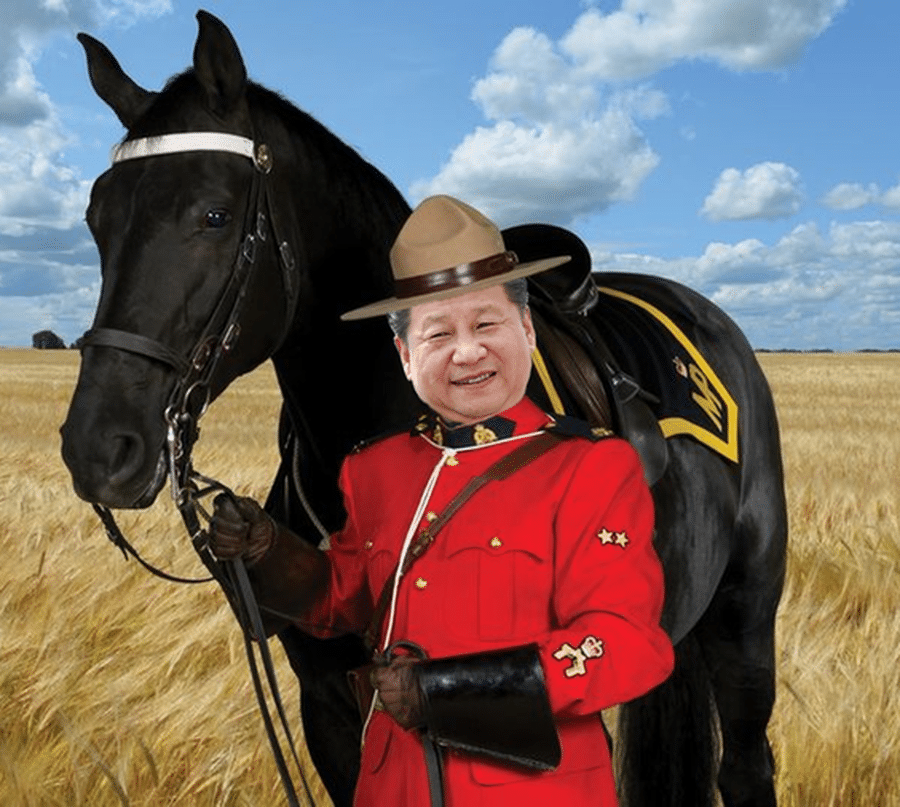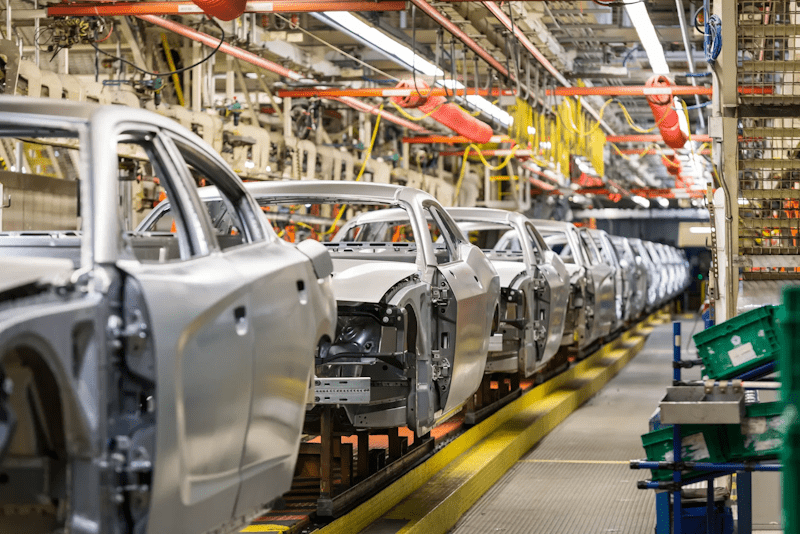
Trump’s Canada tariff threats will hasten the Chinese Century

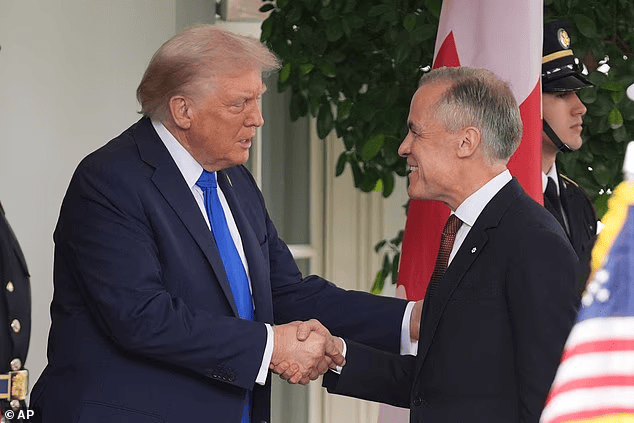
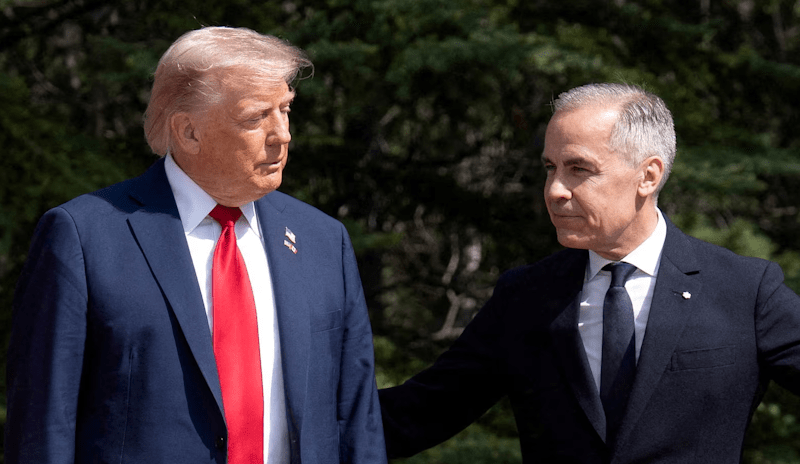
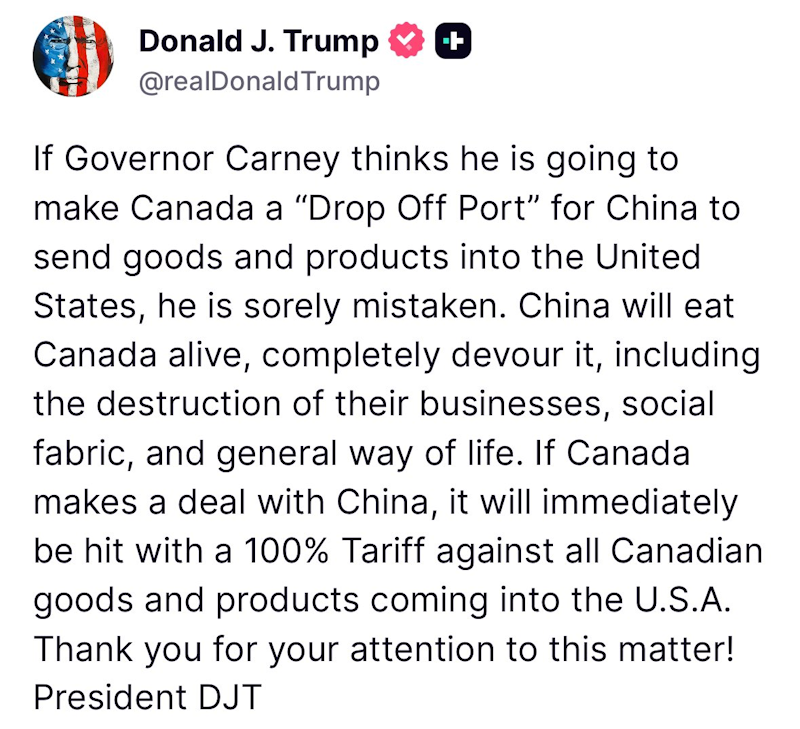
Donald Trump’s latest broadside at Canada was theatrical and absurd even by his own standards. In a Truth Social post this weekend, the US President threatened to slap “a 100 % tariff against all Canadian goods and products coming into the U.S.A.” if Ottawa “makes a deal with China”. He warned that “China will eat Canada alive, completely devour it, including the destruction of their businesses, social fabric, and general way of life”. He even called Prime Minister Mark Carney “Governor Carney”, deploying a jab he previously reserved for Justin Trudeau and alluding to his unfulfilled fantasy of Canada becoming America’s 51st state.

TDS ahead.

Share

BARBER: Mark Carney’s agendas and deception

From EV mandates to “new world order” rhetoric, the Prime Minister’s trade strategy risks Canadian jobs, energy sovereignty, and Alberta’s future.
Multiple mainstream media (MSM) news sources in Canada and the United States (US) have recently reported that Mark Carney struck a trade deal with China in response to Trump’s tariffs. This short statement says more than meets the eye.

The CUSMA (aka USMCA), which largely eliminates tariffs, became effective in 2020. This agreement removes tariffs from most agricultural goods, energy, and many industrial goods. A few items, such as steel, aluminium, and softwood lumber, are exceptions. This means that the recent US tariffs imposed by President Trump do not apply to Canadian goods qualified under CUSMA. Therefore, these new tariffs cannot be the primary motivating factor for Prime Minister Carney’s deal with China.

Share

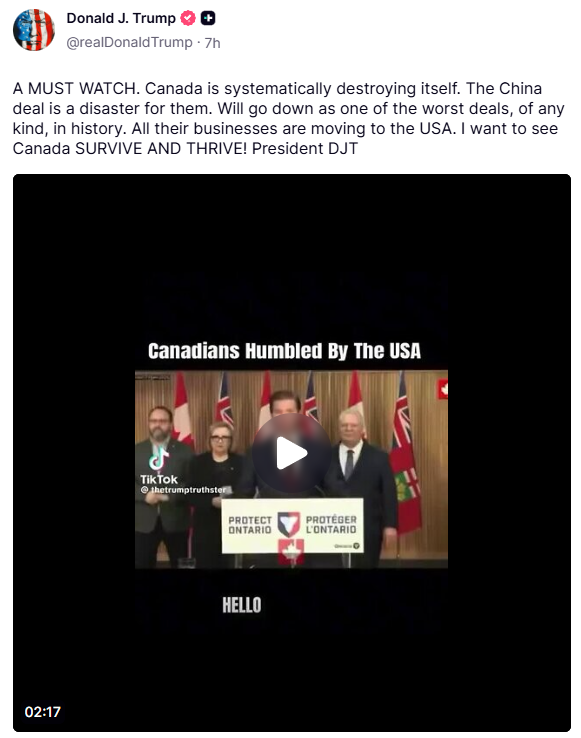
President Trump – Canada is systematically destroying itself.

Trump Tweet Link

Good read below

Share

While Canada Cozies Up to China, Mexico Imposes Harsh Tariffs Due to Chinese Auto Dumping

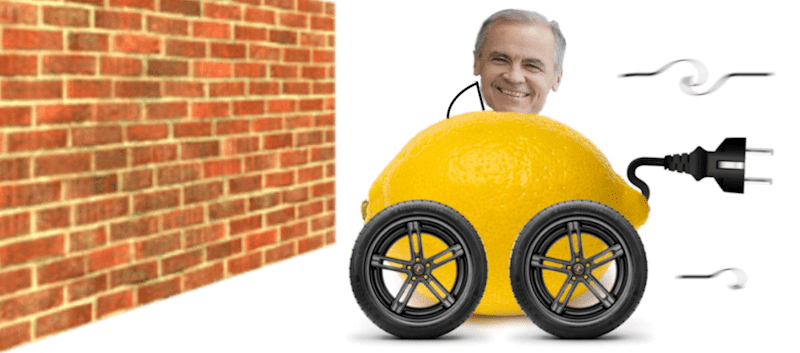
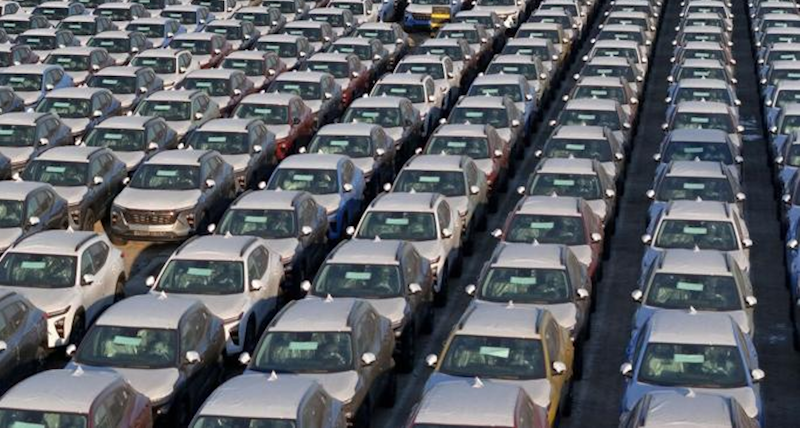
In an attempt to figuratively poke Donald Trump and the United States in the eye, Canadian Prime Minister Mark Carney just announced that Canada is cozying up to China by slashing tariffs on imported Chinese EVs. The new tariff rate will be just 6.1 percent, opening up his country to 49,000 Chinese vehicles initially, and increasing to 70,000 in the coming years. China “reciprocated” by dropping the tariff on Canadian canola oil to 15 percent. Carney’s determination to strike a deal with China clearly put the Chinese in a very favorable negotiating position. It would behoove Mr. Carney to have a talk with Mexican President Claudia Sheinbaum about the perils of economic surrender to China, especially as it relates to Chinese auto imports.

Share

For Canada and Carney, the end of the old order is just the start … of what?

The phrase “rules-based international order” became popular among Canadian leaders starting in 2017.

It is not exactly poetry, but it was meant to mean something — shorthand for the web of multilateral acronyms (the UN, the WTO, the IMF, NATO, the G7, the G20, NAFTA, among others) that arose in the wake of the Second World War, all of it backstopped by American power. This was the stuff of relative peace and stability, at least for many (but far from all) of the nations of the world, at least as compared to the destruction of the Second World War.


The phrase “rules-based international order” has come to mean the US picks up the tab in blood and treasure.

The Carney’s of the world are reluctant to give up this sweet deal having enriched themselves.

Share

Canada’s auto sector is in serious trouble. Are Chinese EVs the solution?

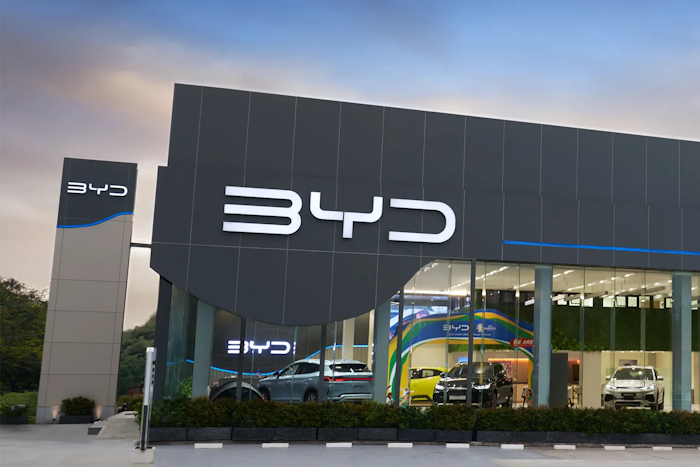
When Trevor Melanson arrived in Reykjavik, Iceland, last July to pick up his rental car, he was “pleasantly surprised” to be handed the keys to an electric vehicle that most North Americans could only dream of driving — a Chinese BYD.

Melanson, from Vancouver, B.C., was curious to try out a car he had heard so much about — in this case a silver hatchback — but had never seen. When he got behind the wheel of this “efficient car that checks all the boxes,” he realized it was a vehicle that many Canadians would like.


Carney’s propaganda rag the Toronto Star published this article on the same day Trump threatened 100% tariffs over Ottawa’s merger with China’s godless communists and a week after running a piece saying China was unlikely to invest in Canadian EV manufacturing plants.

Share

Beijing’s Lying Liberals assure Trump: ‘no pursuit’ of free trade with China, after 100% tariff threat

OTTAWA — Prime Minister Mark Carney’s Liberal government is pushing back against U.S. President Donald Trump’s latest threat to impose 100 per cent tariffs on all Canadian imports if Ottawa makes a trade deal with China, insisting there is no deal in the works.

After Trump delivered the ultimatum on Saturday, Minister for Canada-U.S. Trade, Dominic LeBlanc, posted a response on X.

So what happened since last week to change Carney’s mind about his New World Order?

h/t Mauser

Share

Team Trump Is Livid After Canada’s Carney Calls Out U.S. Coercion

OTTAWA—Canada and the Trump administration are locked in a war of words over Prime Minister Mark Carney’s bid to chart a new model for smaller powers to fight back against the U.S.’s aggressive use of its economic and military might.

In the past week, Carney has resolved a trade dispute with America’s biggest strategic competitor, China, and delivered a speech at the World Economic Forum in Davos, Switzerland urging smaller powers to unite against economic coercion from the world’s great powers.

Share

U.S. Automakers’ Foreign Troubles Now Extend to Canada

U.S. trade policy has devastated the Canadian auto industry and pushed the country to reach an agreement that will make it easier for Chinese companies to sell cars there.

Canada’s decision this month to give Chinese carmakers a toehold in the country’s car market may be an ominous development for U.S. automakers that are already struggling to stay relevant outside North America.

General Motors and Ford Motor — the two largest U.S.-based car manufacturers — have been steadily losing customers in Asia, Europe and Latin America, as Chinese carmakers have gained ground. Now Canada plans to lower tariffs on a limited number of Chinese-made vehicles, potentially giving companies like BYD, SAIC or Geely a small but significant presence on the United States’ northern border after already building a thriving business in Mexico and much of Latin America.

If they lose significant ground to Chinese companies in Canada, Mexico and other countries where they once dominated, Ford and G.M. could gradually become niche manufacturers, said Erik Gordon, a professor at the Ross School of Business at the University of Michigan. They will end up primarily making and selling large pickup trucks and sport-utility vehicles favored by many Americans but that tend to sell less well in much of the rest of the world.


Hey Grok! What is the average tariff faced by US automakers in Asian nation markets?

From available data on applied import duties for passenger automobiles (primarily from sources like World Population Review’s 2026 country rankings, WTO profiles context, and industry reports):

  • Japan: 0%
  • South Korea: ~10%
  • China: ~25%
  • India: ~125% (high-end or standard; recent reductions to ~70% for some categories)
  • Indonesia: ~40%
  • Malaysia: ~30%
  • Philippines: ~30%
  • Thailand: ~80%
  • Vietnam: ~70%

UPDATE:

Share

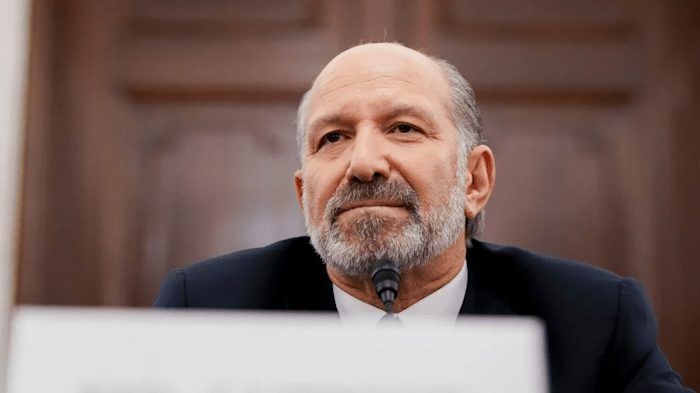
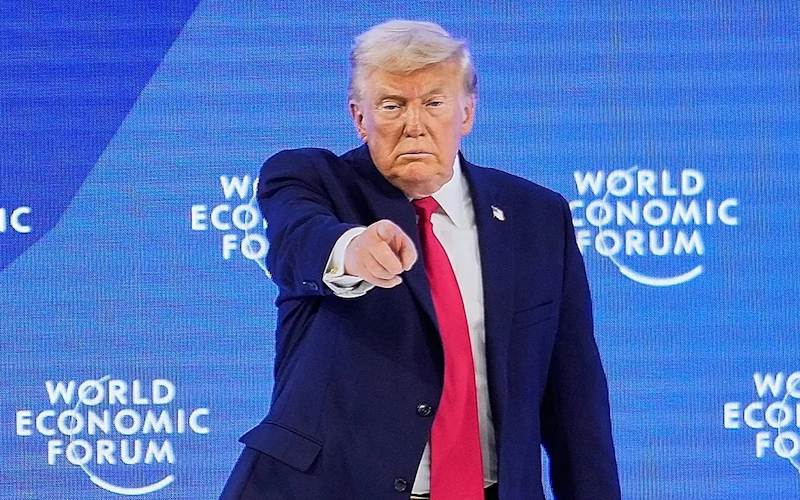
Guess Who Booed Howard Lutnick at the World Economic Forum—and Why Lutnick Called It the ‘Greatest Honor’

Commerce Secretary Howard Lutnick revealed on Fox News’ Jesse Watters Primetime Thursday who the sole booer of his speech at the World Economic Forum in Davos was, and why he considered it the “greatest honor.”

Lutnick described the panel he was on at the Summit as “basically a very left set of talks where someone said we need a new form of capitalism, which I think is another way to say communism. And then they let me speak at the end. Then I gave a three-minute talk. And I just talked about my op-ed.”


Link to Lutnick’s FP article – Howard Lutnick: Why the Trump administration is going to Davos

Share

Lutnick suggests Canada-China deal threatens CUSMA renegotiation

U.S. Commerce Secretary Howard Lutnick says Canada is “playing with a set of rules that they haven’t really thought through” by moving to reset relations with China ahead of trade deal renegotiations with the United States.

Lutnick made the comments in an interview with Bloomberg in Davos, Switzerland on Thursday.

h/t Mauser

Share

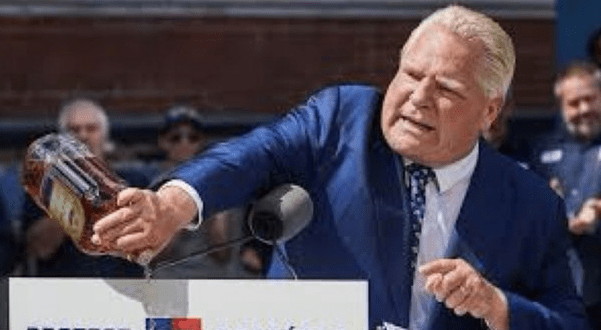
Doug Ford calls for Chinese EV boycott in Canada after Carney deal

Ontario Premier Doug Ford is calling on Canadians to boycott Chinese-made electric vehicles when they are allowed back into the country under a deal recently struck by Prime Minister Mark Carney.

Ford has been critical of the deal — and the fact Carney did not speak to him about it in advance — saying it will harm Ontario’s auto sector.

Carney and Chinese President Xi Jinping agreed while the prime minister was in China that Canada will all but drop its 100 per cent tariffs on Chinese EVs and allow an annual import quota of up to 49,000 of the vehicles in exchange for China reducing its canola tariffs.

Share

Former Senior Mountie: Carney’s RCMP–Chinese Police Cooperation Deal Is a Counterintelligence Danger That Risks Sovereignty

OTTAWA — After nearly five decades in policing, intelligence, and financial-crime investigations—including professional experience working in Asia—I have learned a simple rule: who you cooperate with matters as much as what you cooperate on.

Last week, the Prime Minister’s Office announced that Canada and the People’s Republic of China will enhance law enforcement cooperation on drug trafficking, transnational and cybercrime, and money laundering. On paper, this sounds reasonable. Fentanyl is devastating communities. Cybercrime drains billions. Organized crime adapts faster than borders.

Share