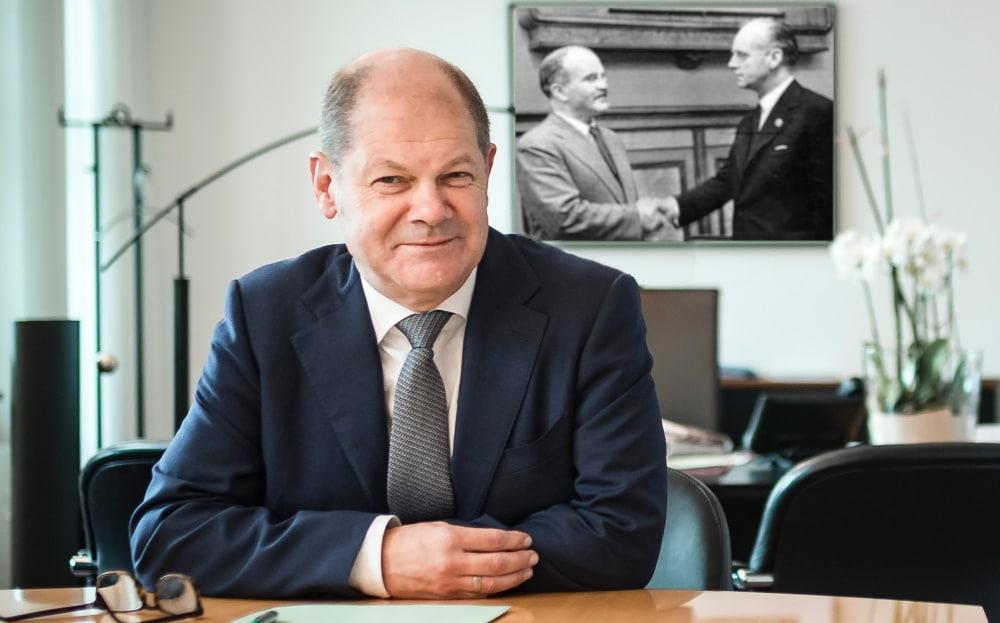
Germany’s Chancellor Has ‘a Lot’ for Ukraine. But No Battle Tanks.

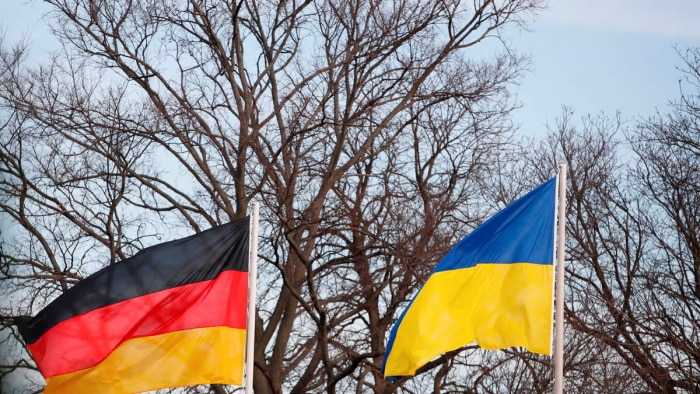
NEW YORK — Chancellor Olaf Scholz of Germany gets right to the point when asked why his country will not send battle tanks to Ukraine: It is “a very dangerous war,” he said.

Ukraine has made gains recently against Russia, which invaded the country in February, and has been asking the West for reinforcements. But Germany has declined to lead the way in sending that aid.

“We are supporting Ukraine,” Mr. Scholz said last week in an hourlong interview with The New York Times. “We are doing it in a way that is not escalating to where it is becoming a war between Russia and NATO because this would be a catastrophe.”

Share

German “Office for the Protection of the Constitution” Admits it Operates Hundreds of Fake Far-Right Social Media Accounts

The German federal state is operating hundreds of fake far-right social media accounts online, a mainstream newspaper in the country has revealed.

Hundreds of fake social media accounts espousing far-right ideology on platforms such as Twitter, Telegram, Instagram and Gettr are being operated by the German Federal State, a report by a major mainstream newspaper in the country has revealed.


Office for the Protection of the Constitution operates hundreds of right-wing extremist fake accounts itself

BERLIN. The Office for the Protection of the Constitution has revealed that it operates hundreds of fake social media accounts that are classified as right-wing extremists. “This is the future of information gathering,” said an unnamed head of a relevant state office of the Süddeutsche Zeitung .

You can take the boy out of the STASI but you can’t take the STASI out of the boy.

Share

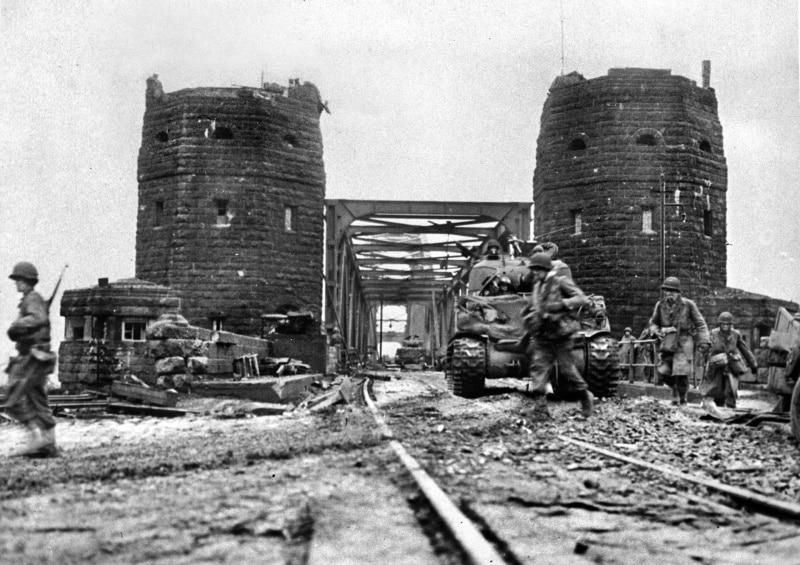
Germany to rebuild Remagen bridge

Officials in Germany have announced plans to rebuild a bridge over the Rhine that collapsed days after its capture by US soldiers in the final weeks of the second world war.

The bridge at Remagen, which featured in a 1969 film of the same name starring George Segal, Ben Gazzara and Robert Vaughn, focusing on the heroism of the allies’ final advance into Germany, could be standing again within a decade, town planners have said.

Share

Pawnbrokers, winners of Germany’s growing economic crisis

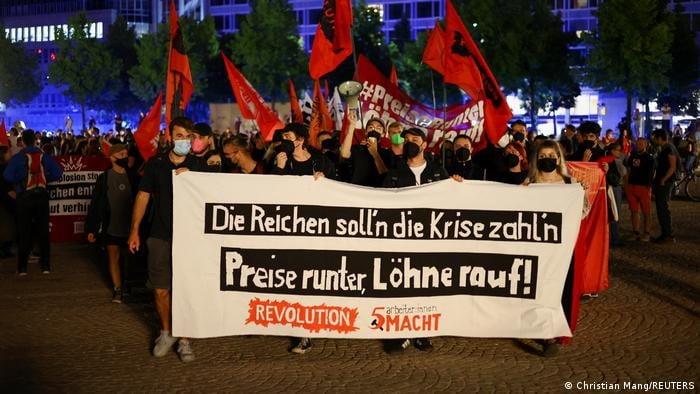
German Commies Protest Cost Of Living

Anybody who wants to know how the Germany economy is running need only count the number of customers Nikolaus Bode has.

The formula for working this out is fairly simple. If the pawnbroker in the small western city of Siegburg is not very busy, the whole country is doing well. But if people are breaking down his doors, that indicates some kind of crisis.

In September this year, Bode is so busy he can hardly think. That means Germany’s in a mess. “A pawnbroker is an indicator,” Bode told DW. “People come here when there is a lot of unemployment or severe economic problems.”

Share

Berlin’s Dark, Enduring Heart

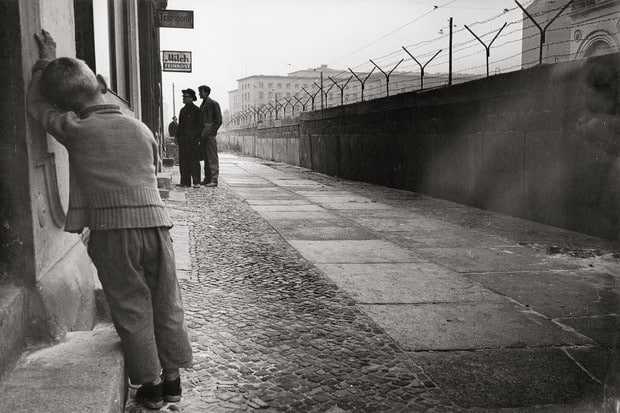
I first visited West Germany as a student, during the height of the Cold War, but I didn’t make it to Berlin until shortly after the Wall came down. In fact, when I arrived there by night train from Munich in the spring of 1990, it was still coming down, both figuratively and literally. Chugging through what until very recently had been East Germany, we stopped at a station where the train remained closed—like Lenin’s on his 1917 journey to Saint Petersburg—while an elderly woman in a shabby, ill-fitting uniform made her way slowly along the platform, meticulously copying down the numbers of our passenger cars, obviously performing a decades-long but now pointless ritual. In the morning, we pulled into the Berlin Zoo station, where everyone got out except for yours truly, because I was too naïve to know that Berlin Zoo was, in fact, the main station for West Berlin and that the final stop, the Hauptbahnhof, where I ended up disembarking, was a cavernous, empty old pile of rubble—or close to it—in the former East Berlin.

Share

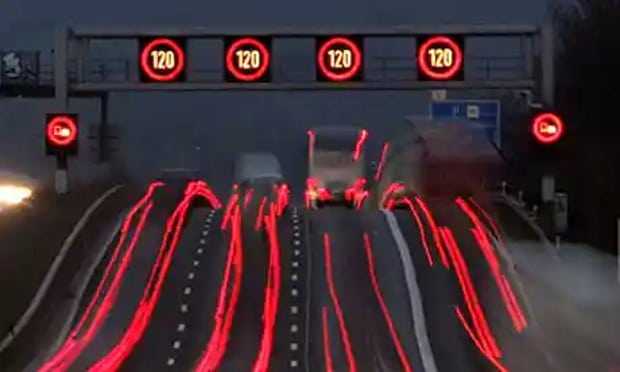
Germany’s finance minister pushes to save combustion engines from EU green plans

BERLIN — Germany’s Porsche-driving finance minister is mounting a last-minute push to save the combustion engine, claiming European Commission President Ursula von der Leyen pledged to make changes to incoming emissions legislation.

Christian Lindner told POLITICO that German Chancellor Olaf Scholz had reached a backroom deal with Commission President Ursula von der Leyen in June to ensure that the use of synthetic fuels, or e-fuels, would be permitted under fresh EU fuel efficiency standards that will introduce a zero emissions mandate for new car and vans sales by 2035.

Share

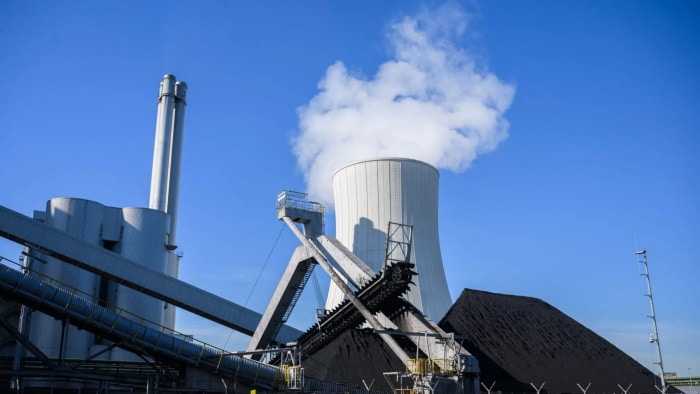
Germany is committing national suicide

An eco-obsessed elite has sacrificed energy and food security to the climate agenda.

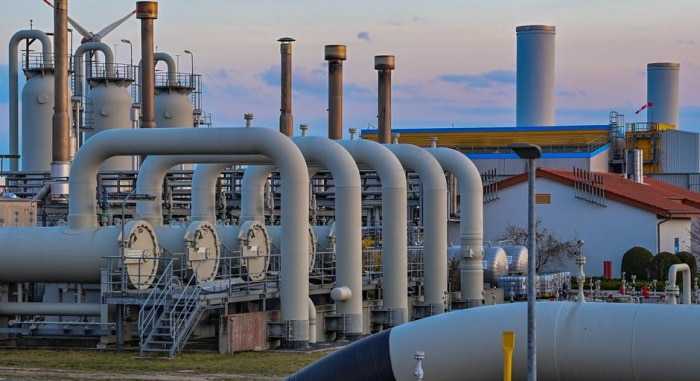
The German government decided last week to temporarily halt the phasing-out of two nuclear power plants. This is an attempt to secure Germany’s energy supplies after Russia effectively turned off its gas exports to Germany.

But there is much more the German government could do if it was serious about shoring up its energy security.

Share

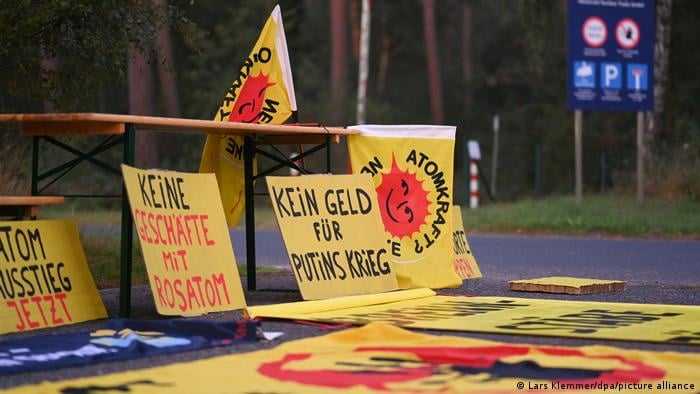
Germany: Activists protest on-going purchase of Russian uranium

Environmental activists on Monday protested in front of a fuel element factory in Germany where a Russian uranium shipment was set to arrive.

The Russian ship Mikhail Dudin was expected to arrive at the Rotterdam port Sunday evening, and the uranium was to be transported by truck on Monday to a plant in Lingen, near the German-Dutch border.

Protesters demanded an “immediate stop to nuclear deals with Russia,” according to a statement published by a citizen initiative.

Have these guys signed a non-aggression pact we’re not aware of?

Share

Trump Vindicated: Merkel‘s Party Blamed for Causing Energy Crisis

Germany’s economy and climate minister has angrily lashed out at Angela Merkel’s party, accusing it of being responsible for “16 years of energy policy failure”.

While the ongoing gas crisis across Europe gets steadily worse, political tensions in Germany appear to be growing, with the country’s economic and climate minister, Robert Habeck, angrily lashing out at his political rivals in the Christian Democratic Union (CDU), the party of former chancellor Angela Merkel.

Share

Disillusioned Poles lose patience with ‘dithering’ Germany

Germany’s “dithering and inaction” since the Russian invasion of Ukraine is prompting other European states to question its value as an ally, the Polish prime minister has said.

While Berlin has pledged at least €1.2 billion worth of military aid — more in absolute terms than any other country except the United States, Britain and Poland — Kyiv and some of its more gung-ho backers are dissatisfied with the slow pace of deliveries.

Share

When German Environmentalists and Putin’s Government Had a Burning Love Affair

In 2011, the German Baltic Sea Nature Conservation Foundation (Naturschutzstiftung Deutsche Ostsee) was created as a result of an agreement between Nord-Stream, the three main environmental organisations in Germany — WWF, BUND (“Friends of the Earth”), NABU — and the state of Mecklenburg-Western Pomerania. This foundation was immediately provided with a lucrative budget of ten million euros by Nord Stream.

Share

Hubristic Germany has dragged Europe into poverty

Europe’s industrial powerhouse has managed to reduce itself to an instrument of Putin’s aggression

It wasn’t so long ago that Germany was able to present itself as the sensible man of Europe – the wise country which retained control of its public finances while other governments were losing their heads, and whose taxpayers were a little resentful about having to bail out less-responsible southern European nations. Now it is Europe’s fool.

Share

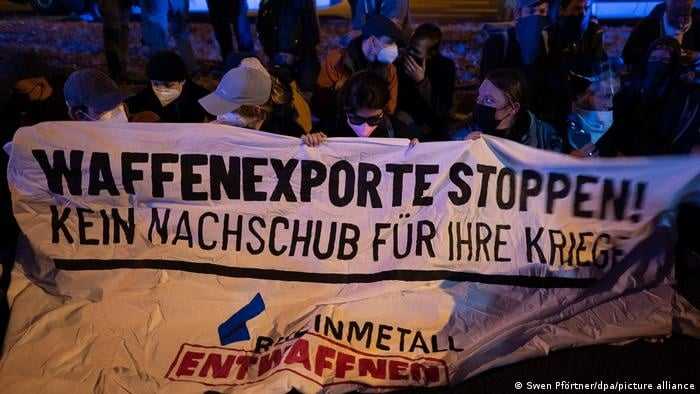
Germany: Police clash with protesters outside arms factory

Police used pepper spray and batons against protesters in the German city of Kassel in the early hours of Friday morning as anti-war demonstrators attempted to block the entrance to an arms factory.

Officers said the protesters had begun to throw objects at them. At least one person was arrested.

Activists for the Disarm Rheinmetall movement have been calling for protests across the country to try and stop the production and delivery of weapons, including for the war in Ukraine.

Share

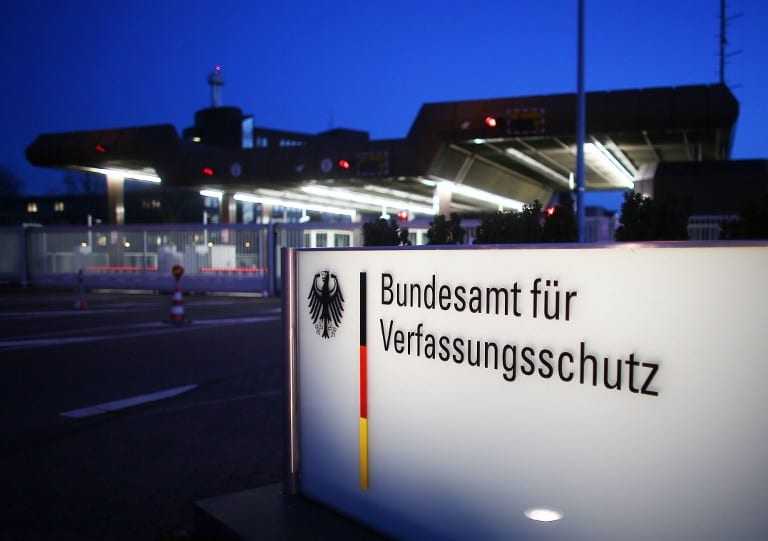
German civil servants investigated over ‘spying for Russia’

Federal Office for the Protection of the Constitution (BfV)

Germany’s domestic intelligence agency is investigating allegations that two senior civil servants working in the economy ministry could have been spying for Russia, according to a local media report.

Die Zeit, which first revealed the case, said the officials being investigated had close involvement with energy supply issues and held key positions.

The economy ministry and the Federal Office for the Protection of the Constitution (BfV), the country’s domestic intelligence agency, would not comment on the reports. The economy ministry would only say that it was in continual dialogue with the BfV, and that the ministry found itself “under particular focus” due to its work tackling the energy crisis.

Hmmm

h/t Mauser

Share

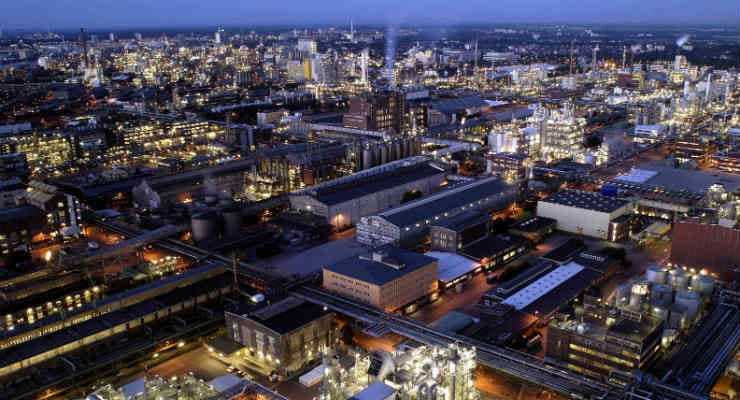
German factories shut down as energy costs spiral out of control

Eurozone inflation surged to another record high in August, fuelled by soaring energy prices that are threatening to plunge the region into recession.

Annual inflation across the bloc rose to 9.1pc this month, up from 8.9pc in July, according to the latest figures from Eurostat.

Prices are rising at the fastest rate since records began in 1997, piling pressure on the European Central Bank to continue raising interest rates at its meeting next week.

Share