GUNTER: The harsh realities of electric vehicles in Canada

When it comes to electric vehicles (EVs), the Trudeau government and Environment Minister Steven Guilbeault are putting the policy cart before the technology horse.

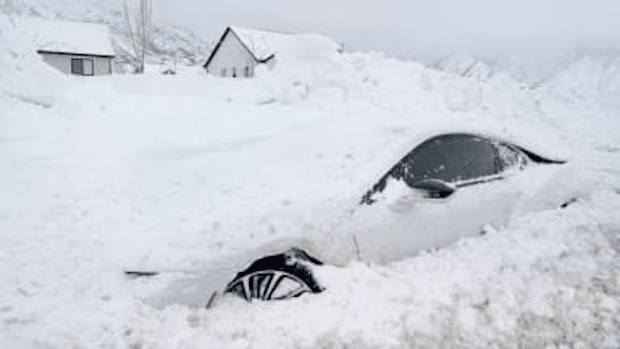
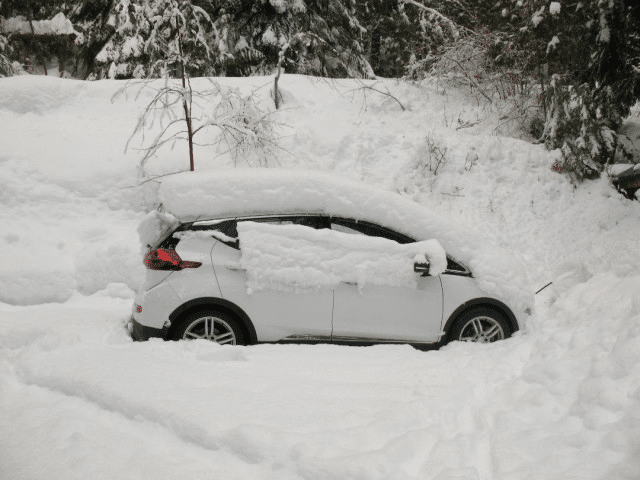
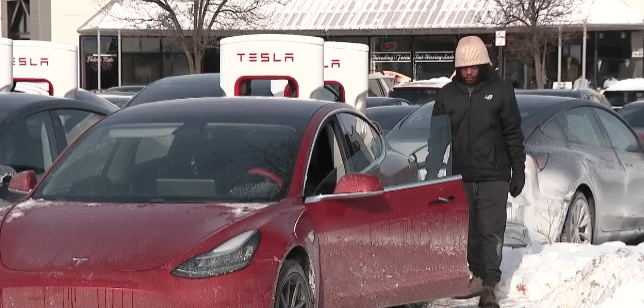
If last week’s extreme cold temperatures over most of the country taught us anything, it’s that EVs just aren’t practical (yet) for a country this big and this cold.

Share

Electric Vehicles Enter the ‘Total Failure’ Phase of Their Existence

Is it time to start asking whether electric vehicles have any redeeming value in 2024? Given the recent spate of bad news surrounding them, the answer to that question is becoming clearer.

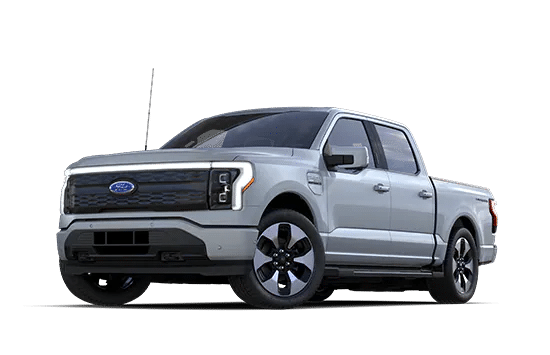
As RedState reported, Ford has cut the production of its “Lightning” electric pickup truck in half. Why? Mainly because no one wants to buy them. Why do they not want to buy them? Because they are overpriced, unreliable, and impractical.

Share

Environmental Concerns Loom Over Subsidized Quebec EV Battery Plant

The Department of Fisheries is currently reviewing a taxpayer-funded electric auto battery factory in Quebec, owned by Northvolt, amid concerns of potential environmental impacts.

This review includes assessing the risk of wetland destruction and fish habitat harm, as first covered by Blacklock’s Reporter. Despite Prime Minister Justin Trudeau’s previous endorsement of the Northvolt plant as “the world’s cleanest,” these concerns bring a new dimension to the project.

Share

Poll: 65% Unlikely to Buy Electric Cars as They Strand Drivers in Winter Freeze

The overwhelming majority of Americans said on Tuesday they are unlikely to consider buying an electric vehicle (EV). The poll comes as EVs strand drivers at their homes and off the sides of roads amid a winter freeze sweeping the United States.

Rasmussen Reports released the poll, finding that 65 percent of American adults said they are not likely to consider buying an EV when purchasing their next car — including 37 percent who said they are “not at all likely” to buy an EV. Fewer than 3-in-10 Americans said they would consider buying an EV.

Share

Electric vehicle production mandates, like Canada’s, are so wrong on so many levels and could backfire

Any feeling that the electric vehicle market was overhyped was confirmed this week when Hertz took the off-ramp on the EV highway. The car-rental giant plans to unload 20,000 cars, about a third of its American EV fleet, and make up the shortfall with regular gasoline cars.

Weak rental demand, high maintenance costs and low resale prices were behind the about-face. When Hertz began loading up on EVs – all of them Teslas – in 2021, the move was seen as a vote of confidence in zero-tailpipe-emission motoring for the masses. The reversal signals the opposite and Hertz is not alone. EV sales in North American, Europe and elsewhere are rising at ever-diminishing rates and China, the biggest EV producer, is stuffing thousands of unwanted battery-powered cars in fields, where they are left to rot.

Share

Hertz, Tesla and the Perils of CEO Groupthink

Hertz announced to much fanfare on Oct. 25, 2021, that it planned to buy 100,000 Teslas. “Electric vehicles are now mainstream, and we’ve only just begun to see rising global demand and interest,” then-CEO Mark Fields said. The share prices of both companies popped, and Tesla’s market capitalization surged past $1 trillion, exceeding the valuations of nearly all traditional automakers combined.

C-suite executives praised the announcement. “Kudos to Mark Fields and the Hertz team for steering a great American brand into the electric and connected future,” Ford CEO Jim Farley tweeted. Hertz had emerged from Chapter 11 bankruptcy only a few months earlier. It was betting on electric vehicles to power its revival.

Share

Electric cars ‘the best vehicle’ in frigid temperatures, Sask. advocates say

With the federal government planning to phase out sales of new gas-powered vehicles during the next decade, many drivers question how they will fare on cold Prairie days like this week’s.

But two electric car enthusiasts who chatted with host Leisha Grebinski on CBC’s Blue Sky this week say they love driving their vehicles in the winter.

Hmmm…


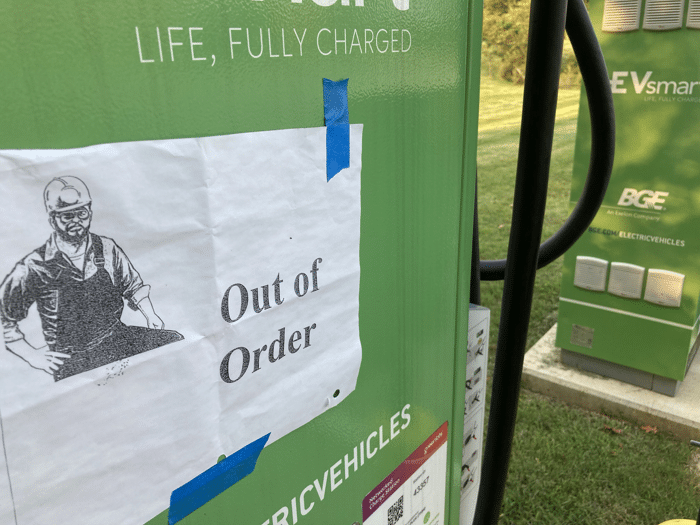
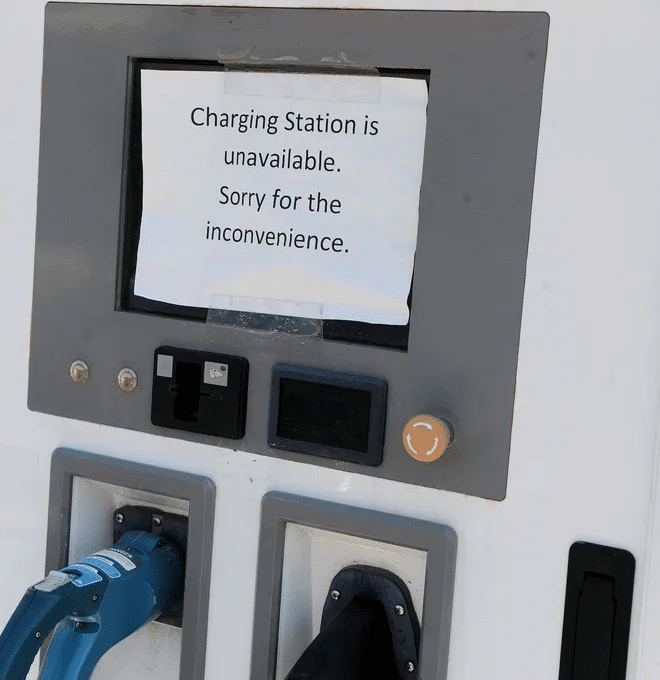
Fast chargers stop working in Yellowknife due to cold weather

Northland Utilities’ FLO fast chargers stopped working due to the extremely cold weather. The company is working with FLO to find a solution.

No Go Flo!

Real life is hard …

h/t Mauser

Share

End of road for EVs? Hertz to sell 20,000 since customers don’t like them

Car rental giant Hertz is selling 20,000 EVs – a third of its electric fleet – due to a lack of demand and expensive repair costs.

The proceeds from those sales will be used to reinvest in gas cars, the company said in its most recent filings.

Hertz’s electric fleet is mostly Teslas but also features Chevrolet Bolts and Polestars.

Share

Who benefits most from Canada’s ambitious EV targets? Maybe China

Flavio Volpe, head of the Automotive Parts Manufacturers’ Association, believes the recent electric vehicle targets set out by Canada’s environment minister also carried this pointed message to Canada’s domestic auto industry: “Let them eat cake.”

Volpe says he has come to this conclusion because he believes those goals, which include a national target of 100 per cent zero-emission vehicle sales by 2035, cannot be met.

Share

He drives an electric truck in Yellowknife, but his home can’t handle the charger it came with

When Ben Baird purchased a fully electric truck, he expected to install the Level 2 charger it came with at his Yellowknife home.

Ford’s F150 Lightning comes with an 80 amp charger. It would have required Baird to upgrade the 100 amp panel in his home to a 200 amp panel — an expense he was prepared to pay.

But in order to provide that level of power to his home, Baird said, power distributor Northland Utilities told him he’d have to pay $12,000 to upgrade the transformer in his neighbourhood as well.

Share

Electric buses: another bankrupt green boondoggle

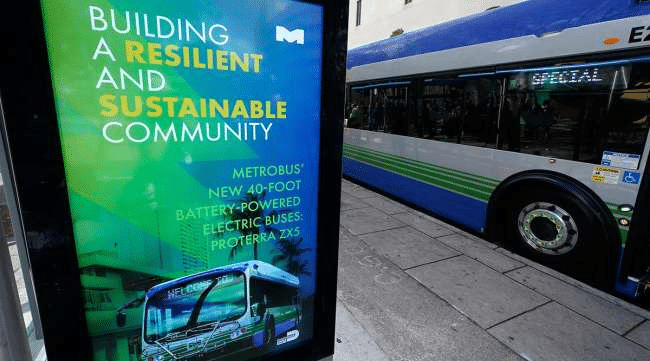
Electric buses are just like electric passenger vehicles: they’re not ready for prime time, only more so. Proterra buses are a case in point. Cities that wasted money on them found they had far less range then advertised. They commonly couldn’t complete even short, flat routes specifically designed for them. The enormous weight of their batteries cracked frames, and getting parts from the factory was virtually impossible. But to make up for their failures, they were far more expensive than reliable diesel buses. Proterra went bankrupt in August of 2023.

Share

Don’t Even Think About Driving One Mile above the Speed Limit

Progressives in the U.K. push 20 mph speed limits, on top of congestion taxes and outright bans of new gas- or diesel-powered cars.

If you want to predict what the next steps in the progressive war on the private automobile will be in the United States, look to elite public opinion.

Electric-vehicle fanatics have pushed nine states into mandating zero-emission cars in the next few years. New York City will begin charging a congestion fee in Manhattan in May. In a new poll, commissioned by the Committee to Unleash Prosperity, Scott Rasmussen has just surveyed 1,000 members of what he calls “the elite 1 percent” of Americans, namely those who have a postgraduate degree, live in dense urban areas, and earn more than $150,000 a year. In short, they are the people who frequently wield disproportionate influence over ideas and public policy.

Share