Poilievre Calls for Scrapping EV Mandate After Auto CEOs’ Private Letter to Carney Made Public

Conservative Leader Pierre Poilievre is once again calling for Ottawa to overturn its electric vehicle (EV) mandate, echoing a letter five automobile CEOs sent to the prime minister in May that was recently released.

“Automakers have warned Mr. Carney of the job losses and rising costs from his ban on gas-powered vehicles. We must allow people the freedom to choose,” the Tory leader said on Aug. 7.

Share

Five auto CEOs warned Carney in May that EV mandate would ‘inflict serious damage’ across industry

OTTAWA — Less than two weeks after the Liberal cabinet was sworn in, the presidents of the five major automakers appealed directly to Prime Minister Mark Carney, requesting him to “urgently” repeal the federal zero-emission vehicle sales mandate, warning of industry-wide repercussions if it is not.

More than two months later, and with no public indication as to whether the government will listen, frustration is only building, says Brian Kingston, president and CEO of the Canadian Vehicle Manufacturers’ Association, which sent the May 26 letter and represents Ford, General Motors, and Stellantis.


Carney is as bad as Junior and possibly as twisted as his wife when it comes to evangelical eco-nuttery.

Share

Conservatives slam Liberal EV mandate as out of touch with Canadians

Conservative MPs are calling on the federal government to scrap its electric vehicle (EV) sales mandate, accusing the Liberals of ignoring consumer demand and pushing forward with policies that are unaffordable and impractical for most Canadians.

In a joint statement released Tuesday, Raquel Dancho, Shadow Minister for Industry, and Ellis Ross, Shadow Minister for Environment and Climate Change, criticized the Zero Emission Vehicle (ZEV) mandate as “flawed” and “ideological,” arguing it will hurt jobs, investment, and consumer choice.

Share

A Steep Mountain Drive, a Brake Failure and a Volvo Recall of Plug-in Hybrids and EV’s

Longtime Volvo fan’s terrifying ordeal prompts warning from regulators over software update for recalled plug-in hybrids and EVs

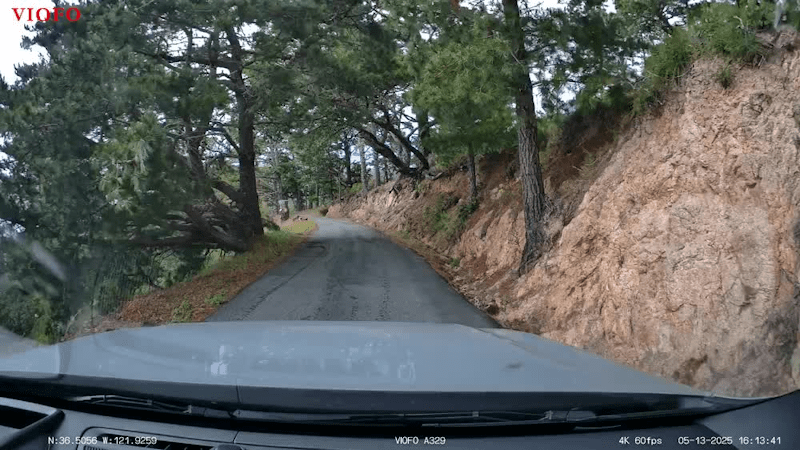
Peter Rothschild was driving home down a steep single lane road in northern California, when suddenly his Volvo SUV started accelerating out of control.

“I kept pushing on the brakes and pushing on the brakes,” said the 69-year-old retired radiologist. But for several seconds, nothing he could do would slow down the car.

Rothschild was able to steer his gray Volvo SUV up a hilly roadside, bringing the car to a stop. The side air bags deployed, and the vehicle suffered some damage. “I don’t think I would’ve made the next curve and would’ve gone off the side,” he said.

Share

“Rally Round The EV Boys”

EVs have become a litmus test for whether we’re still America’s buddy — or ready to be a global Canada say two Cranks

There are few Canadian markets more integrated with the U.S. than vehicles. And not just the cars we build in Ontario, but the ones we drive across this country.

We rely on U.S. safety standards that effectively determine which cars end up on dealership lots, align our tailpipe emission standards and when the U.S. under Biden erected a 100 per cent tariff wall on Chinese electric vehicles (EVs), did Canada look to Europe’s much lower tariff or the U.K.’s lack of one? No, we put up a 100 per cent tariff wall too.

And then a few things happened.


These are not serious people.

Share

Lion Electric will not respect warranties on school buses sold in United States

Lion electric bus

MONTREAL — Quebec vehicle-maker Lion Electric will no longer honour warranties on school buses and trucks sold in the United States, leaving clients south of the border in the lurch.

After seeking protection from its creditors in December, the struggling manufacturer was acquired by a group of Quebec investors in May with a plan to focus exclusively on electric school buses assembled and sold in the province. The company has retained its manufacturing plant in St-Jérôme, Que.

Earlier this month, the court-appointed monitor overseeing Lion’s restructuring sent a letter to U.S. clients informing them that their warranties and purchase orders have been voided.

Share

Internal government document predicted ‘immediate’ drop in EV sales without rebate subsidies

OTTAWA — An internal government document reveals there was awareness among some officials that Ottawa ending its electric vehicle subsidies in January would lead to an “immediate” hit to EV sales and market uncertainty, as it coincided with the United States’ rollback of its own electrification programs.

Share

Auto industry says environment minister won’t relent despite calls to scrap EV mandate

Crazy woman

OTTAWA — Automakers calling on Ottawa to roll back its electric-vehicle mandate say their case has so far failed to sway Environment Minister Julie Dabrusin, who appears “committed” to keeping it in place.

Rising pressure over the EV issue is part of the central tension facing Prime Minister Mark Carney, which is how much to adjust the Liberals’ climate policies to address concerns coming from industry and premiers, amid a time of economic uncertainty.

Share

VW’s EV: Only 10 Percent Loss!

Cause for celebration: the failure was not as bad as it could have been.

Orwell was on to something when he examined the mentality of certain kinds of people in a scene in his novel, 1984, wherein the character Parsons — who is described as one of those people who will eagerly swallow the most outrageous absurdity — expresses exultant happiness about Big Brother having increased the chocolate ration. In fact — as the novel’s hero Winston Smith understands perfectly well — the chocolate ration had just recently been reduced.

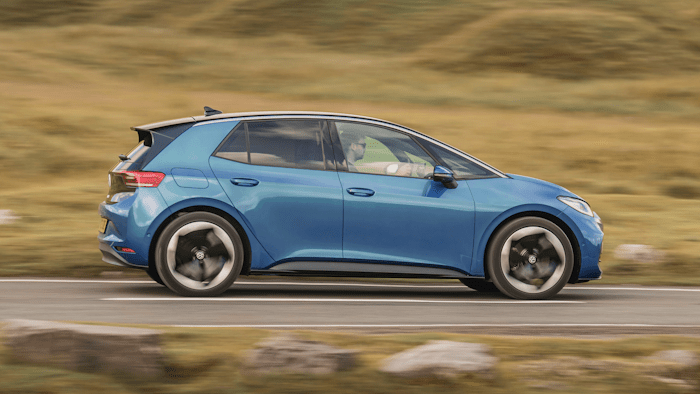
Maybe Parsons is working for ADC, which is a German roadside assistance company. Kind of like AAA. Anyhow, the company says it tested the battery pack in VW’s ID3 device and found that after 100,000 miles of driving, it only lost just shy of 10 percent of its capacity to hold a charge.

Share

Shipping Companies Suddenly Avoiding EVs

We’ve covered enough of these rather spectacular shipboard fires here that I’d imagine most everyone has a pretty good idea what this is in reference to.

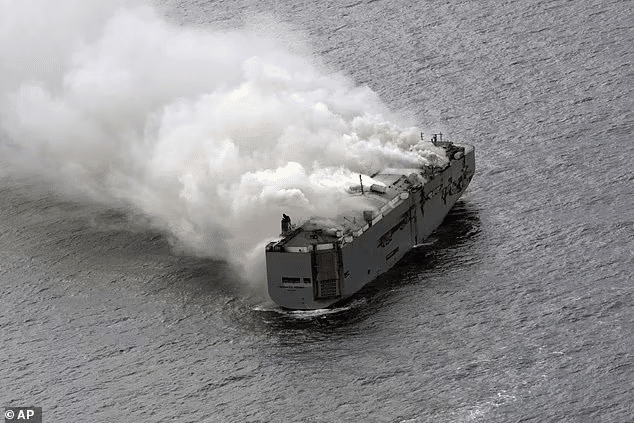
Boats packed to the gills with thousands of vehicles, even if only a small percentage of them aboard are electric, become floating, unquenchable volcanic islands when the lithium batteries in one or more of the EVs overheat or explode, and start burning. Almost invariably, they take the entire ship with them.

Share

Battery Makers in Slumping EV Business Find Lifeline Elsewhere

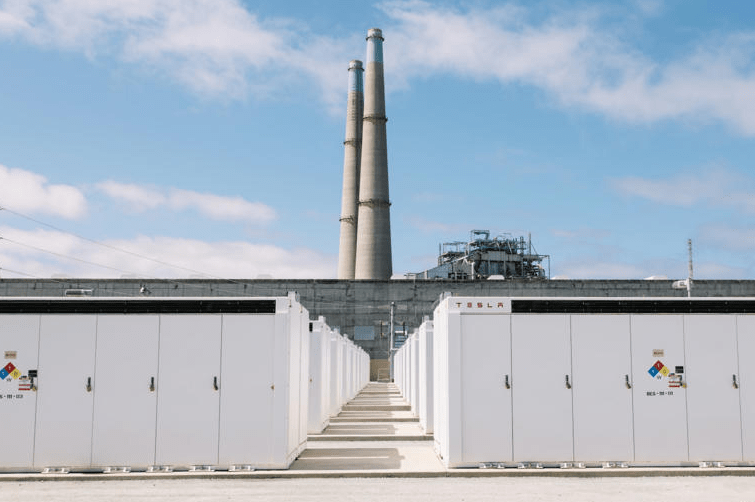
Tesla energy storage facility

Big U.S. EV battery makers are stepping back from the market that got them started and betting on a new set of customers in an entirely different business.

Instead of carmakers, these companies have started making batteries for utilities, wind- and solar-power developers, and massive data centers that train artificial intelligence.

Selling large, stationary batteries for “energy storage systems,” or ESS, used to be a niche market that wasn’t worth much attention, said Jaehong Park, an executive at the battery arm of South Korean conglomerate LG.

“ESS was the ugly duckling for a long time within our organization,” Park said.


Note that none of this activity is occurring in Canada. Our government EV Battery play is running out of juice.

Share

“Effective Immediately”: Shipping Line Suspends EV Cargo Due To Lithium Battery Fire Concerns

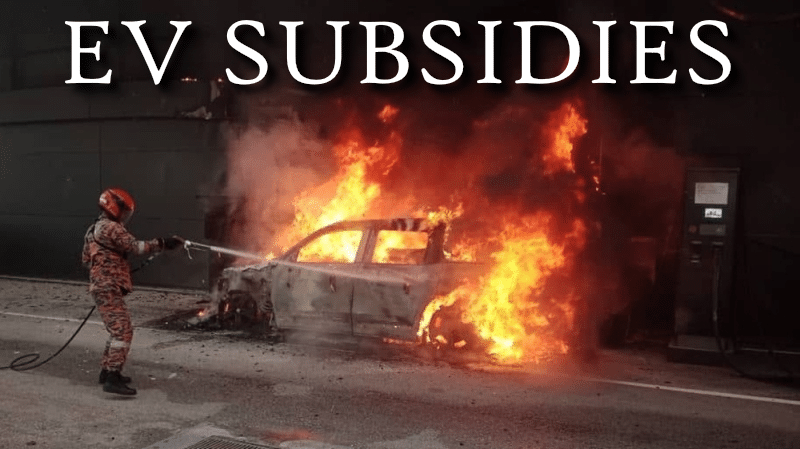
Morning Midas EV Car Fire

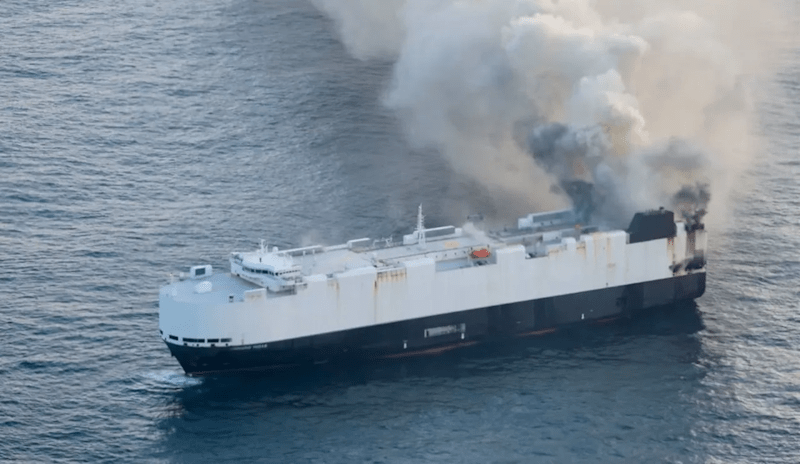
U.S. shipping and navigation services company Matson surprised customers in recent days by announcing new policies that halt all electric vehicle shipments due to the fire risk posed by lithium-ion batteries. This comes after the Morning Midas—a RoRo carrier transporting EVs and hybrids—erupted in flames early last month in the Pacific and subsequently sank.

h/t DS

Share

How the rise of green tech is feeding another environmental crisis

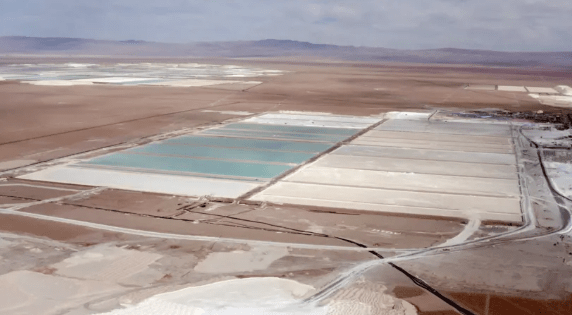
Raquel Celina Rodriguez watches her step as she walks across the Vega de Tilopozo in Chile’s Atacama salt flats.

It’s a wetland, known for its groundwater springs, but the plain is now dry and cracked with holes she explains were once pools.

“Before, the Vega was all green,” she says. “You couldn’t see the animals through the grass. Now everything is dry.” She gestures to some grazing llamas.

For generations, her family raised sheep here. As the climate changed, and rain stopped falling, less grass made that much harder.

Share