

As crime and homicide rates spiked over the last decade, everyone seemed to notice.
Cops, lawyers and, most importantly, the public. But one group was steadfast in their refusal to acknowledge what was unfolding on the streets of the country.
As crime and homicide rates spiked over the last decade, everyone seemed to notice.
Cops, lawyers and, most importantly, the public. But one group was steadfast in their refusal to acknowledge what was unfolding on the streets of the country.
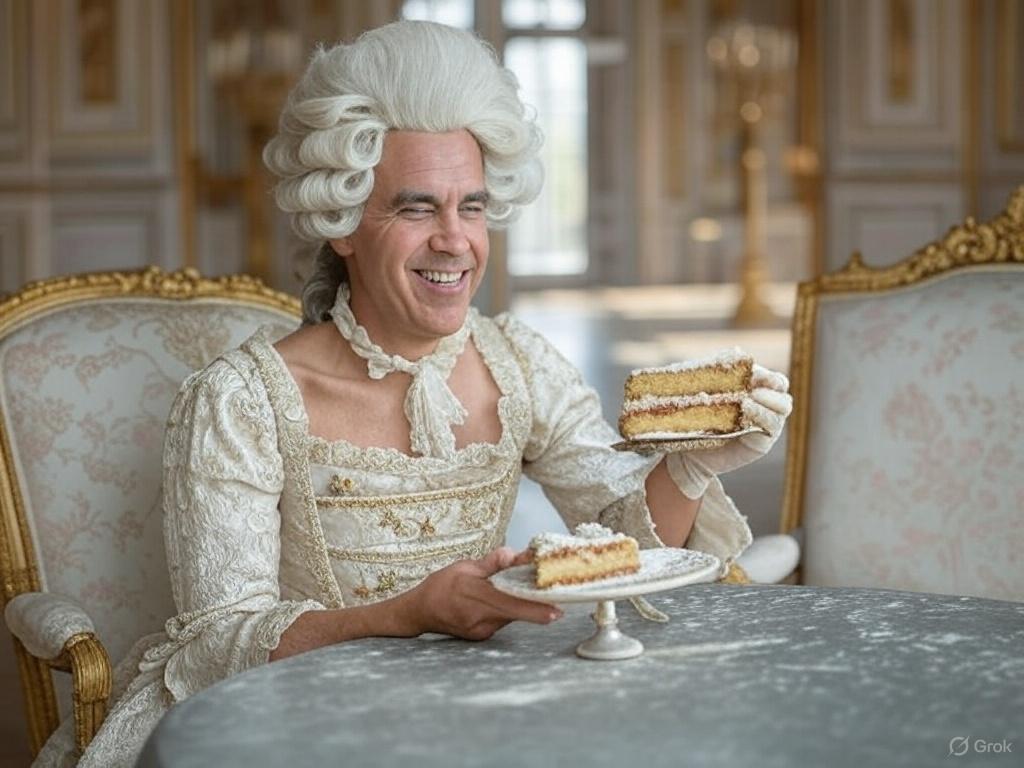
OTTAWA — Leaders of the world’s superpowers were elbows-down on some pretty pricey hardware in Alberta earlier this month.
Proactive disclosures filed after June’s G7 summit in Kananaskis show the round table world leaders huddled around last weekend cost taxpayers $258,300.
Is there a table shortage, tariffs jacking up the cost? No party rental outlet nearby?
h/t Patti Jo

OTTAWA — The head of a national association representing the electric transportation industry says the federal government, and provinces with a zero-emission vehicle sales mandate, should make “short-term adjustments” to their programs at the risk of the policy going the way of the now-cancelled consumer carbon tax.
Electric Mobility Canada President Daniel Breton’s comments come as auto-makers and others in the industry express a fresh round of concerns about the Liberals’ sales mandate, which has set a target of reaching 100-per-cent zero-emission vehicle sales by 2035, beginning with initial targets of hitting 60 per cent by 2030 and at least 20 per cent by 2026.
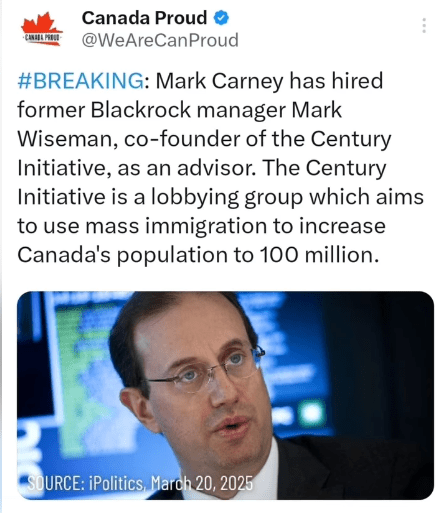
What’s the difference between an advocacy movement and a radical ideology? The Century Initiative makes an ideal case study. The group bills itself as a “national nonpartisan movement”—and perhaps it once was back in 2011, when its founders first set their minds to tripling Canada’s population to 100 million by 2100. After all, there were once physicians who thought smoking was healthy.
The Senate passed Prime Minister Mark Carney’s landmark ‘nation-building’ projects bill unamended Thursday, giving the federal government extraordinary new powers to fast-track initiatives that have the potential to boost the economy as Canada grapples with the U.S. trade war.
Carney’s cabinet can now streamline the approvals process by allowing some projects to bypass provisions of federal laws like the Impact Assessment Act, which has long been criticized as a hindrance to getting things approved in a timely manner.
Having read “Value(s),” the pre-electoral, philosophical musings of Prime Minister Carney, I was keen to read his first stab at legislating. I will cut to the chase.
His ambiguous style of writing about values is reflected in his ambiguous style of writing about interprovincial trade and labour and large project promotion in Bill C-5, (An Act to enact the Free Trade and Labour Mobility in Canada Act and the Building Canada Act.)
My prediction is that nothing will be changed by this legislation and that, perhaps, is by design.

OTTAWA — As Canada approaches a critical starting point for its electric vehicle goals, pressure is building on Prime Minister Mark Carney’s government to rethink its plan.
Starting next year, the Liberal plan to get more electric vehicles on the road will enter its first phase: mandating sales targets for car companies, which could purchase credits, including by spending on charging infrastructure, or face penalties for not complying.
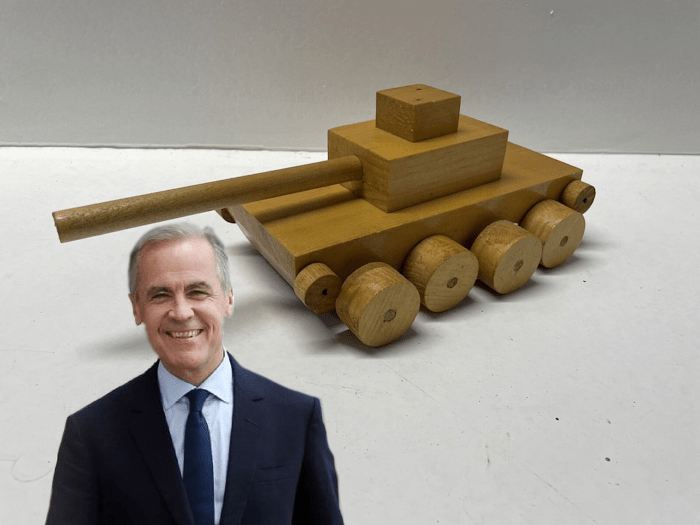
On Monday June 9, Prime Minister Mark Carney did the unthinkable. He promised to immediately boost defence spending to meet the NATO spending objective of 2 per cent of Gross Domestic Product (GDP) within the current 2025 – 2026 fiscal year.
The original defence budget tabled for this same timeframe was $40 billion or roughly 1.3 per cent of Canada’s GDP. With Carney’s new directive, spending on defence and security is to balloon to $62.7 billion prior to April 1 2026.
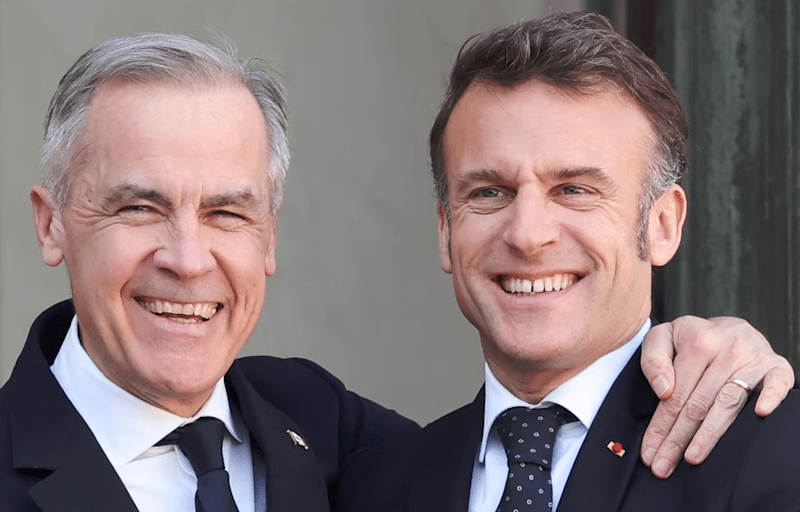
Prime Minister Mark Carney says Canada is “looking for a closer partnership” with the European Union — but not to become a member.
While speaking from the NATO summit in the Netherlands — where he announced Canada’s promise to spend five per cent of gross domestic product on defence by 2035 — Carney was asked whether he has given any thought to trying to join the bloc of European nations.
“The short answer is no,” he said. “That’s not the intent. That’s not the pathway we’re on.”
Bullshit.
Federal infrastructure bank provided $1-billion in financing for BC Ferries purchase of four new Chinese-made ships
The federal government’s Canada Infrastructure Bank provided $1-billion in financing for BC Ferries’ plan to buy four new ships from a Chinese state-owned shipyard, a fact that Transport Minister Chrystia Freeland did not mention last week when she sharply criticized the purchase.
Ms. Freeland sent a strongly worded letter last week to B.C. Transportation Minister Mike Farnworth expressing her “great consternation and disappointment” with the planned purchase.
The letter referenced a previous $75-million loan by the CIB for four other ferries and Ottawa’s annual grant for ferry operations, but did not mention that the bank is also providing $1-billion in low-interest loans for the specific purchase she was criticizing.
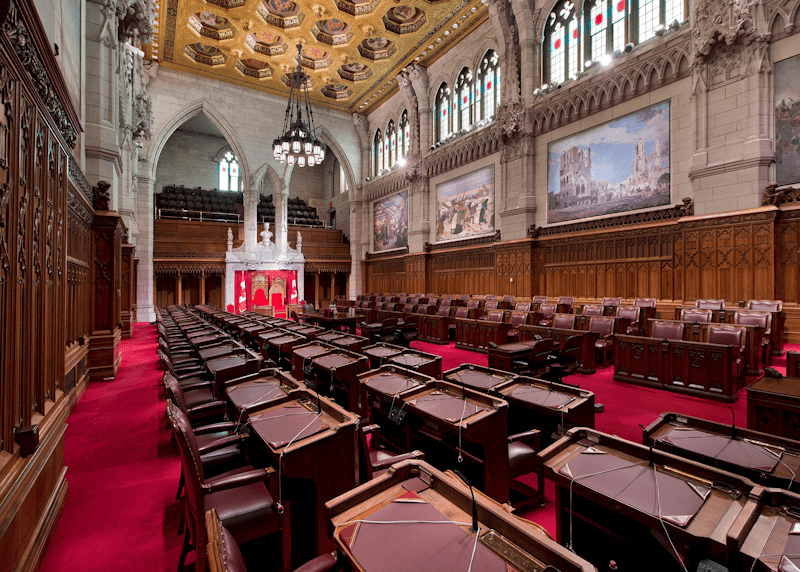
Prime Minister Mark Carney’s point-person in the Senate is pressing for the swift passage of the government’s landmark “nation-building” projects bill, but he isn’t certain he can get it through unamended before the upper house is scheduled to break for the summer.
In an interview with CBC News on Wednesday, Sen. Marc Gold, the government representative charged with shepherding C-5 through the Red Chamber, said he wants the bill to pass this week with no changes.
But, with senators essentially free agents after a series of changes under former prime minister Justin Trudeau, it’s hard to say what the outcome will be — given the criticism from some Indigenous leaders and environmentalists, Gold said.
Trudeau packed the senate like Liberal sardines.
On Monday, Prime Minister Mark Carney said — not for the first time — that Canada is “the most European of non-European countries.”He said it in May, too, in France; and Foreign Affairs Minister Mélanie Joly said it as well, in an interview with BBC. So it’s obviously a deliberate talking point. What’s weird about it is that Carney and Joly offer no explanation. They just say it as if it’s an established fact that all Canadians accept — which they obviously would not.
OTTAWA — In spending much more on national defence, the federal government might have to cut back in other areas, Prime Minister Mark Carney said Wednesday, as he hailed a new and more aggressive target of the North Atlantic Treaty Organization (NATO) to crank up its military budget over the next decade.
Those “trade-offs,” as Carney put it, are expected closer to 2030. But evolving threats and global dangers mean Canada must bolster the Canadian Armed Forces and devote tens of billions of dollars in annual spending to the military and defence-related infrastructure.
Oh No! Will the Trannies be made to do without?
He just signed the deal and can’t be bothered trying.
With Canada in the midst of a labour crunch, the Government of Canada has unveiled new targets to keep one-quarter of the the country’s labour force filled by immigrants.
The figure is contained in a new departmental plan released last Friday by Immigration, Refugees and Citizenship Canada.

Canadian border authorities say they are investigating or taking enforcement action in 66 cases involving suspected senior Iranian officials who may have been allowed into Canada, despite a law that bars them from entering the country or remaining in it.
Of the 66, the Canada Border Services Agency has so far identified 20 people as inadmissible because they are believed to be senior Iranian officials, according to figures the agency provided to The Globe and Mail.
