US ‘prepared Syrian rebel group to help topple Bashar al-Assad’

Fighters funded and trained by the US and UK tell The Telegraph they had advance warning the regime would be overthrown

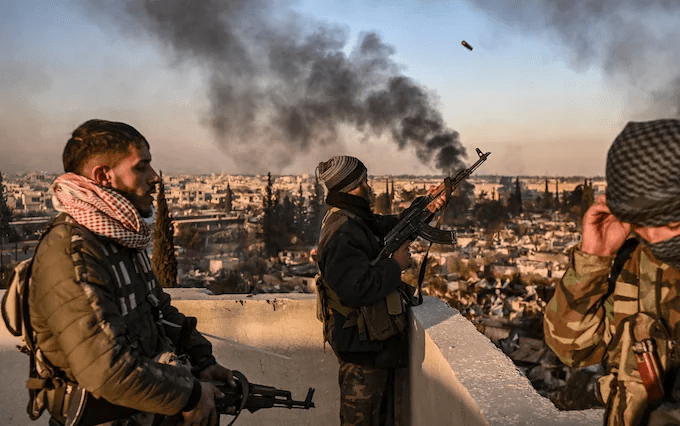
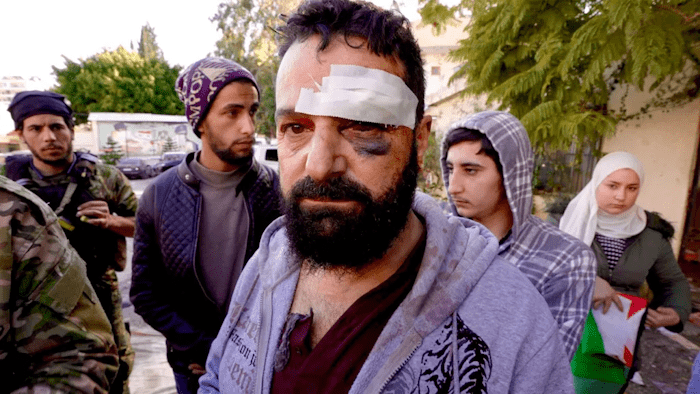
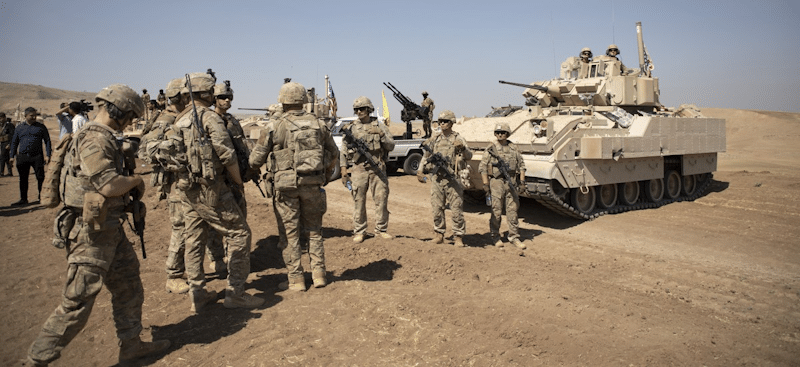
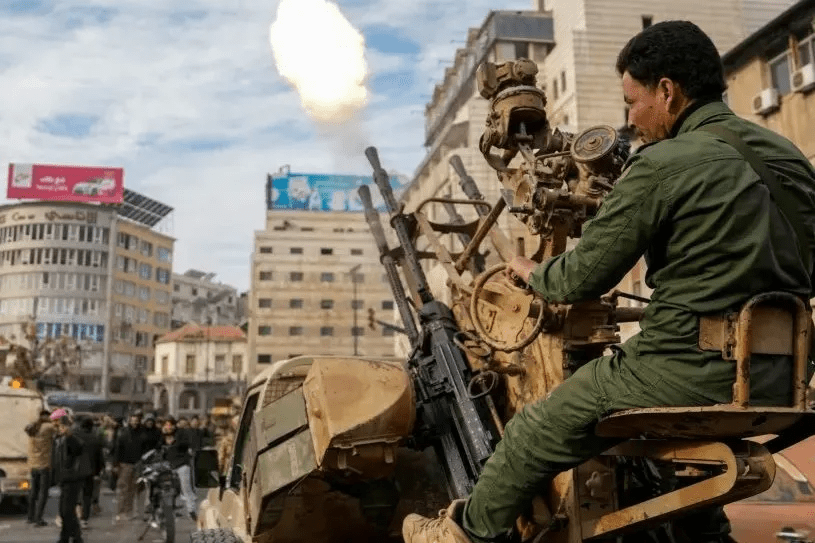
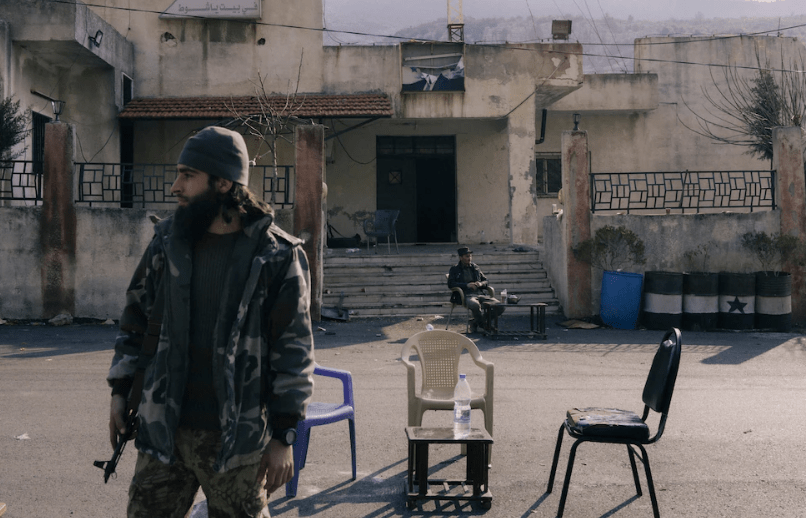
The United States prepared a rebel force to join the offensive that overthrew the regime of Bashar al-Assad, fighters have claimed.

British and American-trained fighters in the Revolutionary Commando Army (RCA), a group aligned against Islamic State, were told “this is your moment” in a briefing by US Special Forces before Assad was ousted.

In the first indication that Washington had prior knowledge of the offensive, the RCA revealed it had been told to scale-up its forces and “be ready” for an attack that could lead to the end of the Assad regime.

What could possibly go wrong?

Share

The implosion of Assad’s army, told by those who dropped their weapons and ran

Radio silence from their generals, mysterious voices giving instructions on their walkie-talkies, terrifying rumours spreading through the ranks — and then headlong flight.

Soldiers and officers who served Bashar al-Assad’s regime have provided the first detailed glimpse into how Syria’s armed forces, despite years of training and reorganisation by Russia, collapsed in just 12 days.

Angry and fearful for their future, and accusing their superiors of betraying them, they told of a complete breakdown in the chain of command, a collapse in morale and then chaos as rebel forces advanced at lightning pace towards Damascus.

Share

U.S. officials worry about ISIS jailbreak in Syria: ‘Ticking time bomb’

Lightly armed Kurdish forces are guarding more than 9,000 Islamic State terrorists in Syria.

American officials are scrambling to head off a new nightmare scenario in Syria: a major terrorist jailbreak.

Thousands of Islamic State group fighters and their families remain in makeshift prisons, watched over by U.S.-backed Kurdish forces with limited weapons. The prisons were supposed to be temporary, but their home countries don’t want the fighters back.

Share

Assad’s Fall Upends the Middle East’s Largest Drug Empire

The fall of Syria’s Bashar al-Assad overturned the most profitable drug-smuggling network in the Middle East, exposing the former regime’s role in manufacturing and trafficking pills that fueled war and social crises across the region.

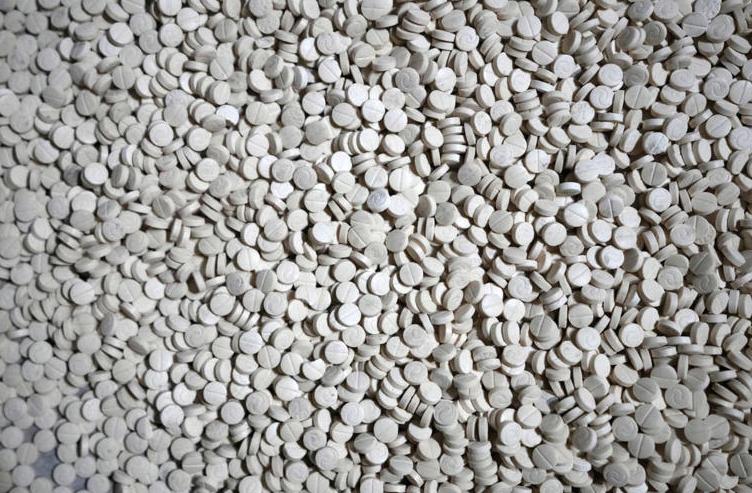
Captagon, a methamphetamine-like drug that has been produced for years in Syrian labs, helped the Assad regime amass huge wealth and offset the impact of punishing international sanctions, while also allowing allies such as Lebanon’s Hezbollah militia to profit from its trade.

Share

Fear of a reckoning simmers in Assad’s Alawite heartland

Noor stands trembling in the chill afternoon light of the courtyard, not from the cold, but from fear.

Dressed in her thick winter coat, she has come to make a complaint to the men of Hayat Tahrir al-Sham (HTS), Syria’s new de-facto rulers, and the new law in town.

She begins to cry as she explains that three days earlier, just before nine in the evening, armed men had arrived in a black van at her apartment in an upscale neighbourhood of the city of Latakia. Along with her children and her husband, an army officer, she was forced out onto the street in her pyjamas. The leader of the armed men then moved his own family into her home.

Share

Trump should ignore hawks and withdraw from Syria

Donald Trump was mostly correct in his recent social media post on Syria, in which he argued in block capitals: “This is not our fight. Let it play out.” The United States “should have nothing to do with” Syria’s mess, at least in a military sense. Leaving US forces there, whether or not Bashar al-Assad’s fall ends the civil war, is pointless and dangerous.

But the question remains whether the President-elect, this time around, will enact foreign policies consistent with his sensible rhetoric. His record on Syria, after all, is typically unpredictable. As president, he famously announced in 2018 that he was pulling out troops.

Share

How Syria will shape Europe’s future

We cannot afford another refugee wave

War is of its nature an uncertain business. Only in retrospect does Assad’s fall, so improbable last week, now look fated. It is ironic, given the opprobrium with which Arab normalisation with his regime was greeted by pro-rebel advocates, that that same normalisation may have helped spell his doom. Seeking to reintegrate himself into the Arab fold, Assad allowed relations to cool with the Iran-centred Resistance Axis which had ensured his survival a decade ago. Yemen’s Houthis have accused Assad of clamping down on their activities in Syria to win Israeli and Gulf Arab favour; Iran now briefs that Assad was an ungrateful and undependable ally in their conflict with Israel; Hezbollah, smarting at Assad’s standoffish response to their recent setbacks, swiftly abandoned a last-minute attempt to preserve his rule.

Share

This is the first time Jihadists have defeated a regime by force

The new Syria will be no better than Afghanistan, it will take some time and the jihadist rebels will start applying Sharia – and who knows what else they have planned.

On April 17, 1975, Sven-Oskar Ruhmen of the leading Swedish newspaper Aftonbladet was in Phnom Penh, the capital of Cambodia. He described the arrival of the Khmer Rouge in the city as follows: “For a Swedish spectator, it was an extraordinary spectacle. Personally, I have never seen a more beautiful scene. I felt happy and relieved and could not help but cry at what I saw.”

Share

Do we really know who the good guys are in Syria?

Anything is better than Assad, isn’t it?

Please excuse the tone of jubilation, but I have been dancing around my kitchen for the past couple of days, in a state well beyond elation, at the removal from power of Bashar al-Assad’s murderous regime in Syria and its successors who, I am convinced, are a little like some of the West’s liberal democrats, except with powerful rifles.

Share

Fate of Nazi monster lies in Assad’s ruins

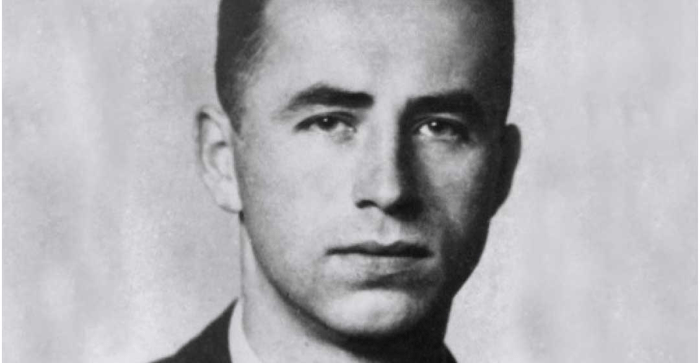
Alois Brunner evaded the Allies in 1945 and was welcomed by Syria but the mystery of how and when he died persists

On September 13, 1961, a tall, balding man with “spiteful eyes” (according to a CIA report), collected a large package from a Damascus post office addressed to “Abu Hussein”. He took the parcel home to his luxury apartment on the Rue Georges Haddad in the diplomatic quarter of the Syrian capital and opened it, whereupon the packet exploded, removing his eye and parts of his arm.

The bomb was a gift from Yitzhak Shamir, later prime minister of Israel but then head of Mifratz, the special operations unit of Mossad, Israel’s intelligence service.

Share

What next for Assad and his family?

When Bashar al-Assad was toppled on Sunday, it turned the page on not only his 24-year presidency but on more than 50 years of his family ruling Syria.

Before Assad took office in 2000, his late father Hafez was president for three decades.

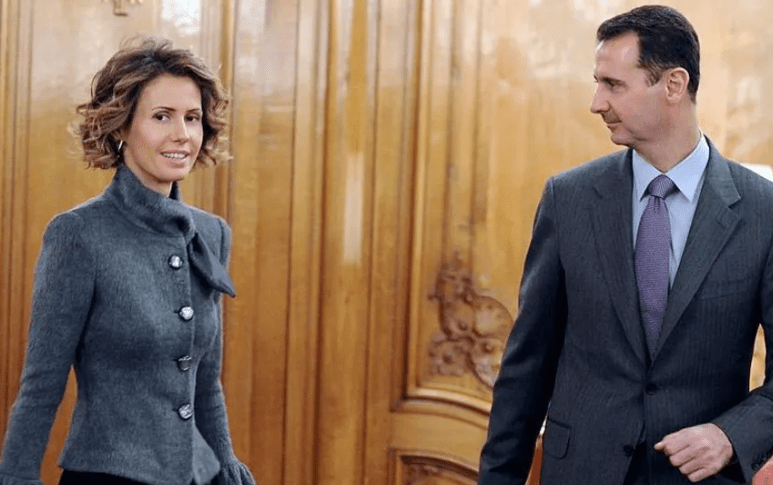
Now, with rebels led by the Islamist militant group Hayat Tahrir-al Sham (HTS) forming a transitional government, the future of the deposed president, his wife and their three children is uncertain.

They are now in Russia, where they have been offered asylum, but what lies ahead for them?

Share

Trump says Syria ‘not our fight’. Staying out may not be so easy

When Donald Trump sat with world leaders in Paris last weekend to marvel at the restored Notre Dame cathedral, armed Islamist fighters in Syria were in jeeps on the road to Damascus finalising the fall of the Assad regime.

In this split screen moment of global news, the US president-elect, seated between the French first couple, still had an eye on the stunning turn of events in the Middle East.

“Syria is a mess, but is not our friend,” he posted the same day on his Truth Social network.

Share

‘Executed, Executed, Dead From Sickness’: The Grim Records From Syria’s Notorious Prison

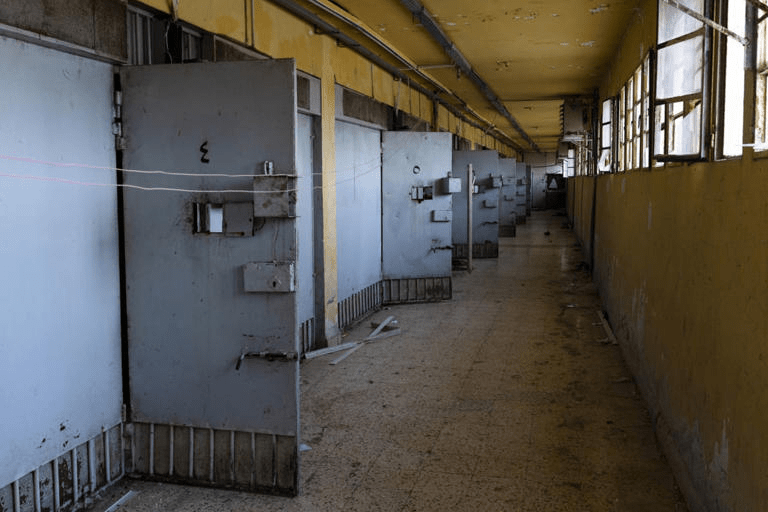
SAYDNAYA, Syria—Syrians searching for missing loved ones are combing the grounds of the country’s most notorious prison, rifling through lists of detainees and chipping at the concrete floor looking for hidden cells or tombs.

Civilians, militia soldiers, lawyers and a rescue team from Turkey picked through heaps of clothes left in the cellblocks of the military-run Saydnaya prison, and stared at the red rope nooses hanging from a concrete wall behind the building. As many as 50 people were hanged each day in the prison, the State Department said in 2017.

Tens of thousands of people disappeared into the country’s sprawling detention network since the regime of President Bashar al-Assad moved to suppress a 2011 uprising. Rebels opened Saydnaya on Sunday after ousting Assad, freeing detainees and allowing the public to look for the missing.

Share

Who Set the Stage for al-Assad’s Ouster? There Are Different Answers in the U.S. and Israel.

President Biden says he weakened Russia, Iran and Hezbollah, laying the groundwork for Bashar al-Assad’s ouster. Prime Minister Benjamin Netanyahu says the Syrian leader would still be in power had he listened to American advice.

Bashar al-Assad had barely settled into his new quarters in Russia before the argument broke out over who can take the credit for ousting him, ending 53 years and two generations of brutal family rule over Syria.

President Biden and his aides say they set the stage, because they worked relentlessly to weaken Syria’s main backers, including Russia, Iran and Hezbollah. There was a reason, Mr. Biden argued, that none of Mr. al-Assad’s allies were able or willing to come bail him out at the very moment he needed rescue.


I don’t believe Biden. But after watching this I could change my mind.

Share