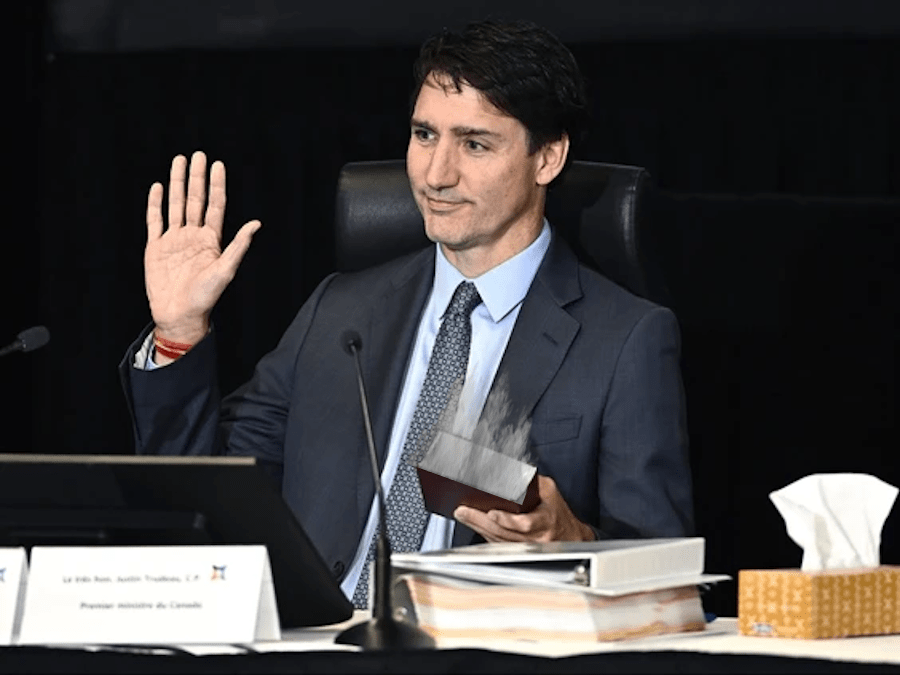
TORONTO — Prime Minister Justin Trudeau’s bombshell allegation in Parliament last year that agents of the Indian government were linked to the assassination of a Sikh separatist leader on Canadian soil sent relations between Ottawa and New Delhi plummeting.
Since then, each country has expelled the other’s diplomats, and police here have alleged Indian government involvement in a wide range of violent acts targeting Sikhs in Canada. Trudeau this week said India had made a “horrific mistake” in thinking it could violate Canada’s sovereignty.
The claims have deepened concerns among Western officials that India, a country they’ve sought to court as a counter to China, is practicing “transnational repression” — a tactic more commonly employed by authoritarian regimes such as in Russia and Iran — to target its critics abroad.
A plague on all their houses. This is a Justin Trudeau problem brought about by his reliance on identity politics.

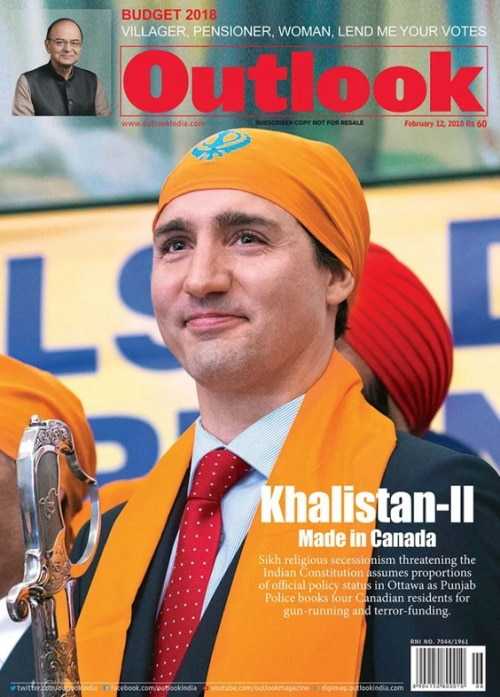
 Instead, Mr. Clark rose in the House of Commons to respond to charges from the Liberal immigration critic Sergio Marchi that India’s government had engaged in “elaborate and covert operations … to discredit and destabilize the Canadian Sikh community” and manipulate Canadian officials. India had grown frustrated with Canada’s coddling of Sikh separatists and the RCMP’s botched investigation into the 1985 bombing of an Air India flight that originated in
  Justin Trudeau brought a twist to the tale.
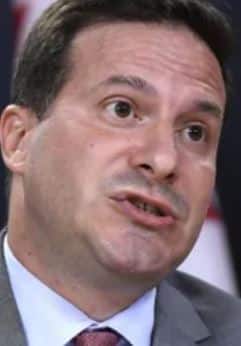 Former public safety minister Marco Mendicino says he is very worried the public conversation about some parliamentarians being complicit in foreign interference is becoming a “kangaroo court.”
 Mr. Blair was, after all, the public safety minister, responsible for the intelligence agencies, the RCMP and the border agency, among other things.