
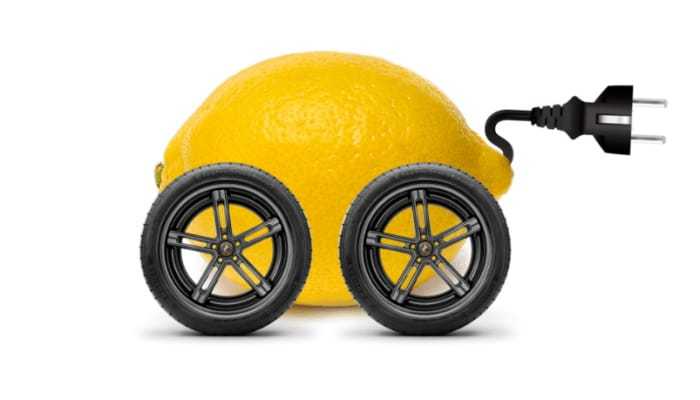
According to “energy transition” and “net-zero” enthusiasts, the future looks bright for electric vehicles (EVs). Though not so bright, it seems, that the federal and some provincial governments haven’t had to offer at least $15 billion in subsidies to prompt carmakers to develop Canadian production facilities, as well as lavish subsidies to get people to buy EVs. And since even that isn’t enough to bring consumers around, a Trudeau government mandate now requires that all new light-duty vehicles sold in Canada must be electric or plug-in hybrid by 2035. In other words, the government is banning traditional internal combustion engine vehicles (ICEVs).

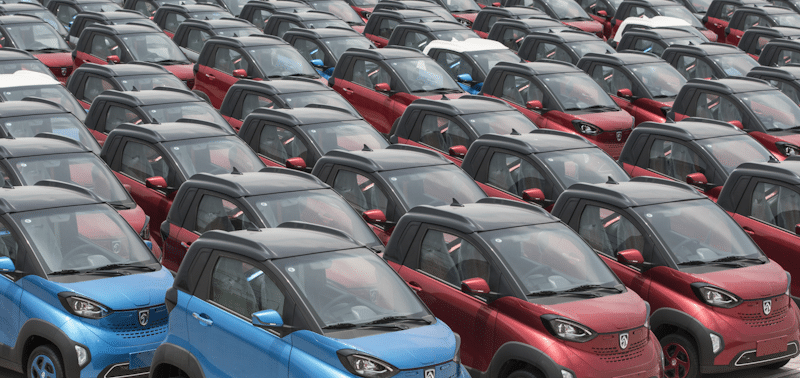
 Canada is weighing whether to slap tariffs on Chinese-made electric vehicles to stop cheap EVs from flooding the market. But Ottawa – which has pumped billions of dollars worth of subsidies into the Canadian EV industry – says its concerns are not only economic.

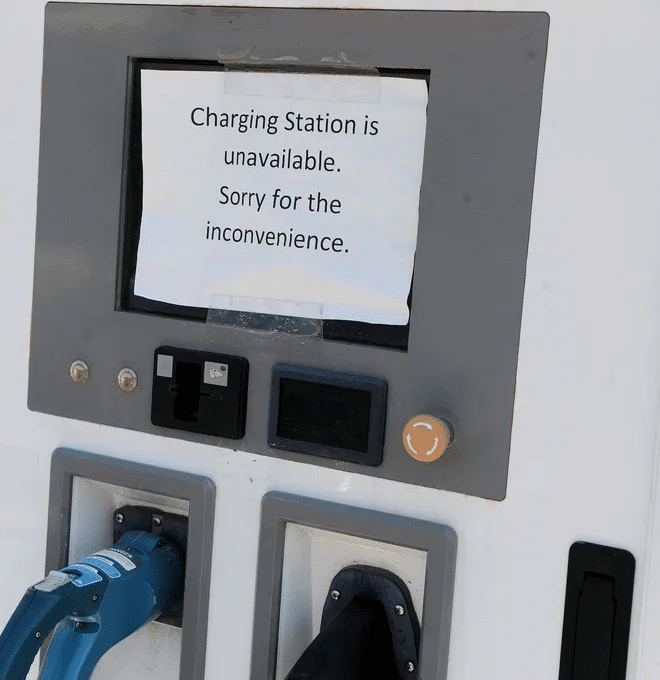
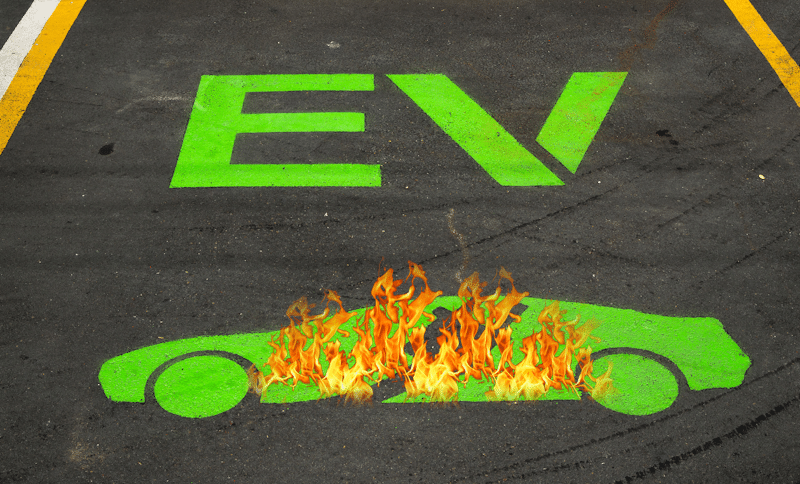


 Electric vehicles have swiftly gone from a bright spot in the global climate fight to cause for concern, leading BloombergNEF to slash sales estimates and warn that the auto industry is falling further off the track toward decarbonization.