CERAWeek may not be widely known outside the energy sector, but it should be. Now in its 44th year, this premier global gathering in Houston, Texas, brought together more than 10,000 participants from nearly 90 countries. The conference brought together the most influential figures in industry, policy, technology, finance and government.
“Energy Matters”
The energy crisis is getting worse. How protected is Canada?
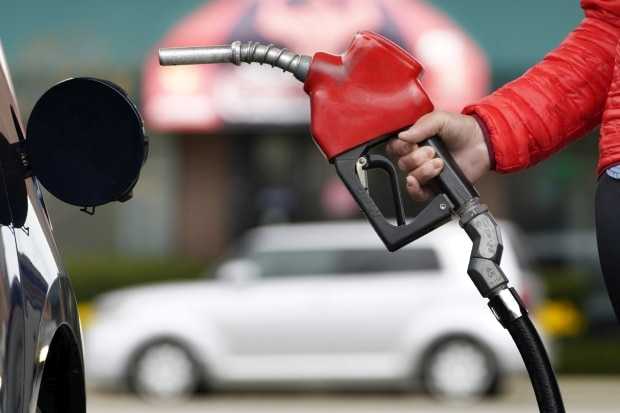
As gasoline prices keep ticking higher toward $2 a litre and diesel sits near $2.50, there is little relief for Canadian drivers as the global energy crisis grows with no end in sight to the Iran war.
The conflict continues to choke transit through the Strait of Hormuz, cutting off roughly 20 per cent of the world’s oil and natural gas supply from international buyers.
Countries around the world are feeling the strain. Governments have ordered staff to work from home, reduced the work week and closed universities to conserve fuel.
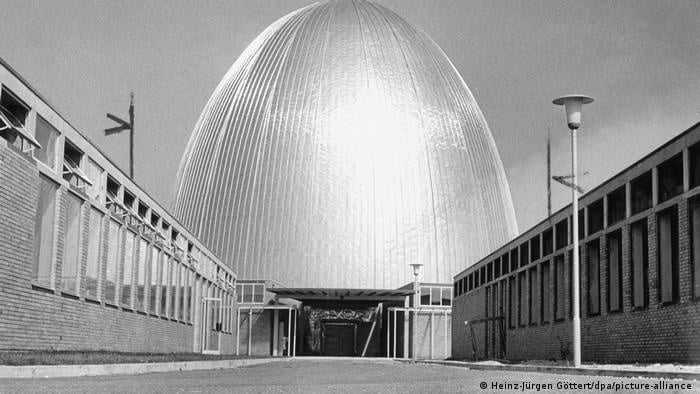
Closing Down Germany‘s Nuclear Plants ‘Huge Strategic Error‘

“Germany made a huge strategic error” by rushing to shut down its nuclear power plant fleet, a mistake which has exacerbated the energy crisis in Europe, the director of the International Energy Agency said.
Electricity demand, natural gas production and renewable power expected to soar by 2050
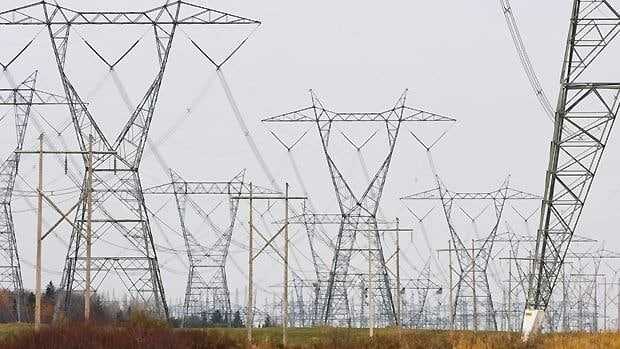
Electricity demand is set to boom in Canada by 2050, according to new modelling from the national energy regulator released on Tuesday.
The projections also foresee robust growth in natural gas production and expansion of renewable power in the country.
The latest modelling from the Canada Energy Regulator (CER) focuses on an expected spike in power demand from coast to coast as consumption grows 44 per cent from 2023 to 2050.
The electricity abundance and affordability that Canada has enjoyed for decades are ending. Generation is down, exports are now imports, and investment is flat. Canada’s impending electricity shortage is not just an affordability
crisis; it is an economic and security one as… pic.twitter.com/MNvJK79dJ2— Heather Exner-Pirot (@ExnerPirot) March 16, 2026
h/t Mauser
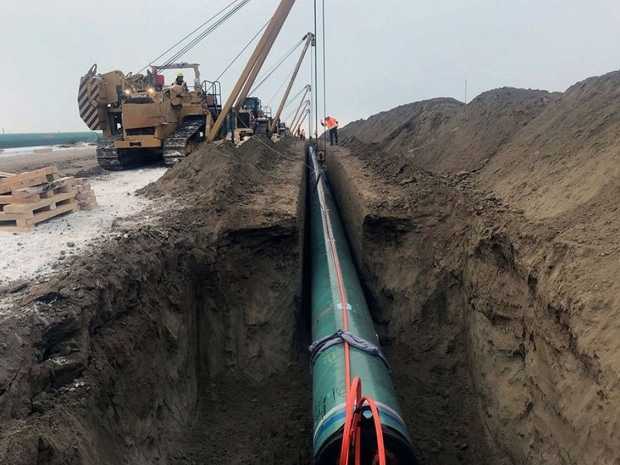
LILLEY: New pipeline to U.S. to piggyback on shuttered Keystone XL project

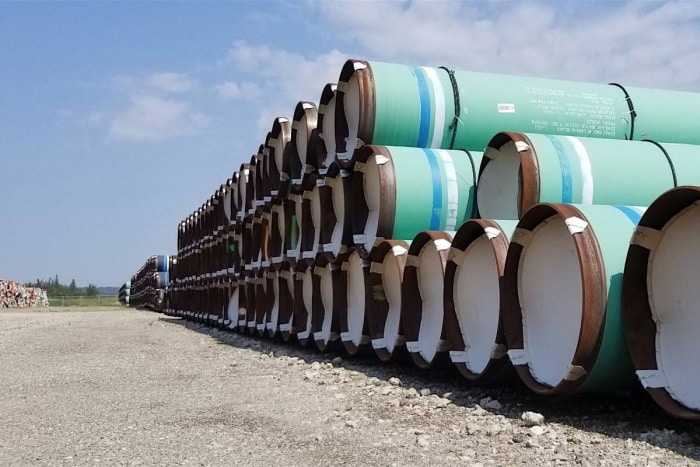
It’s not quite Keystone XL, but Canada could be looking at an expanded pipeline capacity of 550,000 barrels per day into the United States.
The plan, still seeking approval stateside, would use existing infrastructure in Canada from the Keystone XL project and include a new 1,038-km pipeline through Montana and Wyoming.
How Canada squandered its most valuable national asset

At the height of U.S.-Canada tariff tensions in early 2025, Ontario Premier Doug Ford famously threatened to cut off Canadian electricity exports to the United States.
“If the United States escalates, I will not hesitate to shut the electricity off completely,” Ford told a press conference. He added that he felt “terrible for the American people” in such a scenario, but that his hand would be forced.
The West is spending big on nuclear plants again – and taking taxpayers along for the ride

One question separates announced but purely hypothetical nuclear power plants from those that actually stand a chance of being built: Who’s going to pay for them?
In China and Russia, which dominated reactor construction for the past few decades, governments provided the funds. Advanced economies placed much greater emphasis on private capital. That approach was intended to impose greater commercial discipline and protect the public purse but led to very few reactors being built in the West.
New poll shows British Columbians favourable to idea of pipeline — sort of

Premier David Eby’s vehement opposition to the idea of a new oil pipeline across B.C.’s central Interior appears to be out of step with the sentiments of a slim majority of British Columbians, according to recent polling by the Angus Reid Institute.
Polling data, released just as Eby repeated his government’s sentiments Thursday, shows that 53 per cent of residents lean in favour of the idea of building a new oil pipeline from Alberta to B.C.’s north coast, although the backing comes with conditions, according to Angus Reid president Shachi Kurl.
With global electricity demand rising, Canada faces a nuclear dilemma

WASHINGTON, D.C. — With global electricity demand expected to rise 25 per cent by 2030, nuclear energy will play an essential role in meeting the world’s power needs. Canada’s rich uranium reserves give it a position of strength in bolstering global energy security — and possibly in securing a place at the forefront of a nuclear renaissance.
Given this year’s trade tensions between the United States and Canada, recent decisions, such as embracing U.S.-origin Small Modular Reactors (SMRs) and the newly announced Cameco, Brookfield, Westinghouse $80 billion U.S. reactor deal, raise important questions. Is Canada pursuing nuclear sovereignty or ceding control to foreign interests?
Seventy-two per cent of Canadians say pipelines are key to Canada’s economic future: poll

A near-majority of Canadians support the development of a new oil pipeline to meet international demands for energy, and economic demands at home, while nearly three-quarters say pipelines are important to Canada’s economic future, new polling from Leger shows.
In an online survey of just over 4,000 Canadian adults from coast-to-coast, 49 per cent said they support the Alberta government’s plan for a new oil pipeline connecting the province to the northwest coast of British Columbia, opening up markets for Canadian energy in Asia.
Canada, other fossil fuel-producing nations, derailing world climate targets, report says

Canada and other major fossil fuel-producing countries are derailing the world’s chance to hit key climate change targets, a new international report suggests, with 2030 production levels expected to be more than double what would be compatible with the Paris agreement.
While some countries have committed to a clean energy transition, others appear to be turning back to “an outdated fossil-fuel dependent playbook,” the report said.
“The continued collective failure of governments to curb fossil fuel production and lower global emissions means that future production will need to decline more steeply to compensate,” states the Production Gap Report, which was produced by three climate research non-profits.
I could care less what a few cranks think.

Trudeau’s damaging energy policies must be undone

Prime Minister Mark Carney’s government has promised to make Canada the world’s leading “energy superpower,” but so far, the government has failed to reduce regulatory hurdles and uncertainty in energy development. It’s time to reverse the damaging federal policies that have held back Canada’s energy industry for more than a decade.
Carney and Smith want a new pipeline. So far, no company has stepped up to build it

For all the talk of whether Canada needs a new oil pipeline, there’s one thing missing: a company wanting to build it.
In June, Alberta Premier Danielle Smith said there was “no proponent” and no proposal on the table by any company, but pledged, “There will be soon.”
So far, that has yet to materialize.
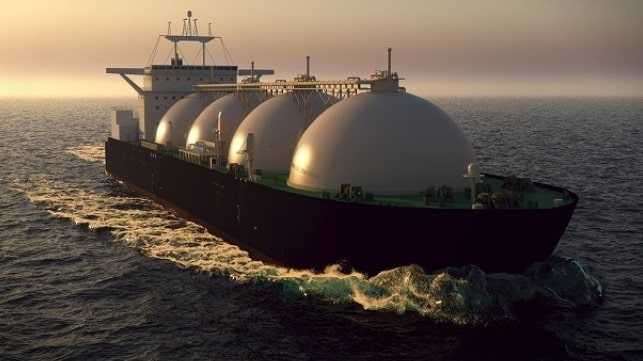
LILLEY: Carney saying all right things about LNG, but will he follow through?

Seems there is a business case for selling Canadian liquefied natural gas to Europe after all.
The Mark Carney government, unlike the Justin Trudeau government before it, said this week that it is willing to consider — possibly, maybe down the road, in the medium term — selling LNG to Europe.
RUBENSTEIN: Is indigenous approval now mandatory?
According to Blacklock’s Reporter, Prime Minister Mark Carney “revised” his first major Parliamentary bill as Canada’s leader on August 8, by mandating that industrial projects deemed fit for speedy approval “must” serve the interests of indigenous peoples.
This unilateral reinvention repudiates the legal text of Bill C-5, passed into law on June 26, which only states that indigenous interests “may” or “can” be considered.