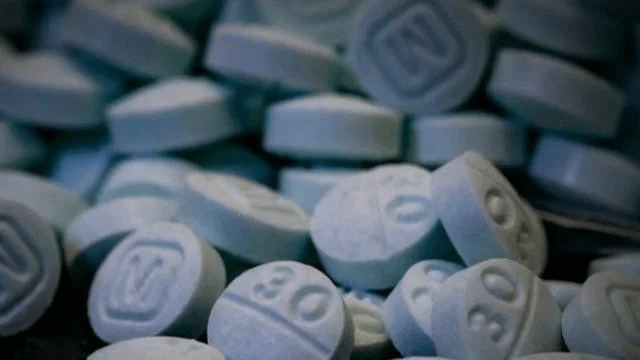
Fentanyl Pill Raid in Okanagan, Near Falkland Superlab, Linked to Additives Found in U.S.–Mexico Border Seizures

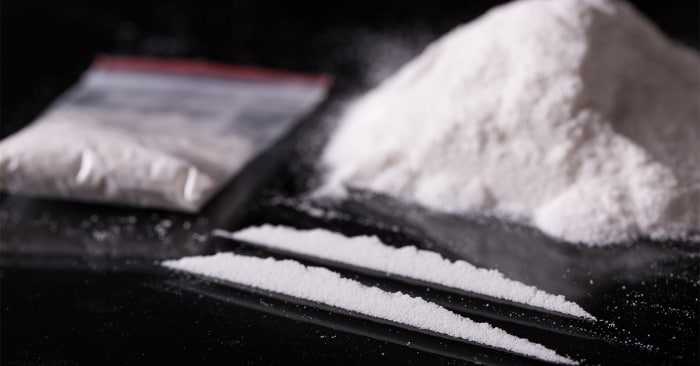
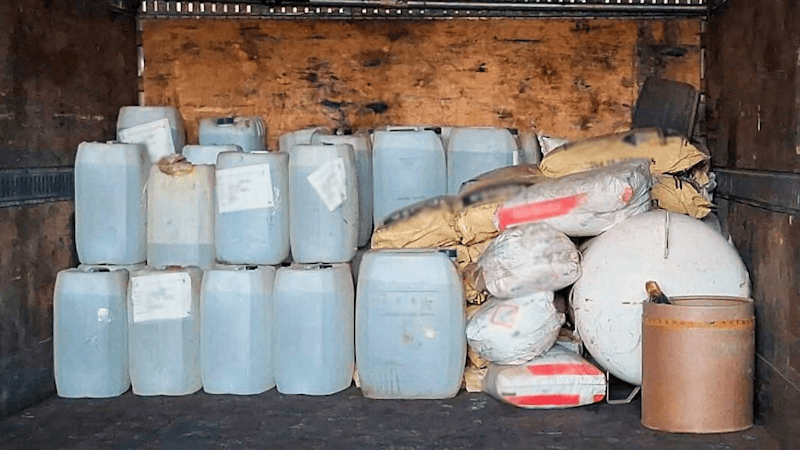
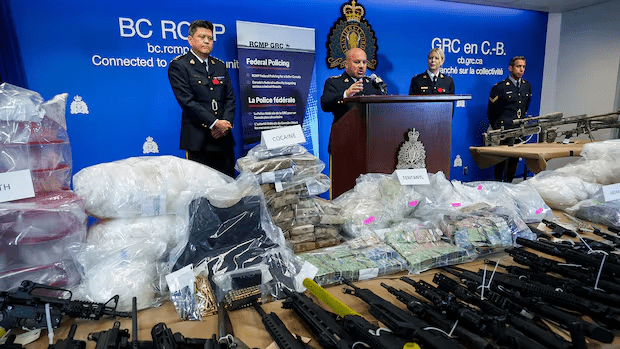
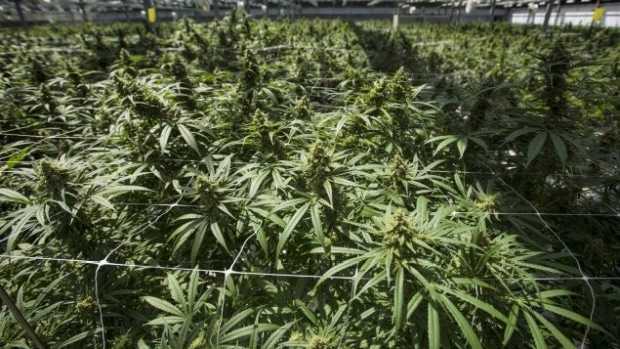
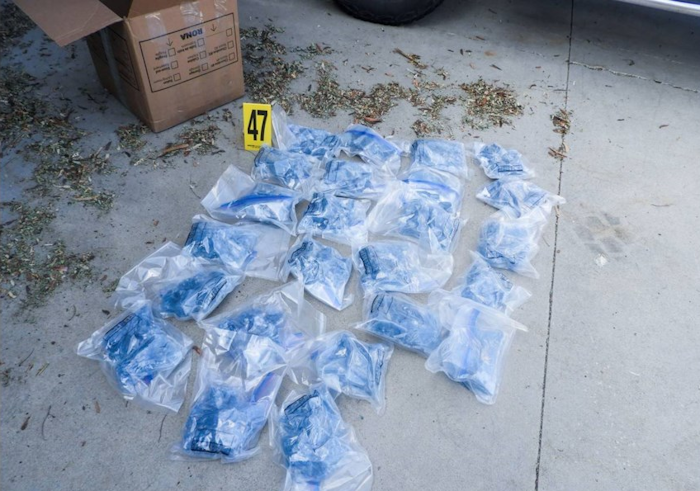
KELOWNA — Six months ago, Canada Border Services officers intercepted a 20-kilogram shipment of caffeine powder mislabelled as white pigment — a break that set in motion an RCMP investigation into fentanyl trafficking in the desert-like hills above Kelowna, overlooking British Columbia’s Okanagan Lake. The lake, a summer playground for luxury speedboats and party crowds, lies just 100 kilometres south of Falkland, the site of Canada’s most notorious narcotics superlab dismantled in 2024.

Share

Canada’s policy of deferring to the “leadership” of drug users has proved predictably disastrous. The United States should take heed.

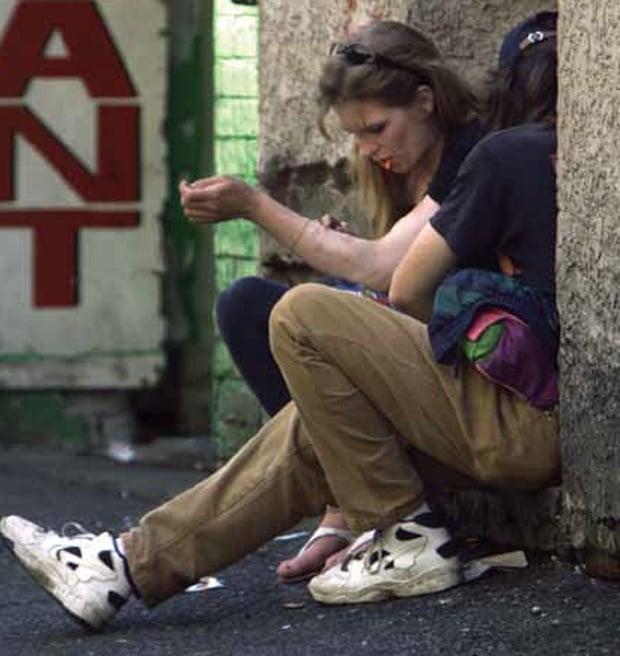
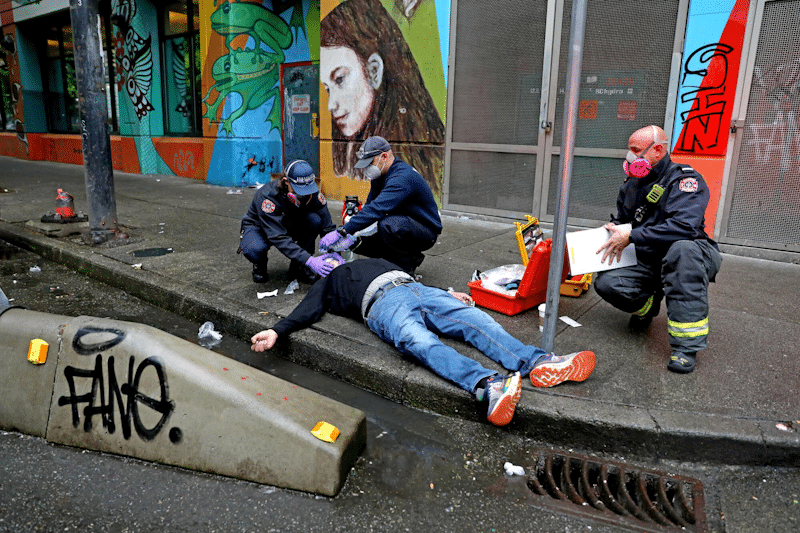
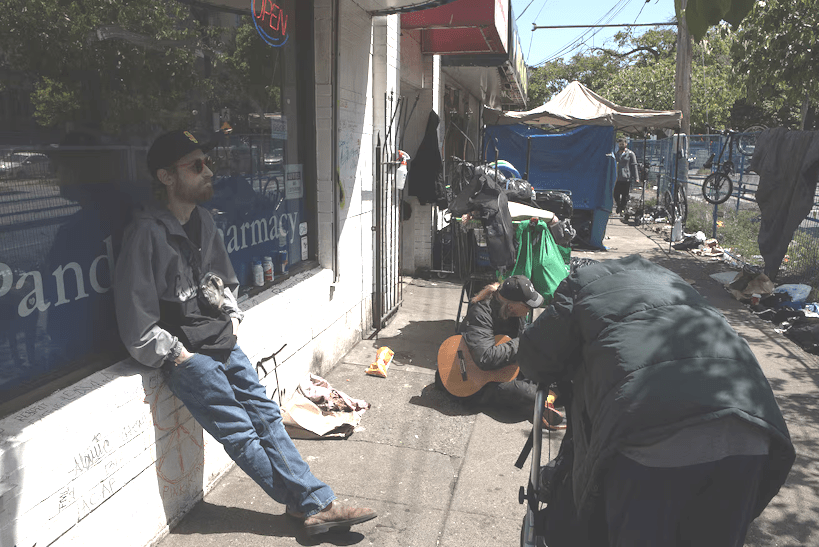
Vancouver Junkies – How could this not be considered a successful community integration?

Progressive “harm reduction” advocates have insisted for decades that active users should take a central role in crafting drug policy. While this belief is profoundly reckless—akin to letting drunk drivers set traffic laws—it is now entrenched in many left-leaning jurisdictions. The harms and absurdities of the position cannot be understated.

While the harm-reduction movement is best known for championing public-health interventions that supposedly minimize the negative effects of drug use, it also has a “social justice” component. In this context, harm reduction tries to redefine addicts as a persecuted minority and illicit drug use as a human right.

Share

‘Who wouldn’t want pure cocaine?’: Vancouver’s Drug User Liberation Front believes we shouldn’t blame users for the ills of capitalism

On 12 August 2017, I ran from the car that James Alex Fields, a white supremacist, plowed into a crowd of anti-racist organizers in Charlottesville, Virginia. Other people’s blood splattered on me. I lost my friends in the crowd and panicked. I thought I might die.

A month later, I woke up on a work trip in a hotel room alone in Oakland, California, with my hands trembling, and an unshakeable feeling that I was being chased by a pack of wild animals. I was having a mental breakdown.

This feeling did not cease for months. Repairing myself from that breakdown took years. In many ways, it is ongoing.

Share

‘Unprecedented’ Anti-Fentanyl Operation Nabs 22 Chinese Citizens and Three Americans

An international law enforcement operation called Operation Box Cutter has shut down a major criminal enterprise that was supplying precursor drugs that were used in the manufacture of fentanyl.

FBI Director Kash Patel announced that 22 Chinese nationals, four Chinese pharmaceutical companies, and three Americans had been arrested in what Patel referred to as an “unprecedented” operation.

Share

What Portland got wrong about addiction (and Why New York should pay attention)

Hi. I’m Scott, and I’m an alcoholic.

I have lived the truth behind every flawed assumption, policy misfire and well-intentioned myth about addiction. I have walked through the depths of hell with suffering as my only companion. I know what lives there — and I know the way out.


A very good piece offering a genuine personal explanation of addiction.

Share

Canada’s Fentanyl Czar Reportedly Told U.S. Officials: ‘I Have No Authority’

WASHINGTON — Ottawa’s newly appointed “fentanyl czar” told U.S. officials in Ottawa he has no authority to influence Canadian federal police or border agencies, according to an official with knowledge of the relevant meetings. For U.S. enforcement experts, the admission underlined what they describe as the emptiness of Justin Trudeau and Mark Carney’s high-profile pledges to crack down on transnational fentanyl production and trafficking by Chinese and Mexican syndicates — and underscored systemic failures in Canada’s response to cartels exploiting the nation’s ports, borders, and infrastructure.

Share

Inside the Falkland Superlab: How RCMP Refusals to Cooperate With the DEA Fueled a Cross-Border Tariff Crisis

WASHINGTON — Canada’s federal police refused to investigate or cooperate with the United States Drug Enforcement Administration on a British Columbia fentanyl superlab probe tied to chemical-precursor shipments from China into Vancouver in late 2022, according to senior U.S. officials. More than a year later — only after the U.S. Treasury sanctioned Iranian-Canadian businessman Bahman Djebelibak and his Health Canada–licensed company Valerian Labs, naming them as part of a Chinese fentanyl trafficking syndicate that Washington sought to disrupt — did the RCMP finally open a siloed investigation. The force continued to refuse coordination or information sharing with the American agents who had initiated the case. In an exclusive interview, Derek Maltz, DEA Acting Administrator in 2025 with oversight of the matter, called the B.C. superlab case a “major disaster.”

Share

Why North America’s Drug Decriminalization Experiments Failed: Oregon and British Columbia neglected to coerce addicts into treatment.

Ever since Portugal enacted drug decriminalization in 2001, reformers have argued that North America should follow suit. The Portuguese saw precipitous declines in overdoses and blood-borne infections, they argued, so why not adopt their approach?

But when Oregon and British Columbia decriminalized drugs in the early 2020s, the results were so catastrophic that both jurisdictions quickly reversed course. Why? The reason is simple: American and Canadian policymakers failed to grasp what led to the Portuguese model’s initial success.

Share

Civil Forfeiture Case Reveals B.C. Fentanyl Network Tied to Chinese Precursor Shift

VANCOUVER — A new civil forfeiture case in British Columbia has surfaced extraordinary details about a clandestine fentanyl production network that investigators say operated with academic-level expertise, imported laboratory equipment from overseas, and, significantly, relied predominantly on 4-Piperidone, a precursor chemical that Chinese suppliers moved to after the U.S. government cracked down on previous analogs.

Share

Trump’s Proposed Easing of Federal Restrictions on Marijuana Would Be a Mistake

President Donald Trump announced Tuesday that his administration will decide “over the next few weeks” whether to ease federal restrictions on marijuana. While cannabis companies have put aggressive pressure on the president to reclassify the drug, doing so would be a deadly mistake.

First, some background. The Controlled Substances Act authorizes the federal government to place drugs in one of five schedules, each of which imposes restrictions and penalties based on a drug’s potential for abuse. Schedule I, where marijuana is currently listed, contains substances with no accepted medical use and a high risk of abuse.

Share

Toronto vending machines are a possible lifesaver for drug users — and a flashpoint of controversy for some residents

If vending machines could talk, the ones on Toronto’s Huntley Street might have some stories to tell.

Stories of despair and desperation, but also tales of discretion and self-dependence.

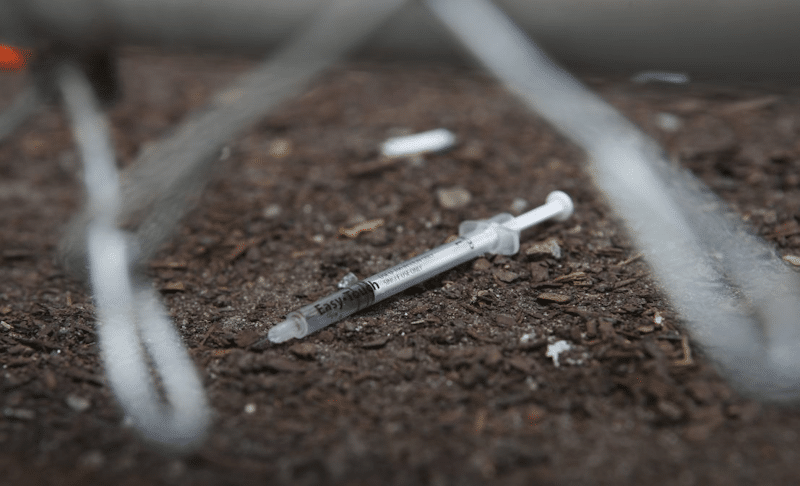
Located next to Casey House, a specialty hospital in Toronto that cares for people living with or at risk of HIV, the machines don’t distribute soft drinks, but instead provide supplies for people who use hard drugs, such as sterile needles, pipes and naloxone kits, as well as items for sexual health, such as condoms. They have seen high uptake, giving out 14,082 free kits since they were installed a year ago, but have also attracted controversy, with some local residents saying they’re contributing to social disorder, open drug use and violent behaviour in the area, near Jarvis and Bloor.

Share

MORGAN: Junkies aren’t harmless

Junkie is a harsh term and that’s why I’m using it. It represents a harsh reality and I want to tear the sugarcoating from it. People addicted to substances who live on the streets of Canada are putting themselves and other citizens in danger every day. Activists, bureaucrats, and politicians dancing around the problem using euphemisms and refusing to acknowledge the harm caused by unchecked addiction are killing people and making the catastrophe worse.

Share

Charges Dropped Against Chinese Scientist in Vancouver Tied to Xi’s “Talents” Program and Canada’s Synthetic Drug Pipeline

Fentanyl Precursor Chemical 4-Piperidone

VANCOUVER — Canadian prosecutors have quietly dropped charges against a Chinese scientist in Vancouver accused of importing more than 100 kilograms of a narcotics precursor, raising serious questions about her connections to Chinese academic programs and networks suspected of links to espionage, foreign interference, and transnational crime, The Bureau has learned.

Share

Jamie Sarkonak: Nanaimo, where complaining about feces-drenched drug zones is all you can do

Nanaimo, B.C.’s downtown drug experiment has failed to stabilize its overdose rate. It has managed, however, to line the city’s oldest streets with feces, garbage, hit-and-runs, doorway fires and damaged property — a situation so bad that city council, just last week, considered fortifying its parking lot with a 1.8-metre fence.

City council ultimately rejected that $412,000 proposal — which might be for the best, considering how everyone else in the area wouldn’t be entitled to its protection. But the fact it was even pondered to begin with is an indictment of “harm reduction” in the little city — and a warning to everyone else who wants to try it.

Share