Trudeau gov’t to investigate corruption in Trudeau gov’t green fund after receiving whistleblower complaint … 1 Billion dollar slush fund small by historic Liberal Party standards

Ottawa suspends $1B green fund after receiving whistleblower complaint

Franky “Bubbles” Champagne is on the case!

Ottawa has frozen the activities of a federal foundation that finances the development of green technologies after receiving a report that criticized its management of public funds.

Sustainable Development Technologies Canada (SDTC) is in the middle of a five-year agreement with the federal government to distribute $1 billion to small and medium businesses in the clean tech sector.

The decision to suspend the organization’s ability to distribute its funding was announced on Tuesday by Innovation Minister François-Philippe Champagne.

Share

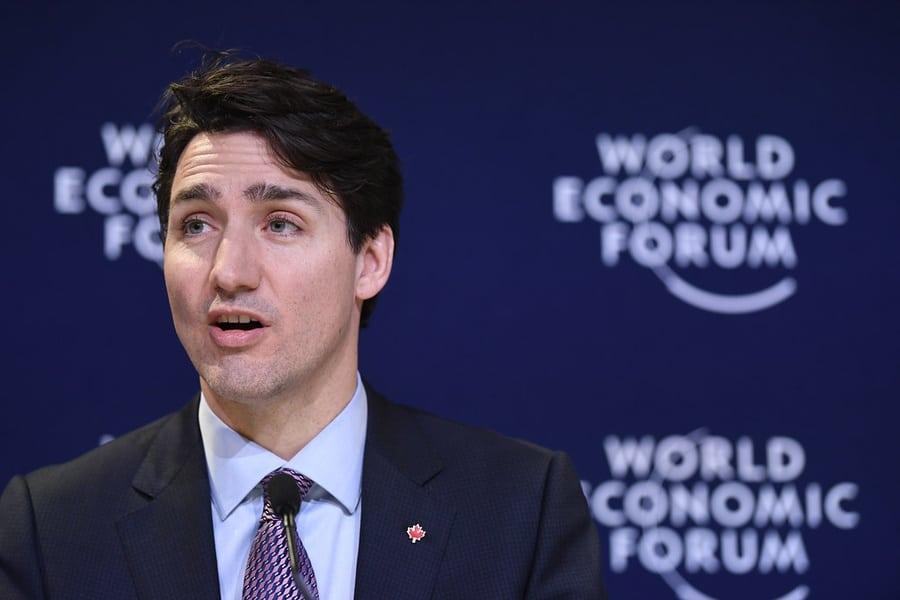
Canada Has Spent Over $23 Million on WEF Projects

Since November 2015, Canada’s federal government has sent nearly $23.5 million to projects involving the World Economic Forum (WEF), documents obtained by The Epoch Times show.

The numbers are contained in a 127-page response tabled in the House of Commons Sept. 18 to a question posed in June by Conservative MP Leslyn Lewis.

Share

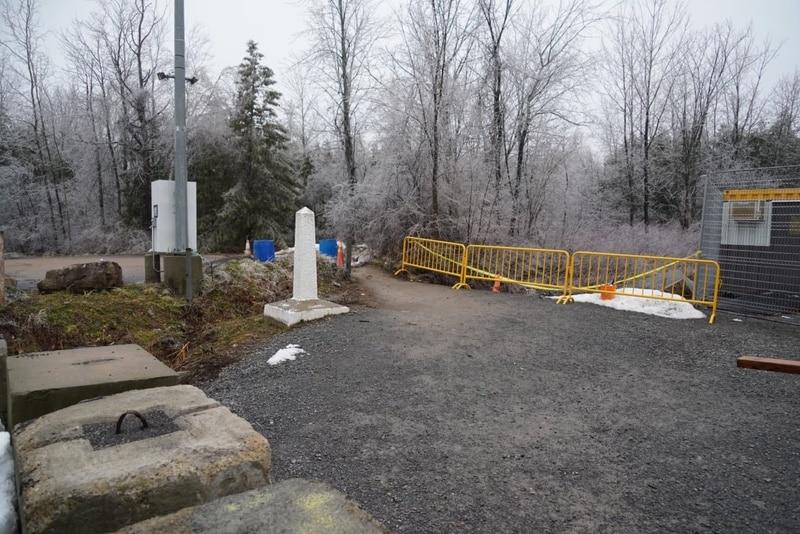
Roxham Road is closed. So why are asylum claims still on the rise?

In March, Washington and Ottawa agreed to close Roxham Road, the small alley in Quebec through which thousands of asylum seekers have entered Canada from the United States, bypassing customs. Nearly 40,000 people entered Canada through Roxham Road in 2022; there were a record 91,710 claimants last year.

So despite the closing, why has Canada already processed more than 80,000 applications from asylum seekers so far this year?

Share

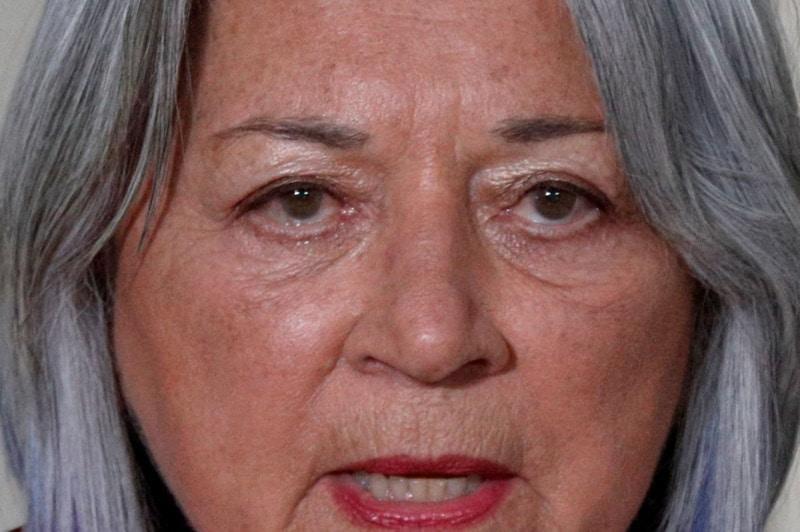
Governor General Spent Over $117,000 on Dry Cleaning Since 2018: Taxpayer’s Federation

Gov. Gen. Mary Simon has spent over $117,000 on dry cleaning since 2018, according to records obtained by the Canadian Taxpayers Federation (CTF).

“When I spill half the Pizza Hut lunch buffet on my white work shirt, I don’t stick the company I work for with the dry-cleaning bill, and neither should the governor general,” said CTF Federal Director Franco Terrazzano in a release. “This is another perk the governor general enjoys that struggling Canadians can’t afford.”

How in Hell is that even possible? Who owns her preferred dry cleaner?

Share

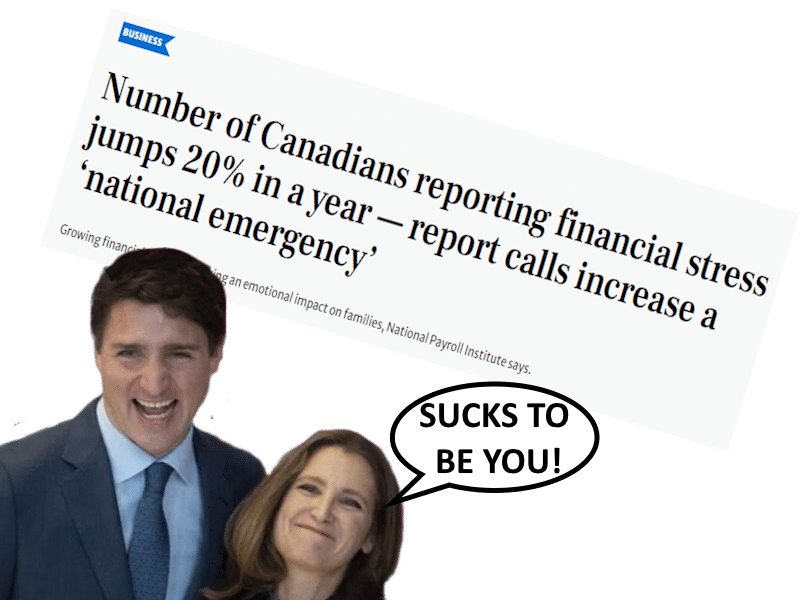
Number of Canadians reporting financial stress jumps 20% in a year — report calls increase a ‘national emergency’

The number of Canadians who say they are unable to meet their financial obligations and are facing mounting financial stress has jumped significantly in the past year, according to a new survey from the National Payroll Institute, which is calling the situation a national emergency.

“A financial storm has picked up significant strength and it’s far more intense than initially predicted,” Peter Tzanetakis, the institute’s president, told the Star. “The key drivers of this financial stress have been increases in interest rates, inflation and the cost of living.”

Share

Diane Francis: India spat exposes holes in Canada’s immigration, criminal justice systems

The Liberal and NDP coalition have failed to protect Canada’s borders. The military has been neglected: there are only 300 full-time military personnel in Canada’s vast North, and the government is looking to further reduce the defence budget. But the gaping holes in the immigration system constitutes another security concern, and underlies the recent diplomatic spat with India.

Share

India tells Canada to withdraw 41 diplomats, report says, as diplomatic fight worsens

India has told Canada that it must repatriate 41 diplomats by Oct. 10, the Financial Times reported on Tuesday.

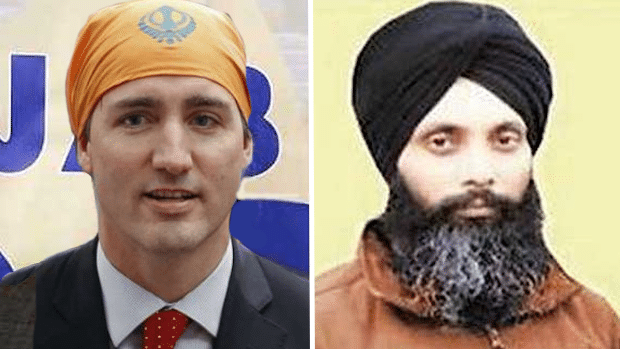
Ties between India and Canada have deteriorated in recent weeks after Prime Minister Justin Trudeau announced there were “credible allegations” of Indian involvement in the assassination of Sikh independence activist Hardeep Singh Nijjar.

Nijjar, 45, had been wanted by India for years and was gunned down outside a Sikh temple in Surrey, B.C., on June 18.

Share

Jesse Kline: Trudeau cuts defence spending to fund socialist pet projects

When politicians get in a room together, are they overwhelmed by the wafting scent of bulls–t, or do they simply become immune to it after awhile?

In July, Prime Minister Justin Trudeau and German Chancellor Olaf Scholz met with their NATO allies in Vilnius, Lithuania, where they pledged their “enduring commitment to invest at least two per cent of our gross domestic product (GDP) annually on defence,” noting that, “in many cases, expenditure beyond two per cent of GDP will be needed in order to remedy existing shortfalls and meet the requirements across all domains arising from a more contested security order.”

Share

Trudeau’s in trouble: can he dig himself out before the next election?

As Prime Minister Justin Trudeau tackles simultaneous domestic and international crises, the government’s incumbency and longevity is both a blessing and curse, according to communications specialists.

When managing crises, “it’s really good to be government,” but “somewhat more difficult to be late government,” said Chad Rogers, a partner at Crestview Strategy.

Share

Stephen Moore: The malignant narcissism of Justin Trudeau

Last week, Canadian House of Commons Speaker Anthony Rota invited a 98-year-old man named Yaroslav Hunka to attend a speech by Ukrainian President Volodymyr Zelensky. Rota called Hunka a “Canadian hero,” and Prime Minister Justin Trudeau cheered for Hunka alongside lawmakers. But Hunka, it turned out, had served in a Nazi unit during the Second World War, sparking outrage.

In response, Rota took “full responsibility,” apologized and then resigned on Tuesday. Trudeau called it “deeply embarrassing.” Trudeau then warned against “Russian propaganda and Russian disinformation.”

Share

GOLDSTEIN: Carbon taxes are money for nothing – here’s why

As Canada’s Parliamentary Budget Officer has reported, average Canadian households are already paying hundreds of dollars more in carbon taxes every year than they receive in rebates.

Yves Giroux says those costs – the result of the negative impact of carbon pricing on the economy – will rise every year as the carbon tax increases from $65 per tonne of greenhouse gas emissions this year to $170 per tonne in 2030.

Share

Why CSIS officials secretly met Nijjar a day before his killing – Canadian intelligence agency responds

In light of the recent killing of Khalistani terrorist Hardeep Singh Nijjar, the already strained diplomatic relations between India and Canada – two countries historically connected through trade and culture – have deteriorated further. Canadian Prime Minister Justin Trudeau last week accused Indian government agents of a role in Nijjar’s murder, a charge New Delhi categorically denied.

Terming Trudeau’s allegations “absurd and politically motivated”, India suspended a Canadian diplomat in a tit-for-tat action and suspended visa services for Canadian citizens. The Indian government also asked Trudeau to provide evidence to back his claim but received none, so far.

Share

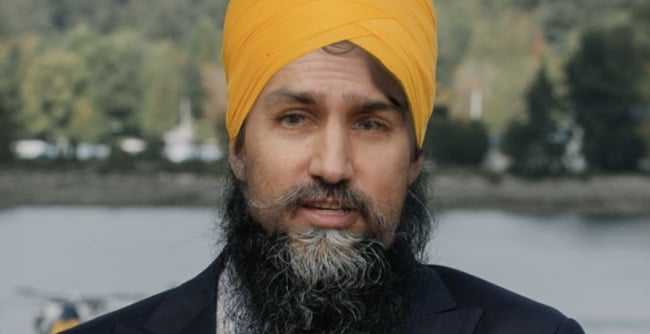
Canada’s Sikhs under pressure amid row with India

For decades, Canada was a safe haven for Sikhs. Many left their native India in the 1980s and ’90s after thousands died there during armed struggles for an independent Sikh state called Khalistan. Nearly 800,000 Sikhs live in Canada today, the largest community outside India.

While the Sikh separatist movement is hardly visible in India anymore, it is still very much alive within the diaspora in Canada. The relationship between India and Canada has been tense for many years because of this.

Share

Philip Cross: Young people’s unhappiness isn’t older generations’ fault

Statistics Canada last week released a sobering but hardly surprising study of the current state of young people in Canada. Many cannot find affordable housing, forcing 43 per cent of 20 to 29-year-olds to live with their parent(s). Nearly 40 per cent believe they can’t afford to have a child over the next three years. Others are having trouble entering the labour market, a problem shared by most youth cohorts but which seems particularly challenging today because of technology. More broadly, Statcan notes young people’s mental health has been declining steadily since 2003, with feelings of loneliness rising and attachment to community declining.

Share