Ottawa’s ‘wartime housing’ is a start, but we’re still a long way from declaring victory

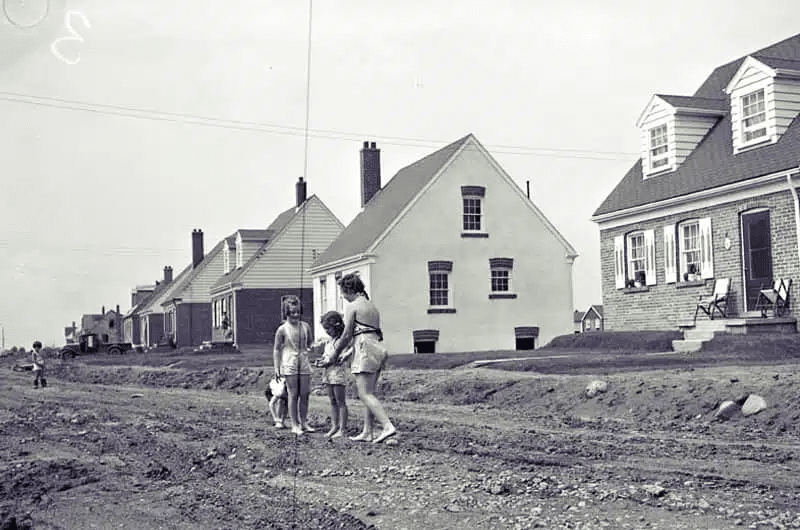
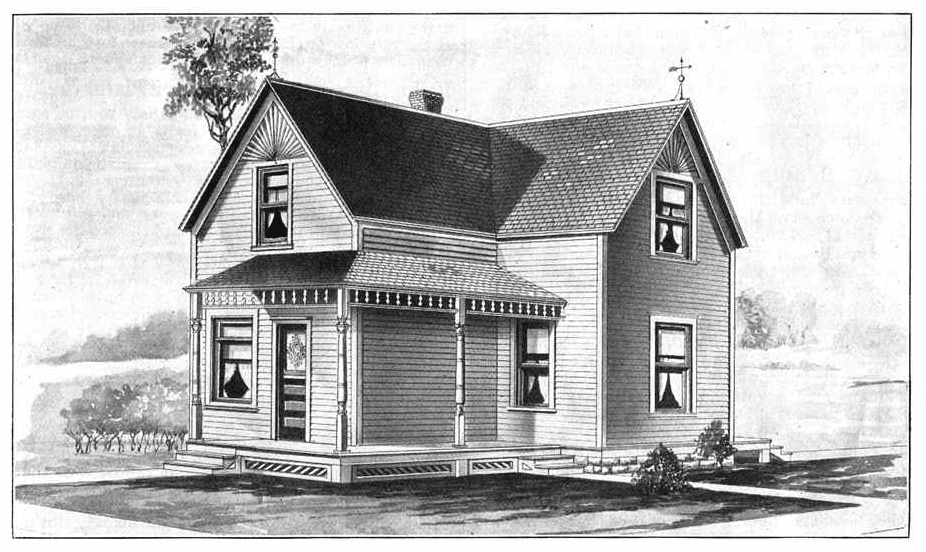
Growing up part of the Canadian generation born to baby boomers, I heard the phrase “wartime housing” spoken of both mythically and practically. Mythically, because it evoked a time when an incredible amount of housing seemed to be created almost overnight. Practically, because such housing could be found in cities across Canada, providing good shelter for people and families — then and for multiple generations since.

More than 30,000 homes were built in Canada, a large impact when the population was much smaller. This kind of housing was, and still is, an integral part of the urban fabric.

Share

Deaths put spotlight on growing US homeless population

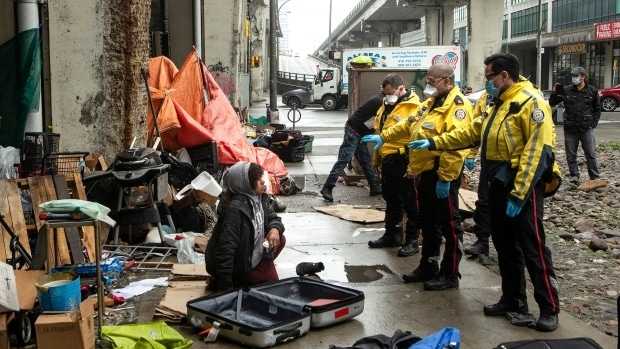
A series of deadly attacks on unhoused people in the US has coincided with a spike in American homelessness.

US officials released a report on Friday showing that homeless numbers have risen about 12% since 2022.

The new survey comes after the recent arrest of a suspected serial killer in Los Angeles who targeted the homeless.

Separately, a California man attended court on Friday for manslaughter after allegedly filming himself shooting a sleeping homeless man.

Share

There are no solutions to Canada’s housing crisis – only trade-offs

American economist Thomas Sowell once said that “there are no solutions, only trade-offs.” That is, dealing with a problem entails making a choice, and doing so entails forgoing the alternatives.

For example, damming a river to protect a town from seasonal flooding means accepting that a reservoir will form on other side of the dam. The reservoir – and all it may entail for its natural surroundings – is deemed preferable to the potential damage that yearly flooding would do to the town.

Share

Canadian cities report rise in homelessness and in tent fires as winter sets in

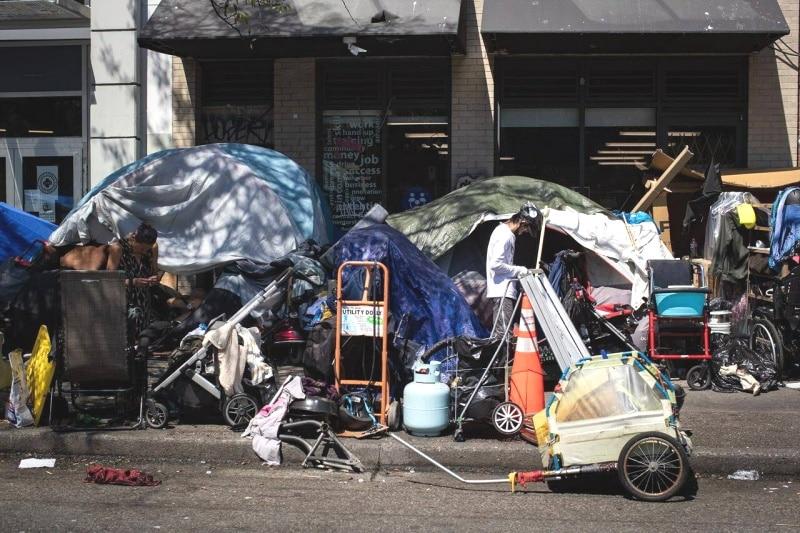
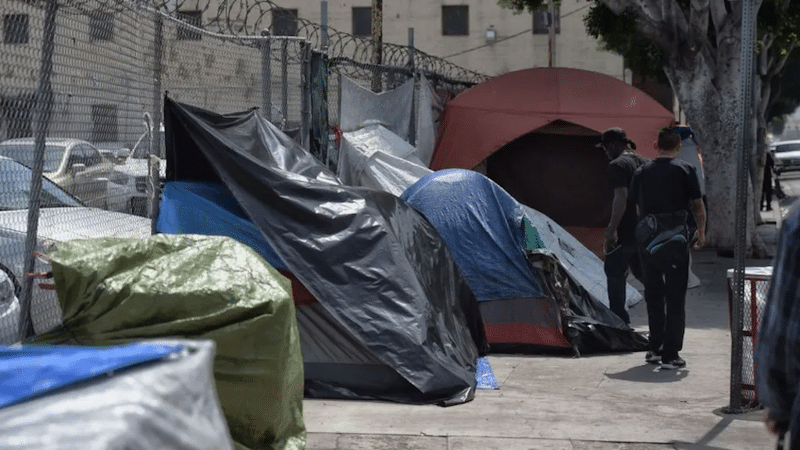
HALIFAX – Cities across Canada are reporting a rise in fires, sometimes deadly, in tents and other shelters used by unhoused people — a situation advocates say is a tragic consequence of the country’s homelessness crisis.

As the number of homeless people continues to rise — and the frigid weather sets in — it’s inevitable there will be more accidental fires, Tim Richter, president and CEO of the Canadian Alliance to End Homelessness, said in an interview Wednesday.

“If all you can get your hands on is a propane tank or a camp stove, you’ll use that to survive because the alternative is freezing to death,” said Richter, whose group estimates there are between 260,000 and 300,000 unhoused people across the country.

Share

Ottawa turning to ‘history books’ with war-time housing plan revival

Ottawa will revamp a Second World War-era housing plan to speed up the pace of home building in Canada, Housing Minister Sean Fraser says.

Fraser on Tuesday confirmed Global News’ report from Monday that the federal government was dusting off a program nearly 80 years ago run by what was at the time known as Wartime Housing Limited to provide standardized housing blueprints to builders.


All the LPC’s projects are defeated before the first shovel is picked up.

Unless they turn off the mass immigration spigot not one will have an appreciable impact.

Share

Pierre Poilievre’s housing movie: What it gets right and wrong, and what was left unsaid

… Which brings me back to the elephant in the room, which Housing hell never mentions: immigration.

In the long run, over decades and centuries, Canada can match housing supply to housing demand, regardless of whether the national population is 40 million or 400 million. But in the here and now, a surge in new arrivals, particularly since the pandemic – with one million new residents in 2022, and likely more this year – has introduced housing demand at a far faster pace than supply can be built.

It’s simple math. There’s no getting around it. And both the Prime Minister and the man after his job would rather not talk about it.

Finally.

Share

How tiny shelters in Ontario are looking to fill the gap for those in need of housing

Rows of tiny cabins across a Kitchener, Ont., neighbourhood have been catching the eye of several communities across the province that’ve begun duplicating the model, hoping to bridge the gap between homelessness and permanent housing.

A Better Tent City (ABTC) co-founder and chair Jeff Wilmer says compassion from the community, support from city politicians and the local public school board made their small community possible, and it’s inspiring copies across the province.

Share

Anthony Furey: Poilievre Housing Video Shows Substance, Respect for the Voter

Before Justin Trudeau became Prime Minister of Canada, he released a lengthy video on his “sunny ways” philosophy. While those two words quickly became Trudeau’s trademark, the video detailed how the phrase actually came from Wilfird Laurier, who had served as Liberal PM of Canada a century earlier.

It was a whimsical video full of cartoon images that told a narrative about the history of the country and Trudeau’s vision for it. The video—and the announcement of the “sunny ways” agenda—received a great deal of attention at the time.

Share

Canada’s Homeless Encampments See Political Element Taking Root

More and bigger homeless encampments have been set up across Canada recently and, with the help of advocacy groups, they’re taking on a more permanent feel.

Hunkering down for the winter, some have generators, heating stoves, winterized tents, and more. Advocacy groups have helped them obtain these supplies, along with legal help to stop attempts at moving them.

Share

With one video, Pierre Poilievre has taken control of the housing debate

Pierre Poilievre’s 15-minute advertisement masquerading as a mini-documentary on the housing crisis contains inaccuracies and distortions. That doesn’t matter. The thing is a work of genius.

The Conservative Leader has taken ownership of an issue critically important to many Canadians: the seeming impossibility of ever being able to afford a home, or even rent one.

Share

Trudeau’s Canada: Refugees and newcomers changing face of homelessness according to Calgary front-line workers

Calgary outreach worker Chaz Smith and his team of volunteers have been distributing food, clothes and referrals for services to the city’s unhoused for nine years.

The founder of BeTheChangeYYC says most of those facing homelessness during that time have been Caucasian or Indigenous.

But these days, he’s noticing more newcomer faces.

Keep those immigrant floodgates open.

Share

John Ivison: Poilievre makes a hit movie out of a gloomy script

Poilievre now owns the housing issue — the most important issue to most voters — and the Liberals are seen as culpable for presiding over a hot mess

Neither Ivison or Poilievre mentions the Liberal party’s destructive mass immigration policy and its role in the housing crisis. Silence is complicity.

Share

Duelling housing messages showcase different Conservative, Liberal strategies

OTTAWA – Every week now for more than a month, cabinet ministers have been appearing in front of cameras on Parliament Hill in an effort to convince Canadians that the Liberal government has the housing crisis in hand.

Ever since Prime Minister Justin Trudeau’s summer cabinet shuffle, they’ve been scrambling to be seen making the cost of living a top priority, hoping to catch up to the runaway Conservatives on the issue of affordability.

Like clockwork, Housing Minister Sean Fraser appeared Tuesday alongside Deputy Prime Minister Chrystia Freeland, this time to announce millions in spending to build or upgrade thousands of co-operative homes.

Share

All eyes on housing crisis as government, opposition duel over who’s to blame and how to fix it

A new 15-minute video produced by Conservative Leader Pierre Poilievre is the latest salvo in the political fight over housing policy, which has dominated the second half of this year in politics.

Poilievre made housing costs and affordability a key part of his message early in his leadership run, and housing has now become an issue that parties across the political spectrum agree is a crisis facing Canadians.

Share