
Jaqueline Belardi doesn’t know if she’ll ever be able to afford a home even though she earns a good salary. Belardi and her partner make a combined income of more than $180,000, but saving up enough money for a down payment feels out of reach.
“We can’t just borrow $50,000 from our parents,” she said. “That seems like the only way younger people are able to buy property these days.”
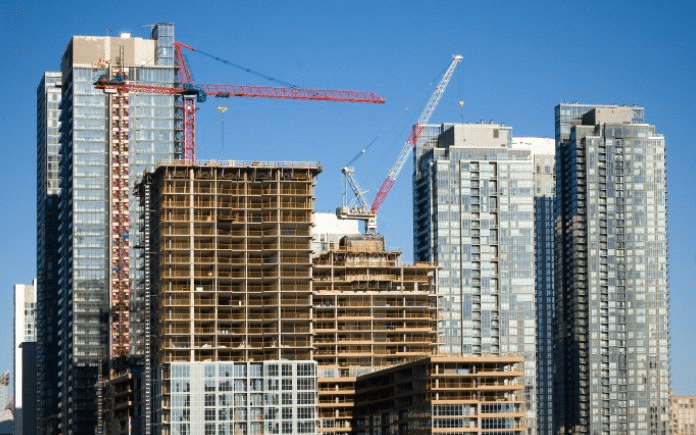
It is now widely understood that Canada’s housing market is critically undersupplied. A 2022 study by Canada Mortgage and Housing Corp. reported that the country will need to produce 3.5 million more housing units than are currently in the delivery pipeline by 2030, to restore housing affordability.
Yet it is obvious that we will not be able to correct this situation by 2030, and probably not even by 2040.
Every “New Housing” announcement made by the Liberals is Hot Air.
Nothing they have done to date will have significant impact on the housing and affordability crisis.
The decision to continue their massively harmful immigration policy shows they do not care about you and your family.
In their groundbreaking study of a disturbing trend toward inequality in Canada, Michael Mirdamadi and Aisha Khalid discovered young adults who have parents who own their home were twice as likely to own a home themselves.
The inability to afford a home is an awful prospect to face. That twit in Ottawa is doing everything he can to make it worse.
Canadian Housing Resembles A Return To Victorian-Era Inheritance Culture: Stat Can
Canada is quickly reverting back to a Victorian-era style inheritance culture. That was the suggestion from the country’s national statistics agency, when exploring the role of parental wealth on the homeownership rate of young adults. A lack of upward social mobility can turn into a big problem for Canada, which depends on attracting immigrants. No immigrant has ever said they moved across the world and worked hard so their children could have less opportunity.
Finance Minister Chrystia Freeland expects banks will follow a new series of rules and guidelines designed to protect Canadian homeowners, millions of whom are set to renegotiate loans at potentially higher rates.
“The thing that I hear the most right now is people are concerned about interest rates, especially people who have mortgages and are concerned about the renewal of their mortgages,” Freeland said in an interview airing Sunday on Rosemary Barton Live.
“And I think that is very understandable,” she told CBC’s chief political correspondent Rosemary Barton.
I don’t think Banks are going to be into the “feels” of “working with you.”
The federal Liberals’ housing announcements are nothing if not predictable. Their lead up tends to involve much pomp and circumstance, only for the payoff to be an inevitable letdown.
See: former housing minister Ahmed Hussen, who had a habit of scheduling press events to reveal plans for a couple dozen new units in a country where the housing deficit is well over five million units.
A new commentary on Canada’s support system for low-income households says many of the programs perpetuate dependency and don’t help people do what is needed to get out of poverty.
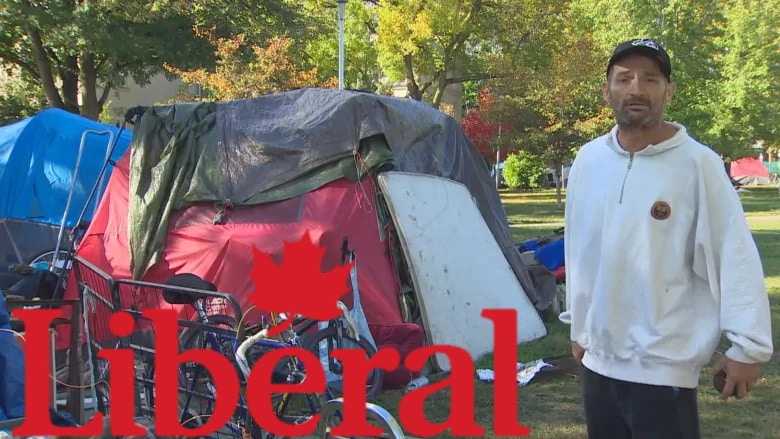
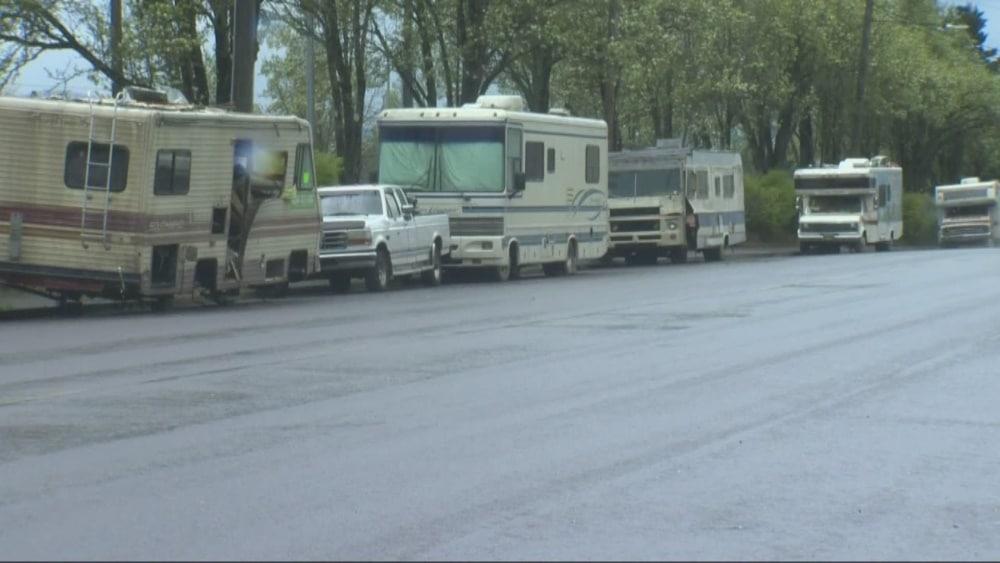
In Dan Carter, whom I profiled this week, Oshawa, Ontario, has a mayor with an unusual background. But the city faces a situation that is confronting many, perhaps most, Canadian municipalities: a growing population of homeless people, many with addiction and mental health issues.
The federal government was prepared to offer the City of Toronto two locations as temporary shelters, and operational funding for a third location but the city declined the offer late last week, Global News has learned.
At its November meeting, City Council passed a motion requesting Ottawa “take urgent action to address the refugee crisis including funding and operationalizing emergency accommodation at federal sites, including federal armouries, and funding and operationalizing a regional refugee reception centre.” At that same meeting, all 25 councillors and Mayor Olivia Chow signed a letter addressed to the Ministers of National Defence and Emergency Preparedness, reiterating the requests and urgency.
Finance Minister Chrystia Freeland’s fall economic statement acknowledges that the biggest worry keeping Canadians up at night – and, ahem, the biggest obstacle to Liberal re-election – is housing.
Introducing the mini budget, she said that Canada was always “a place where if you worked hard … there would be a home that you could afford. For generations, that promise was kept.”
But “for a generation that ranges from new high school graduates to couples in their thirties making six-figure salaries, it is a promise that is under threat.”
An affordability crisis is putting the Canadian dream at risk for immigrants, according to a new Leger poll done exclusively for OMNI News.
The survey finds two-in-five (42 per cent) immigrant households are struggling to make ends meet, with the number increasing to 54 per cent when surveying those who moved to Canada within the last five years.
For immigrants? What about Canadians? Mass immigration has fueled the housing and affordability crisis.
Opinion: Opponents of NIMBYs talk a lot about “legalizing housing” and “inclusive” zoning. But how progressive are self-proclaimed YIMBYs?
Canada’s new minister of housing, Sean Fraser, likes to use the jargon of the urban-growth movement known as YIMBY (yes in my backyard).
In Kelowna, he recently proclaimed his commitment to “legalizing housing.” Highlighting supposedly liberal-left values, the former minister of immigration also talks about fighting for “inclusive” zoning and “equitable” housing.
She was making $41 an hour working in the film industry, and for five years lived in a small rental house in Burnaby where she and her close-knit neighbours grew hostas and vegetables together.
But in July 2022 she was given an eviction notice — for no good reason, she says — triggering a series of events that led to her losing her job and becoming homeless.
Canada Invests $444m With Company That Says Millennials Don’t Want A Home
Canada keeps repeating it’s spending billions on new housing, but with who, and how does it help? Earlier this week, Deputy Prime Minister Chrystia Freeland announced $1.2 billion worth of investments to build rentals in Toronto. It turns out over a third of those funds are going into one project—373 Front St East, which are rentals planned years ago. Toronto-based Tricon Capital is one of the owners of the 855 unit project. They are best-known for buying and owning tens of thousands of single-family homes in a short time.
Tricon is a successful firm well positioned to profit from Trudeau’s mass immigration driven perpetual housing shortage.
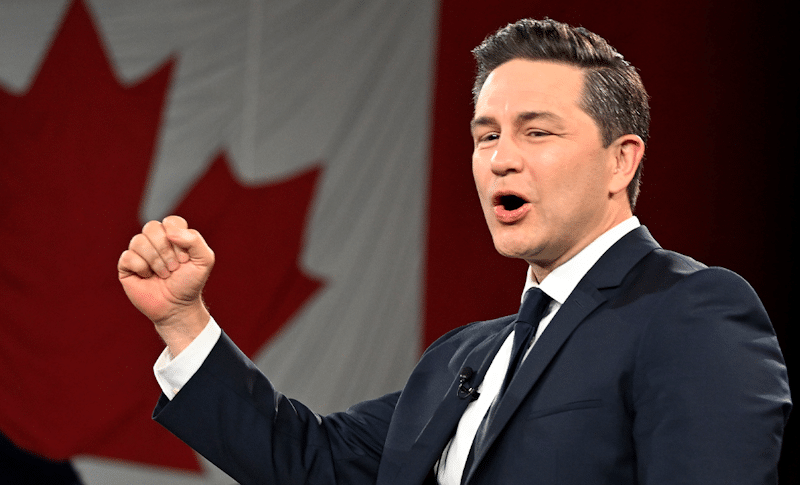
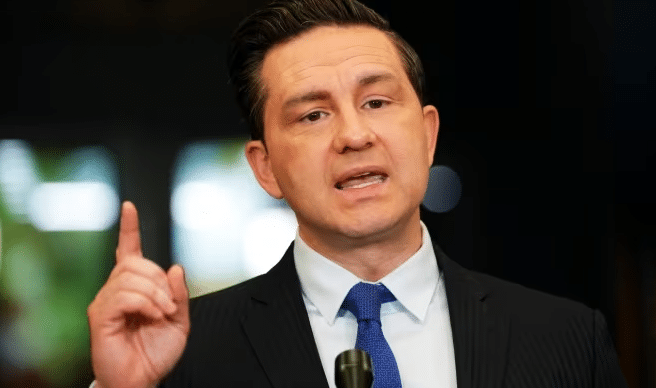
… Asked by the Times Colonist whether he would increase federal involvement in affordable-housing construction, Poilievre — still dressed in a construction hat and a high-visibility vest — said governments should get out of the home-building business and sell off federal buildings and land to developers. “We need to get the government out of the way and have the fastest building permits in the world.”
Poilievre said his plan requires that cities permit 15 per cent more “housing completions” per year or lose federal funding.