Immigration department urges newcomers to consider Airbnb or shelters amid housing shortage

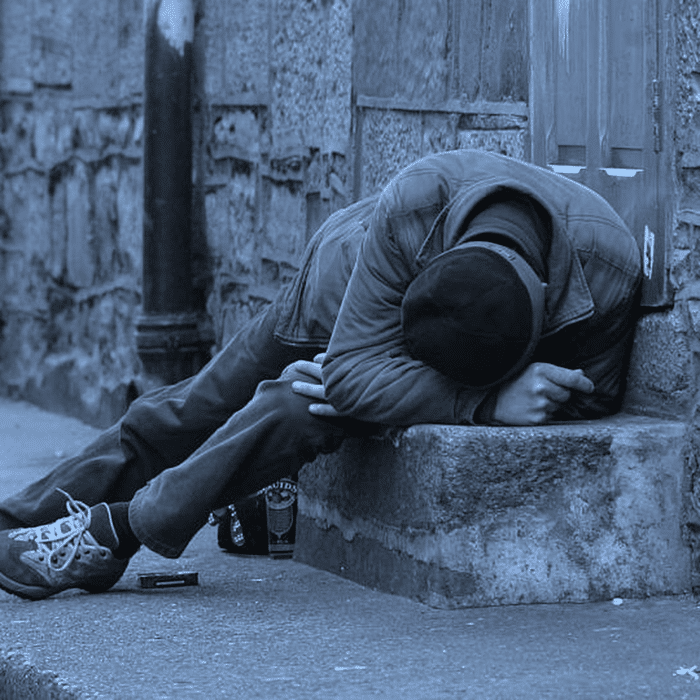
Amid Canada’s ongoing housing crisis, the Department of Immigration is advising new arrivals to consider temporary accommodations like Airbnbs or, if necessary, shelters, until they secure a more permanent place to live.

Blacklock’s Reporter says this guidance appears in a recent Welcome to Canada guide, published in multiple languages, including Arabic, Dari, Haitian Creole, and Spanish, to assist newcomers navigating Canada’s housing landscape.

Share

Cash for keys, bad-faith evictions — more homes are up for sale with tenants in them, and it’s leading to some tense standoffs

Carl Gomes was immediately fearful when his landlord put his property up for sale.

”(The landlord) put the property on the market in July and said everyone needed to leave by August,” Gomes said of the Little Portugal rooming house that is home to 14 people in six rooms.

Gomes quickly sought legal help. As soon as he told his landlord he was consulting a lawyer to make sure due process was followed, he said his landlord called and said, “he would come to my room and throw my wife’s and my belongings out on the street.”

Trudeau needs to be jailed.

Share

Federal government overestimating immigration impact on housing gap: PBO

Canada’s parliamentary budget officer says the federal government is overestimating the impact its new immigration plan will have on the country’s housing shortage.

In October the Liberal government announced it was cutting the number of permanent residents allowed into the country between 2025 and 2027.

Share

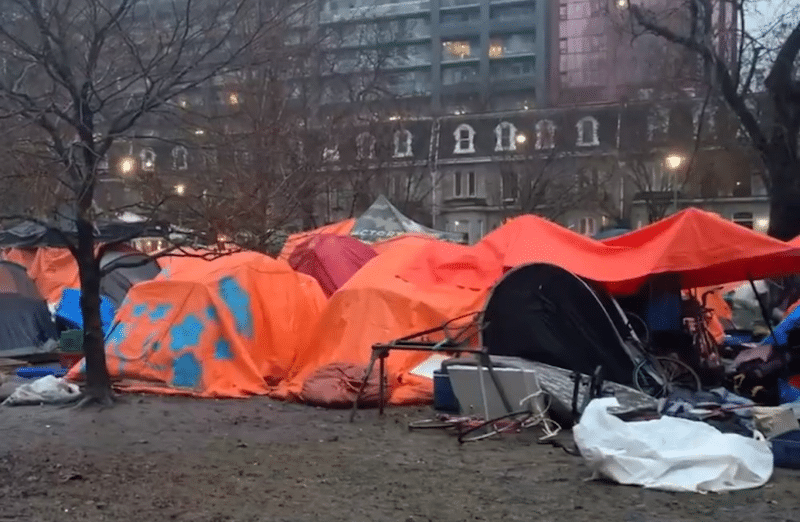
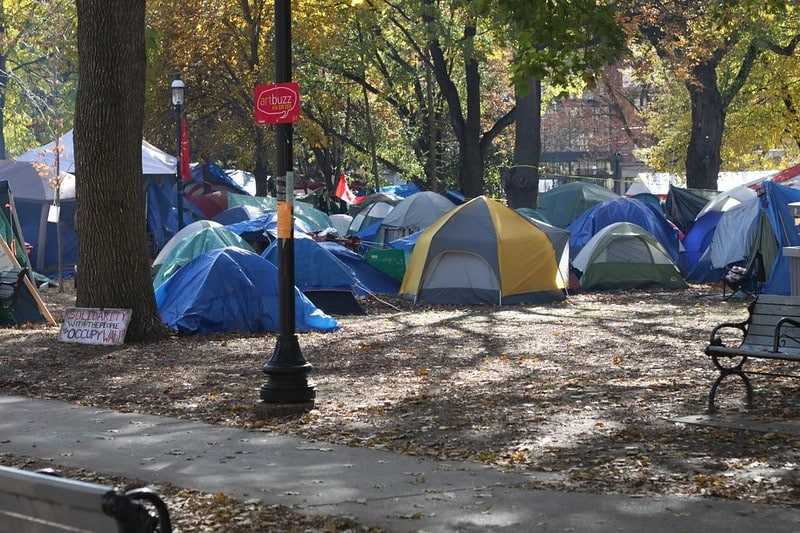
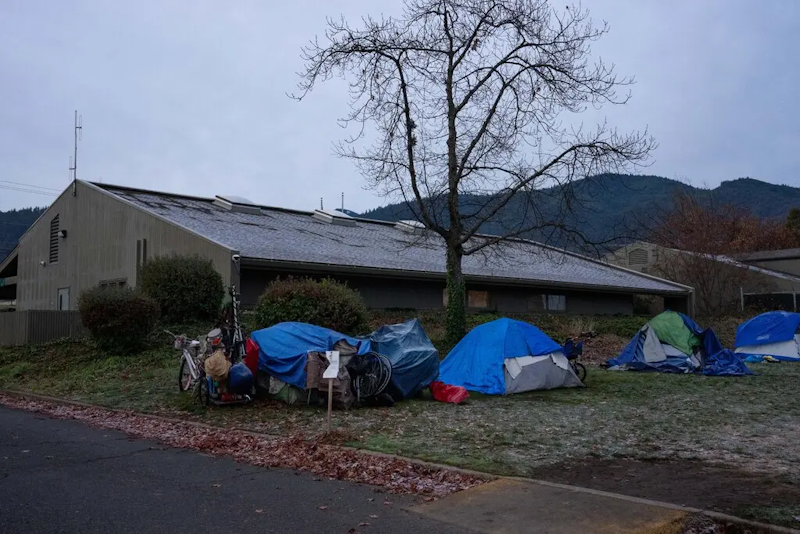
Group of Ontario mayors call for use of notwithstanding clause on encampments

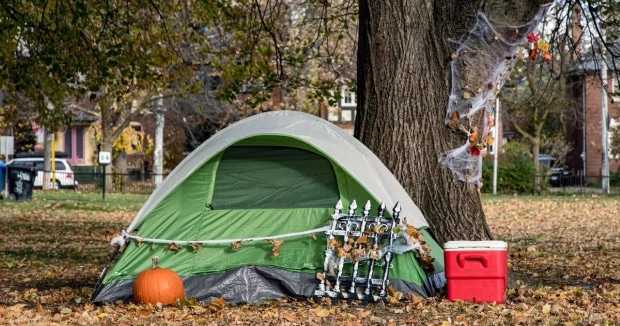
A dozen Ontario mayors are asking Premier Doug Ford to use the Constitution’s notwithstanding clause to give authorities and police more power to break up homeless encampments and force more people into mandatory drug and mental-health treatment.

The demand, made in a letter dated Thursday, was signed by Barrie Mayor Alex Nuttall and Brampton Mayor Patrick Brown, both of whom have championed the idea of mandatory treatment in recent weeks, as well as Mayor Paul Lefebvre of Sudbury and Mayor Drew Dilkens of Windsor. But absent are signatures from the mayors of the province’s largest cities: Toronto, Ottawa and Mississauga.

And where is Chairman Chow?

Share

With condos not selling, Canada faces worsening home ownership crisis

OTTAWA – Canada’s home ownership crisis is likely to worsen over the next few years as proposed project sales languish at historically low levels, stalling the funding needed for construction, half a dozen economists and realtors told Reuters.

The sale of these proposed projects, comprising an array of one- or two-bedroom condominiums in major hubs like Toronto, is commonly called pre-construction sales, and a bulk of these properties are usually bought by investors to rent out.

Thank Justin for this mess.

Share

Conservative housing proposal puts Liberals on the back foot

The Conservatives promised buyers of newly built homes that they’d save thousands of dollars on their mortgage payments. The Liberals complained the Tory plan would cut funding for municipalities.

One of these parties understands who votes. The other doesn’t seem to.

It’s pretty clear the key political issue in Canada is affordability. The housing crisis is a big, looming, social problem but a 34-year-old who can’t even think about buying a house understands it in terms of dollars.

Share

Why haven’t Toronto’s efforts to fight homelessness been enough? These numbers tell the story

If this is to be the start of a new Toronto tradition, it’s a brutal one. For the second year in a row, the City of Toronto unveiled its winter homeless shelter plan by acknowledging the insufficiency of the measures it plans to take. That’s a depressing press conference: Here’s the plan! It ain’t going to work!

It looks like planning for failure — when the stakes are whether people freeze on the street or not — but, believe it or not, as I wrote last year, it is progress. The old annual tradition involved failing to draw up a proper plan at all and then being shocked when there wasn’t enough space in the shelters, and then vowing to do better next year when people froze to death, and then promptly forgetting about it when it came time to set budgets.

The homeless situation will always get worse with leftists in charge. Chow and Trudeau are a perfect match

Share

Bank of Canada risks a home price runup with key rate cut, experts say

The Bank of Canada is walking a tight rope as they rapidly cut the key interest rate to salvage the country’s sluggish economy while risking a drastic run-up in real estate demand and pricing.

The central bank announced Wednesday it’s cutting its key overnight interest rate by 50 basis points — a half percentage point. That brings the overnight rate to 3.75 per cent.

Share

Toronto’s homeless shelters house almost triple the number of kids they before Trudeau

Toronto’s homeless shelters now house almost triple the number of kids they did eight years ago — with more than 1,400 in hotel rooms paid for by city hall

… As of September, nearly 1,500 kids were staying in the city’s shelter system, two thirds of whom were 10 or younger, as well as more than 1,400 children waiting for space in scattered hotel rooms paid for by city hall

… These “bridging hotel” rooms are different from hotels leased as temporary shelters during the pandemic, which are now considered part of the regular shelter system and offer more services like meals. The federal government also operates its own network of hotels specifically for refugees.

Share

How the City of Angels went to hell

Progressives put principles over policy

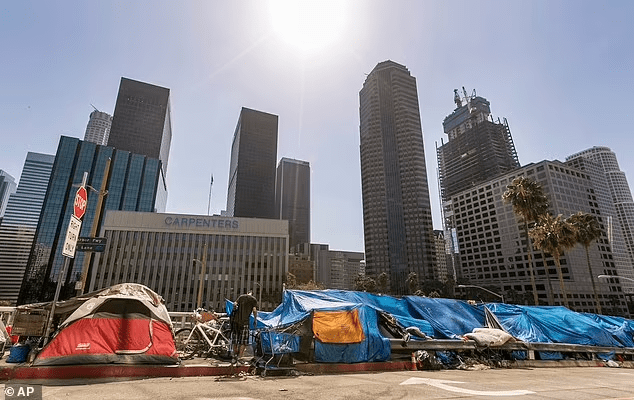
A journey through Los Angeles, the adopted home of Vice President Kamala Harris, offers a masterclass in urban dysfunction. As you drive through the streets of the southside, and along Central Avenue, the historic main street of black LA, now mostly Hispanic, the ambience is increasingly reminiscent of Mexico City or Mumbai: broken pavements; battered buildings; outdoor swap meets; food stalls serving customers much as one would see in the developing world.

Share

Amy Hamm: Blame ‘progressives’ for Canada’s hellish homeless encampments

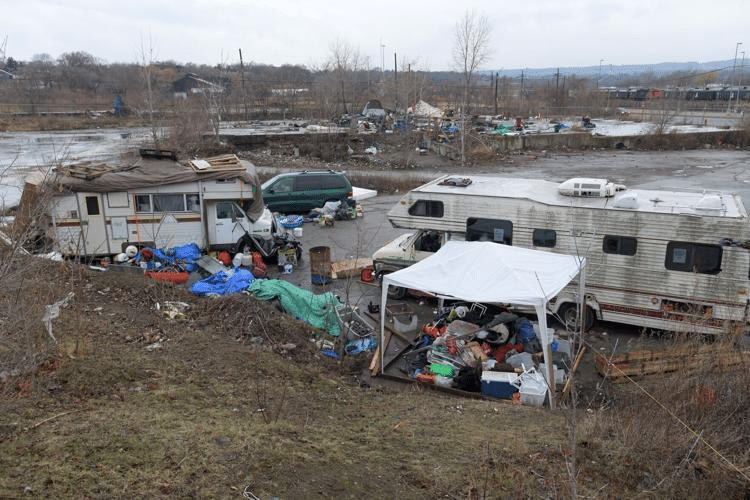
I visited one of our country’s many and burgeoning homeless tent encampments last week. None of the residents wanted me to take a photograph of their face.

“I don’t want my mom to see me like this,” said one man who appeared in his thirties. Another would only allow photos of the unbandaged and bleeding venous ulcers on both of his shins, a familiar sight from my days of outreach nursing in Vancouver’s Downtown Eastside. It seemed important to him that I share the evidence of his physical deterioration. But absolutely not his face.

Share

Nearly two-thirds of Ontarians think Doug Ford must do more to deal with homeless encampments, survey finds

The vast majority of Ontarians feel homeless encampments are a “problem” and most believe Premier Doug Ford is not doing enough to deal with them, a new poll suggests.

Abacus Data found 54 per cent think tents in municipal parks are a “big problem,” while 30 per cent say they are a “minor problem” and 16 per cent insist they are “not really a problem.”

So must Trudeau, so must Chow.

Share

Business association demands bail reform to restore public safety on urban streets

Businesses in cities and main streets across the country say a “humanitarian crisis is playing out in” Canada’s communities and they want the federal government to act swiftly to tackle the crime, addiction and social issues they say are hurting businesses and downtowns.

The issues, business groups say, have been on the rise in recent years but were made significantly worse by the pandemic.

“Repeat offenders are significant drivers of crime and the current bail system does not protect Canadians or small businesses,” Kate Fenske, chair of International Downtown Association Canada (IDA Canada), which represents urban business districts across Canada, said Tuesday.

Share

Your chances of owning a home in Canada were already decided at birth

In today’s Canada, the cradle you’re born into increasingly dictates whether you’ll ever hold the keys to your own home. This isn’t just a market fluctuation. It’s a boiled frog phenomenon.

Incremental changes – the steady rise in home prices, gradual policy shifts and slow-moving supply constraints – went largely unchallenged. By the time the severity of the crisis was recognized, many prospective homeowners were already cooked.

An interesting article marred by the author’s omission of mass immigration as the primary cause of Canada’s housing crisis.

Share