Race to salvage sinking cargo ship carrying 3,000 vehicles as it burns out of control in North Sea after fire ’caused by electric car’

The race is on to prevent the sinking of a cargo ship off the Dutch coast which is carrying almost 3,000 vehicles, including 350 Mercedes-Benz, as it burns out of control with an electric car believed to be behind the deadly fire.

At least one crew member died and others were injured after fire ripped through the Fremantle Highway, a 18,500-ton car-carrying vessel. Rescue helicopters and boats evacuated 23 crew members from the Panamanian-registered ship.

Officials have said there are ‘many’ wounded. Some suffered broken bones, burns and breathing problems and were taken to hospitals in the northern Netherlands, emergency officials said.

h/t DS via SDA

Share

Every Electric Car You Buy Will Fund Al Qaeda

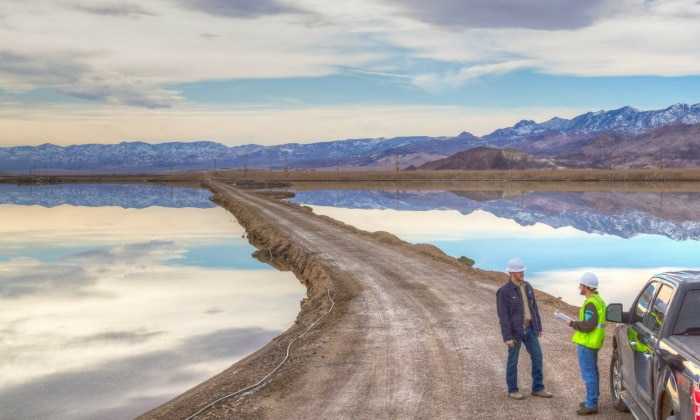
The Taliban recently announced that, “five countries are interested in investing in the lithium mining sector in Afghanistan’s Nuristan province”. A Chinese company has already put down a $10 billion bid that would include infrastructure along with improved roads for the terror group.

Shahabuddin Delawar, the Taliban’s mining boss, boasted that, “we have 2.5 million tons in Nurestan alone. Extract it, and Afghanistan can be one of the richest countries in the world.”

Share

America Is Awash in Critical Minerals, but Regulations and Environmentalists Are Blocking New Mines

As environmentalists and the Biden administration make an all-out push for the adoption of electric vehicles and renewable energy sources, they are facing a quandary: The Green Revolution requires more mineral mining, a practice they have long opposed due to its effects on the environment and Native American lands.

One crucial mineral is lithium. Electric vehicles, solar panels, wind farms, laptop computers, and cellphones are all powered by lithium-ion batteries. Without lithium, you can kiss goodbye California’s plan to transition to all-electric vehicle sales by 2035.

Share

In the city, my EV is perfect. When I hit the open road, as I did crossing Canada, life gets complicated

It was before dawn on April Fool’s Day when I set out from Wawa, Ont., for Thunder Bay in my 2020 all-electric Nissan Leaf. It was the third day of my planned 14,000-kilometre journey from Ottawa to Victoria, returning through the United States.

The temperature was minus nine and there was a howling wind off Lake Superior to the south, blowing sheets of powdery snow across the highway. When I was planning this trip, I knew that this was the day when there would be the fewest opportunities to charge.


EV’s are great city runabouts, for now, for the relatively few early adopters.

But what if everyone wanted one or was left with no choice but to buy an EV by government edict if they needed or just wanted a private vehicle?

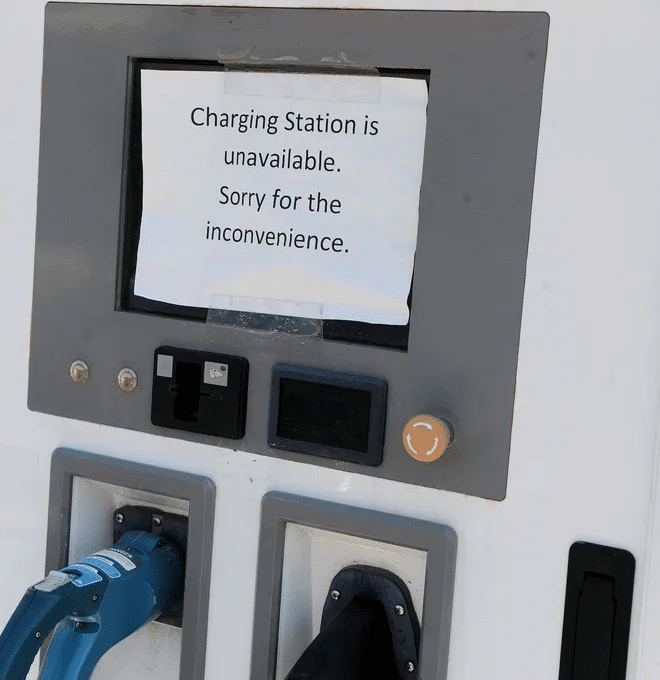
You wouldn’t do much running about in your EV thanks to an inadequate energy system unable to handle the massive charging demand.

We know what the end game is. They don’t want you to own a private vehicle ICE or Electric.

You know what country restricts vehicle access and ownership to the ruling family and his cronies? North Korea.

Share

Commercial Trucks Are a Key Part of EV Adoption. What’s Holding Them Back?

The effort to reduce carbon emissions by transitioning to electric vehicles isn’t going as well as it might seem.

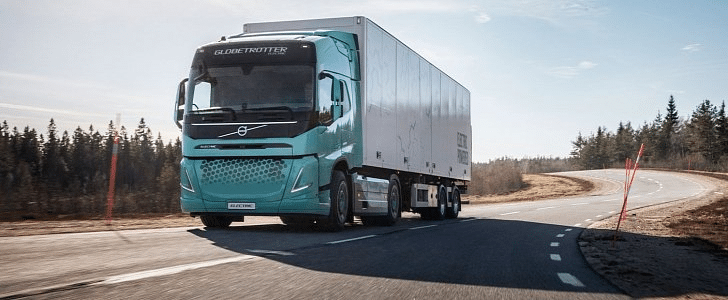
On the bright side, the adoption of electric cars is happening faster than some experts predicted, with sales in the U.S. soaring 65% to 800,000 last year. But the move to electric power for big commercial trucks is stuck in first gear, with only a few thousand on American roads.

Experts say it’s vital to replace millions of diesel-engine tractor-trailers and other big rigs with green alternatives to tackle climate change. Medium- and heavy-duty trucks make up only about 5% of U.S. vehicles but spew about 23% of all greenhouse gases from transportation sources, according to the Environmental Protection Agency.

… Beyond the steep price of battery trucks, fleet operators face high expenses and other challenges in constructing charging stations at their depots. Among the hurdles: delays in government approvals, lead times of up to two years in procuring the electrical gear, and trouble getting the local utility to provide the vast amount of power needed.

Share

Electric vehicles struggle to hold up amid heat wave roasting US

Electric vehicle owners can expect to take on additional preparations as the summer months heat up and vehicle performance declines.

The United States has broken a number of extreme heat records this year, and millions have received weather advisories as the heat wave is set to continue in the U.S. Southwest. An increase in temperatures means EV drivers may see their car battery power running low more frequently.

Share

Unsold electric vehicles are piling up – people like the idea but are not buying them

Some auto-industry observers are calling it a “field of dreams” moment, but if electric-vehicle makers can’t figure out how to bridge the gap between consumers’ curiosity in the products and their willingness to buy them, it may become a nightmare on Main Street.

The supply of unsold EVs on U.S. dealer lots has swelled 350 per cent so far this year, to more than 92,000 units in June. That’s about three months’ worth of inventory and nearly twice the industry average, according to a new report from Cox Automotive, the people behind the Kelley Blue Book auto-pricing guides.

Share

Electric vehicle targets are just pie in the sky

“RECENTLY I received this leaflet from West Sussex county council about a proposal to install six charging points for electric vehicles (EVs) in the road where I live, and inviting my comments. This is what I replied.”

1. Most EV drivers will have a home charger and perhaps two. So having another point near to home is far less important than having one within around 50 miles or so away. The place for them would be in car parks, so that visitors who have travelled a few miles, can get home. They will have to hope that National Grid (NG) has not drained their battery of energy while they were parked. What agreement will you have with NG to allow them to use EV batteries to support the grid in emergency?

Share

Electric vehicle mandates are an assault on the middle class

We may soon regret the radical and absolutist embrace of electric vehicles (EVs). Governments across the world are planning to ban sales of new petrol and diesel cars, and to take older, gas-guzzling vehicles off the road. The Biden administration is proposing strict new pollution limits, as well as vast state subsidies, to accelerate the United States’ transition to EVs.

Share

Soldiers trial battery-powered mountain bikes to give them silent approach

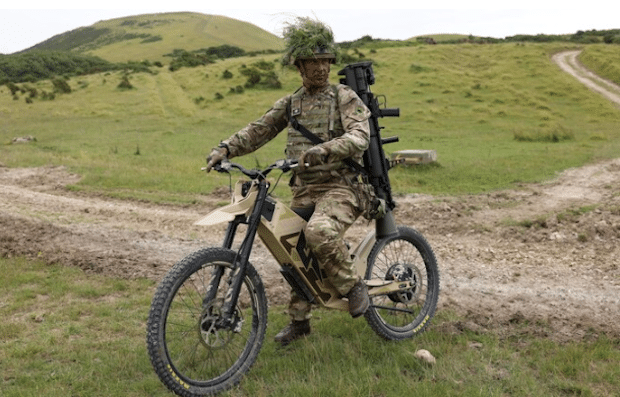
The Army is trialling battery-powered mountain bikes that enables soldiers to approach the enemy in silence.

As part of a more agile army, soldiers have been experimenting with operating shoulder-fired rocket launchers such as the Carl-Gustav from Stealth H-52 electric bike.

Lithium bike batteries have proven lethal in civilian use. Soldiers could toss the bikes at the enemy and watch them fry!

Share

German car companies suffer heavy electric shock

… Thomas Peckruhn, vice-president of the Central Association of German Vehicle Dealers, said a relatively healthy number of new registrations was belied by a darker picture emerging from order books. “New orders for electric cars are down by 30 per cent to 50 per cent on where they were a year ago,” Peckruhn told Handelsblatt.

The VW brand, part of the Volkswagen group, acknowledged yesterday that it was “experiencing a general reluctance to purchase electric cars, like other manufacturers are”.


Thousands of EV’s rotting in fields in China

China is the leader in EV car production but it’s not quite the success you might think it is.

h/t Mauser

Share

When Ottawa picks winners through industrial policy, the economy is the loser

Creating “good” jobs in Canada, improving its competitiveness, and now fostering the green transition and making the country’s supply chain more resilient are typical excuses that roll off the tongues of politicians when defending subsidies to hand-picked industries.

In the 2023 budget, the federal government provided $20-billion to preferred sectors and technologies and $14-billion (and counting) afterward to Volkswagen. The government later did a similar deal with Stellantis.

Everything Trudeau touches turns to shit.

Share

Electric Vehicles for Everyone? The Impossible Dream

A dozen U.S. states, from California to New York, have joined dozens of countries, from Ireland to Spain, with plans to ban the sale of new cars with an internal combustion engine (ICE), many prohibitions taking effect within a decade. Meanwhile, the U.S. Environmental Protection Agency (EPA), in a feat of regulatory legerdemain, has proposed tailpipe emissions rules that would effectively force automakers to shift to producing mainly electric vehicles (EVs) by 2032.

This is all to ensure that so-called zero-emission EVs play a central role in radically cutting carbon dioxide (CO2) emissions. To ensure compliance with ICE prohibitions and soften the economic impacts, policymakers are deploying lavish subsidies for manufacturers and consumers. Enthusiasts claim that EVs already have achieved economic and operational parity, if not superiority, with automobiles and trucks fueled by petroleum, so the bans and subsidies merely accelerate what they believe is an inevitable transition.


Long report here’s a summary below and a link to the pdf – Electric vehicles the Impossible Dream

Electric Vehicles: Mills Bomb Thrown

The Mills bomb is (was?) the popular name for the pineapple-style British hand grenade that made its debut during the First World War. It came to mind after I was a few pages into Mark Mills’ intriguing new report for the Manhattan Institute on electric vehicles (EVs), entitled, “Electric Vehicles for Everyone? The Impossible Dream.” The report is too long to do it much justice in a brief(ish) summary. Nevertheless, I’ll touch on a few points he raises.


Interesting news on Hydrogen … Limitless ‘white’ hydrogen under our feet may soon shatter all energy assumptions

There’s a real possibility that vast reserves of this clean fuel can be extracted at competitive costs


Share

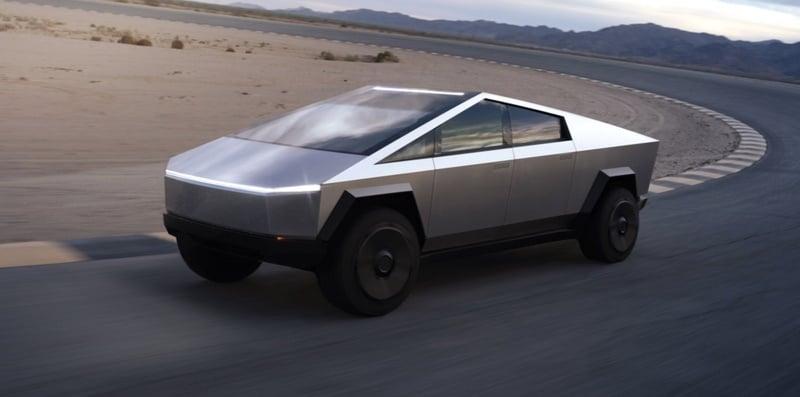
Tesla finally builds its first $70,000 Cybertruck

Tesla’s futuristic Cybertruck has finally rolled off the assembly line, nearly four years after Elon Musk unveiled the vehicle to the public.

In a tweet, the company confirmed the first Cybertruck for customers has been built at its ‘Giga Texas’ manufacturing facility in Austin, Texas.

A photo showed more than 100 Telsa staff in hard hats and high-vis vests surrounding the vehicle at the 10 million square foot facility.

Share

Union Opposition to Electric Vehicle Kickbacks Could Upend 2024

It turns out wages are much lower in government-subsidized electric vehicle plants than they are in traditional assembly plants.

Union leaders who are familiar with the economics of climate change and subsidized electric vehicles are suddenly reticent to endorse Joe Biden for a second term.

Why is that?

Doesn’t “Lunch Bucket Joe ” operate in the best interests of “blue collar” workers, particularly those who are part of organized labor?

Share