ANALYSIS: Cost of EV Battery Replacement May Come as a Shock

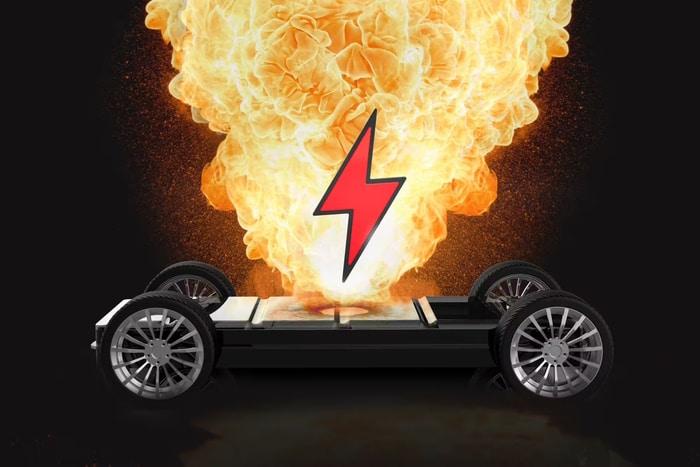
They design a purpose built EV fire pool and it’s still burning.

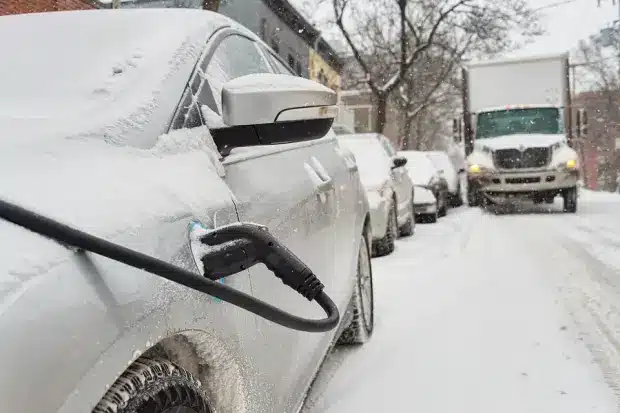
As Ottawa mandates selling electric vehicles (EVs) and with an increasing number of offerings for consumers, the potentially major issue of battery replacement remains uncertain.

It’s been said that an EV is its battery and then everything else.

In a video uploaded Dec. 12, automotive journalists Andrea and Zack Spencer of the Motormouth Youtube channel, told the story of Kyle Hsu, a 2022 Hyundai Ioniq 5 owner who faced a $60,000 bill to replace its battery. That was more than the $55,000 cost of the car brand new.


Share

Dear Ottawa: Mandating electric-vehicle sales is a bad idea

Canadians got a jolt Tuesday when Ottawa released new electric-vehicle regulations. The move, called the “Electric Vehicle Availability Standard,” aims to dramatically accelerate EV sales. Meeting the standard will require EVs to constitute 20 per cent of new vehicles sold by 2026, 60 per cent by 2030 and 100 per cent by 2035. For reference, EV market share has been less than 10 per cent in recent years. But not complying with the proposed rule risks drawing the ire of regulators – along with potentially hefty fines.

Share

Cory Morgan: Ottawa’s 2035 EV Target Will Be a Costly Policy Failure

Environment Minister Steven Guilbeault’s plan to illegalize the sale of new conventional vehicles in Canada by 2035 is unreasonable, extreme, and will wreak havoc on the Canadian economy.

Despite nearly 10 years of cajoling, promoting, and subsidizing electric vehicles (EVs), over 95 percent of vehicle sales in Canada are still combustion engine models. EVs remain too expensive and impractical for Canadians to embrace. Rather than trying to understand why citizens won’t switch to EVs, the Canadian government is taking the ham-handed approach of forcing the transition, and the consequences of the move will be dire.

Share

Why North American electric vehicle mandates are destined to fail

According to reports, the Trudeau government will soon unveil regulations meant to phaseout the sale of new internal combustion vehicles and compel Canadians to buy zero-emission vehicles. The Biden administration is also mandating a similar shift. T

These initiatives, however, overlook two realities — consumer preferences are not easily swayed by top-down government directives and the unrealistic timeline for minerals crucial for electric vehicles (EV) raises serious doubts about the likelihood of success.


Surprising article from the Star.

It makes the case that Trudeau’s EV nuttery is doomed to failure without even touching on the unrealistic development expectations of the electrical power infrastructure needed to charge his childish wishdream.

Share

Ottawa expected to release promised EV sales regulations Tuesday

Automakers are set to get a jolt Tuesday when Ottawa unveils its promised electric vehicle regulations.

CBC News has learned that Ottawa will release final regulations it says will ensure that all new passenger cars sold in Canada by 2035 are zero-emission vehicles, a senior government source said.

The source — who was not authorized to speak publicly — said the new regulations are meant to ensure that automakers produce enough affordable zero-emissions vehicles to meet the demand.


Also … Canadian Auto Dealers Association Demands More EV Charging Stations, Improved Affordability

Share

Complicit Car Media Heralds ‘Revolutionary’ New Electric Vehicle

Who willingly pays twice as much to get 50 percent less?

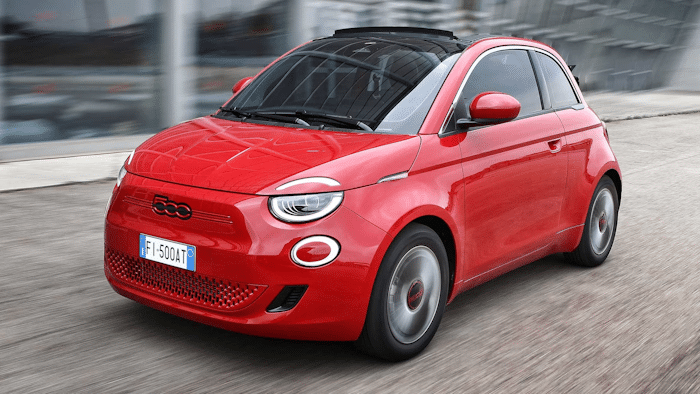
When Sergio Marchionne was running Fiat, he advised people to not buy the electric version of the 500, Fiat’s “Italian Job” micro-car. Why? Because each “sale” would cost Fiat a lot of money as the electric 500 could not be sold for what it cost to build, plus a profit margin sufficient to make it worth building. It was too expensive — and too limited. It was for these reasons what people in the car industry call a loss leader — usually also a compliance car. The latter refers to a car that’s built solely to satisfy government regulatory requirements and is inevitably sold at a loss — because very few buyers want to pay for it.

Share

Canadian auto dealers association demands more EV charging stations, improved affordability

The Canadian Automobile Dealers Association is raising concerns about electric vehicle affordability and charging infrastructure.

It says the regulated sales targets for zero-emission vehicles are not achievable without more government efforts to address vehicle affordability and the lack of charging infrastructure.

The federal government has set sales targets for the number of ZEVs among new light-duty vehicle purchases at 20 per cent by 2026, increasing to 100 per cent by 2035.

This is insane.

Share

Tories Accuse Feds of Failing to Secure Jobs for Canadians in Govt.-Funded EV Battery Plant Deals

A Conservative MP is accusing the federal government of failing to include job guarantees for Canadians in its subsidy contracts with foreign electric vehicle battery manufacturers.

Tory MP Rick Perkins told the Standing Committee on Government Operations and Estimates (OGGO) on Dec. 14 that he has read a confidential Volkswagen contract and “what’s not in it is a clause that protects Canadian jobs.”

Share

Canada faces declining EV interest, report shows, despite push to boost sales

As Canada continues its work towards net-zero carbon emissions, including through its mandate for at least 20 per cent of car sales to be electric vehicles (EVs) by 2026, a new report showing a declining interest in the products is raising questions whether that goal is doable.

On Monday, AutoTrader.ca released its 2023 top search data into some of the most popular vehicles searched on their marketplace this year and while it showed a rise in popularity of trucks, the number showing an intent to purchase an EV has declined from one year prior.

Share

Many Car Dealers Are Getting Nervous About EV Push

Auto dealers across many parts of the country say electric vehicles are becoming too hard a sell for buyers worried about the range, reliability and price of these models.

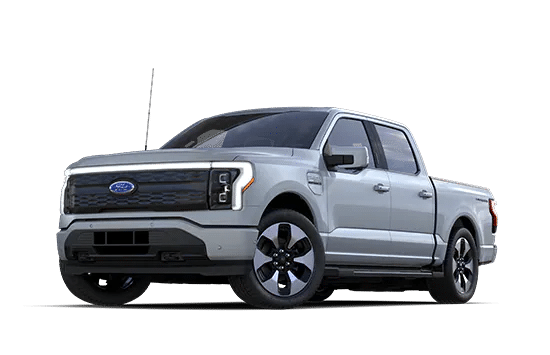
When Paul LaRochelle heard Ford Motor was coming out with an electric pickup truck, the dealer was excited about the prospects for his business.

“We thought we could build a million of them and sell them,” said LaRochelle, a vice president at Sheehy Auto Stores, which sells vehicles from a dozen brands in Virginia, Maryland and Washington, D.C.

The reality has been less positive. On Sheehy’s car lots, LaRochelle says there is a six- to 12-month supply of EVs, compared with a month of gasoline-powered vehicles.

This is what happens in a Soviet style “Command Economy.”

Share

The shocking gap in Ottawa’s EV plan — lack of due diligence

The power grid that took more than a century to build will have to double its capacity in just 30 years. That will cost. Who’s paying?

What would happen to your electricity bill if all your neighbours started driving electric vehicles (EVs)? This is not a hypothetical question. The federal government’s plan is for Canadians to be driving EVs en masse in a little more than a decade. Ottawa has banned the sale of new gas-powered passenger vehicles as of 2035 and the government has committed tens of billions of taxpayer dollars in grants and incentives to the makers of EV batteries.

We are a nation governed by high school students. Stupid high school students.

Share

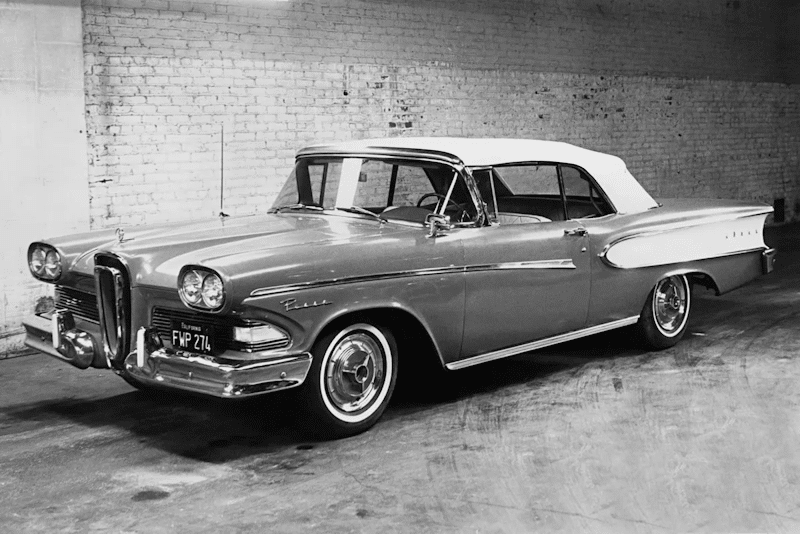
EVs Aren’t The Edsel Of The 21st Century — They’re Far Worse

Economist Steve Moore recently compared EVs to the ill-fated Edsel, “one of the textbook marketing flops of all time.”

“All the automotive experts and Ford executives said it was a can’t-miss. Henry Ford (the car was named after his son) guaranteed hundreds of thousands of sales. But one big thing went wrong: Nobody ever bothered to ask car buyers what they thought of the new car,” he wrote.

“Given the all-in approach to electric vehicles at Ford and General Motors, it’s clear that Detroit never got the message.”

h/t YP

Share