Paris Cuts the Lights to Save Energy. Will It Help?

Famed monuments are going dark early as part of a call for ‘energy sobriety’ in France

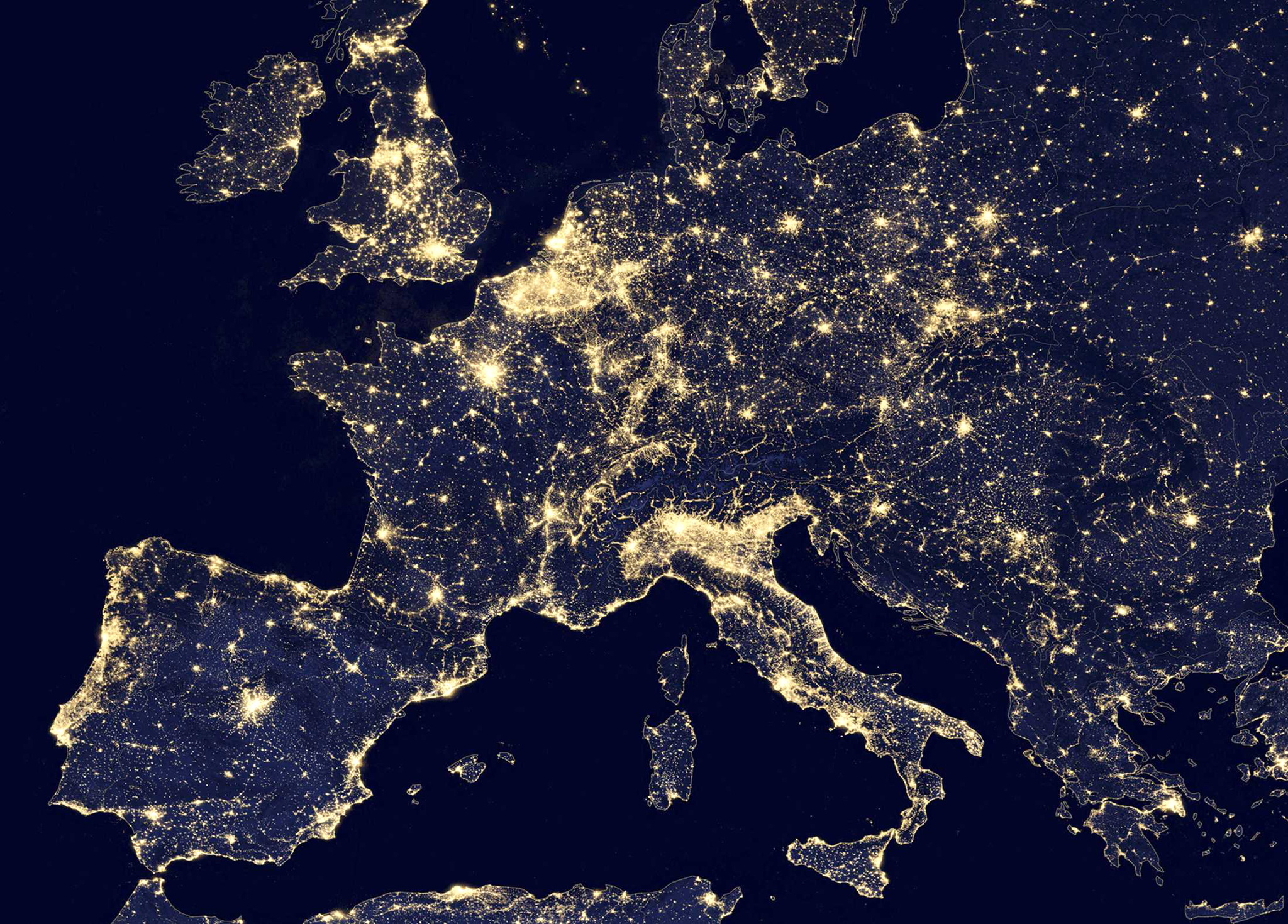
PARIS—The City of Light is going dark.

Luxury shops across the city are turning off their nighttime lights, plunging the Avenue de Montaigne and other areas renowned for evening window shopping into relative darkness. Tourists are showing up to monuments for late-night photos, only to find somber silhouettes. Even the Eiffel Tower, symbol of France’s rise as an industrialized nation, is hitting the off switch early.

Hmmmm …

Share

Climate extremists don’t speak for Indigenous groups

Enbridge recently announced that 23 First Nations and Métis communities plan to invest $1.12 billion to acquire an 11.57 per cent interest in seven Enbridge pipelines in Alberta’s Athabasca region, the largest-ever energy-related Indigenous partnership transaction in North America. This is a giant step towards economic reconciliation and a significant improvement for these communities on their path to self-determination and better material circumstances.

Share

GOLDSTEIN: Our leaders are doubling down on their energy blunders

As Europe faces a winter of skyrocketing natural gas prices driving millions of people unable to afford to heat their homes into energy poverty, it’s alarming how western leaders — Prime Minister Justin Trudeau among them — continue to take precisely the wrong message from what has happened.

From Trudeau, to German Chancellor Olaf Scholz and other European leaders, to the Biden administration in the U.S., their misguided battle cry is the same.

Share

The Choking of Our Energy Industry Is to the Detriment of Both Canada and the World

What is the number one most essential resource in the world today?

Obviously, it is energy. Oil and gas and (yes, it’s making a return) coal during this fretful time have a value enhanced beyond their normal use. And considering that normal use is nothing less than powering the way of life of—literally—all of us, any “added” or enhanced value makes every energy source vital beyond value.

Share

Unleash the Montney: Canada’s world-class gas field is waiting to be tapped

Straddling the B.C.-Alberta border lies the most valuable Canadian resource you’ve never heard of: the trillion-dollar Montney Formation, a giant gas field the size of New Brunswick and Nova Scotia combined. Its potential is huge but its future is uncertain. With the federal government’s proposed emissions cap, it may remain a sleeping giant.

Share

The dark continent: How ‘green’ power insanity will black out Europe

THE European electricity grid is hurtling towards disaster, a new paper from the Global Warming Policy Foundation warns.

Countries are closing reliable nuclear and fossil-fuelled power stations while hoping interconnectors – cables linking different grids – will make up the deficit. But they won’t, according to the paper’s author, Alexander Stahel, a Swiss-based commodities expert.

He explains that the European grid has relied on French and German power surpluses for many years. However, with nuclear power in both countries being wound down and the two likely to soon become net power importers – and with fierce international competition for scarce gas supplies – the whole continent is now left hoping for Scandinavian hydro power and occasional surpluses of UK wind to save it.

Share

‘Crippling’ Energy Bills Force Europe’s Factories to Go Dark

Manufacturers are furloughing workers and shutting down lines because they can’t pay the gas and electric charges.

The furnace, heated to 1,500 degrees Celsius, was glowing red. Workers at the Arc International glass factory loaded it with sand that slowly pooled into a molten mass. Nearby on the factory floor, machines transformed the shapeless liquid with a blast of hot air into thousands of delicate wine glasses, destined for sale to restaurants and homes worldwide.

Nicholas Hodler, the chief executive, surveyed the assembly line, shimmering blue with natural gas flames. For years, Arc had been powered by cheap energy that helped turn the company into the world’s largest producer of glass tableware — and a vital employer in this working-class region of northern France.

Share

Europe Is Losing the Energy War

Wars are fought on many fronts. So far, Russian president Vladimir Putin is winning the energy war. High energy prices, triggered by supply disruptions, have neutered Western sanctions. Russia’s current account balance stands at record highs. Meantime, the same forces are de-industrializing Europe right before our eyes. Industry after industry is throttling back, shutting down, or considering doing so if the energy chaos continues. Britain is staring at the potential shutdown of 60 percent of its manufacturers. Germany and most of Europe are on the same track.

Discussions of how to rebuild Ukraine when the ground war eventually ends are prevalent, but the question of the decade will be how to rebuild Europe’s industrial infrastructure. Industrial facilities and supply chains that use and produce energy can’t easily be restarted once stopped. That’s one lesson, at least, that policymakers should have taken from the Covid lockdowns.

Share

Europe’s energy crisis has Canada weighing future of oil and gas industry

At 76 years old, Gwyn Morgan is not one to sit still.

The former oil executive, recipient of the Order of Canada and self-described “outdoors guy” remains a long-distance runner and led Global News on a jog through side streets and forest paths of Vancouver Island during an interview about his career — itself something of a marathon.

Share

Europe’s Energy Crisis

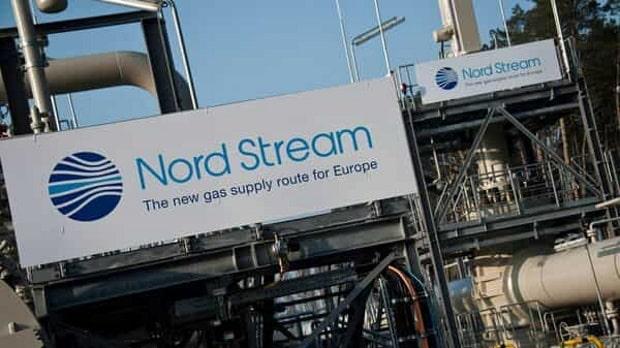
Europe is facing a growing energy crisis. Individuals and industries are being battered by rising energy costs. On August 31, Russia shut down the Nord Stream 1 gas pipeline to Germany for initially what was supposed to be 72 hours, but followed by an announcement of “technical difficulties” that would prevent a resumption. Russian energy giant Gazprom also announced that natural gas supplies to French energy company Engie SA would be immediately reduced. These actions have created significant uncertainty and the threat of much higher energy prices in Europe as the cold winter season approaches.
In the Netherlands last month, I had the opportunity to discuss the skyrocketing energy costs. Monthly utility bills of 400 to 600 euros are not unusual. One company said it was spending four times the amount for natural gas than a year ago. The company indicated because of these higher costs, it would be cutting its production by 50% this winter. Most European Union countries are experiencing an eight-fold increase in energy prices.

Share

Germany is committing national suicide

An eco-obsessed elite has sacrificed energy and food security to the climate agenda.

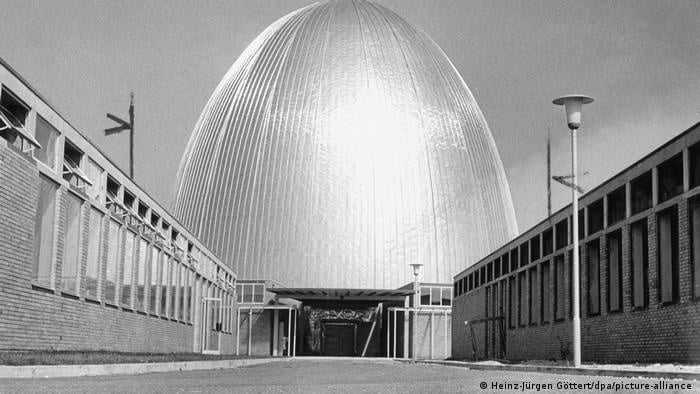
The German government decided last week to temporarily halt the phasing-out of two nuclear power plants. This is an attempt to secure Germany’s energy supplies after Russia effectively turned off its gas exports to Germany.

But there is much more the German government could do if it was serious about shoring up its energy security.

Share

Amid energy crisis, activists still opposing small module nuclear reactors

It has long since become obvious that the Biden energy crisis is not unique to the United States. Many nations, particularly in Europe, are running up against similar threats to the sustainability of their energy grids. The reasons vary, with some being self-inflicted wounds in the name of climate extremism while others involve external factors such as the impacts of Russia’s war in Ukraine and the Kremlin holding oil and natural gas supplies hostage. No matter the cause, solutions are required and one that is getting a fresh look in all impacted areas is nuclear energy.

Share

Will the energy crisis spell the end for German bakeries?

If you want to buy what many believe is the most delicious bread in the city of Bonn, you have to plan well ahead. That’s because the line in front of the Max Kugel bakery is long.

The prices are high, too. The cost of a wholewheat loaf has just gone up by 80 cents to €6.60 ($6.56). That’s about €2 more than the competition charges.


More… Dutch bakeries face threat of closure as energy costs surge, industry bodies say

Share