Under fake profiles, agents offer money and lucrative business opportunities in exchange for sensitive information. Fiona Hamilton meets one of their targets
Philip Ingram was initially interested when he was contacted to do some work for a security company in Shanghai.
As a former colonel whose expertise includes specialist cyberintelligence work and knowledge of chemical, biological, radiological and nuclear weapons, Ingram was used to such approaches.
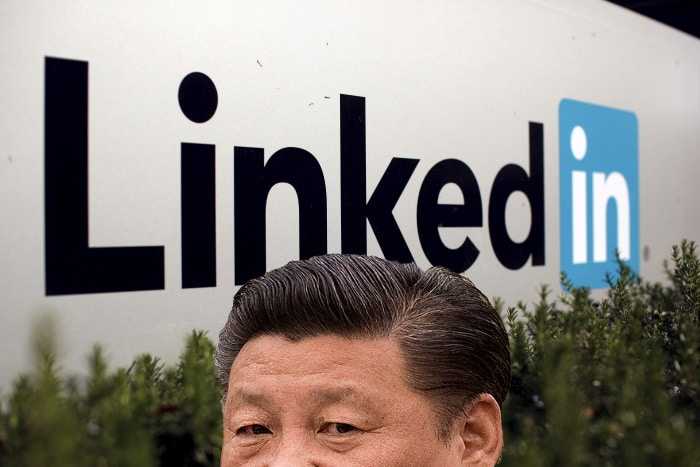
“I got a connection request from someone on LinkedIn, I get lots of them,” Ingram said. “His name was Robin, he was a Chinese businessman with links across the security industry in his profile. It fitted the sort of people I would connect with, so I accepted.”


 But for a few days, it became something else: a tiny gap in Beijing’s “great firewall”, allowing millions in China a glimpse of an unfiltered, uncensored internet. A place where people could openly discuss issues like the treatment of the Uighur minority, the crackdown in Hong Kong, and relations with Taiwan, which Beijing considers a