GOLDSTEIN: Mark Carney’s latest counter-tariffs a multi-billion-dollar tax on Canadians

GOLDSTEIN: Mark Carney’s latest counter-tariffs a multi-billion-dollar tax on Canadians

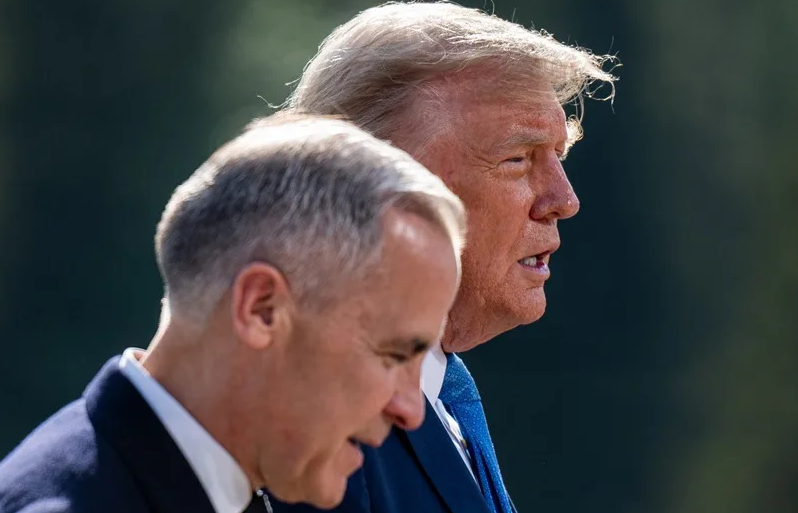
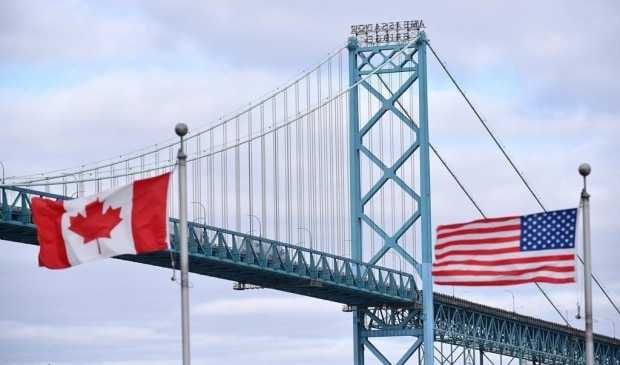
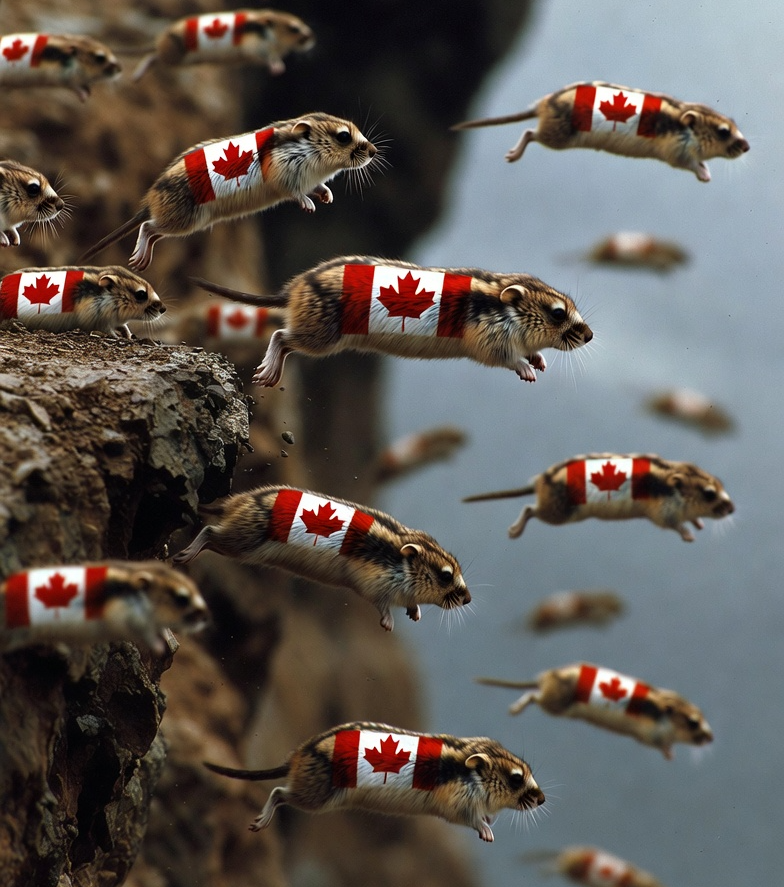
The ongoing tariff and counter-tariff war between the U.S. and Canada is better described as a taxation war, in which each country imposes regressive taxes on its own citizens that raises their cost of living.

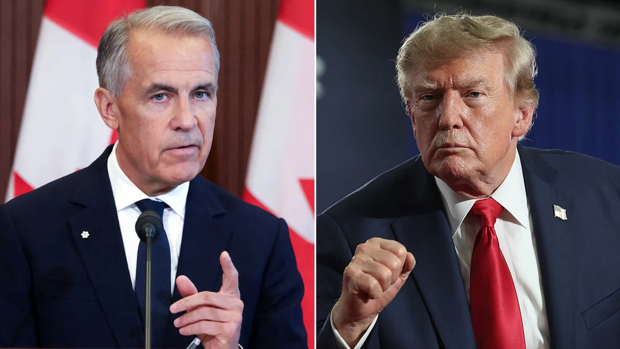
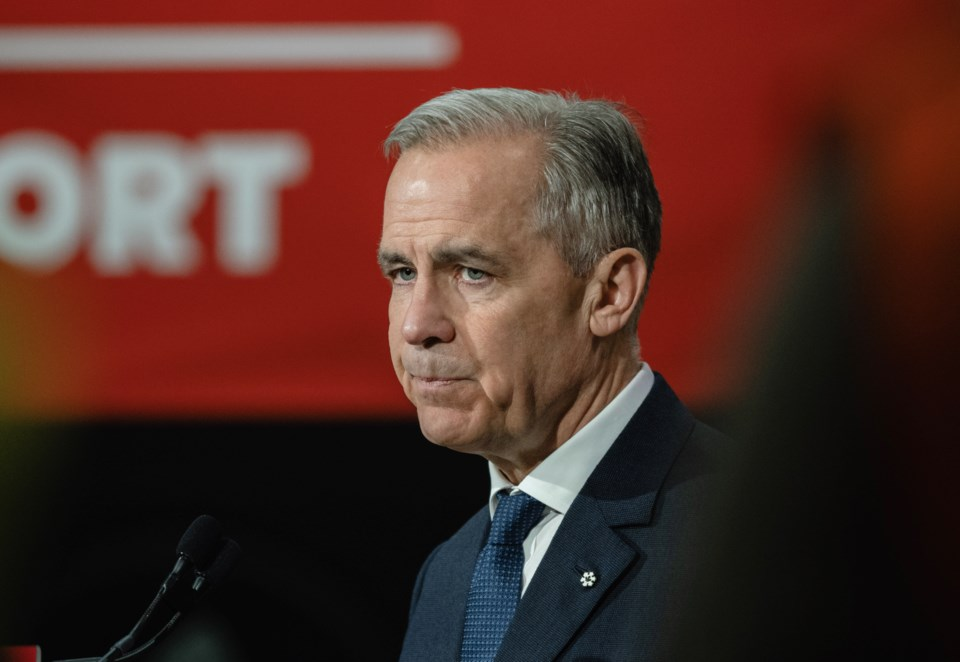
On Tuesday, Prime Minister Mark Carney will impose Canada’s latest round of counter-tariffs of between 15% and 50% on $28 billion worth of U.S. imports.

Share

The Elephant in the Canadian Room

The Elephant in the Canadian Room

At first glance, the current American-Canadian trade “war” is absurd. We are neighbors with a long history of close friendship, speak the same language (for the most part), and spring from the same British civilization.

Nearly one million Canadians reside in the United States.

Given the two countries’ natural affinities, Canadians are nearly indistinguishable from Americans.

Share

Geoff Russ: Conservatives have ceded love of Canada to Liberal vanity

Geoff Russ: Conservatives have ceded love of Canada to Liberal vanity

Conservatism in Canada is currently on a remarkable run, and a depressing one.

The best lines and policies it has pitched to voters are being appropriated and stolen by the Liberals, altered, and presented to the public as if Prime Minister Mark Carney himself had thought of them.

Share

Canada-U.S. Trade War: 41% of Canadians Now See the United States as an Enemy

Canada-U.S. Trade War: 41% of Canadians Now See the United States as an Enemy

Canada-U.S. trade tensions are increasingly shaping how Canadians view the United States, while the cost of living remains their top concern.

Our latest survey finds that 41% of Canadians now consider the United States an enemy country, up 15 points from June 2025. At the same time, 64% say their impression of the United States would change if Donald Trump were no longer president.

Leger Survey Canada US Trade War

Share

As Canada-U.S. relations sour, border towns of upstate New York fear damage will be permanent

As Canada-U.S. relations sour, border towns of upstate New York fear damage will be permanent

At his marina in Sackets Harbor, N.Y., on a cloudy Wednesday afternoon, Mayor Alex Morgia looks toward the water and paints a vivid picture of the beauty he often sees, even on an overcast day.

“Sometimes those are the best sunsets because the sun will peek through underneath and then you get all of the cascading colours on the underside of the clouds,” Morgia says, looking out over what has recently become North America’s most controversial lake.

Share

Canadians back turning down U.S. trade deal, most support counter-tariffs: Nanos survey

Canadians back turning down U.S. trade deal, most support counter-tariffs: Nanos survey

OTTAWA – Canadians overwhelmingly support the Carney government’s decision to reject a recent trade deal with the U.S., even amidst potential economic concerns, according to a new Nanos Research survey conducted for CTV News.

The survey also concluded support for Canada’s counter tariffs, set to be imposed on Sept. 8, is at an all-time high.

Share

DOJ staff were told to pause antitrust work with Canadian government

DOJ staff were told to pause antitrust work with Canadian government

The Justice Department’s antitrust division was instructed earlier this week to pause all work with the Canadian government, according to emails reviewed by The Wall Street Journal, the latest development in the escalating trade dispute between the two countries.

In a Wednesday email with the subject line “Pause on Canada,” Lynda Marshall, the chief of the antitrust division’s international section, ordered officials to stop all cooperation on cases and engagement on policy issues with Canadian authorities. She provided no reason for the directive but said she would “circle back if the guidance changes.”

Share

VU DUC: Geography trumps geopolitics — Canada cannot play Beijing off Washington

VU DUC: Geography trumps geopolitics — Canada cannot play Beijing off Washington

Prime Minister Mark Carney was right to walk away from the latest Canada–US trade talks. But he should not confuse resisting Washington with balancing Washington.

The collapse of negotiations, followed by Washington’s new 50% tariffs on roughly $28 billion of Canadian goods, marks a new rift in a relationship that will not simply return to pre-Trump normality. Carney says the United States (US) demanded too much and offered too little, including terms affecting Canadian culture, the auto sector, and Canada’s ability to negotiate future trade agreements.

Share

Jack Mintz: Wake up Canada! Trade diversification comes with a heavy economic cost

Jack Mintz: Wake up Canada! Trade diversification comes with a heavy economic cost

Almost four decades ago, the Mulroney government concluded the Canada-United States Free Trade Agreement with the aim to gain access to the much larger U.S. market. The Chrétien government followed in 1994 with the North American Free Trade Agreement that included Mexico, creating one of the largest trading blocs in the world.

Despite trade frictions from time to time, all three countries benefited from higher economic growth and more jobs by removing many trade barriers, thus enabling import competition to improve productivity. Undoubtedly, NAFTA meant Canada would become even more dependent on the U.S. for trade than it was in the past.

Share

Vincent Geloso: A century ago, Canada tried tariff retaliation. It did nothing

Vincent Geloso: A century ago, Canada tried tariff retaliation. It did nothing

In 1928, Warner Bros released Lights of New York — the first full-length feature film with audible dialogue. That same year, another drama was unfolding. Republican Herbert Hoover won the presidential election by promising higher tariffs on goods imported into the United States.

Nearly a century later, protectionism seems to be back on the screen. The actors have changed, but the script has not. In fact, for Canadians, it’s just a rerun of a bad movie with a clear lesson: counter-tariffs don’t do squat!

Share

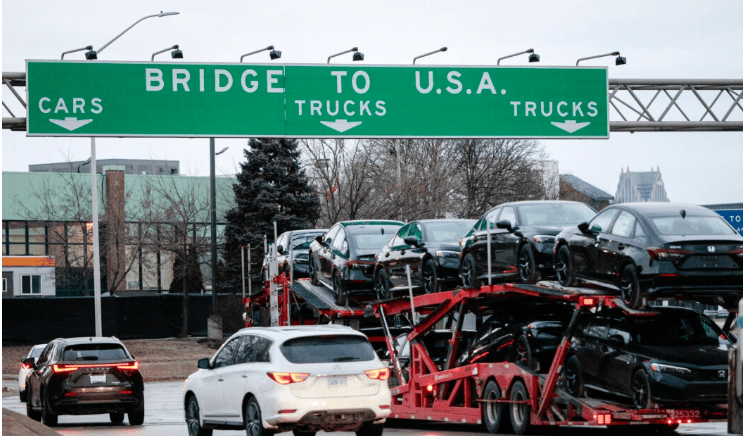
Randall Denley: It’s not worth a trade war to save Ontario’s foreign-owned car plants

Randall Denley: It’s not worth a trade war to save Ontario’s foreign-owned car plants

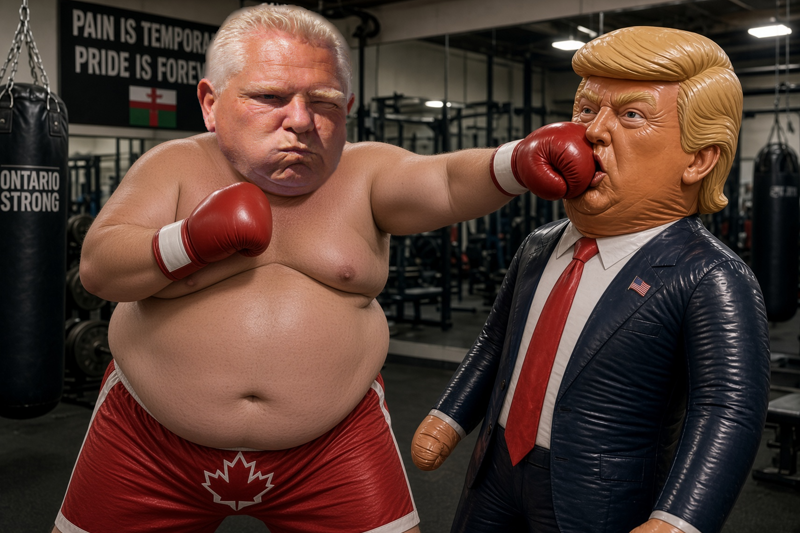
The future of Ontario’s auto sector has become a major sticking point in trade negotiations with the U.S. For Ontario Premier Doug Ford, auto parts and manufacturing must be preserved at all costs.

It’s easy to see why Ford, elected on a promise of job protection, would champion the highly visible auto sector, but is this the right battle to fight?


You mean Carney lied!

Share