
If you ever wanted to know what Canadian Special Forces personnel do on their "off time"… Now you know!
Senior JTF2 officer Pete Davidson, setting a fine example!@CanadianArmy pic.twitter.com/fKVXkqDJZe
— Dacey Media (@chrisdacey) June 12, 2023
If you ever wanted to know what Canadian Special Forces personnel do on their "off time"… Now you know!
Senior JTF2 officer Pete Davidson, setting a fine example!@CanadianArmy pic.twitter.com/fKVXkqDJZe
— Dacey Media (@chrisdacey) June 12, 2023
Fighting fires, shovelling heavy snowfall, delivering vaccines; it’s all become part of the mandate of the Canadian Armed Forces. But when does the combination of dwindling resources (both equipment and people), and a growing call on soldiers “as a force of last resort” to deal with extreme weather events, compromise the military’s preparedness as a combat-ready force?
 Canada’s continued reliance on foreign military procurement, as well as an inefficient doubling-up of purchasing authority, is hamstringing Canada’s ability to meet defence targets, says Parliament’s budget watchdog.
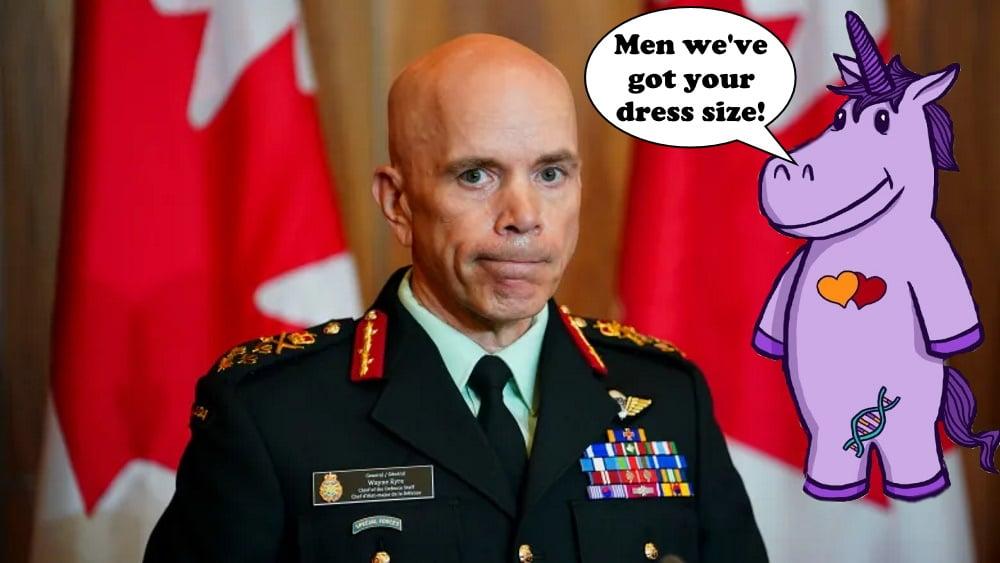
There’s a phrase soldiers use to describe equipment they’ve bought themselves to augment what the army gives them.
They call it Gucci gear, after the luxury fashion designer.
For Canadian troops deployed in Latvia, those private purchases have been decidedly more practical than luxurious — given the fact that they’re taking part in more live fire training exercises meant to deter Russia from setting foot in the Baltic country.
Lot’s of time to spend on Twitter to support sexual mutilation fetishists though.
A wind-swept pier at a naval port in Gdynia, Poland was the scene last December of an extraordinary display — one that Canada’s defence community looks upon today with envy.
Lined up track-to-track on the pier that day, their gun barrels elevated, were two-dozen Thunder K9-A1 self-propelled howitzers manufactured in South Korea. Nearby, 10 Black Panther K2 54-tonne main battle tanks were parked.
The armoured vehicles and big guns represented the vanguard of a $13 billion US blockbuster defence agreement between Warsaw and Seoul.
Over 12,700 members of the Canadian Armed Forces (CAF) will lose a military housing benefit they previously received once a modified version of the policy comes into force this July, according to recent federal figures.
… The Canadian military has recently been experiencing increased attrition and lower retention rates compared to previous years.
However, DND told The Epoch Times that it has not yet collected or seen any data suggesting the new housing differential policy is driving CAF members to file for release.
Maybe “Living as a homeless person” is a new part of CAF training.

The country’s military police watchdog has launched an investigation into how the case of a general accused of sexual assault was handled.
The Military Police Complaints Commission (MPCC) is undertaking what it calls a public interest investigation after receiving a complaint from Maj.-Gen. Dany Fortin.
Probably looked at a Tranny funny.
The Canadian Armed Forces are “poorly placed and inadequately prepared” to guard against misinformation and disinformation campaigns from both “homegrown” actors and foreign adversaries, according to a new report prepared for the military’s research branch.
Prepared for Defence Research and Development Canada, the report also found that the CAF has an “ad hoc” approach to countering disinformation and needs a broader strategic plan for “information operations.”
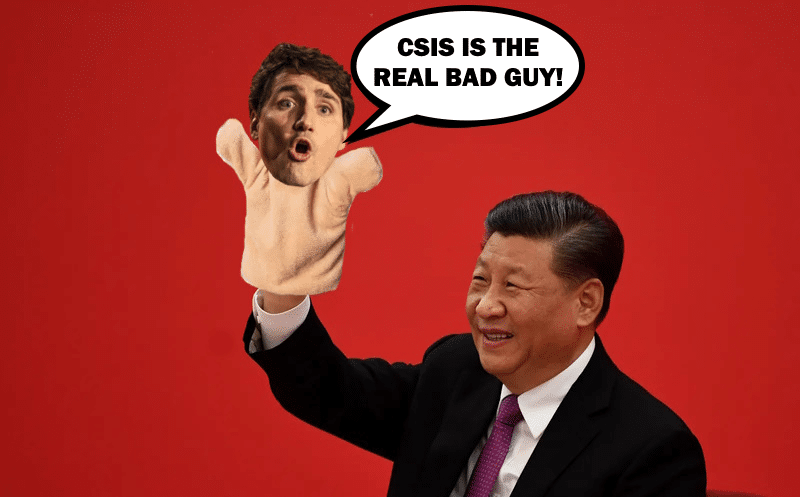
Canada’s spy agency is drawing up a list of parliamentarians for briefings on Chinese political interference and has already reached out to two opposition MPs, more than a week after Conservative MP Michael Chong was informed that he and family members in Hong Kong were targets of Beijing state intimidation.
The Canadian Security Intelligence Service has contacted former Conservative leader Erin O’Toole, who was a candidate for prime minister in the 2021 election, and Jenny Kwan, an NDP MP who has been an outspoken critic of China.
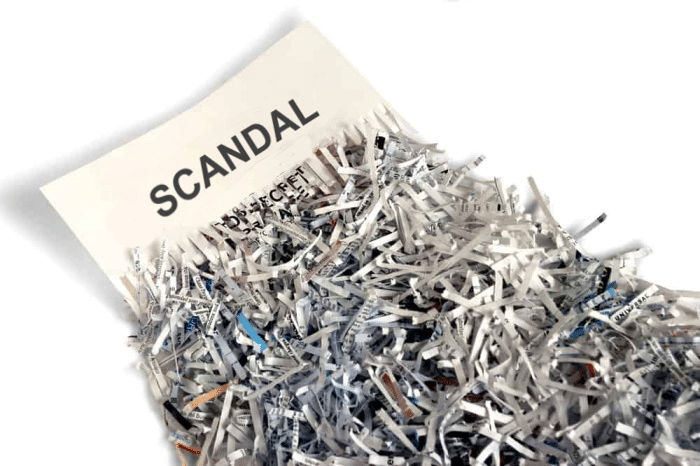
Documents related to a controversial military propaganda program designed to influence and change the behaviour of the Canadian public have disappeared.
The Canadian Forces spent $1.2 million on behaviour modification training used by the parent firm of Cambridge Analytica, the company that was the centre of a scandal in which personal data of Facebook users was provided to U.S. President Donald Trump’s political campaign.
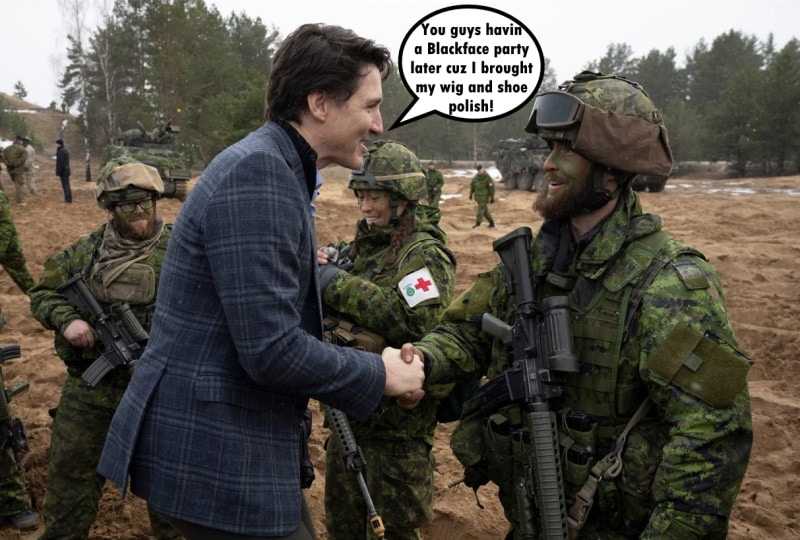
Most Canadians support increasing defence spending to reach the two per cent target for NATO allies, according to a national survey conducted by Nanos for CTV News.
In 2021, Canada spent around 1.4 per cent of its gross domestic product (GDP) on national defence, falling short NATO’s two per cent target. The country has not achieved this defence spending target since the 1980s.
But Justin told NATO Canadians would never approve increased military spending which is odd as the Liberals announce millions to billions in new expenditures every week, most of it commited without consulting Citizens.
Canadian Prime Minister Justin Trudeau privately told NATO officials that Canada will never meet NATO’s defense-spending target of 2 percent of GDP. While this made headlines in Canada and abroad, it surprised few in Canadian foreign policy and defense circles.
The war in Ukraine has raised new security concerns among America’s allies. For many in Western Europe and North America, U.S. military primacy allowed for a state of complacency and low military spending. As the United States and its allies assembled to support Ukraine, the demands of 21st-century warfare exposed weaknesses in military capacity for the United States and its key allies — in particular Canada.
Interesting article but it fails to properly address the recruiting crisis ignoring the woke poison that encourages discrimination against white males and the CAF’s bizarre obsession with the advancement of sexual mutilation festishists. Rejuvention? Ain’t gonna happen under the Lib-NDP regime.
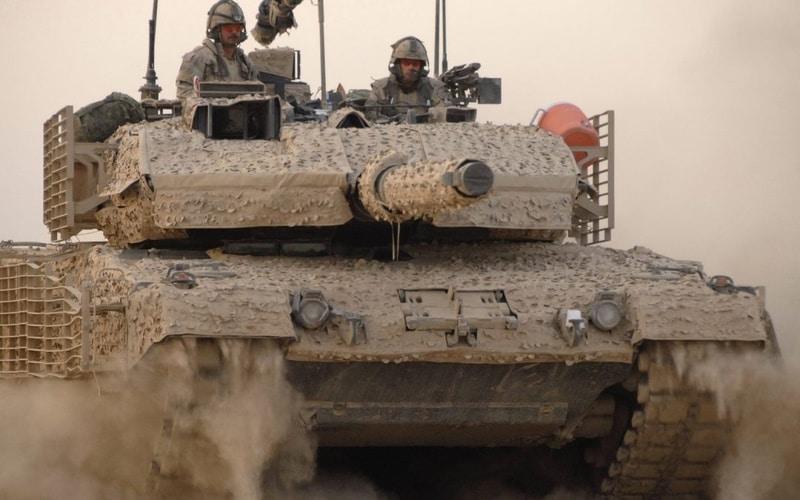
In 2003, the Canadian government made the controversial decision to remove from service all 66 of the Canadian army’s Leopard C2 tanks—local variants of the German-designed Leopard 1A5.
Three years later in September 2006, a Canadian force riding in wheeled light armored vehicles blundered into a Taliban ambush in Afghanistan’s Kandahar province.
Intersecting rocket- and gunfire laced the vehicles. Of the 50 Canadians in the fight, four were killed and at least 10 were wounded. The outgunned Canadians called in a NATO warplane, but the crew accidentally dropped a thousand-pound bomb practically on top of the same troops it was supposed to be saving.
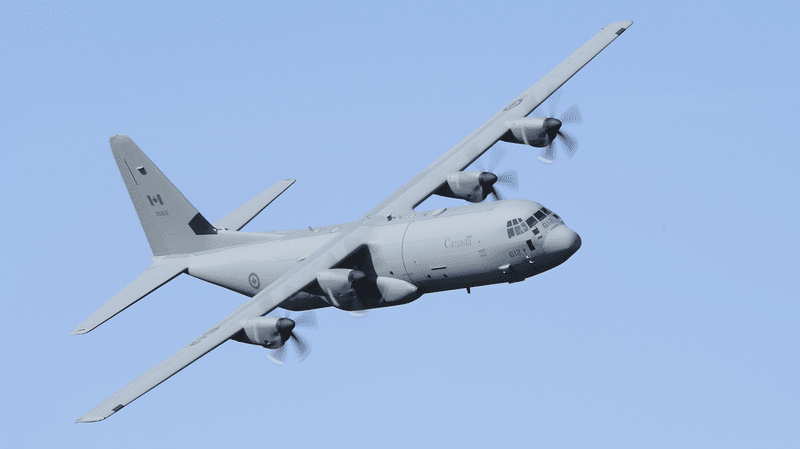
… The frantic evacuation of Canadian citizens from Sudan brings to mind the Lebanon strife of 2006. At that time, 15,000 Canadians were rescued from Beirut and Tyre during Hezbollah’s conflict with Israel. It was later reported later that 7,000 of that number had returned to Lebanon within a month of being evacuated. It’s estimated the cost of that exercise was $85 million.
Canada’s top soldier received a memo from his advisory body in August 2021 telling him that imposing a vaccination mandate under threat of discipline would “not constitute informed consent.”
“Medical ethical restrictions prevent CAF [Canadian Armed Forces] Health Services personnel from administering vaccines without the informed consent of the recipients. Coercion of CAF members to accept vaccination under threat of military discipline would not constitute informed consent,” the memo reads.
