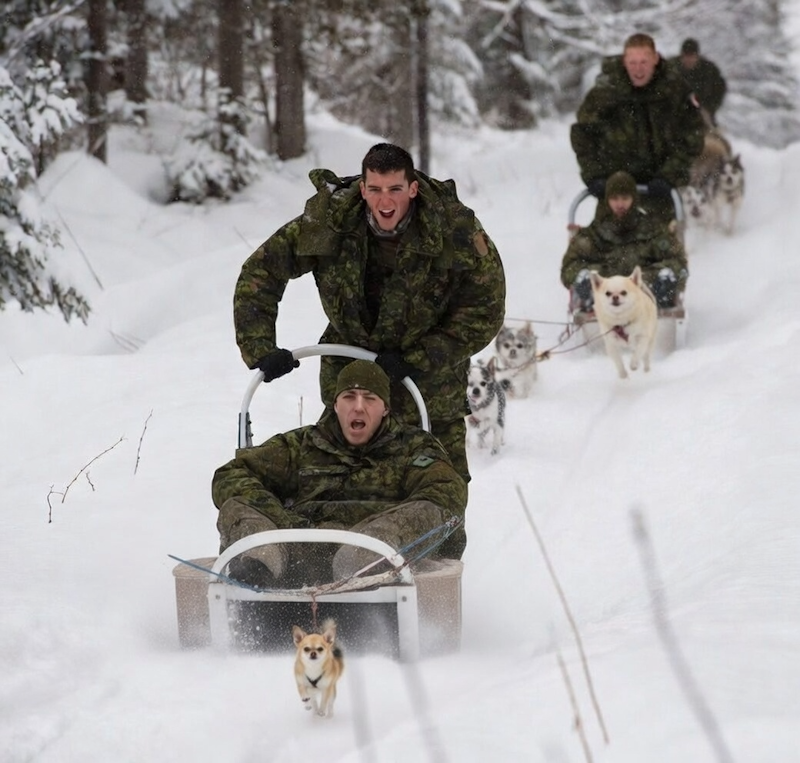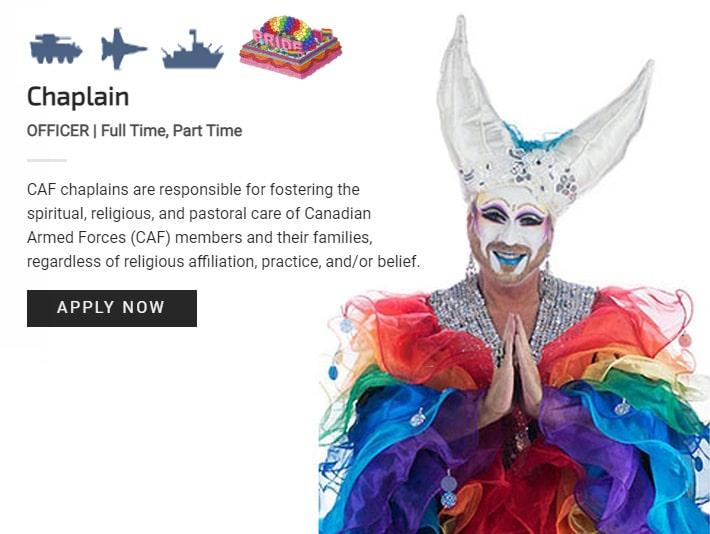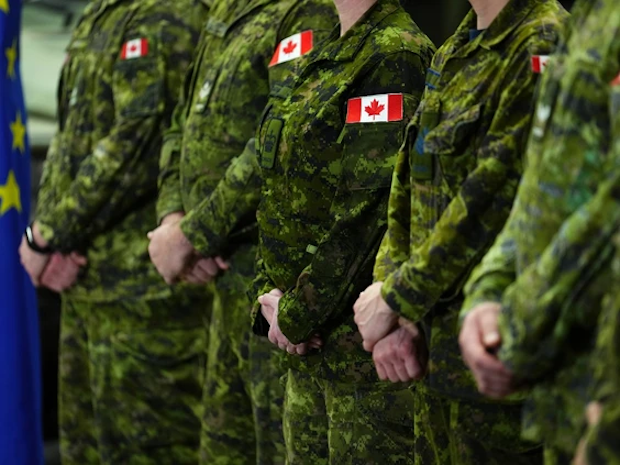
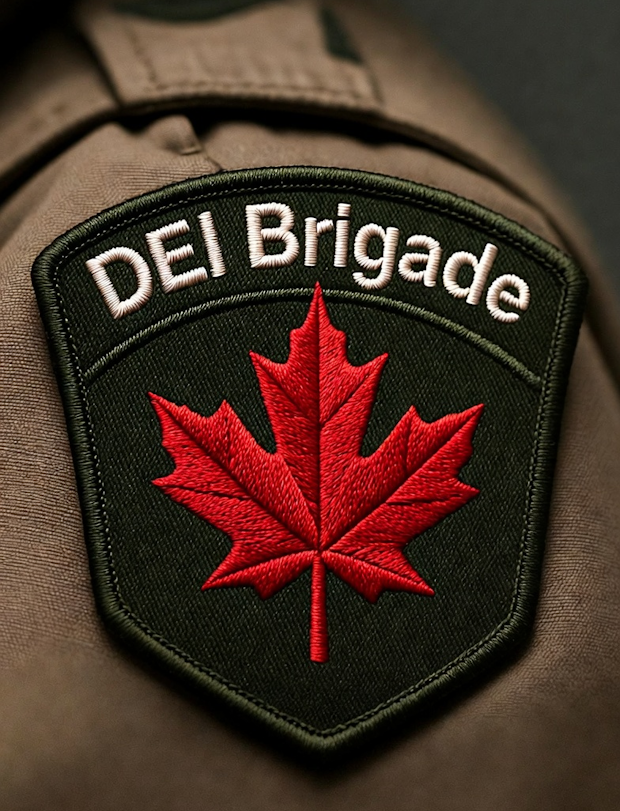
The Canadian Armed Forces has long reflected the very best of our country. Courage. Duty. Service before self. It has also recognized another enduring truth: many who volunteer to defend Canada draw strength from faith. For more than 150 years, military chaplains have stood alongside Canadian soldiers, sailors, and aviators in times of war and peace, offering prayers rooted in their respective faith traditions. That tradition has never divided our Armed Forces. It has strengthened them.
“CAF – Canadian Armed Forces”
Canada cuts its UN peacekeeping forces as it tilts to Europe and Indo-Pacific
Ottawa’s decision to slash its troop contribution to United Nations missions is sparking concern that the cuts will undermine Canada’s new Africa strategy and jeopardize its longstanding peacekeeping traditions.
By the middle of next year, the Department of National Defence says, Canada will withdraw its peacekeepers from UN missions in Congo, South Sudan, Kosovo and Cyprus and sharply reduce its role in a multinational mission in the Sinai.
What are they gonna do send them to Euro-Disney as security guards?
Banning Christian Prayer at Official Military Events While Allowing Indigenous Practices Is a Double Standard, Chaplains Say
Two active-duty Canadian military chaplains are questioning why Christian prayer and other faith practices are banned during addresses by military personnel at official ceremonies while indigenous spiritual practices are exempted, saying it amounts to a double standard.
“I do not understand why First Nations are exempt from this policy. This is obviously a double standard,” said one chaplain who asked to remain anonymous because he is currently serving.
“Some faith traditions are apparently more equal than others.”
Lurkers in the deep: How Canada’s new submarines will be used in peace and potential war
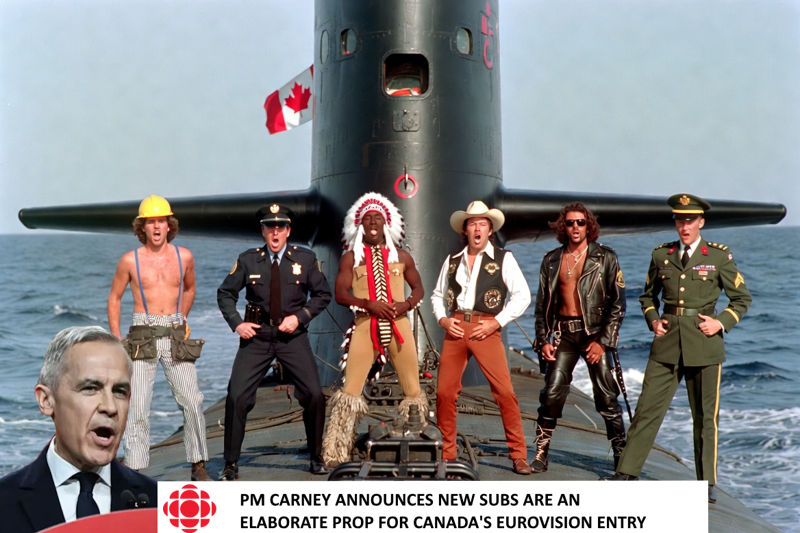
“Canada’s next submarine fleet will secure our coastlines and waters,” Prime Minister Mark Carney said early last month in announcing the choice of Germany’s ThyssenKrupp Marine Systems as the preferred bidder for the country’s new underwater fleet.
Patrolling Canada’s three coasts will be part of the job for the fleet of up to a dozen state-of-the-art diesel-electric 212CD submarines, says retired vice-admiral Darren Hawco, who commanded Canada’s Atlantic Fleet and served as the nation’s military representative to NATO until 2020.
I’ll believe it when I see it. We’ll get 3 subs if we’re lucky.
Canadian Military Expands Prayer Ban in Official Settings With New Directive Applying to All Personnel
The Canadian Armed Forces has issued new rules that expand restrictions on faith-specific language and practices during official military ceremonies and public events, including references to God.
The new directive, released on July 29, applies to all Canadian Armed Forces (CAF) members, Department of National Defence (DND) employees, contractors, and volunteers engaged in offering “spiritual or religious services” for the CAF, expanding application of previous instructions that only specified chaplains. The new directive also offers further specific details on what the prohibition entails.
Canada, debt-ridden and stretched, faces an uphill task of 5% defence spending
A rear-view glance to this month’s NATO summit should prompt a look to the future, asking how Canada plans to achieve its commitment to spend 5 per cent of GDP on defence by 2035. For Canada to meet the NATO pledge, it will have to make difficult choices on taxes, spending and borrowing. Making these choices requires a credible fiscal plan – and it needs to come in the fall budget.
Canada joining international program to build next generation of fighter jets
Defence Minister David McGuinty is expected to announce next week in the United Kingdom that Canada will play a role in an international program to build the next generation of stealth fighter jets, CBC News has learned.
Canada has reached a deal to join the Global Combat Air Program as an “observer,” Canadian government sources said.
The U.K., Japan and Italy are all partners in the multibillion-dollar program to develop and build the sixth-generation fighter jet by 2035.
Lots of money to fall into the wallets of the connected.
Canada to buy nearly $2-billion in armoured vehicles from U.S. defence contractor
The federal government has picked the local subsidiary of a U.S. defence contractor as Ottawa’s first “strategic partner” to build capabilities for the country’s growing military, Prime Minister Mark Carney announced Thursday.
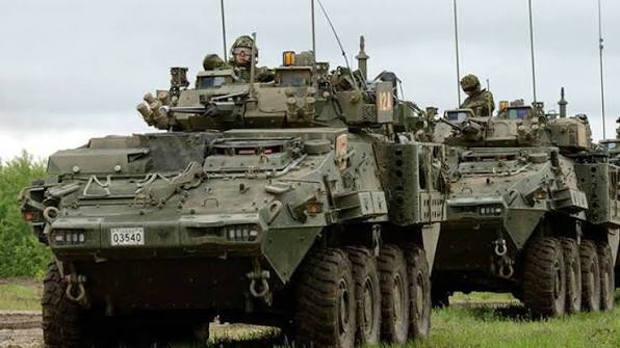
As part of this, Canada will pay General Dynamics Land Systems-Canada nearly $2-billion over four years to build 190 more armoured combat support vehicles, expanding the Canadian Army’s fleet of armoured vehicles to 550 from 360, Mr. Carney said at the company’s plant in London, Ont.
Many unhappy elbows at the dinner table tonight.
Canada is spending billions of dollars on new submarines — so what are they actually for?
A little over two years ago, the federal government announced it would be “exploring options” for the purchase of a new submarine fleet. Last week, Prime Minister Mark Carney announced the winning bid, for up to 12 diesel-electric submarines. He did so in advance of a visit to Ankara for the NATO leaders’ summit, where the deal between Canada and the German-Norwegian consortium TKMS was exhibit A in demonstrating our commitment to increased defence spending, a contentious issue for the Trump administration.
NATO Summit: Canada Must Now Deliver
Canada leaves this week’s NATO Summit in Ankara with good reason for cautious optimism. After years of debating defence budgets and delayed procurements, the Alliance has reached an important turning point. The discussion is no longer about promises. It is about military capability. That is precisely where Canada’s focus must remain.
For years, NATO measured commitment by the percentage of GDP devoted to defence. That benchmark still matters, but it is no longer sufficient. The true measure of national security is whether those dollars produce soldiers, ships, submarines, aircraft, armoured vehicles and ammunition that can fight. Capability deters aggression. Announcements do not.
Canada’s going to need to use its aging secondhand British subs for another decade
Canada will have to squeeze at least another decade of life out of its used British submarines as it waits for Germany to deliver up to 12 new vessels. But not everyone’s convinced that can be done.
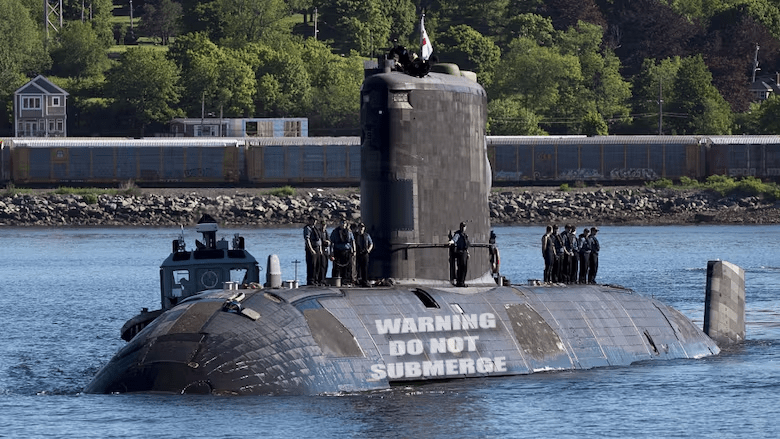
The four diesel-electric subs the Royal Canadian Navy acquired from Britain in the late 1990s have been plagued with disasters, including floods, a deadly fire and a grounding that took the only operational sub we have right now out of action for a decade.
Guns and butter: The true cost of Canada’s military spending is yet to be tallied
Canada will never be a military powerhouse. But it is making up for lost time during the post-Cold War years, when spending on fighting machines sank to risible levels. As various MPs have stated, Canada had planes that wouldn’t go up and submarines that wouldn’t go down, and still does for the most part. Today, only one of Canada’s four rust-bucket submarines is in service and its CF-18 fighter jets are twice the age of some of its pilots.
Canada’s next defence fight won’t be over spending. It’ll be over trust
If there’s one catchphrase to sum up the dilemma facing Canada and other allies post-NATO summit, it might very well be: Show me the money.
It may be cliché. It may be somewhat worn out — after all, it’s a pop reference to the 1996 movie Jerry Maguire. But it probably best captures a stirring public sentiment.
Britain found out the hard way recently that being able to account for an avalanche of money going to defence and security is a live, visceral political and policy issue that is capable of causing damage and casualties.
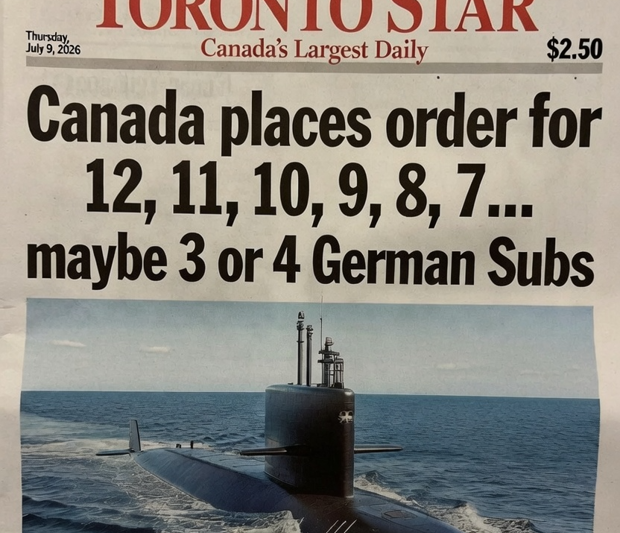
Number of new submarines still undecided as Canada begins talks with German builder
OTTAWA — Canada might not buy a full slate of 12 submarines through its new partnership with Germany and Norway because of factors like advancing technology in autonomous underwater machines, says the government’s secretary of state for defence procurement.
In an interview with the Star on Wednesday, Stephen Fuhr said the government has not settled on how many 212CD submarines it will ultimately buy as negotiations begin on the purchase of “up to” 12 of the modern diesel-electric craft from German-based shipbuilder TKMS.
Why is Canada spending tens of billions on new submarines?
Canada is looking to spend tens of billions of dollars on a contract with German shipbuilder ThyssenKrupp Marine Systems (TKMS) to replace Canada’s aging fleet of submarines with up to a dozen new vessels.
Prime Minister Mark Carney called it the biggest defence procurement project in Canada’s history.
Here’s why the purchase could stack up to a major price tag of $100 billion or more over the lifetime of the deal.
A lot of money sloshing around, some of it will land near to Carney’s feet.