
When is online content harmful? Experts aren’t sure and that spells trouble for Ottawa

OTTAWA—The advisory panel tasked with making recommendations for Canada’s pending legislation on online safety has failed to come to an agreement on how online harms should be defined, and whether dangerous content should be scrubbed from the internet altogether.

On Friday, the federal government published the findings from the expert panel’s tenth and final session, which summed up three months of deliberations over what a future legislative and regulatory framework might look like.

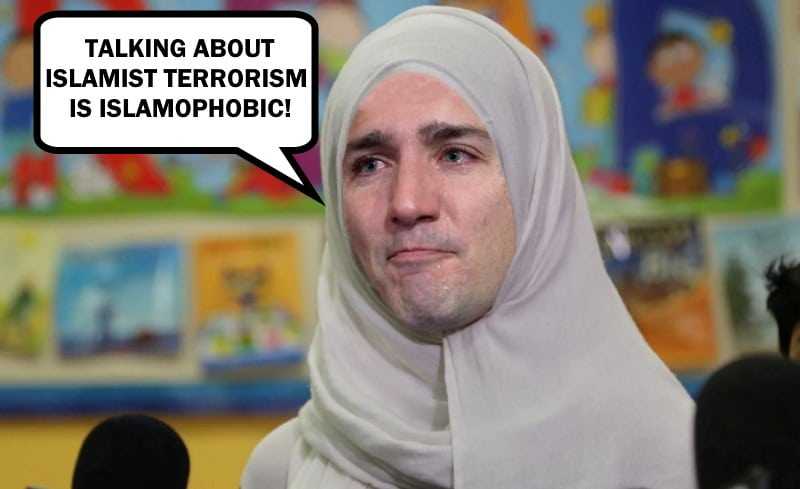
… Most of the panel found that child exploitation and terrorist content should be handled in “an unambiguous manner by future legislation.” Others deemed the five categories “deeply problematic,” in one instance, taking issue with definitions of terrorism for focusing on “Islamic terror” and omitting other forms.


Share

Monkeypox, Covid and the trouble with our species

There is already a familiar culture war over the origins of this apparently species-leaping virus

I hate to be one of those columnists who says “I told you so.” But I told you so. Looking back this week through the vast underground vaults at Spectator HQ I see that centuries ago in April 2020 I explained the problem with us humans as a species. As I said back then, someone always shags a monkey. There are almost eight billion of us on this planet today, and the likelihood that we’re all going to make judicious decisions all the time is vanishingly small. The mating decisions of the species alone are notoriously prone to trial and error. And the entire future of our species rides perpetually along this cliff edge.

Share

Global Affairs expert floats “Russia anti-vaxxer troll farm” scare story to justify Trudeau regime internet censorship – media dutifully laps it up

Russian troll farms aiming disinformation war at Canadian anti-vaxxers: Global Affairs expert

Russian-sponsored disinformation is trying to exploit one of Canada’s most divisive issues to shape opinions here about its invasion of Ukraine, says a top Global Affairs Canada expert on the topic.

Using troll farms that post on Facebook and other social media sites, the campaigns often target the minority of Canadians opposed to COVID-19 vaccines and vaccine mandates, and others deeply distrustful of government, said Philippe-André Rodriguez, deputy director of the department’s Centre for International Digital Policy.

Here’s the kicker… Rodriguez also said Russian disinformation is being amplified by social media sites’ algorithms, which may require some kind of government intervention to counter.

This is the same government that had its CBC propaganda mouthpiece lie about “foreign” donations to the Trucker Convoy to justify seizing their donated funds.

Share

Immigration Fraud: Growing number of ‘Somalis’ who may not be Somalis face possible deportation over false documents, enablers say

Kaif Ali is only 23, but she’s spent the last five years putting her life back together — starting with escaping war in Somalia, to putting her faith in a smuggler to find safety, to landing in Canada and learning English, studying nursing and becoming a front-line health-care worker.

Now the life she’s built could soon fall apart — again.

That’s because the Canadian government now claims Ali is not, in fact, Somali. And she’s not alone.

Share

The Left Is Weaponizing ‘Misinformation’ to Silence Dissent

It’s a Newsweek article!

Just as you thought the 2020s couldn’t get any more dystopian, we are now witnessing the enthusiastic embrace of corporate censorship by the Left in the name of combatting the nebulous scourge of “misinformation.” Joe Rogan, the most popular podcaster in the English language, has found himself at the center of a firestorm of progressive ire, from scientists to celebrities to rock legends to White House spokespersons acting in their official capacity, all for the crime of allegedly spreading dangerous misinformation and endangering public health.

Share