The Fort Saskatchewan Community Hospital’s Women’s Health Program has temporarily suspended labour and delivery services because of “staffing challenges.”

The Fort Saskatchewan Community Hospital’s Women’s Health Program has temporarily suspended labour and delivery services because of “staffing challenges.”

In January 2001, an open letter appeared on the front page of the National Post. It was addressed to Ralph Klein, and urged the then-Alberta premier, just months after Jean Chrétien won his third federal Liberal majority, to “build firewalls around Alberta,” to protect against “an increasingly hostile government in Ottawa.”

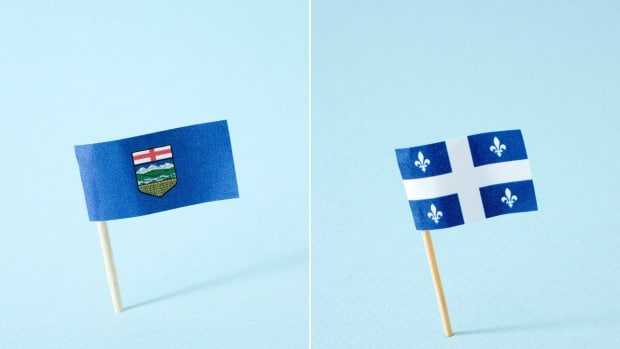
As a public service I have herein drawn up a concise — some might even say terse — table of the most explicit contrasts between Alberta and Quebec.
There is nothing new here, but as an aid to easy reference and quick digestion it is my hope it will prove of some utility.
All the rest of Canada you mean.

While having no long-term data on the safety of COVID-19 vaccines, and already a fairly good amount of evidence that the vaccine, despite coming with only small risks, still is more likely to harm a child than COVID-19, or its variants, ever was.

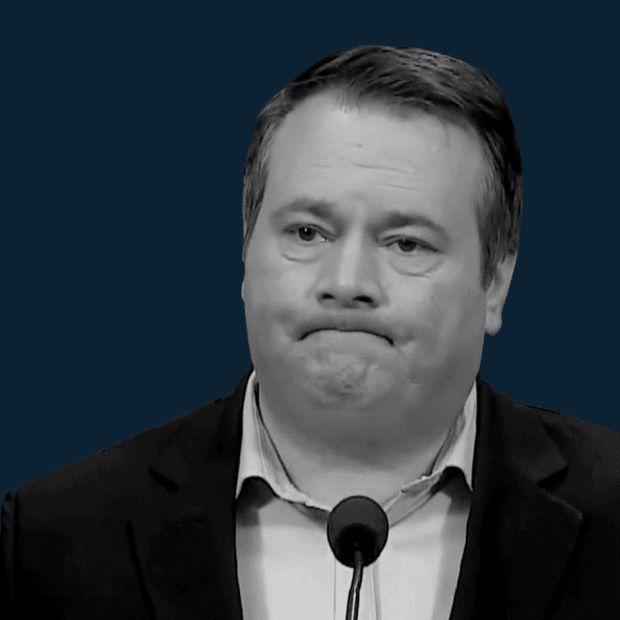
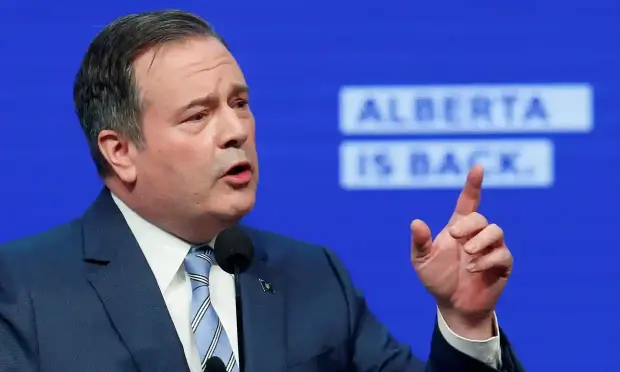
According to the Justice Centre For Constitutional Freedoms, Alberta Premier Jason Kenney has passed Bill 10, titled the Alberta Public Health(Emergency Powers) Amendment Act.
Incredibly, the bill provides unprecedented powers to any government minister at the stroke of a pen. The passing of the bill means that under the Alberta Public Health Act, MLA’s can create, implement and enforce news laws–without the law being approved by the Legislative Assembly of Alberta.

With the prime minister’s declaration in Glasgow last week that the screws will be tightened on oil and gas emissions to achieve net zero by 2050, it is not far-fetched to suppose that Alberta could eventually become a “have-not” province. Even with good news, such as Amazon’s $4-billion investment in a Calgary hub, a declining oil and gas sector will erode Alberta’s growth.

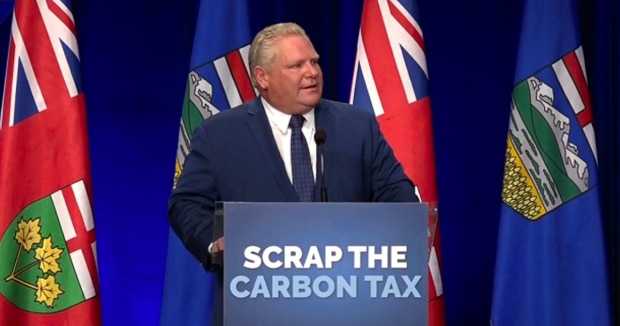
Stephen Harper is criticizing Prime Minister Justin Trudeau’s climate-change policy for unfairly singling out “certain parts of the country,” as the Liberal government proceeds with a hard cap on oil-and-gas emissions that are expected to particularly affect provinces such as Alberta and Saskatchewan.

The commissioner of a widely criticized Alberta public inquiry into the funding of environmentalists says his report should be a wake-up call for the province’s government and oil sector that they are losing the public-relations fight over resource development.
In 2019, the Alberta government appointed Steve Allan, a forensic accountant, to investigate the role of foreign money in opposing the oil sector. His final report was released in October. The inquiry was a key election promise from United Conservative Premier Jason Kenney, who has contended that the province has been the victim of a foreign-funded campaign to block fossil fuel projects

The energy wealth of Alberta has made possible the construction of countless schools, hospitals, roads, and much more across our nation. Why is that being ignored?

The general perception of the recent referendum on equalization is that it was all about Alberta and its resentment over contributing more to the program than it receives in return. But what it was really about was Quebec.

Trudeau boasted, “Just as globally we’ve agreed to a minimum corporate tax, we must work together to ensure it is no longer free to pollute anywhere in the world. That means establishing a shared minimum standard for pricing pollution. Of course, what’s even better than pricing emissions is ensuring that they don’t happen in the first place, which brings me to my next major commitment: We’ll cap oil and gas sector emissions today and ensure they decrease tomorrow at a pace and scale needed to reach net-zero by 2050. That’s no small task for a major oil- and gas-producing country. It’s a big step that’s absolutely necessary.”

Groups across Alberta are cautioning the province against ditching the RCMP and creating its own police force.

David Dickson, a retired Liverpool police officer and owner of a cybersecurity firm who has been instrumental in gathering government data to show deep flaws in Alberta government and AHS practices, has been hearing reports from within Villa Caritas care home in Edmonton which he shared with TNT.
Dickson said that:
“Last week I was informed through the health care workers group I support, that a senior staff member at Villa Caritas Care Home in Edmonton stated that they would “Slow Code” any person who was unvaccinated. This statement was made to another health care worker in an area that was monitored by a camera.”
Dickson then went on to explain what a “Slow Code” is and why it is fully irresponsible to subject unvaccinated care home patients to that standard of care.
h/t Marvin
The tables at Karen’s Homestyle Cooking in downtown Peace River, Alta., sit empty.
Owner Karen Greaves would rather turn diners away than participate in Alberta’s vaccine passport program.
“I’m just totally done with it. From Day 1, I was done with it,” Greaves said Thursday.
“This is not about health and safety, it’s about control.”

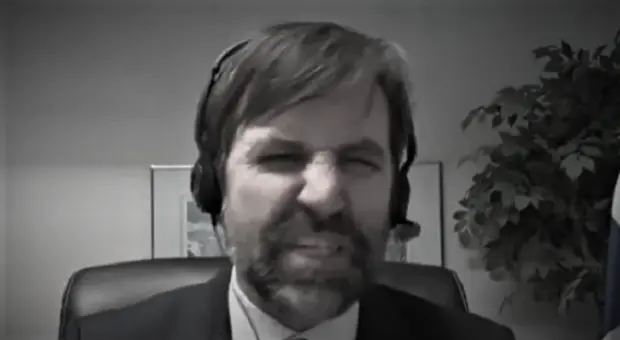
Newly minted Environment Minister Steven Guilbeault says his agenda to combat climate change and bring down emissions from Alberta’s oilsands is not a secret.
Alberta Premier Jason Kenney has said Guilbeault’s appointment Tuesday to the environment portfolio sends a “problematic message” to his province about Ottawa’s plans for the oil and gas sector.
Guilbeault is a former environmental activist from Quebec who has called the oilsands “dirty” and argued that pipelines and oil and gas expansion are not compatible with meeting Canada’s climate goals.