D-DAY

Veterans and world leaders commemorate 80th anniversary of D-Day landings

From PA Cat

Share

‘It’s the invasion! It’s D-Day! At last!’

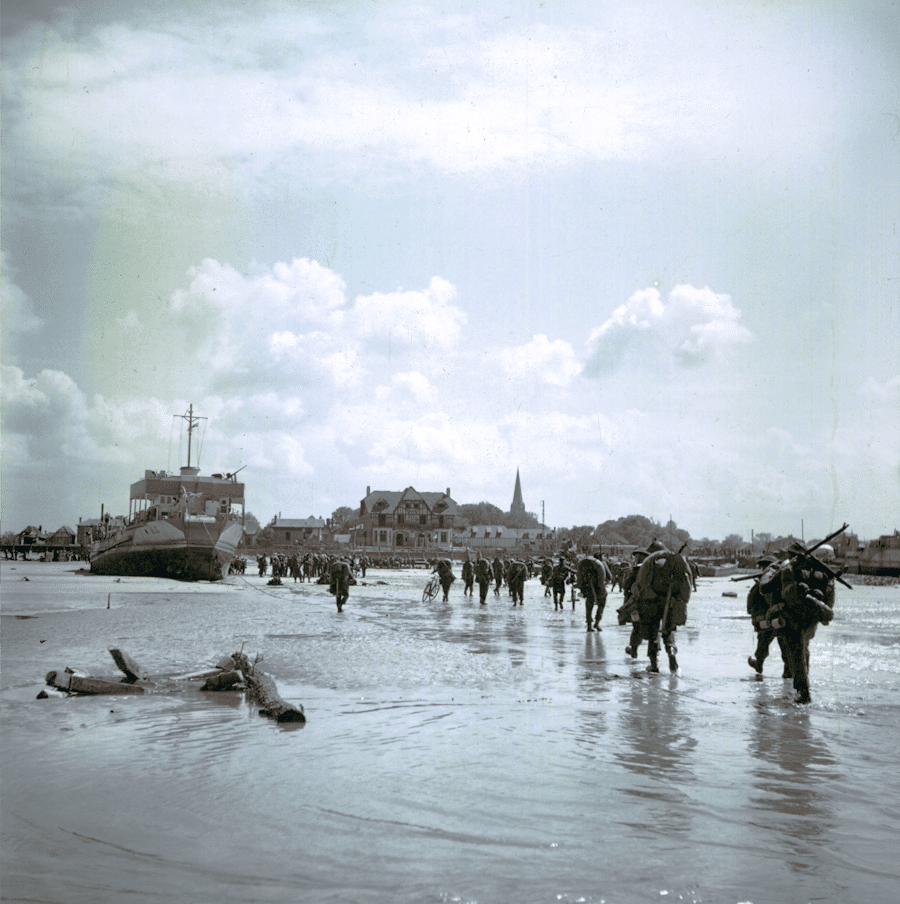
Juno Beach

Eighteen Halifax heavy bombers left their base in Yorkshire about two hours after midnight, on their way to hit a German coastal gun battery in Normandy. No. 433 Squadron, Royal Canadian Air Force, had struck targets in Nazi-occupied France before. But this time, as they reached the English Channel, they realized they were on a very different mission.


It was the 1960’s.

Dad and 4 or 5 war buddies would get together for a mighty drunk at least once a year.

I remember one summer day being jammed into the back seat of a vehicle with 4 of my siblings.

Dad was in the front seat helping his buddy Vic to drive.

Seat belts weren’t even an after thought.

It was a booze run to the local plaza and the promise of treats for us kids.

We  bounced off the curbs as we weaved our way there and back.

I recall being embarrassed about the poor driving and not at all concerned about safety.

I got a bag of chips, a 10 cent one, and I think a Pepsi.

It was the 1960’s.

Share

HUNTER: Canada used to hang traitors, not run cover for them

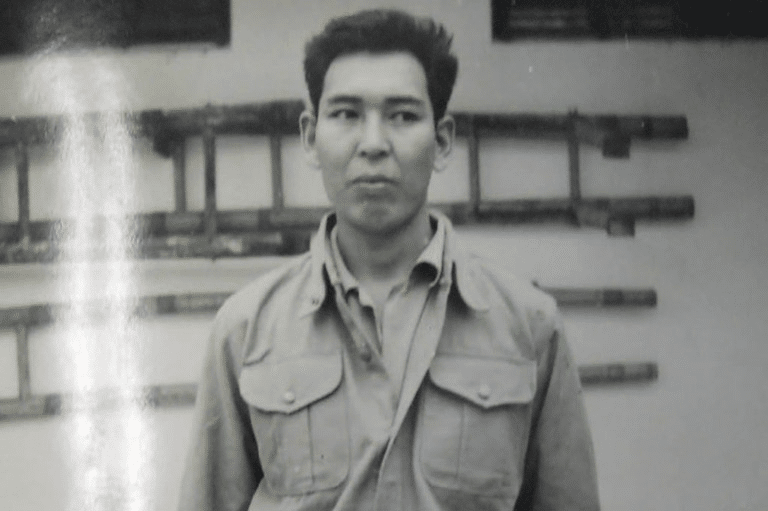
Kanao Inouye the Kamloops Kid – Inouye tortured Grenadier Jim Murray by tying him to a pole, taping his mouth shut, and shoving burning cigarettes into his nose. On December 21, 1942, he slapped and kicked Captain J.A. Norris and Major F. T. Atkinson when they did not appear quickly enough for a roll call. He told his former countrymen that all Canadians would soon be slaves and “Your wives and sisters will be raped by our soldiers and anyone resisting will be shot.”

Once upon a time, we weren’t wimps.

If you did this country wrong — betrayed Canada or your fellow citizens in any way — you could very well find yourself swinging at the end of a rope.

Share

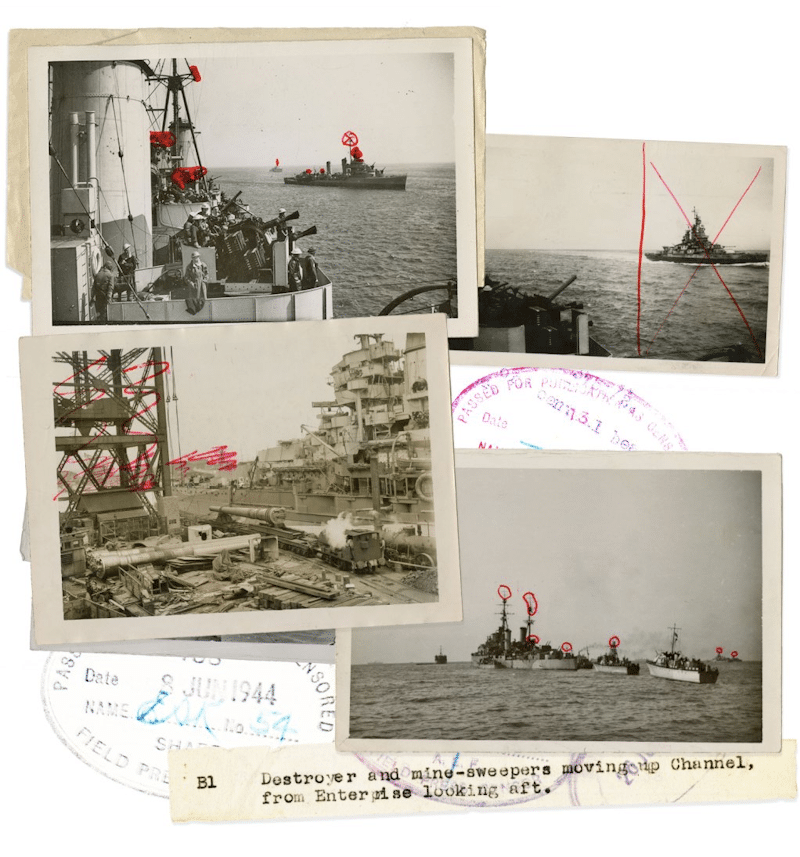
Seen for the first time, the D-Day pictures blocked by censors

The Times had many journalists and photographers on the ground during the 1944 invasion of Normandy. They were assigned to file stories from the war zone to appease the editor but they had to abide by strict censorship rules.

The Allied Expeditionary Force employed officials known as field press censors, who reviewed journalists’ work in situ before it was transmitted back to the newsroom. After approval, journalists took their images and stories to transmission services, which were not usually located near the censors’ base.

Share

Canadian D-day veteran dies day before returning to France for commemoration

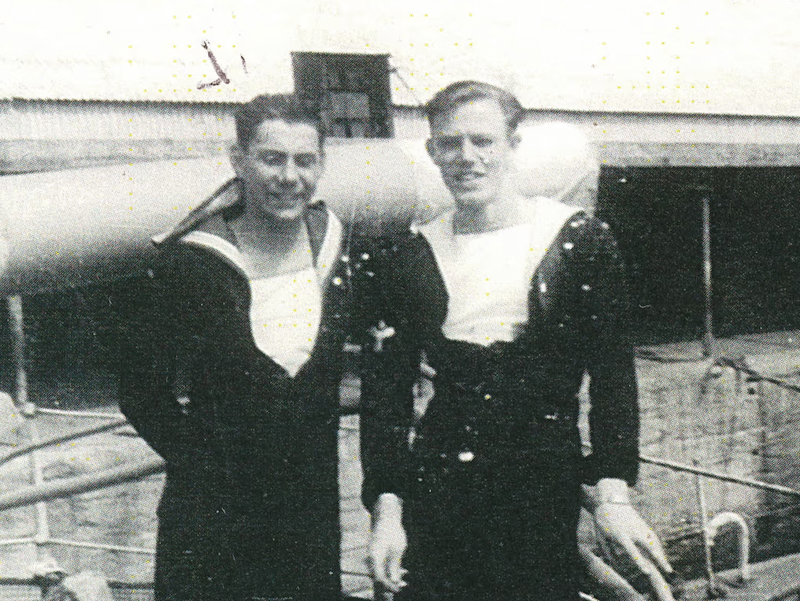
William ‘Bill’ Cameron, left, onboard the HMCS Kitchener

A 100-year old Canadian second world war veteran has died one day before he was to return to France for the 80th anniversary of D-day and the Battle of Normandy.

William Cameron’s death on Sunday was announced on Twitter by Canada’s veterans affairs ministry. He had been scheduled to fly to France as part of a Canadian delegation attending ceremonies this week.

“We are saddened by the passing of SWW Veteran, William ‘Bill’ Cameron,” said the post. “Rest easy, Mr Cameron.”

Share

Canadian pilot Richard Rohmer, 100, recalls D-Day invasion: ‘This is what we’d been hoping for’

From an airfield west of London, Richard Rohmer flew southwards out over the English Channel on the morning of June 6, 1944. Off to his left, the sun was rising over occupied France, and he was going to take pictures for Allied intelligence to guide the invasion. The joystick in his single-engine Mustang fighter plane had a button to control a camera, as well as the guns. He was flying as the second in a formation of two, but here in the cockpit, he was alone, watching a turning point in modern history and feeling confident in its outcome.

Share

The B-17 blew apart in an instant. The memory has burned for 80 years.

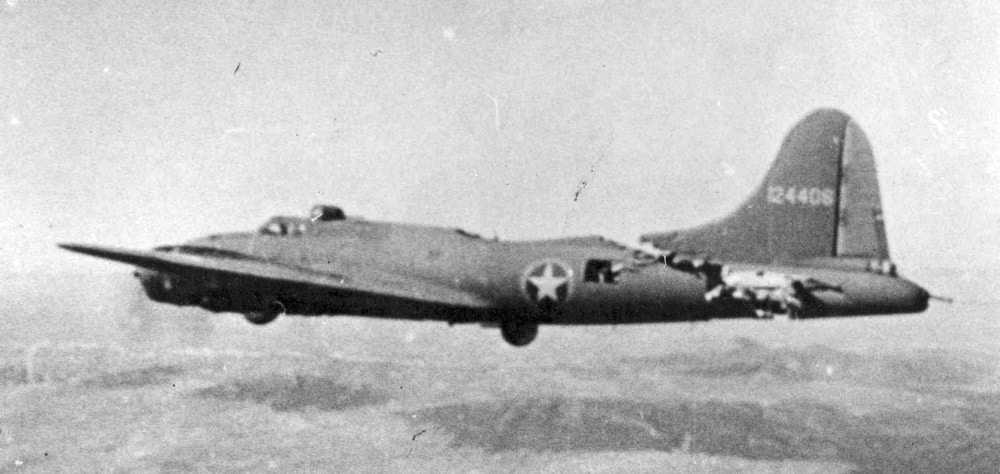
Mel Jenner had one of those World War II jobs that no one really tries out for. Waist gunner in a B-17 bomber was what you’d get if you didn’t draw the straw to be pilot or navigator. You had to man a machine gun in front of an open window space at an altitude of four to five miles, the swirling frigid air tough to bear even in a sheepskin jacket and other cold-weather gear. Handling that 50-caliber machine gun took strength and agility, and following an attacking enemy fighter with it, leading them just enough to account for the movement of both airplanes, was a very particular talent.

Share

The truth about D-Day, 80 years on

Troops were fighting for democracy at home as well as abroad.

Shortly after midnight on 6 June 1944, Operation Neptune, otherwise known as D-Day, began.

Thousands upon thousands of planes and ships bombed and shelled Nazi defences in Normandy. The Allies then sent in 23,000 men in three airborne divisions and mounted, with 4,000 landing craft, what remains the world’s largest ever amphibious assault: five divisions, attacking five separate beaches.

Share

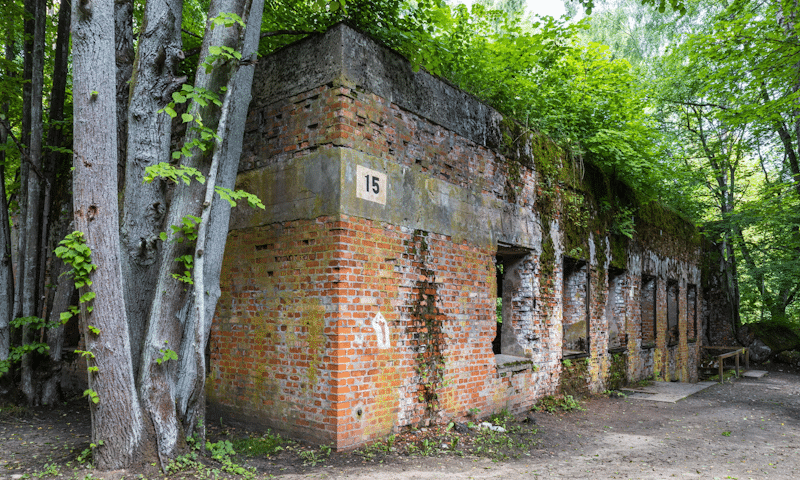
Five skeletons found under Wolf’s Lair home of Hermann Göring in Poland

Amateur archaeologists have unearthed five human skeletons missing their hands and feet under the former home of the Nazi war criminal Hermann Göring at Hitler’s Wolf’s Lair military headquarters in present-day Poland.

The remains, believed to be that of a family, were discovered as part of a dig at the site near the north-eastern town of Kętrzyn, where Nazi leaders spent large stretches of the second world war.

Mystery surrounds the chilling find, first reported by Der Spiegel, including the identity of the victims, the circumstances of their burial, and whether the Reichsmarschall knew the bones were there while he lived in the house.

Share

Were the Great Escape prisoners ‘betrayed by their own side’?

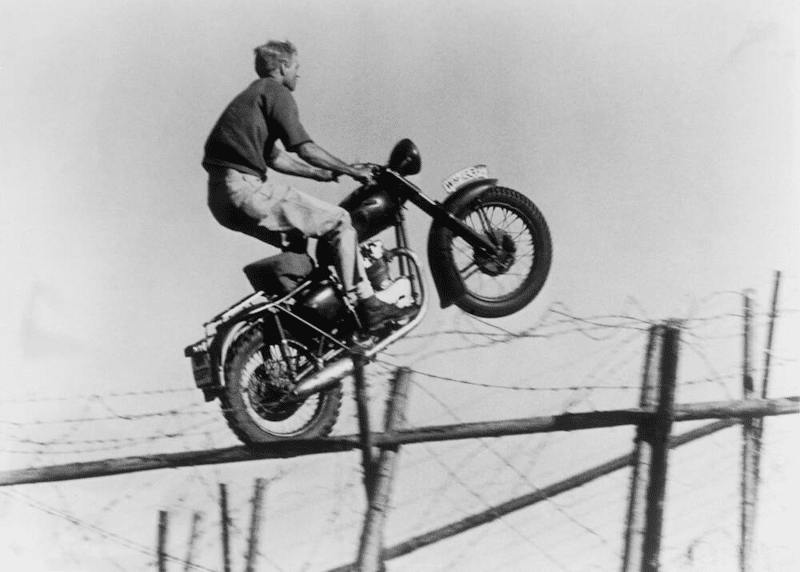
The Great Escape wasn’t so great in the end. Almost all the Allied participants in the famous breakout from a German prisoner-of-war camp were captured and most were killed.

It has always looked as if the plan went wrong — but what if something more sinister was at work? Had the Great Escapers been betrayed?

A newly uncovered document in the National Archives has revealed that Flight Lieutenant Desmond Plunkett, the map-maker and unlucky 13th man out of the camp, believed the Great Escape had been brought down — by its own side.

Share

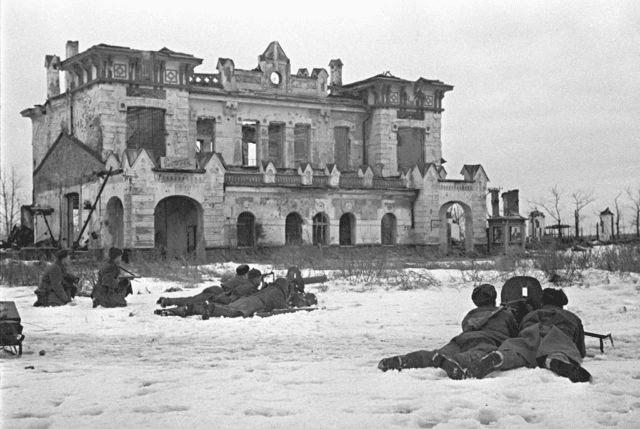
Russia wants compensation for the Nazi siege of Leningrad

Moscow is evoking German war crimes in its row over Ukraine — but it’s not the only country with demands

Berlin has rejected a demand by Moscow that it should acknowledge the 900-day siege of Leningrad as genocide and pay compensation for 1.1 million people who died at the hands of the German army.

In a response to a diplomatic note sent by Russia, the German foreign ministry said the blockade of what is now St Petersburg between September 1941 and January 1944 was a “terrible war crime that the German Wehrmacht brought on Leningrad and its population” but fell short of calling it a genocide. It said the German government had emphasised this repeatedly and was maintaining this legal opinion.

Share

Unsung teen hero who helped end the Second World War honoured

A teenage cook whose heroics onboard a warship helped shorten the Second World War has been honoured in his home town after a public vote.

The regenerated centre of North Shields, North Tyneside, has been named after Thomas Brown, who was awarded the George Medal for helping to retrieve codebooks from a sinking German U-boat in October 1942.

The books were later used to crack the Enigma code by experts at Bletchley Park, enabling the British to decipher Nazi messages.

Share

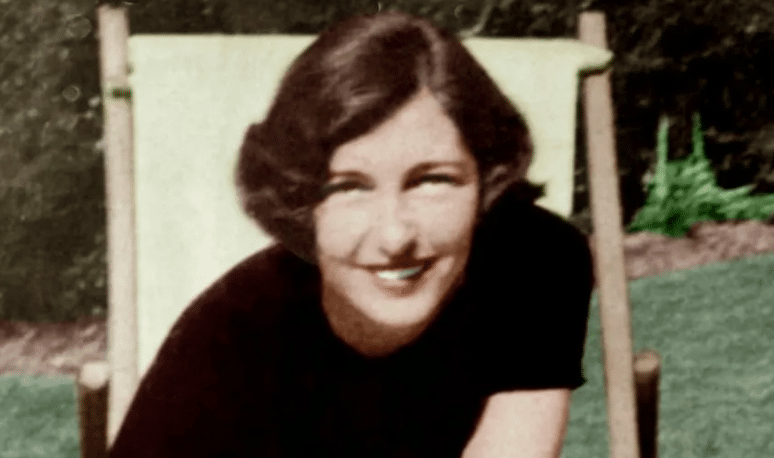
Christine Granville: The Polish aristocrat who was Churchill’s favourite spy

Britain’s longest-serving World War Two spy, Christine Granville, risked her life countless times carrying out missions across Europe, yet today her contribution is barely known. Who was she and why does the nation owe her such a great debt?

On 15 June 1952, Granville returned to the west London hotel she called home, her flight to Belgium having been cancelled due to engine failure.

After making her way to her usual room on the first floor, she heard a man in the lobby shouting her name and demanding the return of some letters. Downstairs, she found herself faced by her former lover who suddenly thrust a commando knife into her chest, fatally wounding her.

Share

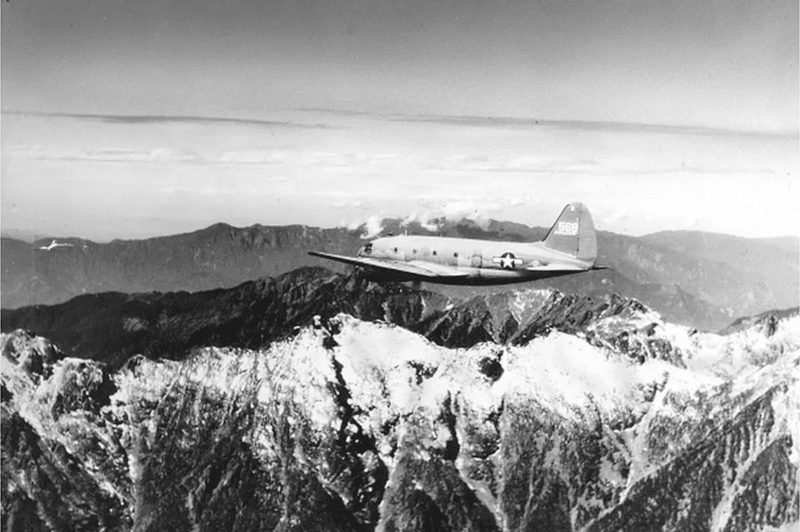
World War Two: When 600 US planes crashed in Himalayas

Since 2009, Indian and American teams have scoured the mountains in India’s north-eastern state of Arunachal Pradesh, looking for the wreckage and remains of lost crews of hundreds of planes that crashed here over 80 years ago.

Some 600 American transport planes are estimated to have crashed in the remote region, killing at least 1,500 airmen and passengers during a remarkable and often-forgotten 42-month-long World War Two military operation in India. Among the casualties were American and Chinese pilots, radio operators and soldiers.

The operation sustained a vital air transport route from the Indian states of Assam and Bengal to support Chinese forces in Kunming and Chunking (now called Chongqing).

Share

Families of prisoners of war massacred by Japanese captors demand apology

Descendants of British soldiers machine-gunned after leaping into sea from transport ship campaign for official acknowledgement of cover-up

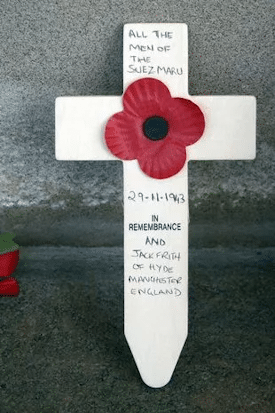
Even amid the litany of horrors from the war in the Far East it still has the power to shock – hundreds of unarmed British and Allied prisoners shot in cold blood by their Japanese captors as they tried to save themselves from a sinking transport ship.

But the fate of the men – machine-gunned after leaping into the sea from the Suez Maru – was largely forgotten, other than by their grieving loved ones.

Share