
Why are Putin’s propagandists so bad at their jobs?

The Soviet Union had a powerful PR machine; today’s Russia less so

During the Cold War, the Soviets would place defectors from the West under house arrest as soon as they arrived in Russia. The assumption was that, as soon as they realized what a dump the USSR was, they would try to sneak back home. And they were probably right. Still, it’s a credit to the Soviet propaganda machine that they showed up in the first place.

Back then, Russia did a great job of marketing itself. They paid top dollar to seduce high-ranking scientists and intelligence officials, while young radicals lined up to do the Kremlin’s bidding. Their disinformation was second to none.

Share

I unlearned a lifetime of Russian propaganda to figure out what information to believe

It was late on Feb. 23 when I read the first reports of bombing in Ukraine. A friend texted that her aunt in Kharkiv had heard explosions. I was shocked and horrified. I thought it was surely the end of the regime built by Russian President Vladimir Putin. So many Russians have relatives and friends in Ukraine; they would surely protest this invasion, right?

Wrong.

As soon as I posted a message condemning the war on VK (a Russian social media platform similar to Facebook), my uncle replied by defending the actions of the Russian military.

Sadly there’s lots of propaganda on both sides.

Share

Ukraine: The spy war within the war

The decades-long spy conflict between Russia and the West is intensifying over the Ukraine war. But what are Russia’s intelligence services suspected of doing and how will their officials’ expulsion from capitals affect Putin’s clandestine overseas operations?

When Russia first targeted its military forces on Ukraine in 2014 it also unleashed its intelligence services on the West – from interfering with the US elections using cyber attacks to poisonings and sabotage in Europe.

But in recent months the spy war has intensified as Western countries have sought to hit back and inflict lasting damage on the ability of Russian intelligence to carry out covert operations. This is symbolised by the unprecedented expulsion of 500 Russian officials from Western capitals.

Share

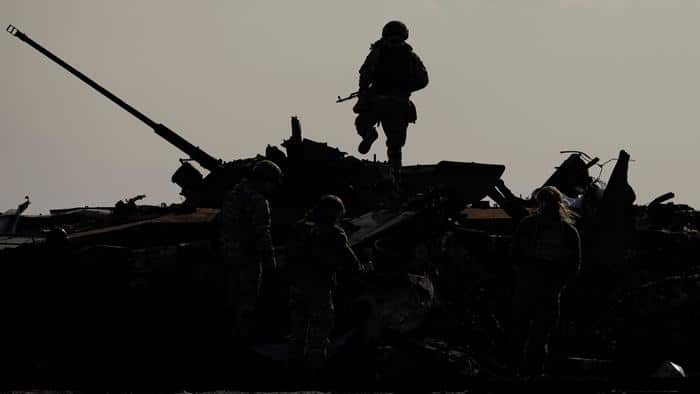
Why Is Russia Losing So Much Military Equipment In Ukraine?

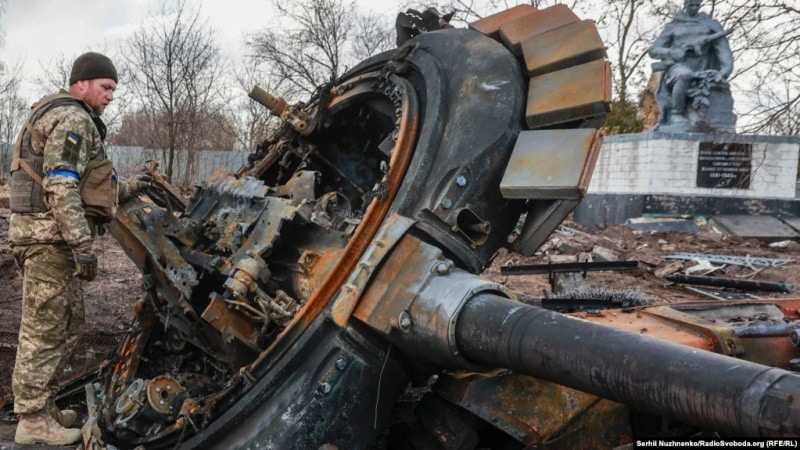
Russia has reportedly lost more than 650 tanks and about 3,000 other armored vehicles and heavy equipment so far in its invasion of Ukraine. Experts put the losses down to the advanced anti-tank weapons given to Ukraine by Western countries, poor strategy, low morale, and important design flaws.

Ukraine says Russia has lost almost 1,200 tanks, a number that we cannot verify. However, the military and intelligence blog Oryx, which counts Russian military equipment losses in Ukraine based on photographs sent from the front lines, says Russia has lost 664 tanks (as of May 13, 2022) and about 3,000 other armored vehicles and heavy equipment so far.

Share

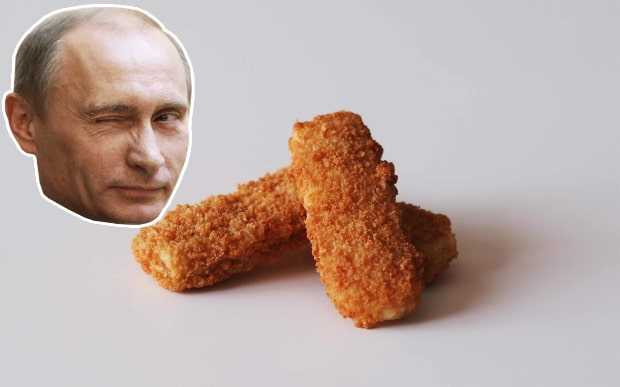
Fish fingers containing Russian whitefish still on sale across UK

Fish fingers sold in most UK supermarkets use whitefish caught by Russian ships, despite many chains pledging to boycott Russian produce.

While supermarkets have taken steps to signal their solidarity with Ukraine, rebranding their chicken kievs as kyivs and taking Russian vodka off the shelves, they have carried on buying its fish.

Big brands such as Birds Eye and Young’s, as well as most major supermarkets, including Sainsbury’s, Tesco, Morrisons and Asda, still use Russian-caught fish.

Buy their oil and gas and their fish sticks. Great.

Share

‘I quit the Wagner group after the Kremlin sent me to Syria – here’s why’

Ex-Wagner Group fighter says recruiters asked him to fight alongside invading force, but he knew that Putin’s men weren’t up to the task

The Russian military’s failure to seize the Ukrainian capital was inevitable because in the preceding years they had never directly faced a powerful enemy, according to a former mercenary with the Kremlin-linked Wagner Group who fought alongside the Russian army.

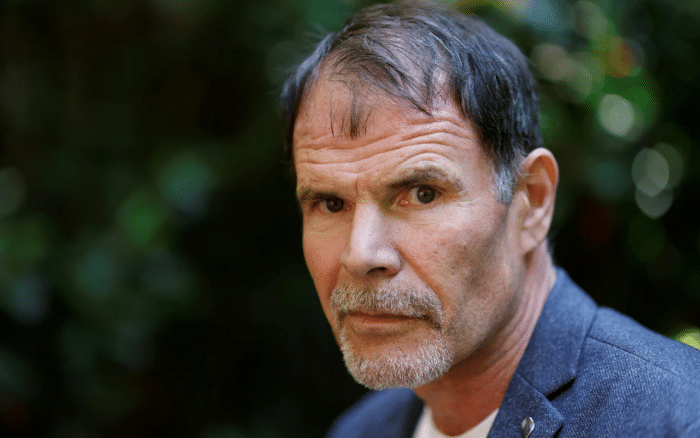
Marat Gabidullin took part in Wagner Group missions on the Kremlin’s behalf in Syria and in a previous conflict in Ukraine, before deciding to go public about his experience inside the secretive private military company.

Share

First Russian soldier goes on trial in Ukraine for war crimes

A Russian soldier has appeared in court accused of murdering an unarmed man on a bicycle, at the start of the first war crime trial in Ukraine since Vladimir Putin invaded the country.

Vadim Shysimarin, a commander of the Kantemirovskaya tank division, arrived at Kyiv’s small district court No 3 in a grey and blue tracksuit and handcuffs for a preliminary hearing.

The 21-year-old is charged with premeditated murder of a 62-year-old man who was not named in court. Shysimarin is being held in Ukrainian custody. The case is scheduled to resume on Wednesday.

Share

Ukraine has repelled Russia’s attempt to cross Donbas River, UK confirms

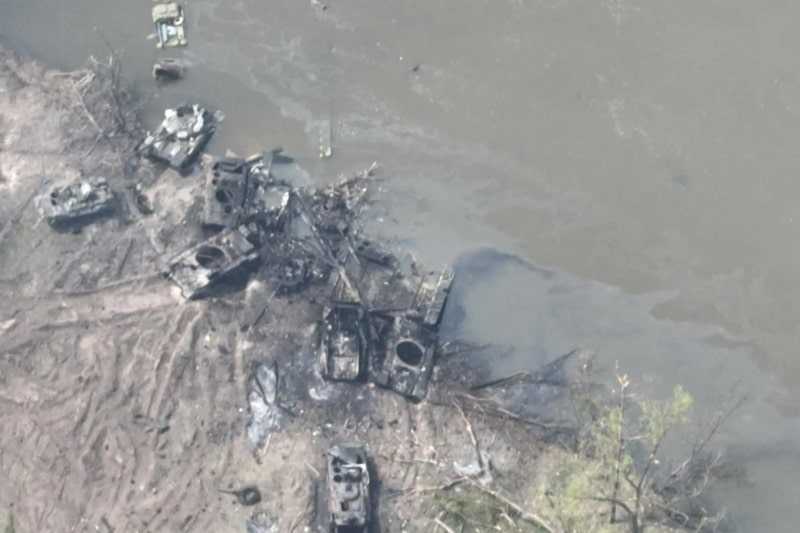
Ukrainian forces have repelled a Russian attempt to cross a strategically significant river west of Severodonetsk in the Donbas, incurring heavy losses in the process, according to British defence intelligence.

The British said Russia had lost “significant armoured manoeuvre elements” from a battalion tactical group – a formation with about 800 personnel at full strength – as well as pontoon bridging equipment.

Severodonetsk is the easternmost town held by Ukrainian forces in the Donbas, and the effort to cross the Siversky Donets River to its west was likely to have been intended to be a fresh attempt by the Russians to cut off the defending forces.

Share

‘They were furious’: the Russian soldiers refusing to fight in Ukraine

When the soldiers of an elite Russian army brigade were told in early April to prepare for a second deployment to Ukraine, fear broke out among the ranks.

The unit, stationed in Russia’s far east during peacetime, first entered Ukraine from Belarus when the war started at the end of February and saw bitter combat with Ukrainian forces.

“It soon became clear that not everyone was onboard with it. Many of us simply did not want to go back,” said Dmitri, a member of the unit who asked not to be identified with his real name. “I want to return to my family – and not in a casket.”

Share

Ukraine’s ‘wounded, crippled’ Azovstal plant soldiers make last-ditch plea for rescue

Amid horrors of amputation and dwindling medical supplies, Azov battalion reject their portrayal as far-Right radicals and demand urgent aid

It is a scene reminiscent of the horrors of the First World War – unshaven soldiers in filthy uniforms, their arms and legs ending in bandaged stumps.

The images, though, are not from the trenches of Ypres or Flanders, but from Ukraine a century later, showing wounded fighters trapped in Mariupol’s Azovstal steel plant.

Share

Germany’s arrogant pacifism

They cannot accept that war in Europe is now a reality

In Germany, this was a Victory in Europe Day like no other. Since Russia invaded Ukraine, Berlin’s entire postwar consensus has crumbled. Previously settled policies and cherished beliefs have dissolved in this new reality: the brutal return of war to Europe. All these confusions were displayed for the world to see on Sunday.

Share

Ukraine war: Don’t underestimate Russia cyber-threat, warns US

There has been a sustained cyber-conflict over Ukraine which could still escalate, a senior US intelligence official has told the BBC.

Despite warnings, major cyber-attacks on the West have so far not materialised.

But Russia shouldn’t be underestimated, Rob Joyce, director of cyber-security at the National Security Agency said.

Meanwhile independent hackers targeting Russia in support of Ukraine could also spark escalation, he warned.

Share

The Badly Needed EastMed Pipeline Awaits Approval

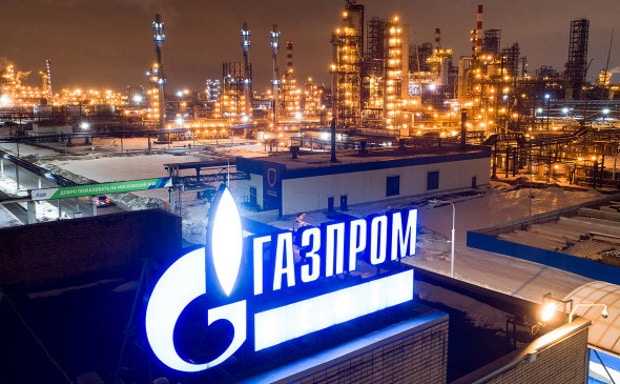
Russia is expected to make almost $321 billion from its energy exports this year — over a third more, according to Bloomberg, than last year.

Twenty-seven European Union member states, despite adopting five packages of sanctions since Russia invaded Ukraine on February 24, have nevertheless spent at least around 35 billion euros — around $38 billion — in payments to Russia for its oil and gas since the invasion, according to the EU’s foreign-policy chief, Josep Borrell.

Ukraine – the next Afghanistan.

Share