What the revisionists get wrong about America’s nuclear bombings

Psychological aspects of Japan’s wartime death cult have been almost entirely ignored by the revisionist historians

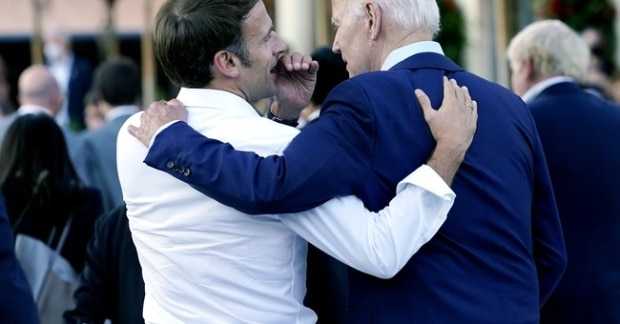
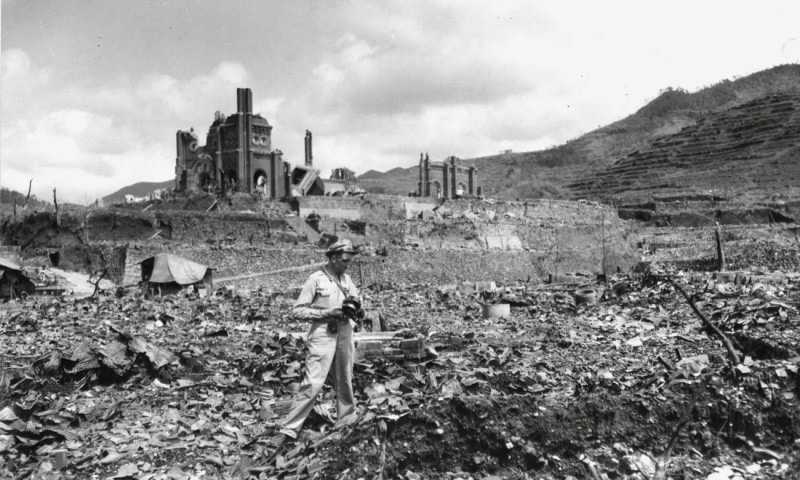
The use of nuclear weapons at Hiroshima and Nagasaki is hardly a festive subject. But given that in recent conversations with President Macron, Vladimir Putin has referenced Hiroshima as a precedent that he could use to justify the use of nuclear weapons in Ukraine, it seems a timely moment to evaluate the subject. And this is especially the case when the case for America using the bomb against Japan has more and more come under attack.

Share

Why Russia couldn’t give up on empire

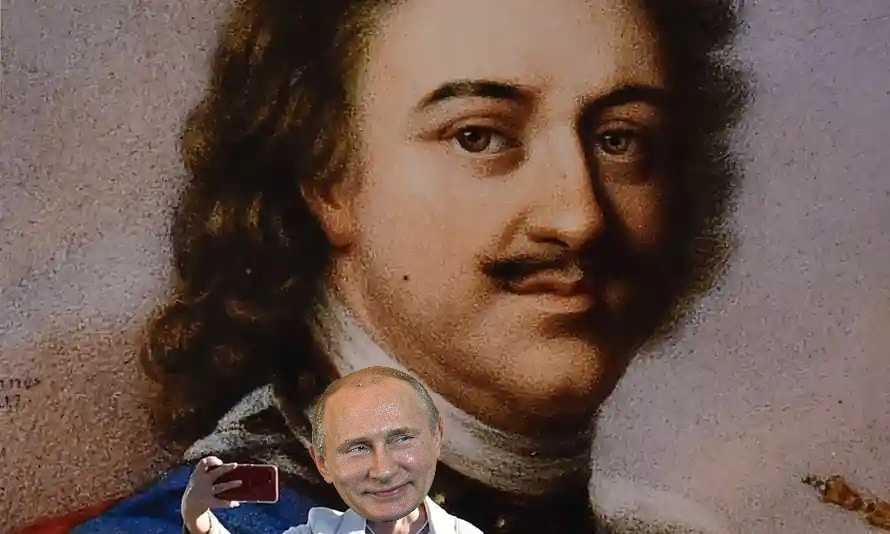
One hundred years ago this December, delegations from the core nations of the East Slavs, Russia, Ukraine, Belarus signed the ‘Declaration and Treaty on the Formation of the Union of Soviet Socialist Republics’. They had with them representatives of the ‘Transcaucasian Soviet Socialist Republic’ artificially constructed by the Communists who had just won a horrifically bloody civil war. In theory it was a free association of states. In practice Stalin quickly imposed even more ruthless centralisation than before. By the end of the second world war he had recovered all the territories of Imperial Russia, and achieved domination of almost the whole of Eastern Europe.

Share

Russia ‘may try to re-enact its early invasion plans of Ukraine on anniversary of war’

Russia may attempt to re-enact a version of its original invasion plans, Ukrainian military officials believe, as Volodymyr Zelenskiy warned this weekend Vladimir Putin still has enough missiles to order more heavy strikes.

The Ukrainian president was speaking in the aftermath of the latest wave of missiles to target his country’s critical energy infrastructure after Russia launched 98 rockets at 20 cities and towns on Friday.

Officials said on Saturday, however, that repairs had been speedy with water supply restored throughout Kyiv and two-thirds of the capital now connected to electricity while the country’s second-biggest city, Kharkiv, had been reconnected to the grid after suffering a total blackout.

Share

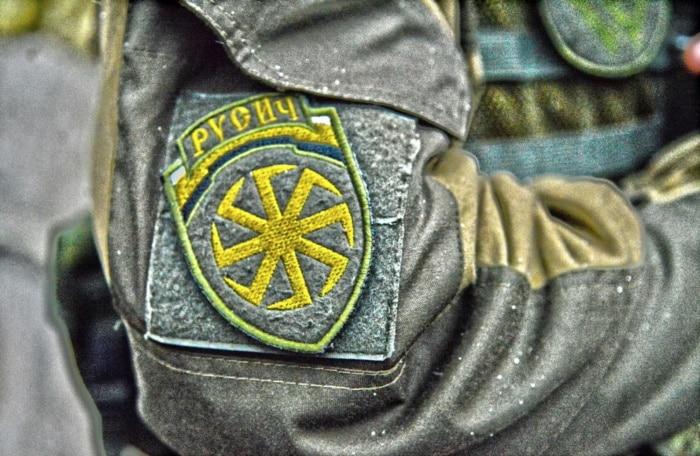
Rusich: Russia’s neo-Nazi militia with broader ambitions

The extremist group has been spotted alongside Putin’s forces

As his forces began rolling on Ukraine, Russian President Vladimir Putin claimed that he wanted to “demilitarise and denazify” the country — by which he was referring to ultranationalist elements in the Ukrainian government and armed forces such as Azov Regiment, Right Sector and Freikorps.

Share

Ivison: Canadian on frontlines of Ukraine war saw most of his team killed. He’s going back

This week, John Ivison is joined by Canadian Forces veteran, James Challice, who spent six months training troops and fighting on the frontline in Ukraine earlier this year. He’s spending Christmas with his sons and mother in Ontario but early in the New Year he is heading back to the brutal killing fields of eastern Ukraine.

Share

Ice cold test of resolve in Ukraine’s ‘meat grinder’

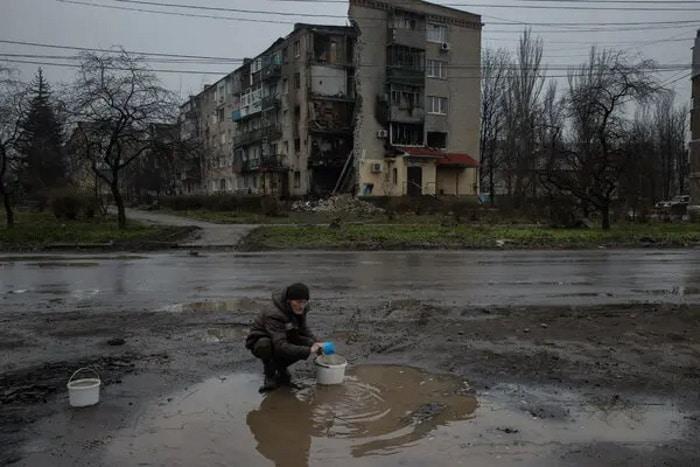
The corpse of a woman lay abandoned on her bedroom floor. Her name was unknown. A Ukrainian man, a feral-looking survivor with an attack dog, had guided Dave Young through the shell-churned landscape, hoping the Englishman would remove her body. He said only that the dead woman had a son but that he was dead too.

“The son died of sickness,” the man said casually, thumbing backwards down the empty stairwell as the sound of shelling reverberated through the building and small arms fire crackled from the slopes nearby. He looked through the buckled door of the woman’s apartment. “She’s been lying here two weeks.”

Share

Ukraine stalemate sets stage for possible winter escalation

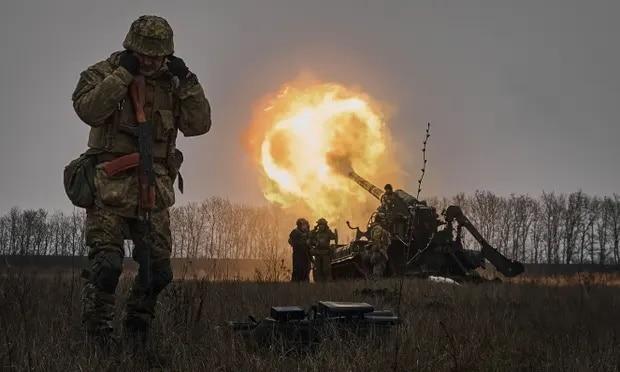
With the war in Ukraine grinding through its 10th month, both sides are locked in a stalemated battle of attrition, which could set the stage for a new round of escalation.

Many observers see the current deadlock as beneficial to Ukraine, allowing it to receive more state-of-the-art weapons from the West and prepare for new counteroffensives. In Russia, there is a growing sense of desperation among hard-liners about what they see as President Vladimir Putin’s hesitancy and lack of a clear strategy.

Military analysts note the fighting is likely to intensify again shortly as the soil freezes. Many point to Russian-occupied areas in the south as the most likely place for the next Ukrainian attack.

Share

Russia preparing large-scale offensive deep into Ukraine as far as Kyiv

Russia is preparing to launch a large-scale offensive in the new year, building up its forces to advance deep into Ukraine as far as Kyiv, Ukraine’s top commander has warned.

General Valery Zaluzhny, commander-in-chief of the armed forces, said the attack could come “in February, at best in March and at worst at the end of January”.

He warned that Vladimir Putin’s mobilisation drive “has worked” and Russia is now reconstituting its troops to overturn embarrassing defeats this summer and gain more territory.

Share

The global supply trail that leads to Russia’s killer drones

Asia Pacific’s owner, Anton Trofimov, is an expatriate Russian who graduated from a Chinese university and has other business interests in China as well as a company in Toronto, Canada, according to his LinkedIn profile and other corporate filings.

Dec 15 (Reuters) – The hundreds of Russian drones hovering ominously over the Ukrainian battlefield owe their existence to an elastic, sanctions-evading supply chain that often runs through a shabby office above a Hong Kong marketplace, and sometimes through a yellow stucco home in suburban Florida.

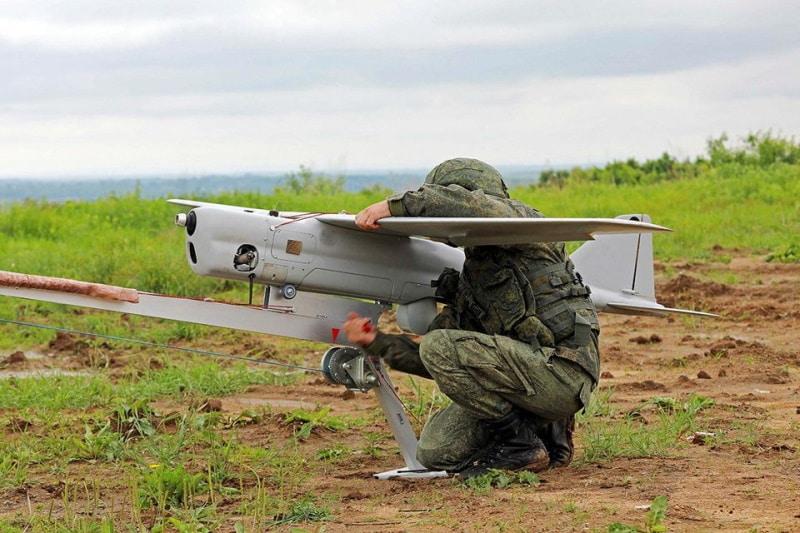
The “Sea Eagle” Orlan 10 UAV is a deceptive, relatively low-tech and cheap killer that has directed many of the up to 20,000 artillery shells that Russia has fired daily on Ukrainian positions in 2022, killing up to 100 soldiers per day, according to Ukrainian commanders.

Share

Did Wagner mercenary chief’s son get dozens of his comrades killed with this photo?

Giveaway image was posted before Ukraine blitzed building with missiles

The son of the Wagner Group’s mercenary boss may have given away their secretive location in Ukraine before it was bombed by Kyiv forces, killing dozens of his comrades.

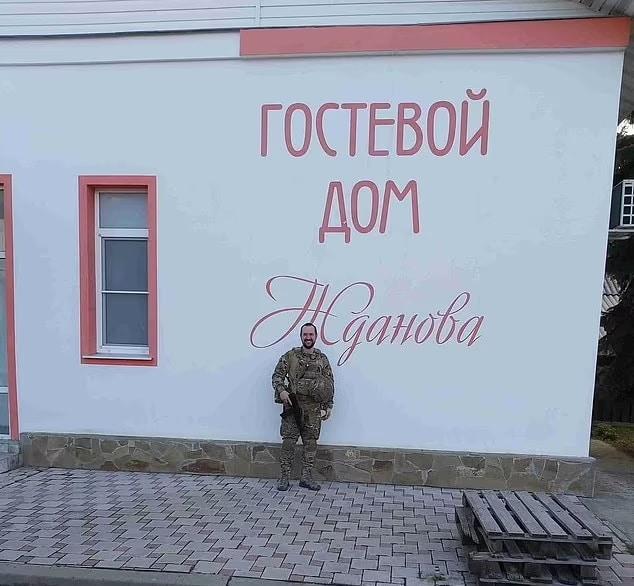
Pavel Prigozhin, the son of the feared private military group’s chief Yevgeny Prigozhin, allegedly posted a photo on social media in front of the Zhdanova guest house in the city of Kadiivka where the mercenaries were holed up.

Then on Saturday at 8.30pm, Ukrainian forces blitzed the Luhansk hotel, with 18 believed dead and 50 injured, after the giveaway image was shared online.

Share

Horrors in Ukraine, Yesterday and Today

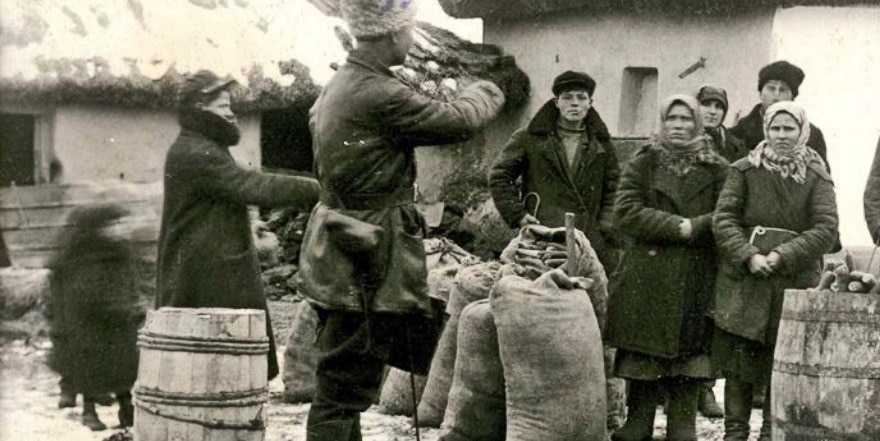
Remembering the Holodomor, the terror-famine Russia inflicted in Ukraine, amid Russia’s latest violence against its neighbor.

… The interpretation of the causes, scope, and effects of Stalin’s assault on the traditional, productive agriculture and industrious peasant farmers of Ukraine in the interests of forced Communist collectivization of farms and the export for hard cash of Ukrainian grain to Western countries was a major controversy until the fall of Russian Communism in the early 1990s, and apologists for Putin’s regime still deny its uniqueness, scope, and significance — indeed, its very existence as a historical fact.

Share

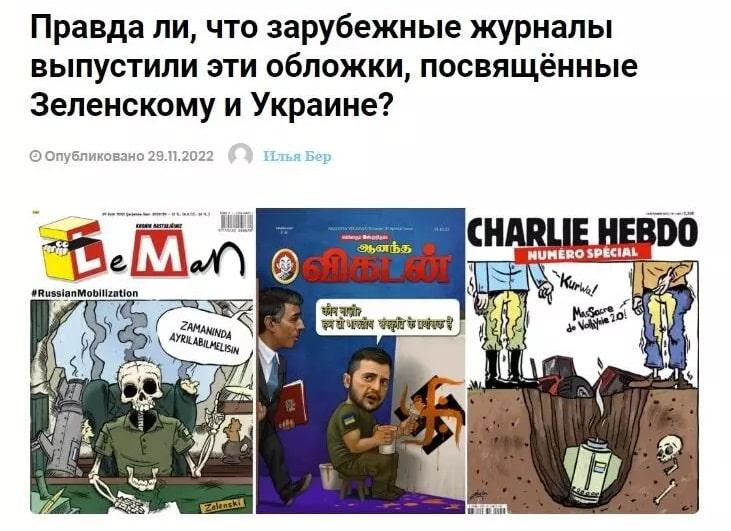
Fake covers of French satirical magazine Charlie Hebdo circulating in Russia

On November 28, the FRANCE 24 Observers team noticed an image of a fake cover of French satirical magazine Charlie Hebdo circulating on Twitter along with a caption in English that said, “France: Nazism is associated with Ukraine. Charlie Hebdo rolled out a special issue about the adventures of Ukrainian Nazis in Qatar. It’s a satire on the recent incident in Doha, where 3 drunken tourists painted Hitler’s moustache on the symbol of the World Cup.”

Share

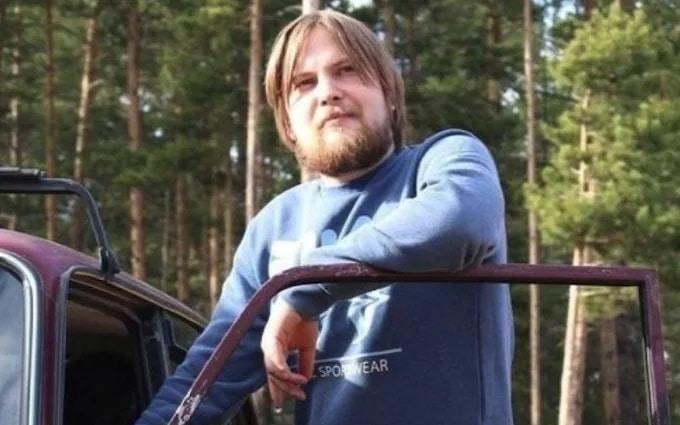
Russian man had a dream about Zelensky – and was fined £390

A Russian blogger has been fined for “discrediting the Russian military” after describing a vivid dream he had about Volodymyr Zelensky, the Ukrainian president.

Ivan Losev, 26, of Chita, in Russia’s far-eastern Zabaykalsky region, was unaware his Instagram social media account was being monitored by officers from the country’s Federal Security Service.

He was fined 30,000 rubles (£390) after a local court convicted him of being in breach of a law that cracks down on dissent against Russia’s invasion of Ukraine.

Share

How Putin’s Gamble Backfired: Ukraine Invasion Has Brought Them Nearer NATO

Among Russian President Vladimir Putin’s grab bag of justifications for Moscow’s latest invasion of Ukraine was a supposed imminent threat from NATO, the 73-year-old collective defense bloc that was supposedly about to use Ukraine as a springboard for aggression against Moscow.

“The danger was rising,” Putin said at Victory Day celebrations in Moscow in May, claiming that “Russia has pre-emptively repulsed an aggression,” in what he said was “forced, timely and the only correct decision by a sovereign, powerful and independent country.”

Share

Is America still Europe’s ally?

EU leaders are reconsidering their approach to Russia

Warmer-than-average temperatures may have spared Europe from the worst effects of the energy crisis, but that is about to change: with temperatures predicted to plummet in the coming weeks, heightened demand for dwindling (and very expensive) supplies of natural gas will seriously test Europe’s fragile energy networks — potentially to breaking point.

In Germany, the Office of Civil Protection and Disaster Assistance recently issued a near-apocalyptic advisory telling people what to expect in the event of a blackout: “The telephone is dead, the heating doesn’t come on, there is no warm water, the computer goes on strike, the coffee machine stays off, there is no light.” The agency urged households to stock up on battery-powered flashlights and candles, and even suggested camp stoves to prepare small meals. Elsewhere in Europe, governments are preparing food distribution networks that can function through a blackout.

Share